This article was written for Silversurfers, which is now part of Rest Less.
Sponsored content
In later life, free time often opens up, creating more opportunities to explore your interests and choose how, and with whom, you spend your days. This can be the perfect time to build the kinds of friendships you may not always have had space for before.
However, new friendships rarely happen by chance. Without routines such as work or raising children bringing people together, making friends often requires a more intentional approach. The good news is that small, proactive steps can make a real difference. By following your interests and putting yourself in situations where you meet like-minded people, you give new friendships a chance to grow.
We invited anthropologist, broadcaster and author Dr Anna Machin to share her advice on making new friendships in later life.
The friendship trigger
“While friendships are a key part of our wellbeing, the primary factor in making new friends is often circumstance,” says Anna.
Many friendships are shaped by life stages. School-gate friendships, workplace relationships and other connections can fade as circumstances change. Moving home, changing jobs or retiring can also make it harder to stay close to people.
The advantage of later life is that you have more freedom to choose friendships based on shared interests and genuine connection rather than convenience. It can also be an opportunity to rebuild relationships that matter and create new ones.

Expert Dr Anna Machin
Make a plan, not a wish
When opportunities to meet people are no longer presented automatically, it helps to be intentional.
That means:
- Planning opportunities to meet new people
- Making social activities part of your routine
- Choosing environments where people share your interests
Anna explains: “Hobbies and friendship groups like the Oddfellows provide an intentional space and structure to make new friends, offering a natural environment where people can organically create connections.”
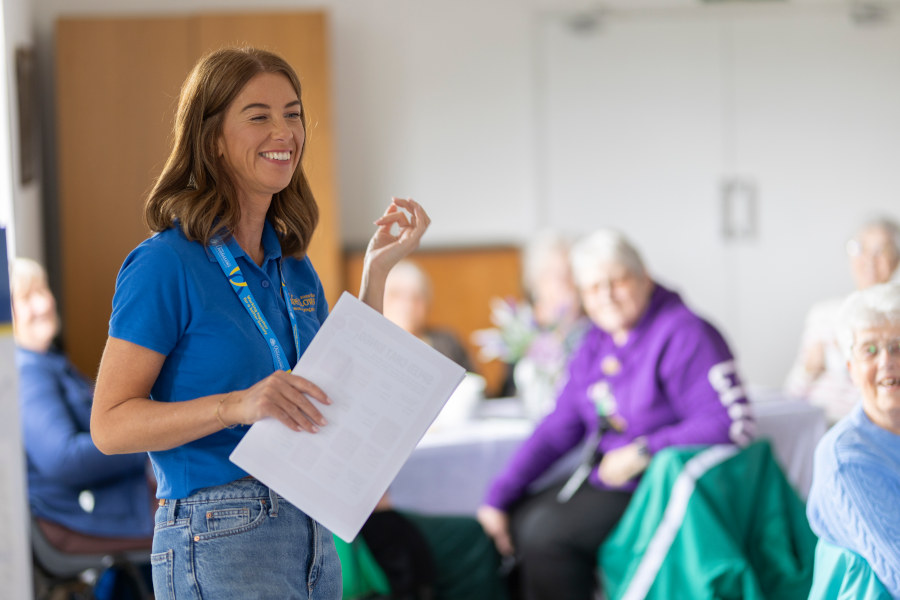
Oddfellows meetups always have a host to welcome newcomers and look after members
Quality and quantity matter
One reason workplaces generate so many friendships is that they bring people together regularly. Friendship relies on both emotional connection and frequent contact.
Anna says that friendships tend to weaken when people rarely see each other, as regular contact helps maintain closeness and strengthens the bonds that keep relationships resilient.
“The key is consistency, regularity and proximity,” she says. Regular hobbies, events and friendship groups provide opportunities not only to meet people, but also to maintain friendships over time.

Brenda Rowe and Viki Du Bois (L-R) got to know each other through their local Mersey Oddfellows friendship group
Rebuilding your social circle
Later life is not a closing chapter for friendship – it is a chance to redefine it.
Rather than waiting for friendships to happen, create opportunities for connection. Put dates in your diary, attend activities that interest you and give yourself the chance to meet people regularly. The more often you show up, the more likely you are to find your people.
As part of the Oddfellows’ annual Friendship Month celebrations, the society is encouraging people to “Circle September for new friendships”. Throughout the month, its friendship groups across the UK will host free and affordable events, including walks, talks, quizzes and afternoon teas, helping people connect with others in their local communities.
You can find out what’s happening near to you and request a free local information pack by calling 0800 028 1810 or visiting www.friendshipmonth.com