Sponsored content
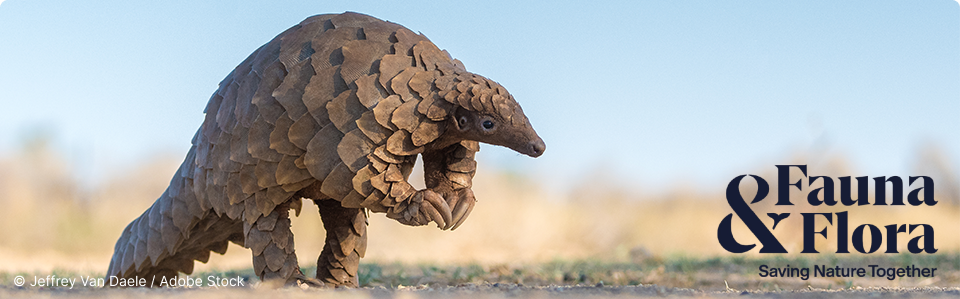
Have you heard of pangolins? More and more attention is being drawn to these humble, scaly mammals as their numbers dwindle. Since 2000, it’s estimated that more than a million pangolins have been taken from the wild, and heartbreakingly, five are killed every minute for their meat, scales, and other body parts, which are used for food and medicine.
Because pangolins are nocturnal and largely elusive, it’s difficult to know how many are left in the wild. But with traffickers increasingly targeting African species, it’s believed that Asian pangolin populations have crashed to the point where demand can’t be met locally.
While this is tragic, the encouraging news is that extensive efforts are being made to save them. Conservation charity Fauna & Flora are rolling out active pangolin protection projects across Africa and Asia, working with local partners to track illegal trade and consumption patterns, learn more about where pangolins live and how they move, and put more rangers in the field to keep them safe.
A donation to Fauna & Flora goes directly toward these conservation efforts, and by donating today, you can help to give pangolins a fighting chance.
So, who exactly are we trying to save? Here’s what makes pangolins so remarkable – and so vulnerable.
What are pangolins, and what makes them special?
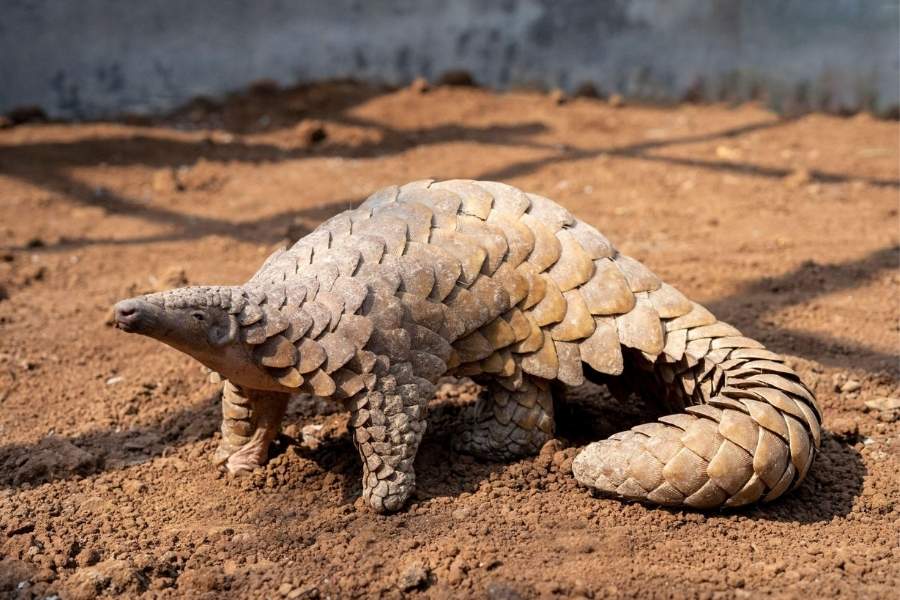
Pangolins are the world’s only truly scaly mammals, found across Africa and Asia. Their are scales made from keratin, which is the same material as human fingernails. Pangolins are often mistaken for armadillos, which are also seen as scaly – but armadillos are covered in bony plates, rather than overlapping scales.
Although pangolins aren’t as well known as other endangered animals, these toothless creatures have existed on Earth for around 80 million years, which explains why they look so prehistoric. They have four legs but tend to walk on their back legs, like tiny dinosaurs. And when it comes to food, they use powerful claws to break into rock-hard termite mounds and a long, sticky tongue – longer than the animal’s own body, in some species – to mop up insects from deep inside. Remarkably, a single pangolin can eat tens of millions of insects a year.
When they feel threatened, pangolins curl up into a tight, armoured ball, which is actually where their name comes from – it’s derived from the Malay word for “thing that rolls up.” They’ve also got grippy, prehensile tails that work a bit like an extra hand, helping them climb and keep their balance.

Five pangolins are killed every minute.
Tens of thousands of pangolins are torn from the wild each year by wildlife trafficking gangs. Your gift could help save them, by equipping rangers with vital gear like boots, tents and rations. Please donate and turn the tide for pangolins.
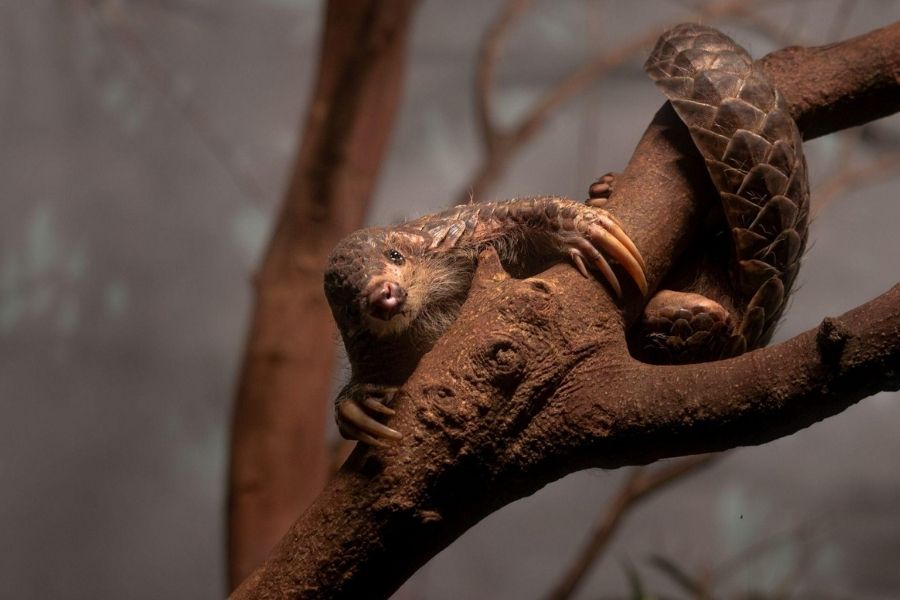
Are pangolins closely related to anteaters or armadillos?
Despite looking similar to anteaters, they aren’t closely related. They may share a similar diet and some adaptations – such as long tongues and powerful claws for finding insects – but these features developed separately over time. In fact, pangolins are genetically closer to dogs and cats than they are to anteaters.
They also aren’t related to armadillos, even though the two animals look surprisingly alike. Both have protective coverings and can appear prehistoric, but they evolved these traits independently in a fascinating example of convergent evolution.
How many species of pangolins are there?
There are nine recognised species in total, split between Africa (four) and Asia (five), ranging from the tree-dwelling black-bellied pangolin to the giant pangolin, which can weigh well over 30 kilos (as much as a 10-year-old child!) and dig burrows tens of metres long.
All nine species are threatened with extinction, and Fauna & Flora is actively involved in protecting five of these.
Pangolin family life
Pangolins are solitary animals that rarely make sounds, relying instead on scent to communicate and recognise one another. Their young are born already covered in soft scales, with as many as 1,000 scales developing across their bodies.
For the first few months of life, babies often cling to their mother’s tail as she travels in search of food. Reproduction varies between regions, with African pangolins typically giving birth to a single offspring, while some Asian species can have litters of up to three.

Five pangolins are killed every minute.
Tens of thousands of pangolins are torn from the wild each year by wildlife trafficking gangs. Your gift could help save them, by equipping rangers with vital gear like boots, tents and rations. Please donate and turn the tide for pangolins.
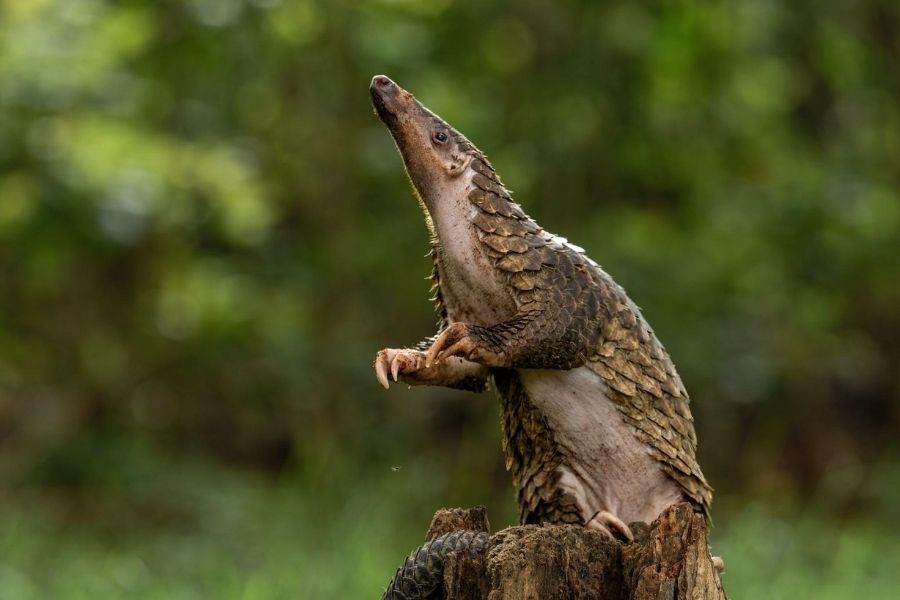
Why are pangolins under threat?
Tens of thousands of pangolins are taken from the wild each year. Their only defence is to curl up into a tight, protective ball – and while this is a useful shield against predators, it sadly offers no protection against the people who hunt them. Once they’ve rolled up, traffickers can easily pick them up and put them in cages.
The biggest threat facing pangolins is illegal hunting for their meat and scales. In some parts of Asia, like China and Vietnam, pangolin meat is considered a luxury food and a symbol of status. Meanwhile, their scales are used in traditional medicine, despite being made of keratin (the same material as human fingernails) and having no proven health benefits.
Although Asian pangolin species have suffered the greatest losses, the illegal trade has increasingly spread to Africa as criminals search for new sources to meet demand. Huge seizures of pangolin scales show the scale of the problem, with thousands of kilograms being intercepted in single shipments. Pangolins also face other dangers, including accidental capture in hunting snares meant for other wild meat, particularly in Southeast Asia.
As their numbers continue to fall and they remain difficult to study because they’re shy and mostly active at night, protecting these unusual animals has become an urgent conservation challenge.
What’s being done to save pangolins?
Rangers working on the ground
Protecting pangolins is about more than rescuing the animals we find in the wild today – it’s also about tackling the illegal trade that puts them at risk in the first place. Reducing the demand for pangolin products will remove the incentive for poachers to hunt them, giving these humble creatures a better chance of survival.
Sadly, this is a huge challenge. Pangolin trafficking is a worldwide criminal operation, with organised networks moving scales and other body parts across borders and oceans. These illegal shipments often make their way from forests to wildlife markets – particularly in China and Vietnam – through carefully planned smuggling routes.
This is why conservation charities such as Fauna & Flora, which work towards ending poaching of endangered animals, are so important. Their work includes everything from strengthening checks at ports and border crossings to training enforcement teams to spot common smuggling tricks, such as disguising pangolin scales as ordinary materials, like woodchips.
Fauna & Flora also help bring traffickers to justice by providing expert evidence for court cases, as well as helping rescue and rehabilitate pangolins that have been saved from the illegal wildlife trade. Together, these efforts can help give one of the world’s most unique mammals a safer future.
How will my donation help pangolins?
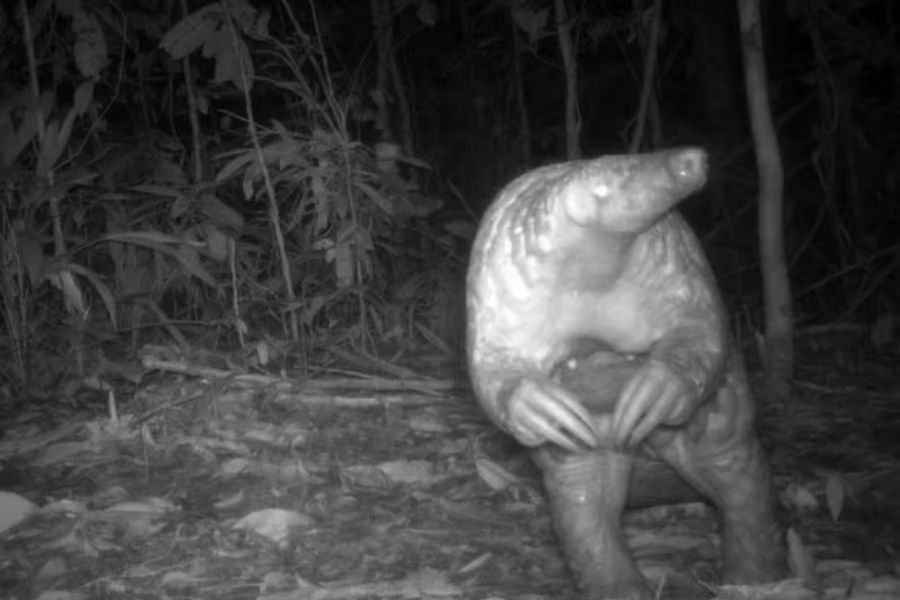
Specialist night vision cameras help Fauna & Flora to provide 24/7 protection for pangolins
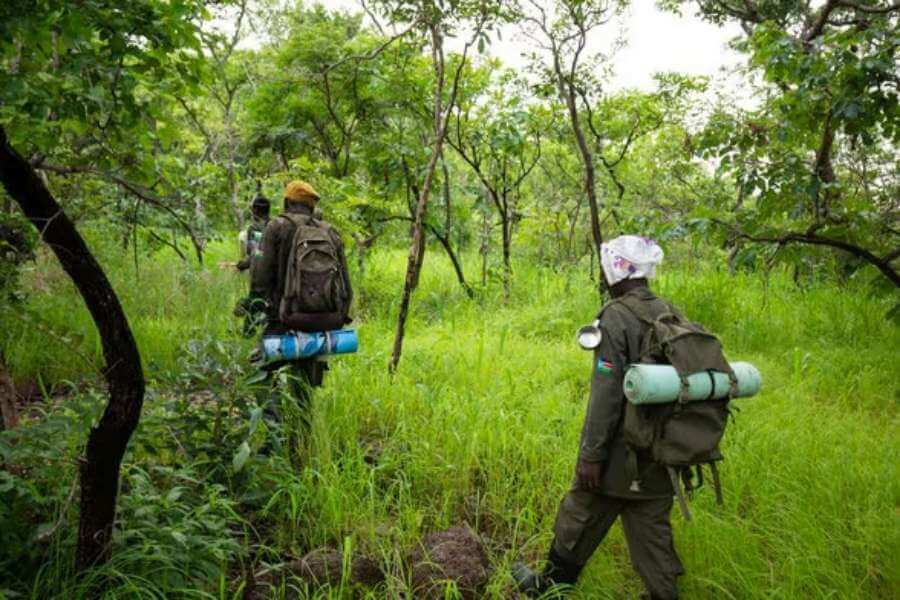
Your donation to Fauna & Flora can help put more trained rangers on the ground in key pangolin habitats across Africa and Asia, giving them the equipment, training, and technology they need to protect these vulnerable animals.
From boots, tents, and patrol supplies to GPS equipment, camera traps, and environmental DNA (eDNA) tools, your support can help rangers monitor threats, protect pangolin habitats, and gather vital information about these elusive animals.
Donations can also help rescue pangolins from the illegal wildlife trade by funding specialist care and rehabilitation, giving them the best possible chance of returning to the wild.

Five pangolins are killed every minute.
Tens of thousands of pangolins are torn from the wild each year by wildlife trafficking gangs. Your gift could help save them, by equipping rangers with vital gear like boots, tents and rations. Please donate and turn the tide for pangolins.
A second chance for rescued pangolins
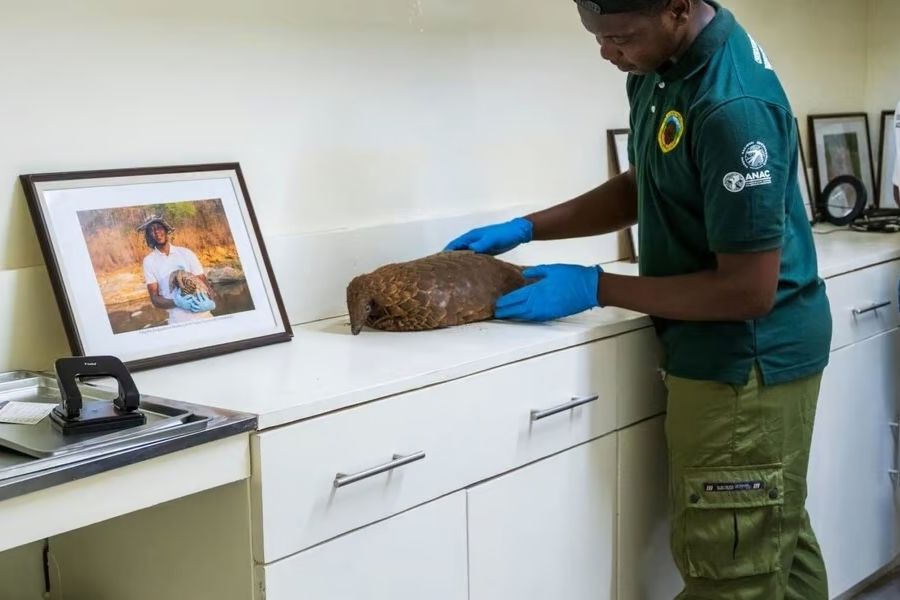
Castigo Batalhão, a technician at Chimanimani National Park, checking Angel the pangolin for parasites and any sign of injury.
For rescued pangolins, specialist care can make all the difference. In one example, Fauna & Flora’s team responded after a male Temminck’s pangolin was found outside his natural habitat in Mozambique. The team travelled 70 kilometres to bring him safely to their pangolin clinic, where he became the centre’s first patient and was named ‘Angel’.
After a full health check, Angel was found to be suffering from mild stress and dehydration, but was otherwise healthy. Because pangolins are highly sensitive to captivity, the team’s priority was to return him to the wild as quickly as possible. After receiving care, he was fitted with a tracking device and released that same night in a safe area with plenty of vegetation, water, shade, and shelter, and far from areas regularly used by humans.
The tracker later showed Angel had moved around 1.5 kilometres before he stopped moving for a long time. After several days went past and the team became concerned, Fauna & Flora’s Conservation Project Officer Alfredo Gotine went to check on Angel, finding him safe and sound in a deep cave, resting comfortably and feeding on termites.
Stories like Angel’s show the importance of having trained conservation teams, specialist equipment, and the resources needed to rescue, monitor, and protect pangolins in the wild.
Your sponsorship could help provide the practical support needed to protect pangolins.
- £10 a month could help buy medical equipment, etc to support rescued pangolins in their recovery before release.
- £8 a month could help buy boots, backpacks, and patrol gear to support rangers protecting pangolins in the field.
- £5 a month could help buy camera traps to monitor habitats and identify threats.
- £2 a month could help buy food and essential supplies for rangers on patrol.
Every contribution helps support the people working to protect pangolins and secure a safer future for these remarkable mammals.
Final thoughts…
Pangolins may be one of the world’s lesser-known animals, but they’re among the most fascinating. From their ancient origins and armour-like scales to their unique role in keeping insect populations under control, these remarkable mammals are one of a kind.
Sadly, their future remains uncertain. Years of illegal hunting and trafficking have pushed all pangolin species towards extinction, and without continued conservation efforts, these gentle creatures could disappear from the wild.
The challenges are enormous, but there is hope. Through protecting habitats, tackling illegal trade, supporting rangers, and learning more about pangolin populations, we can help give them the chance they deserve.
By supporting organisations like Fauna & Flora, you can play a part in protecting one of the planet’s most extraordinary animals and helping ensure pangolins are around for generations to come.