
In our fast-paced world, it’s natural to feel overwhelmed or exhausted sometimes. If you’re constantly tired, you might assume you’re simply not getting enough sleep, but research shows that several other factors can play a role, too.

From poor diet habits to unmanaged stress, we’ll explore nine ways to help beat tiredness.

Note: If you’re experiencing chronic, unexplained fatigue, it’s important to speak to your GP.

1. Prioritise good-quality sleep

The most obvious cause of tiredness is lack of sleep.

The amount of sleep we need varies from person to person, but the NHS recommends adults get between seven and nine hours per night to function at their best. However, it’s not just about how many hours you get – the quality of your sleep matters, too.

Sleep is made up of different stages, including REM (rapid eye movement) sleep and non-REM sleep. REM sleep tends to be lighter and dream-filled, while non-REM sleep is deeper and more restorative. According to experts, the later we go to bed, the less likely we are to enter deep sleep, meaning we might wake up feeling groggy and unrested.

Sleep expert Dr Nerina Ramlakhan explains that the hours before midnight are most beneficial for sleeping. Other factors, such as irregular schedules and poor sleep environments, can also affect our ability to enter deep sleep. As a result, it can be helpful to establish a consistent sleep schedule and practise good sleep hygiene habits, such as avoiding screen use before bed.

Head over to our sleep and fatigue section for more tips on everything from healthy nighttime routines to managing insomnia. You might also like to join Rest Less Events’ Sleep Better Clinic.

Worried about accessing the NHS care you need?

83% of Rest Less members are worried about accessing the healthcare they need on the NHS#, making fast access to treatment more important than ever.

HMCA private medical cover offers affordable, flexible plans, with 90% of members saving money when they switch. Enjoy peace of mind. Join today and get £150 off your subscription.

Enquire today

#Data from over 1,000 Rest Less members surveyed in 2025
^Data from HMCA members who joined between 01/01/25 and 30/06/25

2. Make smart diet choices

Eat a healthy, balanced diet

Diet has a direct impact on our energy. While eating a healthy, balanced diet can support steady energy levels, diets high in processed foods and added sugar can cause blood sugar crashes that leave you feeling fatigued. The cycle also works both ways, as a lack of sleep can disrupt our hunger hormones and make us more ravenous.

Examples of energy-boosting foods and drinks include whole foods like oats, beans, legumes, berries, fatty fish, and lean protein, as these provide a steady release of energy. If you’re not sure where to start, establishing some general ground rules, like prioritising fibre and protein, choosing complex carbs over simple ones, and reducing intake of highly processed foods, can be helpful.

Research also shows that gut health significantly affects overall health, including how energised we feel. Among other things, the gut microbiome plays a role in things like nutrient absorption, hormone regulation, and overall metabolism, all of which are central to how the body uses energy.

Head over to our gut health and diet and nutrition sections to learn more.

3. Stay hydrated

Staying hydrated is essential for overcoming tiredness because every single body cell relies on water to function. Unsurprisingly, low energy is one of the main symptoms of dehydration.

Dehydration is often seen as an extreme condition, but it’s actually possible to become mildly dehydrated just by going a morning without drinking water. This means that, in some cases, increasing energy could be as simple as drinking more water throughout the day.

According to the NHS, adults should aim to drink between six and eight cups of fluid a day. This is the equivalent of about 1.9 litres a day, and water, low-fat milk, and sugar-free drinks (including tea and coffee) all count.

If you struggle to drink enough water, you might find our articles, 10 tips for staying hydrated and why it’s important and 9 healthy and hydrating alternatives to water, useful.

4. Take steps to manage stress

Find ways to manage stress

Stress is the body’s natural response to perceived threat. However, while a certain amount of stress is important for health, chronic stress can be dangerous.

Among other things, it’s been linked with several health risks, including an increased risk of conditions like heart disease. Day to day, unmanaged stress has also been found to affect everything from digestive health to energy levels. For example, studies have linked chronic stress with ongoing fatigue because it keeps the body’s alert system constantly ‘on’, leaving it with less physical and mental energy.

If you struggle with stress, stress-relieving activities, like mindfulness, yoga, and journaling, can be helpful. Check out our articles, 9 simple stress-relieving activities and 7 tips for coping with stress and anxiety, to learn more. You might also be interested in some of Rest Less Events’ health and wellbeing classes.

5. Reduce your alcohol intake

According to Drinkaware, UK adults are typically drinking less than in previous years. However, while most of us know drinking too much isn’t healthy, research shows that even small amounts can have an impact. As a result, NICE guidelines recommend that people cut back on alcohol as much as possible, particularly during midlife.

Among other things, alcohol can affect our heart, brain, and bone health – and it can be detrimental to our sleep, too. While initially, falling asleep after drinking might feel easier, research shows that alcohol negatively impacts overall sleep quality.

According to experts, 90% of people who regularly drink alcohol in the evening experience at least one sleep-related problem. Meanwhile, in another study, almost 50% of participants said they felt more refreshed in the mornings after they stopped drinking.

For this reason, reducing your alcohol intake can be a powerful way to beat tiredness. For further reading, check out our articles: 10 benefits of cutting down on alcohol and 10 tips to stay alcohol-free.

6. Make exercise a habit

Exercise may be the last thing you feel like doing when you’re tired. However, research shows that regular exercise can act as a powerful natural energy booster because it helps to improve heart health, cell function, and sleep quality, and releases fatigue-fighting endorphins.

The NHS recommends doing at least 150 minutes of moderate-intensity exercise each week. If you’re yet to find a form of exercise you enjoy, head over to our fitness and exercise section for inspiration.

As well as exercising regularly, being more active in general, for example, by increasing your step count, can make all the difference to your energy levels.

You’ll also find a range of exercise classes over on Rest Less Events, from Pilates and Tai Chi to HIIT aerobics.

7. Check your iron intake

Increase your iron intake

Iron deficiency anaemia is a blood condition that occurs when the body doesn’t produce enough red blood cells. It’s the most common type of anaemia worldwide, and around four million people in the UK are affected.

A common symptom of anaemia is tiredness and lethargy. It can also harm immune system function and increase your risk of becoming ill, which can make you more tired.

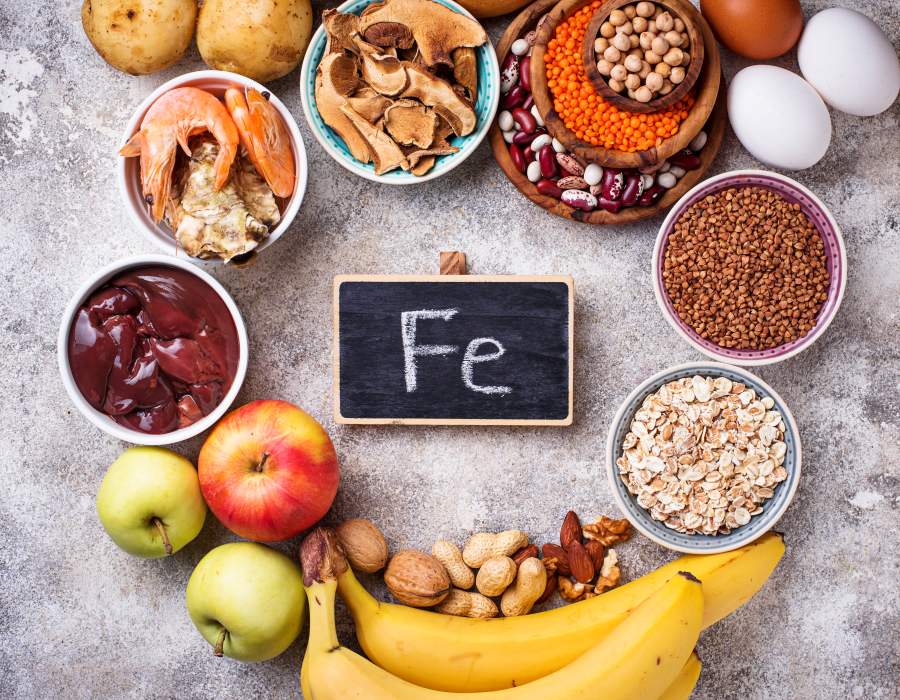
Luckily, iron deficiency anaemia can usually be treated by increasing iron levels, for example, through diet changes or supplements. Examples of iron-rich foods include beans, peas, lentils, nuts, whole grains, meat and liver, and leafy green vegetables. To learn more, check out our article on iron.

Note: It’s important to speak to your GP before adding any supplements to your diet.

8. Watch your caffeine intake

Cut down on caffeine

While many of us rely on a morning tea or coffee to kickstart our day, consuming too much caffeine or having it too late in the day can actually cause us to feel more tired.

Caffeine is rapidly absorbed by the body, meaning that while you might initially feel more alert, its effects can soon wear off and leave you feeling tired again. It’s a well-known sleep disrupter, too, by blocking brain chemicals that induce tiredness.

As a result, it’s worth being mindful of your caffeine intake. You could consider limiting yourself to one or two caffeinated drinks a day, or choosing decaf or naturally caffeine-free options like herbal teas.

Note: Reducing caffeine intake suddenly can cause withdrawal symptoms, so it can help to cut down gradually.

Worried about accessing the NHS care you need?

83% of Rest Less members are worried about accessing the healthcare they need on the NHS#, making fast access to treatment more important than ever.

HMCA private medical cover offers affordable, flexible plans, with 90% of members saving money when they switch. Enjoy peace of mind. Join today and get £150 off your subscription.

Enquire today

#Data from over 1,000 Rest Less members surveyed in 2025
^Data from HMCA members who joined between 01/01/25 and 30/06/25
9. Consider eating smaller, more frequent meals

If you often feel tired after eating a big meal, you might find that having smaller, more frequent meals helps to steady your energy levels throughout the day.

Eating little and often can help regulate blood sugar levels and reduce sugar cravings, making energy slumps less likely.

Creating meals based on whole, unprocessed foods can help to keep energy levels steady. To learn more, check out our article: What are the benefits of a whole food, plant-based diet?

Final thoughts…

We all feel tired from time to time, but if you’ve been feeling low in energy more often than not, you may be looking for solutions. While sleep is usually at the centre, research shows that everything from diet and stress to exercise can also play a role. Sometimes, simple switches and changes to your routine can make all the difference to your energy levels.

For further reading, head over to our sleep and fatigue section. Here, you’ll find information on everything from vitamins and minerals for tiredness and fatigue and tips to avoid an afternoon slump.

Note: Chronic tiredness can sometimes signal an underlying health issue, so it’s important to speak to your GP if you’re concerned.

What lifestyle changes have helped you overcome tiredness? Will you be trying anything new? We’d be interested to hear from you in the comments below.