- Home
- Health
- Healthy Body
- 5 myths about hearing aids debunked
Hearing is one of our most cherished senses, and when it begins to fade, it can be incredibly daunting. But hearing loss is common, particularly as we age.
According to the NHS, around one in six people in the UK will experience some degree of hearing impairment or deafness in their life. And it’s also believed that 30-35% of those over 65 will experience gradual, age-related hearing loss (known as presbycusis). Many people don’t even realise they’re experiencing hearing loss because it happens so slowly.
The good news is that hearing aids and their technology can make a significant difference to your quality of life. In fact, a recent study by the British and Irish Hearing Instrument Manufacturers found that 95% of UK respondents reported that since wearing a hearing aid, they’d seen an improvement in their social lives, personal and professional relationships, confidence, sense of independence, and – of course – ability to communicate.
However, the many myths and misconceptions surrounding hearing aids may be holding people back from seeking help, so it’s important to separate fact from fiction.
So, if you’d like to know more about hearing aids, let’s dive right in. Here are five myths about hearing aids debunked.
And, if you’re looking for peace of mind, The Hearing Care Partnership offers a free hearing assessment from hearing care professionals tailored to your needs. You can book a test using the button below.
Myth one – hearing aids are bulky and unattractive
Another widespread misconception is that hearing aids are large, noticeable, bulky, and unattractive. But, in 2025, this isn’t the case. Modern hearing aids have undergone transformational changes in design, and today they’re small, sleek, and virtually invisible.
Hearing aid brands understand the correlation between hearing aid aesthetics and comfort, and the likelihood of people buying and wearing them, and have spent time developing devices that fit neatly inside the ear canal. Not only are these far more discreet, but they’re also technologically advanced, usually featuring wireless connectivity and smartphone integration.
Plus, brands have also recognised the importance of personalisation. Now, you can often customise your devices to your hair colour or skin tone, allowing you to find a style that suits you and is less noticeable in social settings.
Myth two – hearing aids are expensive
Many people put off considering hearing aids because they believe they’re not affordable – but this isn’t necessarily true. Hearing aids are sold at a wide range of prices, and if you can’t afford to pay for one yourself, the NHS loans hearing aids to people free of charge and provides free batteries, servicing, and repairs.
The type of hearing aids available through the NHS is usually a standard design with a fixed range of technology, so if you’d like more choice, you’ll need to consider buying them privately. But, given how most people wear hearing aids for 12-15 hours a day, the cost per day is quite minimal – especially considering the joy of improved hearing.

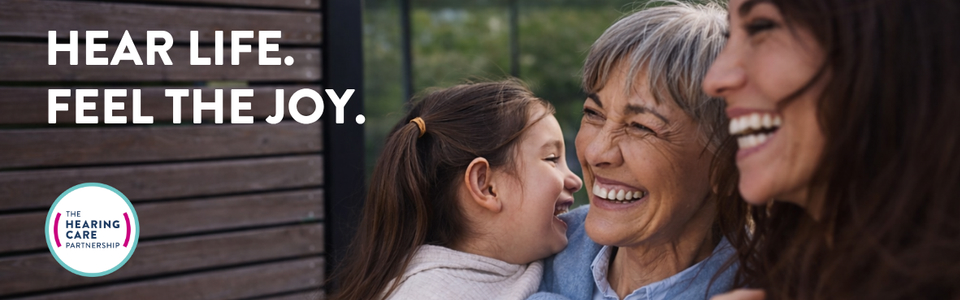
Hear life in full colour. Book a FREE hearing test!
The Hearing Care Partnership offer FREE full hearing tests to help you stay connected to everyday moments.
With 400+ clinics across the UK, personalised care, discreet hearing aids, support for tinnitus and gentle ear wax removal, book your free test today.
Myth three – you only need hearing aids if you’re experiencing profound hearing loss
This is another myth – and potentially a harmful one. Some people believe that the only drawback of delaying treatment is struggling to hear properly at that time, but it’s important to address hearing loss as early as possible to avoid irreversible damage.
Untreated hearing loss means less sound is being sent to the auditory cortex. The result is that the ‘tuning in’ centre in our brain gets less practised at deciphering speech sounds and filtering background noise – making it tricky to focus on speech. Untreated hearing loss can also lead to conditions like musical ear syndrome, where a person hears sounds that aren’t there, as the brain attempts to ‘fill in the gaps’ caused by hearing loss.
Other studies suggest hearing loss is linked to an increased risk of loneliness and isolation. When people begin to struggle to interact with others, they often start avoiding social situations. Even more worryingly, social isolation is linked to an increased risk of heart disease, stroke, depression, anxiety, and dementia, and can increase the risk of premature death as much as smoking 15 cigarettes a day.
New NHS research into the correlation between hearing loss and dementia also suggests the risk of developing dementia nearly doubles if you have untreated mild hearing loss. If you have untreated moderate hearing loss, dementia risk triples; and if you have severe untreated hearing loss, you’re five times more at risk.
Remember that hearing loss is usually progressive and, by the time you’ve noticed it, you’ll likely already benefit from a hearing aid. They’re designed to help people with all degrees of hearing loss. So, if you think you might be experiencing it, no matter how mild, it’s better to intervene as early as possible, starting with a hearing test.
If you’re looking for a head start, The Hearing Care Partnership offers a free hearing assessment that’s tailored to your needs.
Myth four – hearing aids are high-maintenance
And, finally, if you’re concerned that hearing aids are high maintenance, you’ll be pleased to know that’s another myth.
While maintaining your hearing aids is important for optimal performance, it isn’t a long or difficult process. Cleaning your hearing aids and replacing the batteries are usually the main tasks, but cleaning kits and rechargeable devices make this quicker and easier.
Plus, good-quality hearing aids can last a long time when properly maintained. If you’re unsure how to care for them, there are all kinds of useful resources about hearing aid maintenance and cleaning.
Myth five – hearing aids are only for the elderly
One of the most common misconceptions about hearing aids is that they’re almost exclusively for older adults. But hearing loss doesn’t discriminate, and some people have worn hearing aids since they were babies.
And, recent studies suggest the prevalence of hearing loss among young people is on the rise. According to the World Health Organization, some 1.1 billion teenagers and young adults are at risk of hearing loss, which is largely attributed to prolonged exposure to loud environments like nightclubs and bars, or listening to personal audio devices at high volumes.
That said, age is the most common cause of hearing loss. Most people begin to experience small amounts from around 40 years old, and this increases with age. By 80, most people have significant hearing problems (NHS).
Final thoughts…
The thought of losing your hearing can be daunting, so, understandably, many people view getting a hearing aid through a negative lens – but they can make a world of difference to your well-being.
Most customers who delayed using hearing technology say they wish they hadn’t, as they now realise what they were missing. Plus, ideas that hearing aids are clumsy, overly expensive, or only for the elderly couldn’t be more untrue.
If you’re experiencing hearing loss, it’s important not to delay seeking help. As we’ve seen, the right hearing aid design and technology can not only transform your life, boost confidence, and keep your relationships healthy, but it can also go a long way in protecting your physical and mental health.
Do you have hearing aids? Or will you be booking a free hearing test? We’d be interested to hear from you in the comments below.
Selene Nelson is an author, freelance journalist, and lifestyle writer for Rest Less. After graduating from the University of Sussex with a degree in English Literature, Selene began contributing to many major newspapers and websites, and has written for the BBC, The Sunday Times, The Independent, Town & Country, and HuffPost. Her specialist subjects include food, travel, and health, though she enjoys writing about a wide range of topics (e.g. her two books are about veganism and psychopathy, respectively!). She enjoys cooking (particularly pasta and Asian noodle soups), reading, travelling, hiking, attempting to keep fit, and watching animal videos on YouTube.
* Links with an * by them are affiliate links which help Rest Less stay free to use as they can result in a payment or benefit to us. You can read more on how we make money here.

Hear life in full colour. Book a FREE hearing test!
The Hearing Care Partnership offer FREE full hearing tests to help you stay connected to everyday moments.
With 400+ clinics across the UK, personalised care, discreet hearing aids, support for tinnitus and gentle ear wax removal, book your free test today.
Join the discussion
Read our full commenting terms and guidelines