

- Home
- Health
- Healthy Body
- 10 signs you’re not getting enough fibre (and what to do about it)

Sponsored content
Research shows that 96% of UK adults aren’t eating enough fibre, increasing their risk of health conditions like heart disease, stroke, type 2 diabetes, and bowel cancer.
The average adult needs around 30g of fibre per day. But the good news is it’s easy to get from everyday foods like wholemeal bread, oats, beans, lentils, fruits, vegetables, and flaxseeds.
That’s why we’ve partnered with Linwoods, a leading health food brand whose fibre-rich products make it easier to meet your daily needs. For example, Linwoods Milled Flaxseed provides 4.1g of fibre per 20g serving, making it an easy way to increase total fibre intake.
What is fibre?
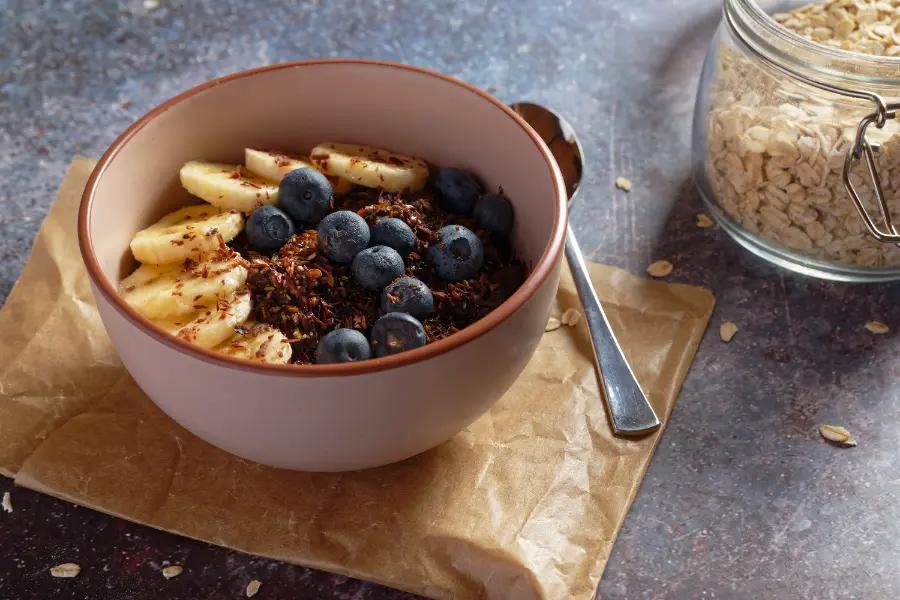
Dietary fibre is a type of plant material that the human body can’t fully digest, yet it forms an essential part of a healthy diet.
Fibre comes in two main forms: insoluble and soluble.
- Insoluble fibre adds bulk to stool and helps it move more easily through the digestive system, supporting regular bowel movements.
- Soluble fibre absorbs water and forms a gel-like substance, which softens stool and slows digestion. This slower process allows for better nutrient absorption, helps regulate blood sugar levels, and promotes a feeling of fullness – all of which support healthy weight management.
Healthy gut bacteria also feed on soluble fibre, which helps them grow and thrive, and produce more beneficial substances that our gut loves.
10 signs you’re not getting enough fibre

1. Constipation
One of the most well-known and uncomfortable signs that you’re not getting enough fibre is constipation. When fibre intake is low, stools can become hard, dry, and difficult to pass, leading to infrequent or strained bowel movements.
That said, even if you’re getting enough fibre, it’s just as important to make sure you’re drinking enough, as fibre needs water to do its job.
2. Feeling hungry soon after eating
If you often feel hungry soon after eating, your diet might be low in fibre. Fibre plays a key role in keeping us full by adding bulk to food and slowing its passage through the digestive system.
For example, in this study, participants who ate 16g of fibre in the morning consumed 21% fewer calories at lunch. Another study also showed that adding just 14g of fibre per day led to increased feelings of fullness and an average weight loss of 1.9kg over 3.8 months.
3. Bad breath
In some cases, bad breath isn’t just about poor oral hygiene. It could be a sign of an unhappy gut, especially if you’re eating a low-fibre diet.
For example, this small study revealed that individuals who ate a higher fibre meal had significantly better breath over the following 2.5 hours than those who ate a low-fibre meal.
Research also suggests that high-fibre diets – typically rich in whole fruits, vegetables, and grains – encourage more vigorous chewing. This increases saliva production, helping to wash away food particles and reduce bacterial build-up on the tongue.
4. Piles
Piles, also known as haemorrhoids, are swollen veins in and around the anus and lower rectum. While their exact cause isn’t always clear, one of the biggest contributing factors is straining during bowel movements, which, as we’ve seen, is often caused by not getting enough fibre.
Attempting to pass hard, dry stools places extra pressure on blood vessels in the rectal area. Over time, this repeated straining can cause the veins to swell, leading to discomfort, itching, pain, and in some cases, bleeding during bowel movements.
According to the NHS, eating a high-fibre diet is one of the most effective ways to prevent and manage piles. Fibre softens and bulks up the stool, making it easier to pass and reducing the need to strain.
5. Bumpy eyelids
While a lack of fibre doesn’t directly cause bumpy eyelids, it can contribute to high cholesterol, which may show up as xanthelasma: yellowish, fatty deposits that appear around the eyelids. Xanthelasma itself is usually harmless, but it can be an early warning sign of elevated cholesterol and a higher risk of heart disease.
A diet rich in soluble fibre can help lower cholesterol levels. This type of fibre forms a gel-like substance in the gut that traps cholesterol and helps remove it from the body through stool, rather than allowing it to be reabsorbed into the bloodstream.
If you’ve noticed bumpy patches on your eyelids, it’s a good idea to review your fibre intake and book an appointment with your GP. A simple blood test can check your cholesterol levels and guide next steps.
6. Feeling tired
If you’re constantly feeling tired, your fibre intake could be playing a part. Low fibre diets are often high in processed foods. These tend to be rich in calories, sugar, saturated fat, and salt, and low in essential nutrients that your body needs to produce and use energy.
The refining process also strips grains of their fibre-rich outer bran layer and, as we know, fibre slows digestion, helping to keep energy levels stable. Without enough fibre, glucose is absorbed more quickly after eating, causing blood sugar to spike and then crash, which can leave you feeling drained and sluggish.
7. Mood swings
If your mood shifts quickly or you often feel irritable, anxious, or low without a clear reason, it’s worth taking note of your fibre intake. While low-fibre diets can negatively impact sugar levels and affect mood, there’s more to it.
The gut and brain are in constant communication through what’s known as the gut-brain axis. And research shows that around 90% of serotonin (a feel-good hormone) is produced in the gut. A fibre-rich diet feeds beneficial gut bacteria and facilitates serotonin production, which can positively impact mood.
Growing evidence also supports the link between a high-fibre diet and the risk of anxiety and depression.
8. Weight gain
Because fibre helps us feel fuller for longer, it can support weight loss and maintenance by encouraging us to eat less. So, if you’ve gained weight or are struggling with weight loss, it’s worth considering whether you’re eating enough fibre.
One study suggests that eating 30g of fibre per day can help us lose weight, lower blood pressure, and improve blood sugar levels – even without making any other big diet changes.
Researchers compared two groups of people who were overweight and had health risks like high blood pressure and high cholesterol. One group followed a strict, healthy diet with lots of rules (cutting out sugar, salt, fat, alcohol, etc.). Meanwhile, the other group had just one simple goal: eat more fibre.
After a year, both groups had lost weight and saw health improvements. While the strict-diet group lost slightly more weight, the fibre group still saw great results by focusing on that one simple habit.
9. Acne or dull, dry skin
Our digestive system plays an essential role in absorbing nutrients and removing waste and toxins from the body. When digestion slows or becomes unbalanced, it can impact nearly every system, including the skin.
Fibre is essential not just for regularity, but also for feeding the beneficial bacteria in our guts. These bacteria help produce short-chain fatty acids (SCFAs), like butyrate, which are known to reduce inflammation and strengthen the skin’s natural barrier.
Without enough fibre, gut bacteria can’t thrive, and SCFA production drops, which may lead to increased inflammation and a weakened skin barrier. This can show up as dryness, sensitivity, dullness, or inflammatory skin issues like acne or eczema.
10. Diverticulitis
Diverticulitis is a condition that occurs when small bulges or pockets (diverticula) in the lining of the intestine become inflamed or infected.
While the exact cause of diverticulitis isn’t fully understood, research suggests it may be due to pressure in the colon, which can be brought on by straining when passing stools – an issue widely linked to a low fibre diet.
According to the NHS, symptoms include abdominal pain (often on the lower left side), tummy pain that gets worse after eating, bloating, constipation, blood in your poo, or even fever.
The NHS also highlights that a fibre-rich diet can help with diverticulitis by promoting regular bowel movements and reducing pressure in the digestive tract.
How to start adding more fibre to your diet
Recognising that we may need to change our lifestyle can feel daunting. But the key thing to remember is that even small changes can make a big difference.
While we’re advised to eat 30g of fibre per day, the NHS recommends increasing fibre gradually, to give your digestive system time to adjust. It’s also important to drink more water as you increase fibre, since fibre absorbs water and needs it to move smoothly through the gut.
If you’re unsure where to start, try swapping white bread, pasta, and rice for wholegrain versions, and aim to eat a variety of fruit, vegetables, legumes, nuts, and seeds.
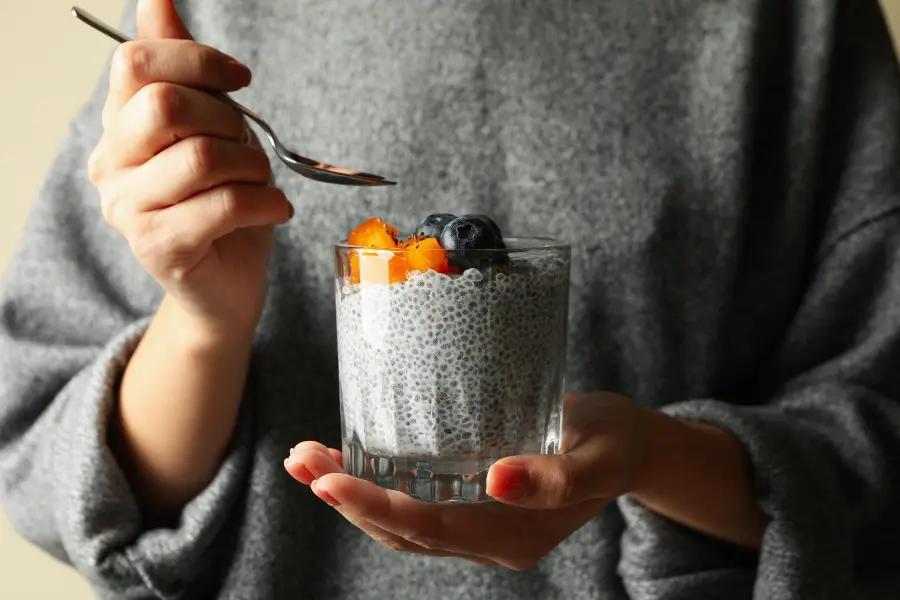
Flaxseed and chia seeds are two easy, nutrient-rich ways to boost your fibre intake. Both are mild in flavour and incredibly versatile – just 20g of flaxseed provides 4.1g of fibre, while chia seeds offer 5.7g of fibre per 20g.
You can sprinkle them onto porridge, stir them into yoghurt, blend them into smoothies, or bake them into snacks. Need inspiration? Linwoods has a delicious chia pudding recipe and a wide range of flaxseed recipes to explore.
Final thoughts…
Fibre is far more than just a digestion aid. It plays a key role in supporting nearly every aspect of our health, from heart function and cholesterol levels to mood stability and energy.
With 96% of UK adults falling short of the recommended 30g of fibre per day, many of us could benefit from making simple, sustainable swaps to increase fibre in our diets.
It’s not about a complete dietary overhaul, but small, consistent changes that add up over time. For example, incorporating a nutrient-dense product like Linwoods Milled Flaxseed into our diets could be an easy and effective step in the right direction.
Elise Christian is Lifestyle Editor at Rest Less. She joined Rest Less in 2018 after achieving a first class Master’s Degree in Journalism from the University of Kent, and writes across a range of lifestyle topics such as mental health, home and garden, and fashion and beauty. Prior to this, she worked as a freelance writer for small businesses and also spent a year training to be a midwife. Elise spends her spare time going to the gym, reading trashy romance novels, and hanging out with loved ones. She also loves animals, and has a fascination with sharks and tornadoes.
* Links with an * by them are affiliate links which help Rest Less stay free to use as they can result in a payment or benefit to us. You can read more on how we make money here.