

- Home
- Health
- Healthy Body
- What’s new in yoga? 7 trends to try
How does Rest Less make money
We make money through advertising and commission from affiliate links, which enable us to offer Rest Less as a free service to our users. The content on this page may use affiliate links, which track traffic from our website to a third party provider and enable us to receive a commission or payment from any traffic we refer.
* Affiliate links on this page have an * next to them. We place enormous importance on our editorial independence and the integrity of our content which means that we will never change how we write about something as a result of an affiliate link.
Yoga’s roots stretch back over 5,000 years to northern India, where its foundational principles (known as the eight limbs) were established and have endured through millennia. But the modern yoga and wellness world continues to evolve, with new trends and interpretations emerging all the time.
You’ve probably heard of Bikram (or hot) yoga, aerial yoga, and power yoga – relatively recent trends that have gained widespread followings thanks to their unique benefits.
This constant innovation reflects yoga’s remarkable adaptability and growing appeal. And the most worthwhile trends seem to stick around, becoming lasting additions to the practice rather than fleeting fads.
So what’s trending? Below are seven new yoga trends to try.
To find classes near you, you may also like this handy search tool on Yoga Hub.
1. AI-enhanced yoga
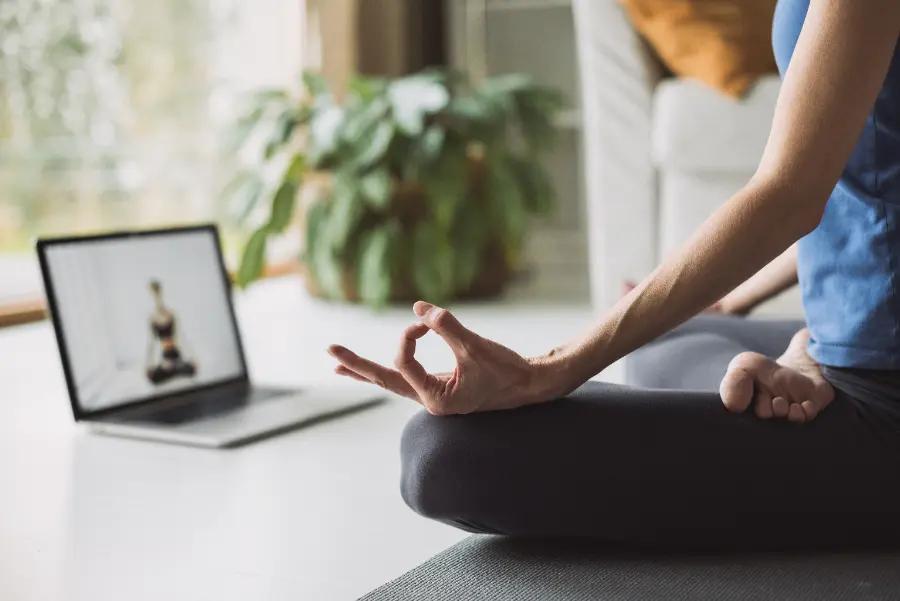
Of course, in 2026, AI is impacting almost everything around us, including yoga. It might seem a little incongruous – such a mindful and personal practice being fused with AI. But AI’s usefulness as a tool to improve your practice is actually pretty positive.
Technology might be advancing at a relentless pace, but it can also help us slow down and find balance. AI-powered platforms, such as Asana Rebel and Skill Yoga, can now create highly personalised sequences, accounting for any physical needs or injuries you might be struggling with. With some apps, advanced motion-tracking technology can also analyse your posture through your phone camera to provide real-time feedback and alignment corrections.
But with AI still a relatively new animal, it remains to be seen just where it will take us in the future.
2. Chair yoga
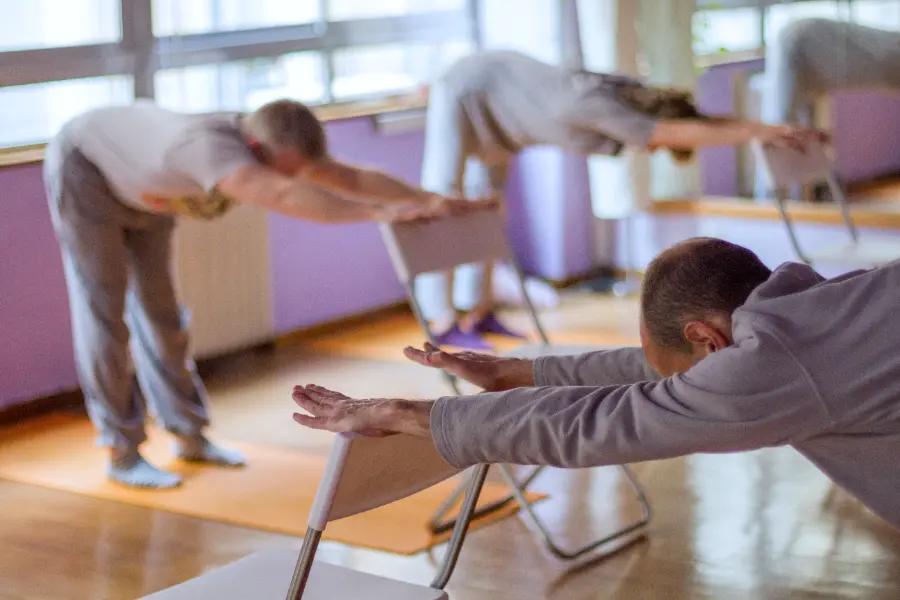
Chair yoga has been around since the 1980s and has always had its followers, but it’s seen a resurgence in the past year or two. The support it provides while we hold poses makes it a safe and accessible way to work on strength and balance.
There are plenty of video sessions and tutorials available on YouTube if you’d like to try it for yourself. For example, this short beginner’s chair yoga session by Sarah Beth Yoga is popular.
If you’d like to get started with this particular trend, we host an all-ability chair yoga class over on rest less events.
3. Pure Pranayama
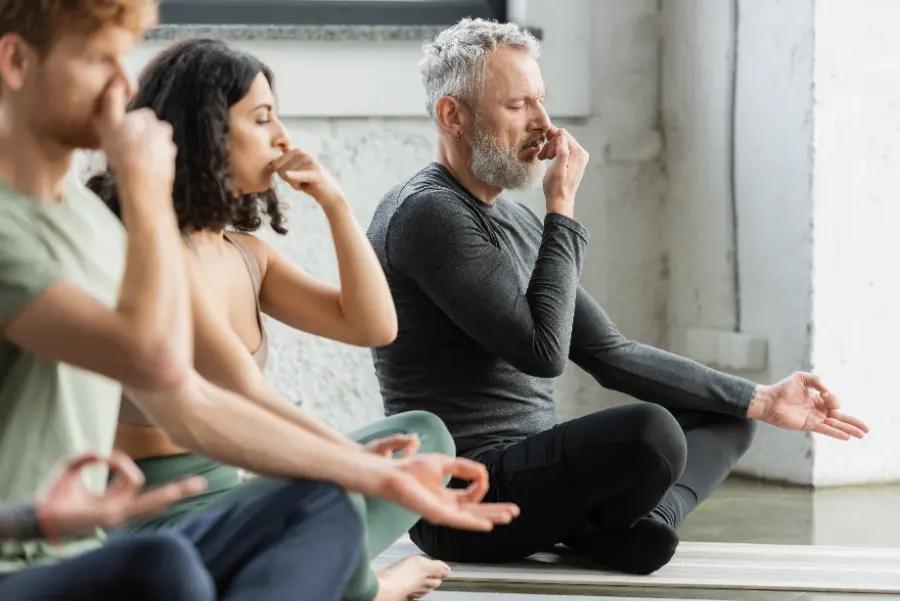
Author and breath expert James Nestor estimates in his 2020 book, Breath, that a huge proportion of people aren’t breathing properly – mouthbreathing, over-breathing, holding our breath when we shouldn’t, and not fully emptying our lungs. This can lead to a host of issues, from poor sleep and anxiety to a weakened immune system.
The popularity of Nestor’s book has ignited great interest in breathing in wellness spaces and led to a surge in pure breathwork classes.
Pranayama yoga is about control of breath, and while breathwork has always been one of yoga’s “eight limbs”, it’s most often combined with physical poses. But with growing interest in mindful breathing techniques, dedicated breath-focused pranayama classes have emerged to meet this demand.
Sessions teach slow, measured, and controlled breathing techniques that research suggests can reduce stress and anxiety and promote better sleep. However, the benefits extend far beyond the classes themselves – helping people “reset” their breathing patterns and correct poor habits, establishing a foundation for conscious breathing in daily life.
4. Yoga for emotional well-being
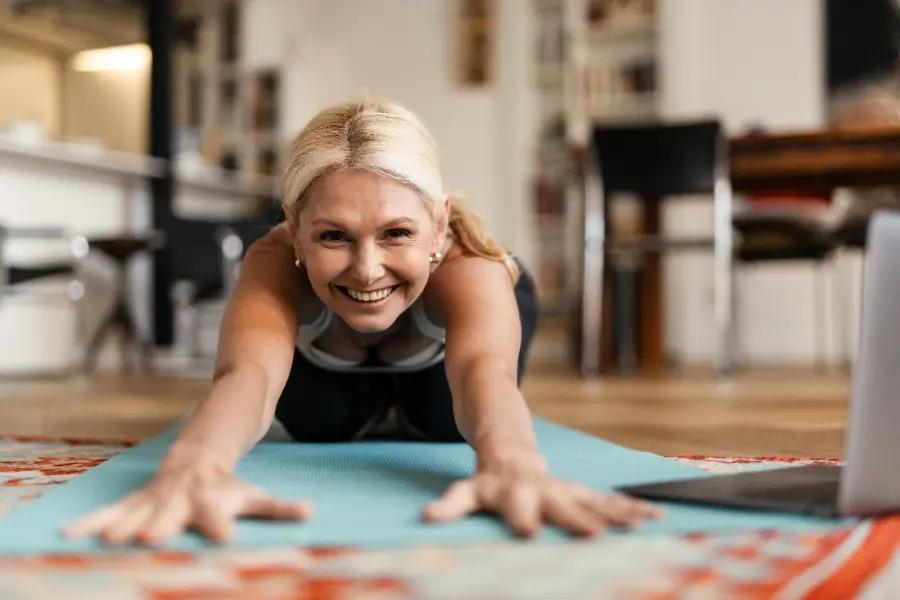
Today more than ever, the intrinsic link between yoga and the mind is felt among those who spend time on the mat. The mental health benefits are huge – from a sharper brain to boosted mood – and many yoga centres offer classes explicitly designed to promote mental relaxation and wellbeing.
While any form of yoga or movement has the potential to enhance wellbeing, yoga classes that promote gentler, slower styles can be particularly beneficial for calming the nervous system and releasing stress. Think Hatha, Restorative, and Yin Yoga.
5. Multisensory yoga
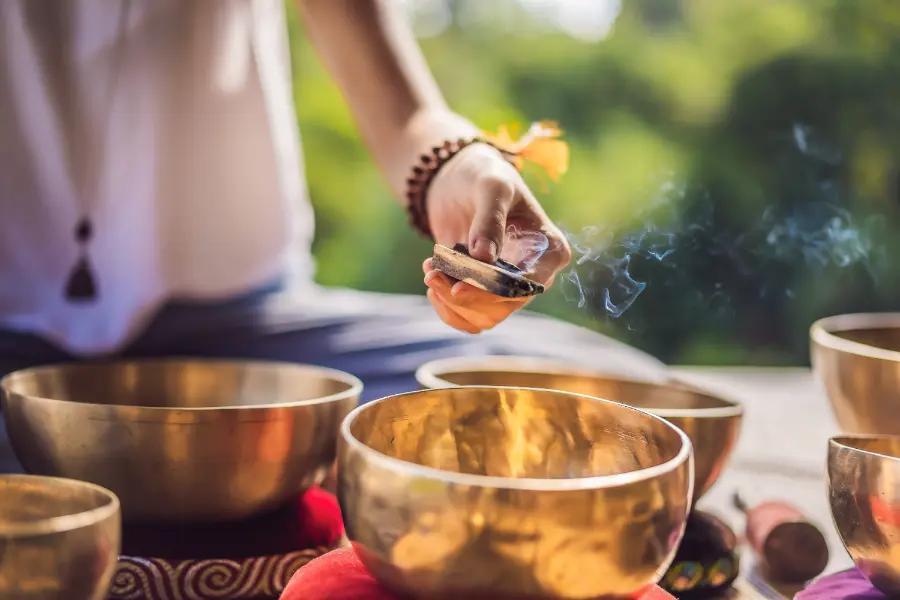
Sound and multisensory yoga experiences have boomed over recent years. During sessions, practitioners will hold a selection of relaxed, restorative poses to a soundscape of gongs, Tibetan singing bowls, chimes, or other instruments.
The vibrations of these instruments are believed to support deep relaxation, stress reduction, and, in some cases, may help people access and release stored trauma in the body.
For example, a recent systematic review of studies on Tibetan singing bowl interventions reported consistent reductions in anxiety and depressive symptoms, increased well‑being, lowered heart rate, and improvements in quality of life among adults.
For those seeking a more multisensory yoga experience, adding projected visuals, aromatherapy, or soft lighting can enhance the atmosphere. There’s some evidence that combining yoga with aromatherapy can help with sleep disturbance. For instance, a study among Chinese female college students found that aromatherapy‑yoga was more effective than yoga alone in improving certain aspects of sleep quality.
It’s relatively easy to create a multisensory version of this at home – using your own scent diffusers or candles, playing a curated soundtrack, dimming lights, or using soothing visuals. But many yoga studios now offer in-person multisensory classes, so if that style resonates more with you, it’s worth checking out offerings at local yoga centres.
6. Sustainable practice
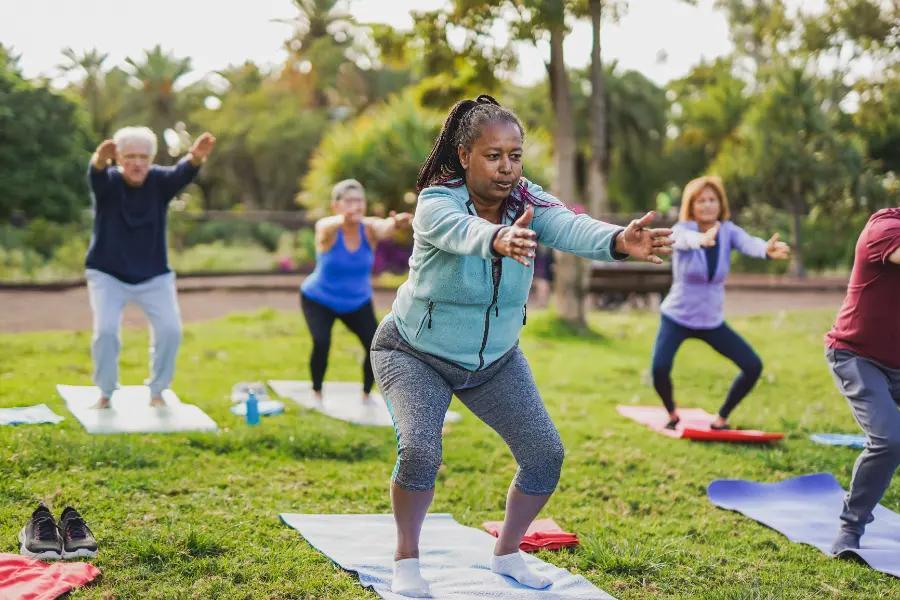
With more people becoming concerned with overconsumption, materialism, the climate, and fast fashion, a growing desire for something pared-back and sustainable has emerged.
Brands are striving to meet those needs, and you can now find a wonderful range of eco-friendly and sustainable yoga gear that allows you to reduce your footprint without compromising your practice.
From biodegradable mats to yoga blocks made from recycled fabrics and clothing made sustainably, it’s never been easier for yogis to be kind to the planet. Check out Yoga Matters and BAM for a couple of examples.
7. Yoga retreats
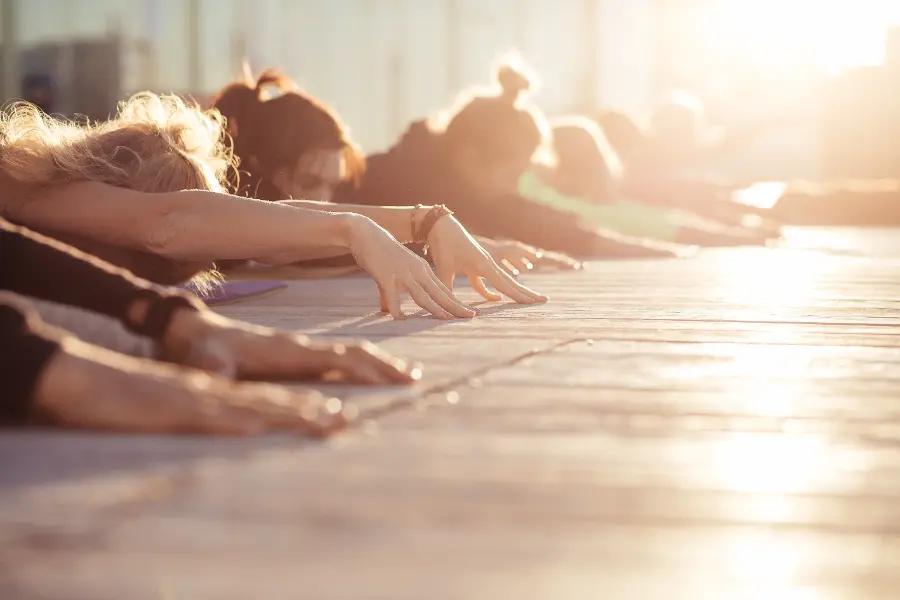
Yoga retreats and wellness tourism have long been popular, with famous destinations including India and Bali. But in recent years, this popularity has accelerated. In our increasingly fast-paced world, more people are seeking holidays that allow them to truly switch off.
Rather than lying by a pool, doomscrolling, people are choosing to unplug from all that’s digital and reconnect with themselves. And good for them; yoga retreats are a wonderful way to unwind and do something different. With yoga resorts offering a huge daily timetable of classes, guests can try various yoga types to find what works best for them.
A yoga retreat is also a superb way to kick-start a yoga habit that might need some encouragement, and if you participate fully, you could see a great improvement in your practice after just a week.
You can find fantastic retreats worldwide on the BookRetreats website.
Final thoughts…
As you can see from these current trends, yoga continues to evolve, offering fresh ways for people of all ages and abilities to engage with this ancient practice. Whether you’re drawn to the precision and novelty of AI-enhanced yoga, the accessibility and gentleness of chair yoga, or the serenity of a multisensory experience, there’s a yoga trend to suit every need and lifestyle.
However you choose to explore yoga, the core benefits remain universally healing and profound, creating lasting positive change. And while it’s often fun and interesting to try new things, you don’t need to follow the latest yoga trend to reap its rewards – any consistent practice, whether it’s a traditional flow or a modern twist like pure pranayama, can offer transformative health benefits.
So roll out your mat, warm up properly, and explore whatever sparks your curiosity…or stick with whatever feels right for you. Your body and mind will thank you for it.
For further reading, head over to our fitness and exercise section.
Have you tried any of these types of yoga? If so, which ones and how did you find them? We always love to hear your opinion in the comments below.
Dee Murray is a freelance journalist and copywriter, and a lifestyle writer for Rest Less. After graduating from DIT Dublin with a degree in Scriptwriting and the University of Sussex with an MA in Creative Writing, Dee began writing for experience and adventure companies. She then founded Ryanair’s first travel blog, which she managed and wrote for for five years. She writes about a range of topics but most often about travel and adventure or women’s interests. She also has a keen interest in behavioural psychology, mental health, and nutrition and wellness. When she’s not writing, you can find her in the woods with her dog Boudicca, playing piano (poorly), or tending to her plants and vegetables.
* Links with an * by them are affiliate links which help Rest Less stay free to use as they can result in a payment or benefit to us. You can read more on how we make money here.
Join the discussion
Read our full commenting terms and guidelines