
- Home
- Health
- Healthy Mind
- It’s never too late to join a friendship group – here’s how to get started
Sponsored content

When we’re young, making friends can seem almost effortless. School, university, jobs, and busy social lives mean we’re around the same people day after day. Later in life, however, those built-in opportunities can be more difficult to come by. Friends move away, relationships change, and retirement removes the everyday contact that work once provided.
If your social circle has become smaller, it doesn’t mean you’ve missed your chance. New friendships can begin at any age – but as adults, we sometimes need to create opportunities to meet people, rather than waiting for them to come along.
To celebrate Friendship Month this September, we’ve partnered with the Oddfellows, a not-for-profit friendly society with local friendship groups across the UK. Its branches organise regular social events, from walks and talks to quizzes, afternoon teas, and days out, offering a relaxed way to get to know people in your local area.
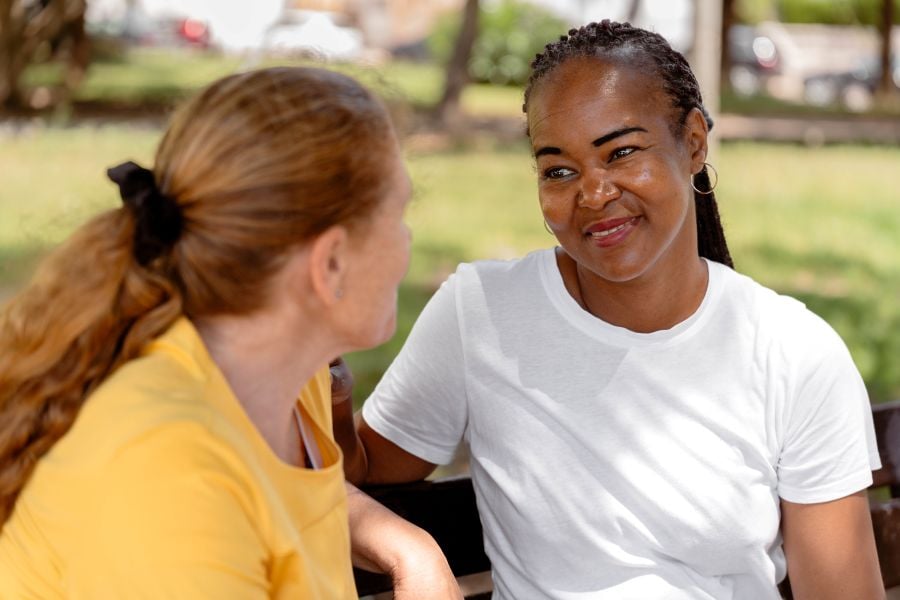
Why making friends can feel more difficult later in life
Many of the friendships we form earlier in life grow out of regular, unplanned contact. We might sit next to someone at work, see the same parent at the school gates, or keep bumping into a chatty neighbour. In these situations, familiarity builds before either person has to make an intentional first move.
But in our later years, our day-to-day lives might be more independent, and our routines less likely to bring us into contact with new people. The idea of ‘starting again’, or putting yourself out there, can also feel strangely exposing. Turning up to a group alone, or asking an acquaintance to meet for coffee, can make even the most confident person feel like the new kid at school.
More often, friendships grow gradually. Someone you recognise becomes someone you chat to, then eventually someone you choose to spend time with. So, if you decide to go to a meeting or event, try not to put pressure on yourself to come away with a new best friend. For now, it’s enough to meet a few people you enjoy chatting to and would like to see again.
1. Look for regular contact, not instant chemistry
A lively conversation with a stranger can be lovely, but lasting friendships usually grow through seeing the same people regularly. That’s why events like a weekly walking group, choir, class, or coffee morning are often more promising than a one-off occasion.
It’s best to choose an activity you’d genuinely enjoy, even if it takes time to make friends. Having something to do also takes some of the pressure off, as you’ll already have an obvious subject to talk about. And because you’re there for something you already enjoy, it won’t feel like a wasted trip if you don’t immediately click with anyone.

Circle September for new friendships
Friendship Month is the perfect time to make new connections. Try a local Oddfellows friendship group this September. Add a taster event to your diary – you never know who you might meet.
2. Start with what genuinely interests you
You don’t need to take up the latest hobby or reinvent yourself to join a group and meet new people. Instead, think about the things you already enjoy – or something you’ve always fancied trying. That could be live music, games, crafts, quizzes, history, walking, volunteering…or simply chatting over a cup of tea.
A shared interest won’t necessarily lead to friendship, but it gives you something to talk about straight away. You could ask someone how long they’ve been coming to the group, what they thought of the speaker, whether they’ve read anything good lately, or if they can recommend another local walk. It doesn’t have to be a particularly memorable conversation; you’re just breaking the ice.
3. Make your first visit as easy as possible
If you’re thinking about attending a group, class, or event but the thought of walking into a room full of strangers feels intimidating, why not contact the organiser beforehand and let them know you’re new? Ask what to expect, how many people usually attend, and whether someone can greet you when you arrive. Most groups are used to welcoming newcomers and will be happy to help you settle in.
For your first visit, you could choose a shorter event, or ask a friend to come with you. During Oddfellows’ Friendship Month this September, local branches host taster events, giving you the chance to see what they’re like before deciding whether you’d like to get more involved. If you’d rather ease yourself in from home, you can also join one of Oddfellows’ online events or open days.
4. Give it a little time
Try not to be discouraged if you attend a weekly group, class, or event, and the first meeting feels a little awkward. You might arrive on an off-day, the people you’d have most in common with might not be there, or perhaps everyone else simply seems more relaxed because they’ve been coming for a while.
Unless you feel genuinely uncomfortable, try going two or three times before deciding if the group is right for you. The second visit is often easier than the first; familiar faces are easier to approach, conversations pick up where they left off and, over time, you may begin to feel part of the group.
Of course, not every group will be the right fit – and that’s fine. If it doesn’t feel right after a few visits, try somewhere else. You might need to try a few different groups before finding one you enjoy.

Circle September for new friendships
Friendship Month is the perfect time to make new connections. Try a local Oddfellows friendship group this September. Add a taster event to your diary – you never know who you might meet.
5. Think about who you already know
Building a friendship group doesn’t always mean starting from scratch. Some of the strongest friendships begin with people who are already on the edges of your life: a neighbour, a former colleague, a fellow volunteer, someone from an exercise class, or a friend of a friend.
If you enjoy chatting to someone, why not look for a simple reason to spend more time together? You could suggest grabbing a coffee after a class, walking to the station together, or sitting next to each other the following week. Keeping the invitation specific and low-key often works better than saying, “We should meet up sometime.” After all, it’s easier to say yes to a plan than to a vague idea.
You could also ask someone you already know to try something new with you. If you’re looking for somewhere to start, groups like Oddfellows offer everything from coffee mornings and quizzes to walks, talks, and days out, so it’s easy to find something you’d both enjoy.
6. Be willing to make the first move
One of the awkward things about making friends as an adult is that everyone seems to be waiting for the other person to make the first move. If someone turns down an invitation, try not to assume they’re not interested. They might genuinely be busy, or simply have a lot on right now. If you’d like to get to know them better, it’s worth asking again another time.
And if someone invites you to something, try to say yes when you can. You don’t have to say yes to everything, but accepting when you can gives friendships the chance to grow and moves a relationship beyond small talk. Sometimes a coffee after a class, a walk through the park, or a shared journey home is all it takes for an acquaintance to become a friend.
7. Let the friendship grow naturally
There’s no need to rush things or tell someone your life story the first time you meet. It’s often best to start with small conversations, ask questions, and share a little more about yourself as you get to know each other.
If someone mentions a family visit, a holiday, or an upcoming appointment, why not ask them how it went the next time you see them? Remembering those little details shows that you were listening and that you’re genuinely interested in them as a person.
Reliability matters, too. Try to turn up when you say you will, reply to messages and, if you need to cancel, suggest another time. These things might seem small, but they show someone that you value their friendship.

Circle September for new friendships
Friendship Month is the perfect time to make new connections. Try a local Oddfellows friendship group this September. Add a taster event to your diary – you never know who you might meet.
8. Try not to expect one person to be everything
A good friendship group doesn’t have to be one close-knit circle where everyone knows each other. You might have one friend you enjoy walking with, another you call when you need a chat, and a wider group you see at events.
Having different friendships can take the pressure off individual relationships and give you more opportunities to socialise. It also opens the door to friendships with people of different ages, backgrounds, and interests. You might even find that the person you click with most isn’t who you expected.
There’s more to Oddfellows membership than social events, too. Members can access care and welfare guidance, dedicated Citizens Advice support, volunteering opportunities, member offers, and hosted group holidays. So while many people join for the social side, membership also offers practical support if it’s ever needed.
If you're shy or have lost confidence
It’s not unusual for social confidence to take a knock – particularly after bereavement, illness, retirement, a move, or a long period spent by yourself. But feeling nervous about attending a group, class, or event doesn’t mean you’re bad at making friends; you might simply be out of practice.
Rather than putting pressure on yourself to have a wonderful time, try to keep your first visit simple. Stay for half an hour, introduce yourself to the organiser, or chat to one new person. You don’t need to be the most outgoing person in the room. Asking a few questions and really listening is often enough to get a conversation started.
It can also help to arrive a little early, before everyone’s settled in. And if you’re feeling conspicuous as a newcomer, remind yourself that you’re probably far less noticeable than you feel. Remember that many of the people who seem completely at ease were once new too.
Finding an Oddfellows group near you
With local branches across the UK, Oddfellows runs face-to-face and online events throughout the year. You can search for a group near you, join an online open day, or request a free information pack with details of what’s happening in your area. There’s never any obligation to become a member, so you can explore what it’s all about before deciding.

Circle September for new friendships
Friendship Month is the perfect time to make new connections. Try a local Oddfellows friendship group this September. Add a taster event to your diary – you never know who you might meet.
Final thoughts…
Making new friends later in life takes time. It usually begins with something small: sitting beside the same person at a coffee morning, chatting after a class, or recognising a familiar face when you return to a group. If you keep turning up, you might find that an acquaintance soon becomes someone you genuinely look forward to seeing.
If you’ve been thinking about putting yourself out there, Oddfellows’ Friendship Month is a good reason to give it a try. Throughout September, local branches are holding social events across the UK, alongside free online sessions for those who’d rather join in from home. Everyone is welcome.
Remember that often, the most difficult part is simply walking through the door…but you never know who you might meet once you do.
Selene Nelson is an author, freelance journalist, and lifestyle writer for Rest Less. After graduating from the University of Sussex with a degree in English Literature, Selene began contributing to many major newspapers and websites, and has written for the BBC, The Sunday Times, The Independent, Town & Country, and HuffPost. Her specialist subjects include food, travel, and health, though she enjoys writing about a wide range of topics (e.g. her two books are about veganism and psychopathy, respectively!). She enjoys cooking (particularly pasta and Asian noodle soups), reading, travelling, hiking, attempting to keep fit, and watching animal videos on YouTube.
* Links with an * by them are affiliate links which help Rest Less stay free to use as they can result in a payment or benefit to us. You can read more on how we make money here.