- Home
- Health
- Healthy Mind
- Sharper mind, stronger friendships – 6 benefits of playing bridge
Sponsored content
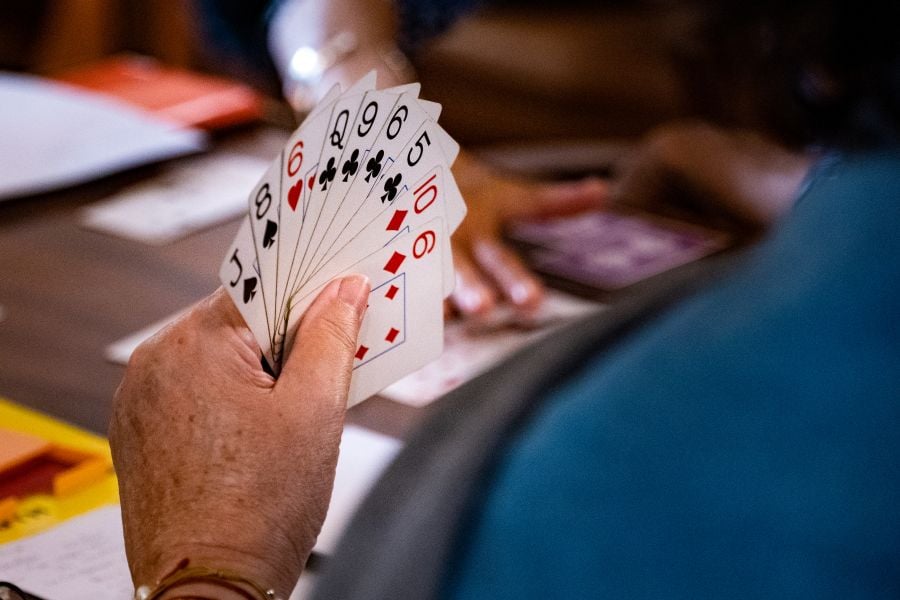
For many of us, the best hobbies aren’t just enjoyable; they’re also mentally stimulating, boost our wellbeing, and allow us to meet new people. If that sounds appealing, you might want to consider trying bridge.
While some people assume bridge is difficult to learn – or only for experienced card players – the truth is that it’s a game anyone can pick up. Often described as the ultimate mind sport, it’s played by millions of people worldwide and combines strategy, teamwork, communication, and problem-solving in a way few other hobbies can.
To shine a light on the benefits of bridge, we’ve partnered with the English Bridge Union (EBU), England’s national organisation for duplicate bridge (the most common form of competitive bridge). The EBU supports thousands of players through affiliated clubs, competitions, teaching programmes, and resources, and is passionate about helping people of all ages discover and enjoy the game.
So whether you’re looking to keep your mind sharp, make new friends, or simply try something different, here are six reasons why bridge could be the perfect hobby. And to learn to play or find a local club, head over to the English Bridge Union website using the button below.
1. It keeps your mind active
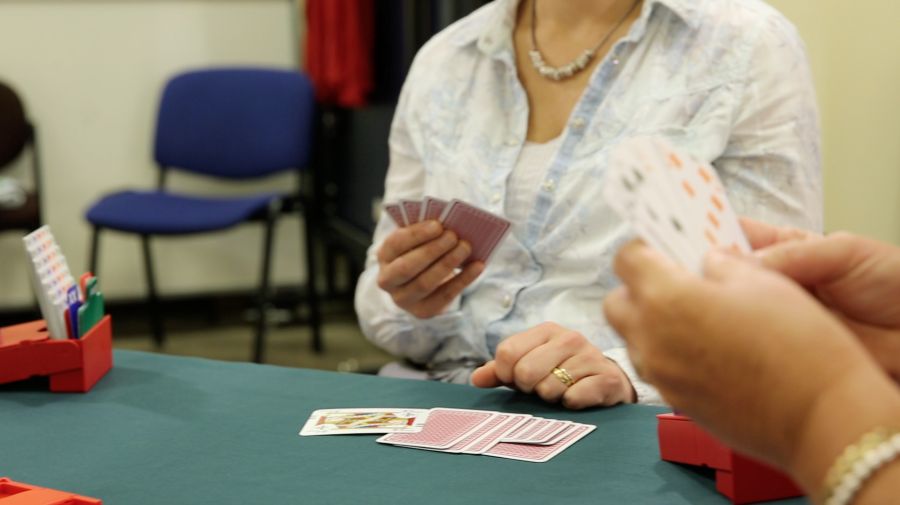
Bridge is much more than a card game. You’re constantly asking yourself questions: which cards is my partner likely to be holding? What does that bid tell me? Should I play safely, or take a calculated risk? Every hand offers a new puzzle that requires you to focus, think strategically, remember what’s already been played, and adapt your plan as new information emerges.
Unlike many card games, success isn’t simply down to the hand you’re dealt. In duplicate bridge, every table plays the same hands, so the outcome depends far more on the decisions you and your partner make than on luck. It’s this emphasis on skill, communication, and problem-solving that’s earned bridge its reputation as one of the world’s leading mind sports.
While no single activity can prevent cognitive decline or dementia, research suggests that mentally stimulating hobbies help build cognitive reserve – the brain’s ability to cope with age-related changes and keep functioning effectively. Some studies have found that people who regularly take part in intellectually stimulating activities are more likely to maintain their cognitive abilities as they age.
2. It's a great way to meet people
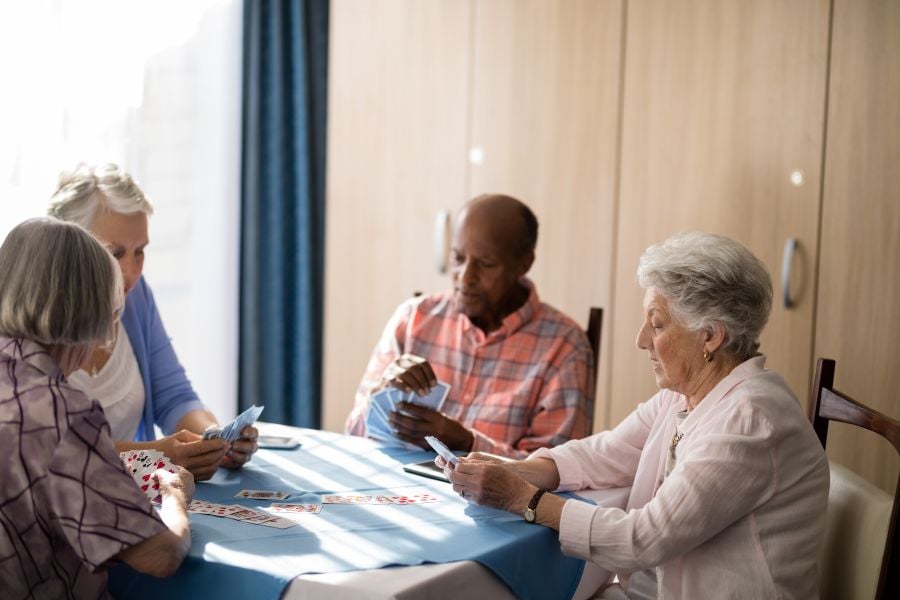
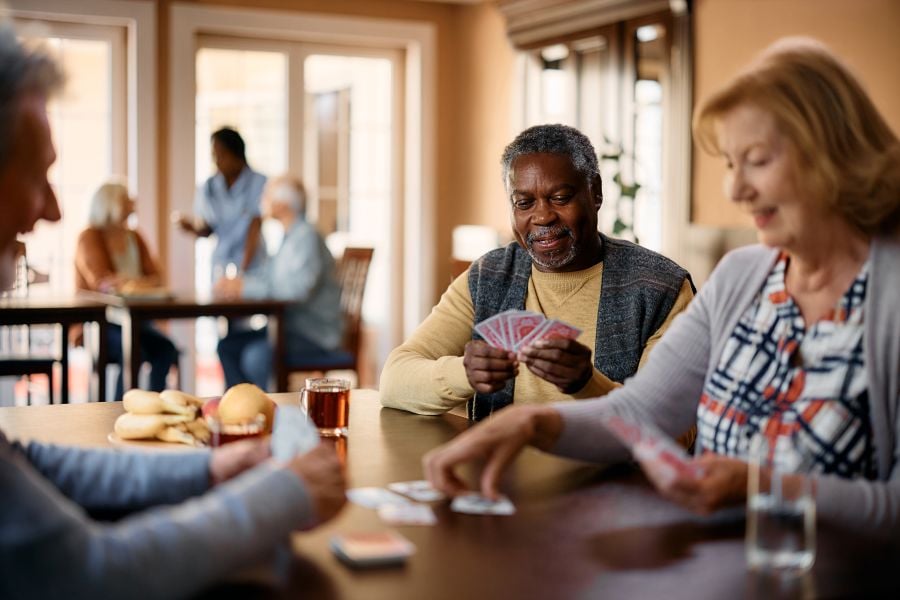
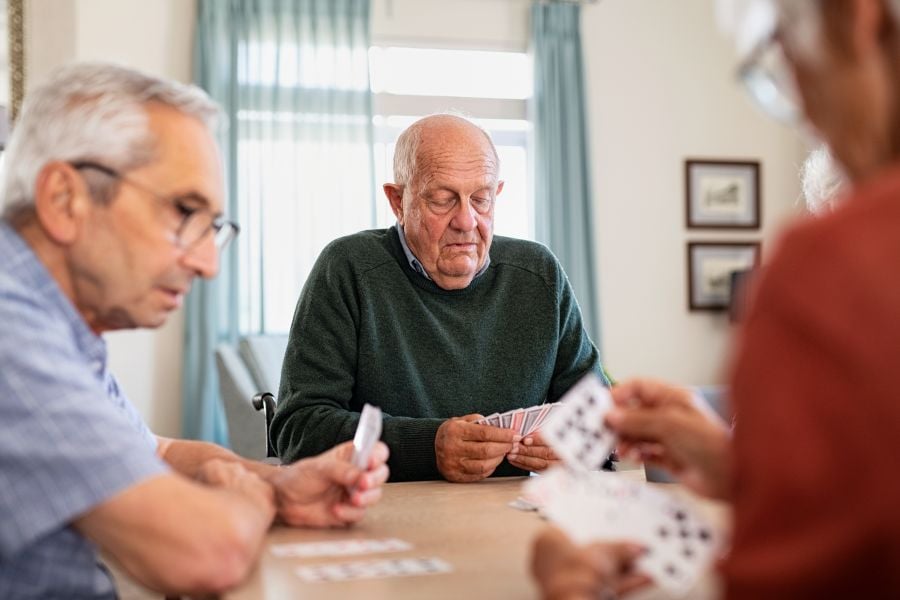
One of the biggest surprises for new players is just how social bridge is. For many players, what starts as a mental challenge soon becomes an important social highlight. Lifelong friendships are formed around the bridge table, and for people who have retired, moved to a new area, or are simply looking to expand their social circle, bridge can be a wonderful way to connect with others through conversation, teamwork, and the shared enjoyment of solving problems together.
Whether you join a local club, take lessons, or play in competitions, you’ll quickly become part of a warm and welcoming community. Because bridge is played in partnerships, it’s easy to strike up conversations and get to know new people. Most clubs also organise social events, friendly competitions, and beginner sessions, making it easy to settle in, whatever your experience level.
The social side of bridge may also have wider benefits. Research consistently shows that maintaining strong social connections is associated with better mental health and healthy ageing, while loneliness and social isolation are linked to worse physical and mental health.

A hobby that keeps giving back
Bridge is a game you’ll never stop learning.
Every session brings new challenges, new strategies and new opportunities to improve, all while spending time with welcoming people who share your love of the game.
Find out why so many people love playing bridge.
3. You can play almost anywhere
Unlike many hobbies, bridge can fit around almost any lifestyle. Whether you prefer meeting people face to face or playing from the comfort of your own home, there are plenty of ways to enjoy the game.
Some people start by taking lessons at their local bridge club before joining social sessions; others enjoy playing with friends and family around the kitchen table. More experienced players, on the other hand, might choose to take part in county or national competitions. There’s no ‘right’ way to play; you can make the game as relaxed or as competitive as you like.
If getting out isn’t convenient, bridge is just as accessible online. Many clubs offer both in-person and online sessions, making it easy to stay involved whether you’re travelling, have mobility issues, or simply prefer playing from home. Better still, it’s typically very affordable, with regular club sessions for members often costing as little as £3. To find your nearest club, head over to the English Bridge Union website below.
4. The learning never stops
Aside from the convenience and social connections, one of bridge’s biggest draws is that no matter how long you’ve been playing, there’s always something new to learn. The basic rules are surprisingly straightforward, so most people can start enjoying the game after just a few lessons. But while bridge is easy to learn, it’s a game that can take a lifetime to fully master.
One of the pleasures of bridge is realising you’re becoming a better player. The bid that confused you six months ago suddenly makes sense, while situations that once felt overwhelming become familiar. That sense of continual progress is rewarding in itself – and research suggests that learning new skills throughout life can boost confidence and provide a powerful sense of purpose.
Bridge is a perfect example of lifelong learning in action. There isn’t a point where you’ve ‘completed’ the game or know everything there is to know. Ask regular players what keeps them coming back, and many will give the same answer: no two games are ever alike.
5. It can boost your overall wellbeing
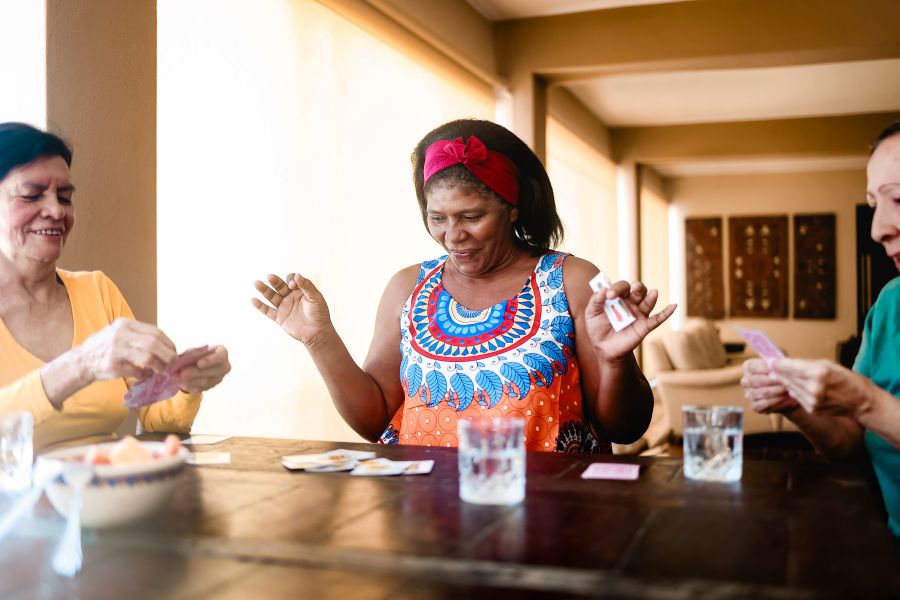
For many players, bridge is so much more than a weekly game; it becomes something to look forward to, a reason to leave the house, spend time with friends, and become completely absorbed in a fun challenge. It’s no surprise that many players describe bridge night as the highlight of their week.
Research carried out by the University of Stirling found that bridge players reported higher levels of subjective wellbeing than non-players. Many spoke about the sense of purpose, routine, and connection the game had brought to their lives. With clubs often meeting on the same evening each week, bridge provides a regular opportunity to socialise, learn, and be part of a community.
That’s a big reason why so many people continue playing for decades. Bridge offers something that’s becoming increasingly rare: the chance to be fully present, solve problems with a partner, and enjoy meaningful time with other people. Together, those simple experiences can make life feel richer, more connected, and more rewarding.

Challenge your mind. Enjoy every game.
Bridge offers something new every time you play.
Every hand is a fresh challenge that develops strategic thinking, decision-making and concentration, while regular games provide a fun way to stay socially connected.
Whether you’re completely new or returning after years away, there’s a place for you.
6. It's never too late to begin
Thousands of people discover bridge in later life, and it’s never too late to get started. Beginners’ courses are designed for complete newcomers, so there’s no expectation that you’ll know the rules or have any previous experience.
One of the joys of bridge is that everyone starts in the same place: learning the basics, making mistakes, and gradually growing in confidence. Every experienced player was once a beginner, and before long, you’ll be sitting down to play with confidence and wondering why you didn’t give it a go sooner.
Whether you’re hoping to exercise your brain, meet new people, or simply discover a hobby you’ll still be enjoying years from now, there’s never a wrong time to start.
Final thoughts…
Bridge is unusual because it combines intellectual challenge with genuine human connection. Few hobbies continue rewarding you in quite so many ways, whether you’ve been playing for six weeks or 60 years.
If you’d like to give it a try, the English Bridge Union can help with finding beginner-friendly lessons, online learning resources, and a network of welcoming clubs across England, making it easy to get started wherever you live.
All you need is a willingness to learn…and you might soon discover a hobby that will challenge, inspire, and reward you for years to come.
Selene Nelson is an author, freelance journalist, and lifestyle writer for Rest Less. After graduating from the University of Sussex with a degree in English Literature, Selene began contributing to many major newspapers and websites, and has written for the BBC, The Sunday Times, The Independent, Town & Country, and HuffPost. Her specialist subjects include food, travel, and health, though she enjoys writing about a wide range of topics (e.g. her two books are about veganism and psychopathy, respectively!). She enjoys cooking (particularly pasta and Asian noodle soups), reading, travelling, hiking, attempting to keep fit, and watching animal videos on YouTube.
* Links with an * by them are affiliate links which help Rest Less stay free to use as they can result in a payment or benefit to us. You can read more on how we make money here.