

- Home
- Health
- Healthy Mind
- 6 things to leave behind in 2026
How does Rest Less make money
We make money through advertising and commission from affiliate links, which enable us to offer Rest Less as a free service to our users. The content on this page may use affiliate links, which track traffic from our website to a third party provider and enable us to receive a commission or payment from any traffic we refer.
* Affiliate links on this page have an * next to them. We place enormous importance on our editorial independence and the integrity of our content which means that we will never change how we write about something as a result of an affiliate link.
By now, you may well be tired of hearing the phrase ‘New year, new me’. Popular culture has long encouraged us to believe that January 1st is a signal to reinvent ourselves and set ambitious goals. And while striving to be better is generally positive, the pressure we put on ourselves to overhaul our entire lives, as if overnight, usually isn’t.
Maybe you plan to become a vegetarian, exercise every day, read 50 books, change careers, move to the seaside, and complete all your untouched craft projects. Yet, piling on too many resolutions at once can set us up for the familiar cycle of enthusiasm, burnout, and guilt, leaving us feeling worse than when we started.
So, instead of asking ourselves to become entirely new people by February, what if we focused on something more manageable – and perhaps more meaningful – such as considering what we could gently release?
Sometimes, the most transformative thing we can do isn’t to become someone different, but to let go of the habits, mindsets, and obligations that no longer serve the person we already are. Plus, in doing so, we may feel more naturally driven and motivated towards our goals.
With that said, here are six things to leave behind this year.
Advertisement
Whether you’re looking to clear some space, make a bit of extra money, or simply let go of things you no longer need, Vintage (formerly Vintage Cash Cow) makes sure your belongings find a new home and nothing goes to waste or landfill.
They accept a wide range of items including jewellery, watches, cameras, coins, medals, and more – with no cost or obligation to you.
1. The need to be “ready”

Waiting to feel “ready” to create positive change in your life is often just a form of procrastination. We may tell ourselves that we’ll leave a relationship we feel is no good for us or finally make that house move we’ve been dreaming of when the time is right. And while sometimes there are valid reasons to press pause, often we’re just delaying the happiness that could be waiting for us.
Not so long ago, I lived with a difficult flatmate who turned our home from a sanctuary into somewhere I actively avoided. With almost a year left on my tenancy agreement, I spoke to friends about sticking it out, rather than trying to move. That was, until one friend said, “But why stick it out if you don’t have to – do you know how much happiness could be had in a year?”
I realised she was right and struggled to let those words go, so I fought my way out of my contract. Months later, I’m so happy I did, as my home is now my sanctuary again.
So, if you’re waiting for the perfect conditions to take action, ask yourself what’s the worst thing that could happen if you act now. And what’s the best thing that could happen if it all works out?
2. People who want the old you

Many people fear change, not just in themselves but in others, as it’s more comforting for things to stay the same. So you might be met with resistance from some people in your life when making positive changes – especially if it forces them to reflect on their own lives and recognise changes they want to make and aren’t ready to pursue.
If this sounds familiar, it’s important to remember that any issues they have are linked to them, not you. You don’t need to justify your growth or defend your choices. It’s okay to say things like “I appreciate your concern, but this is what’s right for me right now” and then change the subject or step back from the conversation.
Of course, it’s also a good idea to distinguish between resistance to change and genuine concern. The difference is that genuine concern comes with curiosity and support (“Are you sure? How can I help?”), while resistance to change often comes with judgment and pressure to stay the same (“You were fine before, why change now?”).
In some cases, some people may just need time to adjust to the new version of you. But if someone consistently undermines your growth, drains your energy, or makes you feel guilty for changing your life for the better, it could be time to reduce contact or let that relationship fade naturally.
Instead, try to spend time with people who support, encourage, and celebrate your growth. These relationships will usually energise you rather than drain you.
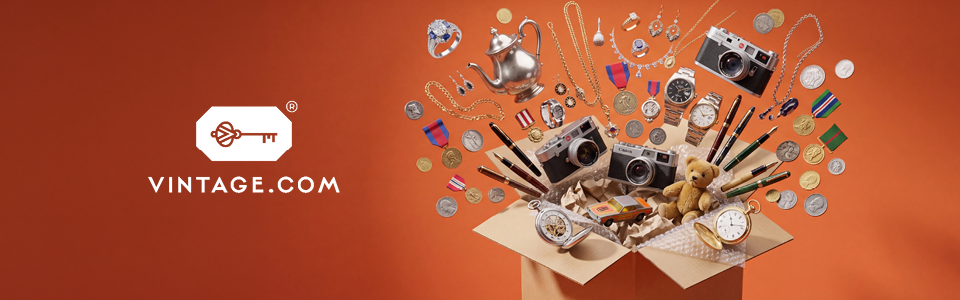
The simple, one-box selling solution
Put old electronics, jewellery, watches and more in one box. Send it to Vintage.com (formerly Vintage Cash Cow) for free and receive one fair offer.
3. Negative self-talk

For many of us, the biggest obstacle standing between where we are and where we want to be isn’t lack of talent or opportunity, but the voice in our head telling us we aren’t good enough.
These self-deprecating thoughts can convince us we don’t deserve the things we want, leading us to give up before we’ve really begun. We might talk ourselves out of opportunities, relationships, and dreams because we’ve already decided we’ll fail. But what if 2026 was the year you finally silenced that inner critic?
Start by flipping the script. When you catch yourself thinking “but what if I fail?”, pause and ask instead: “but what if I succeed?” This simple reframe can be surprisingly powerful.
Self-belief doesn’t just feel better; it can actually change your behaviour. When we trust ourselves, we tend to work harder, think more creatively, and persist through setbacks. We bounce back from disappointments faster because we see them as temporary obstacles, not proof of our inadequacy.
We’re far more capable than your inner critic wants us to believe, and the only way to prove that voice wrong is to start trying. Our list of 7 ways to conquer self-limiting beliefs can help with this.
4. Clutter
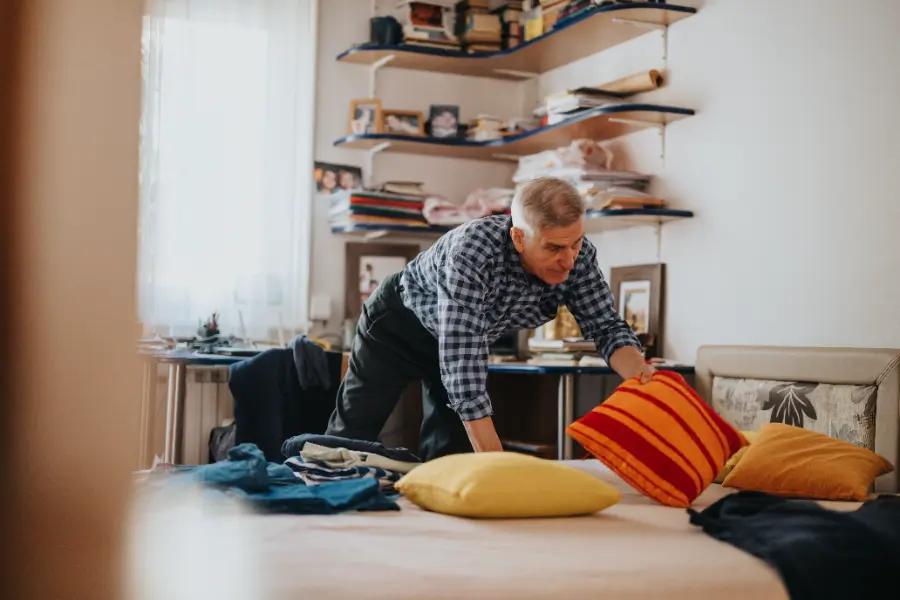
A cluttered living space can affect our energy, peace, and productivity because, whether we realise it or not, our belongings make demands on us. That guitar in the corner of the room that you’ve been meaning to play since 2010, that bookshelf full of books you may never read again, and every kind of kitchen gadget you can think of stacked in cupboards.
Often, clutter is tied to ‘ideal’ versions of ourselves; the person who plays guitar regularly, the avid reader, the organised home chef. So, when our current reality doesn’t match those aspirations, these objects can become quiet reminders of who we thought we’d be by now, triggering feelings of disappointment or inadequacy.
Letting go of clutter isn’t just about creating physical space. It’s about releasing yourself from the pressure of these unrealised identities and making room for who you actually are right now. You might discover that clearing out items that no longer serve you creates space, both literally and emotionally, for what truly matters.
Oftentimes, a cluttered living space can also equal a cluttered mind, making it more difficult to think clearly and relax. Plus, having to repeatedly dig through cupboards or drawers to find what you want to use before putting it all back again can be frustrating and draining.
So why not start the year by decluttering, even if it’s just one drawer at a time? Our article, How to declutter and reorganise your home has some tips to help you get started.
5. Perfectionism

Perfection can be positive, as it can motivate us to strive for the best. But it can also lead us to give up on imperfect tasks early, miss out on celebrating our achievements because they simply “aren’t good enough”, and never feel content with what we have, due to a feeling that it could be better.
To caveat this, it can help to start recognising our perfectionistic tendencies and seeing them as an illusion; something that doesn’t actually exist. It can also help to practise affirmations like “I’ve done enough” to help you recognise when it’s time to stop and protect your energy.
Try to focus on aiming for progress over perfection. For example, if you set off on a non-stop 5K run but have to stop a couple of times to catch your breath, remember that, regardless of how many times you stopped, you completed the distance, and that’s something to be celebrated. With time and consistent effort, you may not feel like you need those breaks – but until that time, why not focus on simply moving your body and enjoying some fresh air?
6. The idea that you can’t ask for help

Many of us have internalised the belief that true success means doing everything ourselves and asking for help is somehow a sign of weakness or failure. But this couldn’t be further from the truth.
Asking for help is actually one of the smartest things you can do. It can reduce stress, strengthen social connections by allowing others to support us (and people often genuinely want to help), and expose us to new perspectives and ideas. It can also allow us to learn from other people’s experiences and mistakes, helping us make progress faster and avoid unnecessary setbacks.
Think about the most successful people you know – they didn’t get there alone. They had mentors, collaborators, supporters, and advisors. They knew when to reach out and weren’t afraid to say, “I need help with this.”
So in 2026, try to let go of the myth that you need to figure everything out by yourself. Asking for help isn’t admitting defeat: it’s demonstrating wisdom, self-awareness, and the kind of resourcefulness that actually leads to success.
Final thoughts…
This year, instead of piling on pressure to transform yourself overnight, consider the freedom that comes from letting go. By releasing the habits, mindsets, and obligations that weigh you down, you’re not giving up on growth – you’re making space for it to happen naturally.
You might find that when you stop carrying what no longer serves you, you have more energy for what truly matters. And perhaps that’s the real transformation: not becoming someone new, but becoming more fully yourself.
What will you leave behind this year? Do any of these points speak to you? We’d love to hear from you in the comments below.
Elise Christian is Lifestyle Editor at Rest Less. She joined Rest Less in 2018 after achieving a first class Master’s Degree in Journalism from the University of Kent, and writes across a range of lifestyle topics such as mental health, home and garden, and fashion and beauty. Prior to this, she worked as a freelance writer for small businesses and also spent a year training to be a midwife. Elise spends her spare time going to the gym, reading trashy romance novels, and hanging out with loved ones. She also loves animals, and has a fascination with sharks and tornadoes.
* Links with an * by them are affiliate links which help Rest Less stay free to use as they can result in a payment or benefit to us. You can read more on how we make money here.
Join the discussion
Read our full commenting terms and guidelines