GreenAcres

Sponsored content

Losing a loved one can be a life-altering process. We might know that death is part of life, but that knowledge does little to alleviate the pain, and there’s no easy way to navigate the whirlwind of emotions that accompany grief.

Yet, knowing your loved one won’t be forgotten, and finding meaningful ways to honour their memory, can be comforting. For a long time, visiting graves or lighting candles in a church were the traditional ways to remember someone, but today, people are looking for more personal ways to honour those they loved.

To help you navigate the turbulence of bereavement, we’ve partnered with GreenAcres Living Memorial Parks. Their open, natural spaces are beautiful places to honour loved ones by reflecting on, remembering, and celebrating their lives. Drawing on GreenAcres’ expertise, we’ve pulled together a list of ways you can pay tribute to your loved one, create special new rituals, and come to terms with a loss.

Here are 10 ways to remember a loved one.

To find out more about funeral services and memorials with GreenAcres, you can also visit their website below.

1. Hold a funeral service

Hold a funeral service

A funeral is often the first chance people get to gather together and remember their loved one. Whether burials or cremations, funerals have historically been stressful and expensive to plan – which is why more people are choosing to pre-plan funerals. If you’re questioning the necessity of a formal service, it’s helpful to consider the important role they can play in processing death.

A funeral service provides a public space to acknowledge a loss. When friends and family gather to mourn, the sense of shared grief can help people move past any feelings of denial – and seeing the outpouring of love from others can alleviate the isolation that often accompanies grief. Celebrating your loved one’s life, rather than focusing on their death, can also help you move forward.

There’s a sense of finality about a funeral, too. It can mark the end of a chapter, provide closure, and allow mourners to begin adjusting to their new reality. It’s also important to remember that there’s no one-size-fits-all approach to funerals. Services at GreenAcres are flexible, cater to all faiths, beliefs, and cultures, and the supportive team will work with you to make the right choices for your loved one.

2. Plant a tree

Plant a tree

Planting a tree in honour of a loved one can be a meaningful way to remember them, particularly if they had a green thumb. If you choose to plant a tree in a living memorial park, connecting with nature when you visit can support the grieving process. And, if your loved one is buried there too, there’s comfort in knowing that they’ve been returned to the earth.

At GreenAcres, even if you don’t choose to bury your loved one in a Living Memorial Park, or have their ashes scattered or interred there, you can still honour them by planting a tree. Then, when you want to remember your loved one, you can visit the park, and find peace and healing in nature.

There’s a unique solace in being among life, not death – somewhere alive, breathing, and transitioning with the seasons. Watching a tree grow can be an affirming symbol of your loved one’s lasting legacy, and in a living memorial park, you have the peace and serenity to reflect on their life in a quiet, purposeful way.

3. Make a piece of jewellery in their memory

Make a piece of jewellery in their memory

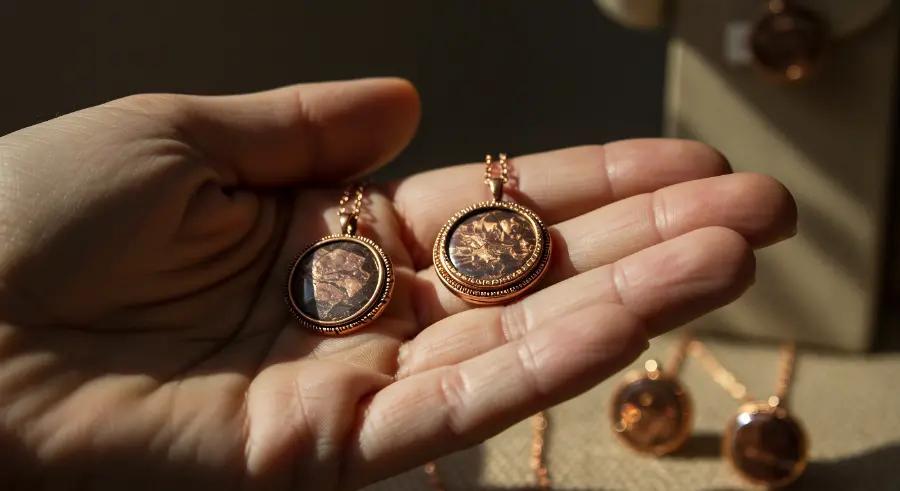
If you’d like to keep your loved one close, you might like to consider getting some jewellery made in their honour. Queen Victoria first popularised ‘mourning jewellery’, famously wearing a brooch that contained a lock of her husband’s hair. While you can still do this, cremation or ashes jewellery is more popular – many jewellers make beautiful, bespoke rings, necklaces or bracelets that hold tiny amounts of cremated ashes.

Cremation jewellery can be a tangible, touchable reminder of your loved one – a literal physical reminder of their presence. It can keep their memory alive, help you feel connected to them, and be a powerful source of comfort. Cremation jewellery also allows multiple people to keep part of the ashes, so it can help whole families heal.

You can read more about what to do with ashes on GreenAcre’s website.

4. Make a memory box

Make a memory box

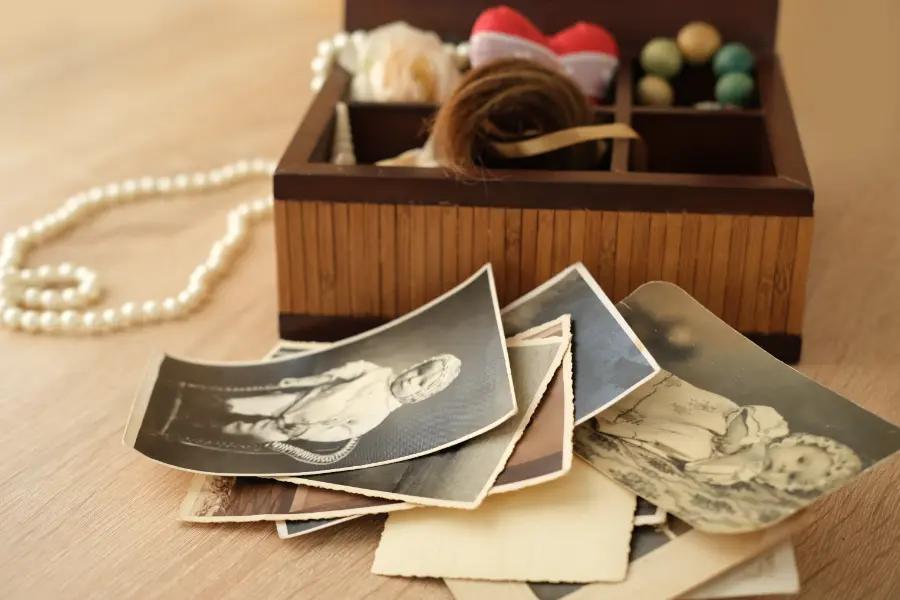
Another way to stay connected to your loved one in a personal, tangible way is to make a memory box in their honour. These hold items that have deep emotional meaning: photos from special occasions, items of clothing, handwritten notes, a ticket stub from a shared experience. These items help tell the story of your loved one’s life, offer comfort and connection, and thoughtfully preserve their legacy.

When someone you love dies, it can be difficult to make sense of the feelings that follow. Grief can feel overwhelming or abstract, yet being able to open something with your hands and touch meaningful items can feel grounding. Memory boxes are also good ways to keep personal stories alive and share your loved one’s legacy with future generations.

5. Visit their favourite place

Visit their favourite place

Many people find that visiting their loved one’s favourite place can create a sense of connection. Visiting a place that mattered to the person you love – whether a lake, beach, park, or even their hometown – can trigger positive memories and be healing. If it’s a place you used to visit with your loved one, revisiting alone may unlock faded memories, and give you comfort that they won’t be forgotten.

Bear in mind that visiting without your loved one might feel different and painful – but this can be a way to work through grief. Allow yourself to miss them and feel their loss. Even if the place holds no memories for you, visiting can honour who they were and what they loved. It’s a private place to sit with your feelings, a quiet space for reflection. You may find that returning to this special place on their birthday or anniversary can become a healing ritual.

6. Choose a day of remembrance

Choose a day of remembrance

Choosing a day of remembrance for your loved one can be a powerful way to keep their memory alive. After all, grief isn’t linear, so why should the chance for friends and family to come together and reminisce be limited to a funeral? Whether it’s a birthday, anniversary, or another special day, an annual remembrance date can honour your loved one’s life and be a gentle way to revisit your grief and continue healing, no matter how long it’s been.

This doesn’t have to be a sombre event. You can get together with friends and family in your loved one’s favourite restaurant, for example, or go for a walk in their special place. Eat, drink, share stories, laugh and cry together. In time, this can become a family tradition that brings people together, provides a way to express your love, and creates a space to remember your loved one intentionally.

Many people choose to hold a Celebration of Life gathering in the beautiful halls at one of the six GreenAcres Living Memorial Parks.

7. Support a cause they loved

Support a cause they loved

If your loved one was passionate about a particular cause, why not continue to champion it after they’ve gone? This can be a meaningful way to not only honour their values, but also keep their spirit alive through acts of generosity. Turning grief into positive action is a way to create a living legacy, and respect who they were: their values, passions, and enduring hopes for the future.

Donating to charities your loved one supported can be a socially impactful tribute to their memory, but you don’t need to give financially. Volunteering for a worthy cause can be rewarding, too. Grief often feels both helpless and hopeless, but spending time and effort doing something active can be purposeful and inspiring. It can bring hope and healing to others, bring you closer to your loved one, and help maintain their legacy.

8. Write them a letter

Write them a letter

Writing a letter to your loved one is a deeply personal act of remembrance that can also be uniquely cathartic; it’s a way to process your grief and release trapped emotions. It can provide a sense of closure, particularly if there were things left unsaid; maybe you didn’t get the chance to say goodbye, or forgive them for something – or perhaps you need to ask for their forgiveness. You might just want to tell them you miss them.

Whatever you want to say to your loved one, writing a letter can provide a sense of connection. Grief can be confusing, so writing down how you feel can help you organise your thoughts – and afterwards, you might feel like a weight has lifted. You might find it brings about such feelings of clarity and peace that writing a letter becomes a comforting ritual you honour on birthdays, anniversaries, or difficult days.

9. Do their favourite things

Do their favourite things

We all wish we had more time with our loved ones, but one way we can feel like they’re with us is by doing their favourite things. If your loved one had a favourite film they watched repeatedly, why not watch it as if you’re sharing it with them? Music is very evocative, too, so you could make a playlist of their favourite songs and play them whenever you miss them.

Memories associated with smell and taste are also powerful, so you could cook their favourite dishes and remember them that way. You might like to invite a friend over for this, so you can share the food as you share memories – but equally, it might be something you’d like to do alone. If your loved one had a favourite restaurant, why not make a plan to go and enjoy it again?

10. Get creative

Finally, if you have a creative streak, why not use it to express how you’re feeling? You could write a poem, song, or story to express your love or loss. No one ever has to read it, so you don’t need to feel self-conscious; this one can be just for you. If you like painting, why not try to capture your loved one’s likeness? You could also commission a painting or sculpture from a professional.

Some people find that getting a tattoo in their loved one’s memory can help, too. It’s a way of keeping that person close to you forever – so if you’ve always thought about a tattoo, why not think about a design that represents your loved one? You could also make a photo album or scrapbook. Filling it with special pictures and handwritten stories can feel therapeutic, as it’s a visual reminder of your loved one and the fact that they’ll never be forgotten.

Final thoughts…

Saying goodbye is never easy, but there’s comfort in knowing there are many ways to honour our loved ones’ lives – and the ways we remember those we loved can be just as personal as our relationship itself.

Honouring a loved one in a way that feels true to them is important – not just as a way to celebrate their lives, but as a cathartic outlet for our own grief, too. Whether it’s through physical tributes like memorial trees or acts of generosity, these 10 acts of remembrance keep legacies alive and memories cherished.

GreenAcres Living Memorial Parks understand the complexity of grief, and the importance of finding the right place to honour your loved one. Their natural, open spaces offer the peace and privacy to remember those you loved, enjoy meaningful reflection, and celebrate a cherished life well lived.

Every Park holds a free monthly Bereavement Café where you can meet people going through a similar experience. Described as ‘lifeline’ during the grieving, knowing you’re not alone is enormously important at these times. To find out more about how GreenAcres Living Memorial Parks can help support you and your family, head over to their website.