We all have different morning routines to help us feel energised throughout the day. Some people enjoy a dawn jog, while others prefer to savour every possible second of sleep before quickly gulping down a coffee and dashing out the door.

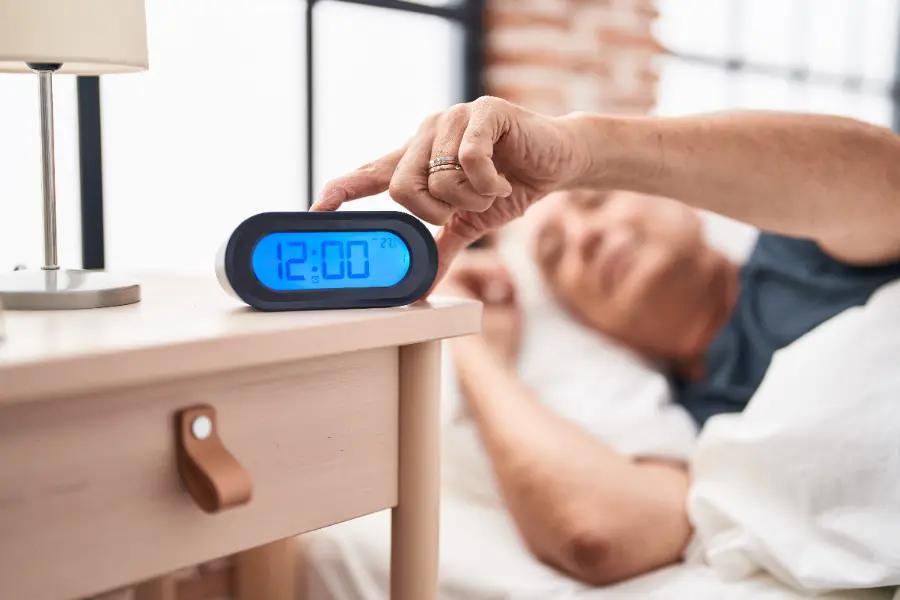
Yet, if you find yourself feeling groggy, confused, or tired in the morning, it might be worth rethinking the very first thing you hear when you wake up: your alarm.

Experts believe that our alarm choice can significantly impact how we feel in the morning. But with so many wake-up sounds on our smartphones, which ones should we choose?

Recently, music and behavioural science experts at audiovisual company Startle put over 140 smartphone alarms to the test to find out. We look at the findings below and explore why alarm choice is so important.

Why is smartphone alarm choice so important?

Why is smartphone alarm choice so important?

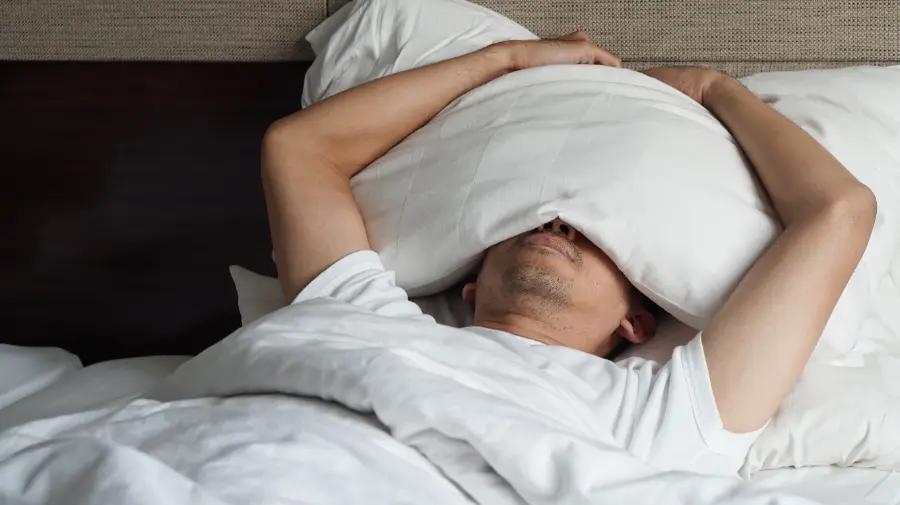
Some alarm sounds can increase feelings of grogginess and confusion upon waking, a phenomenon known as ‘sleep inertia’ – and it can happen even if we’ve had adequate sleep.

“When we wake up, the brain doesn’t switch on instantly like a light,” Dr Ritz Birah, a psychologist and sleep expert at Panda London, says. “Instead, it moves through a gradual and highly coordinated transition from sleep to alertness. An alarm sound effectively interrupts this transition, and the type of sound used can either support a smoother neurological awakening or provoke a stress-based response.”

Sleep inertia usually doesn’t last long – 30-60 minutes – though some researchers report cases of up to two hours. During this time, essential cognitive functions can be impaired, such as decision-making and reaction time. And while alarm choice isn’t the only thing that can cause sleep inertia (things like alcohol and caffeine consumption can play a part), rethinking what sound we wake up to could make a difference.

What smartphone alarms should you choose?

What smartphone alarms should you choose?

Dr Birah explains, “Abrupt, high-pitched, or purely mechanical alarms are more likely to trigger sympathetic nervous system activation, leading to a startle response that wakes the body quickly but leaves the brain lagging behind.

“In contrast, alarms with melodic and rhythmic qualities appear to engage wider cortical networks involved in attention and auditory processing, supporting a more gradual increase in arousal and better cognitive performance in the minutes after waking.”

After analysing scientific evidence, experts at Startle say, “the perfect alarm has a melody you can sing or hum along to, a dominant frequency around 500 Hz or in the key of C5 and is not too fast or too slow (100 – 120 beats per minute is ideal).”

Startle’s study of over 140 alarm tones found that 60% of default iPhone alarms and 26% of Samsung alarms should be avoided if you’re looking to decrease grogginess. But the good news is that a handful of pre-loaded tunes check all the boxes outlined above.

‘Sencha’ was named the best iPhone alarm, with ‘Uplift’, ‘Steps’, and ‘By the Seaside’ also being recommended. And for Samsung users, the study pointed towards ‘Synth Bell’ and ‘Roller Disco’ as good choices.

Should we use smartphone alarms at all?

Should we use smartphone alarms at all?

The smartphone alarms listed above may be the best of the bunch for combating morning grogginess. But the question is: should we be using smartphone alarms in the first place? Some experts say no.

Having our smartphones by our beds can tempt us to scroll when we should be sleeping, but also to hit the snooze button in the morning.

While some people find that snooze buttons help them ease out of sleep, it’s generally not recommended to use them more than once each morning (and ideally not at all). This is because snooze alarms can disrupt the fourth and final stage of sleep, rapid eye movement (REM) sleep, which is important for things like emotional health, memory consolidation, and brain function.

“Ideally, a person has gotten enough sleep that by the time the alarm rings, they are well rested and actually ready to get up,” sleep medicine physician Dr Shalini Paruthi tells CNN – and a few extra minutes of sleep is unlikely to make a big difference if you’re feeling tired upon waking.

So, to remove the temptation to snooze, you might like to choose a dedicated alarm clock that doesn’t have this feature. This article from The Times has some good recommendations. Alongside sound, some use things like lights, vibrations, and even puzzles to get you out of bed on the first attempt. Or you could even try a sunrise alarm clock, which slowly wakes you by simulating dawn with gradually increasing light and soft sounds.

However, if you do want to use your phone, the Sleep Foundation recommends choosing a smart alarm clock app, such as Sleepwave. These can track your sleep cycle and wake you up when you’re in a light state of sleep, thus minimising sleep inertia.

For more guidance on getting a healthy night’s kip, head over to our sleep and fatigue section. Here, you’ll find sleep tips, mattress recommendations, fun facts, and more.

Which alarm sound do you use? Has this article inspired you to try something different? We’d love to hear from you in the comments below.