
- Home
- Leisure & Lifestyle
- Art & Culture
- 7 reasons to give opera a chance (even if you think it’s not for you)
How does Rest Less make money
We make money through advertising and commission from affiliate links, which enable us to offer Rest Less as a free service to our users. The content on this page may use affiliate links, which track traffic from our website to a third party provider and enable us to receive a commission or payment from any traffic we refer.
* Affiliate links on this page have an * next to them. We place enormous importance on our editorial independence and the integrity of our content which means that we will never change how we write about something as a result of an affiliate link.
Opera has always been a little misunderstood, with a reputation for being overly formal, long, and difficult to follow. But those who give it a chance are often pleasantly surprised.
While opera is sometimes placed in a similar category to handwritten letters and expensive antiques – beautiful, elegant, and impressive, but not part of everyday life – it’s a living, breathing art form with the ability to surprise, entertain, and move modern audiences, just as it always has.
Opera is also far more diverse and accessible than you might think. While many performances are in Italian, French, and German, most modern productions have subtitles. And, as anyone who’s ever been to the opera knows, the language often becomes secondary – because the music and emotion are the real stars of the show.
If you still think that opera isn’t for you, here are seven reasons why you might want to give it a go.
1. It’s vocal artistry at the highest level
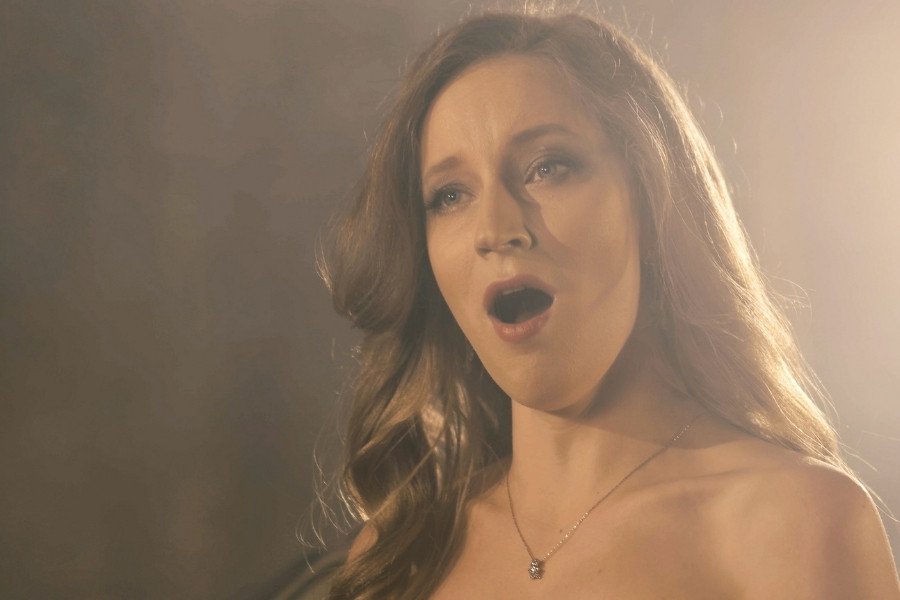
Put simply, opera can’t be described as ‘normal’ singing. The sheer vocal athleticism required is astounding, and opera singers need to care for their voices as they would for a precious, finely tuned instrument. The vocal strength, control, stamina, and precision needed to sing opera professionally usually take decades of disciplined training.
Yet, one thing that might strike you during a performance is how effortless it all seems. Professional opera singers don’t use microphones to project their voices in traditional performances; they use natural power and projection, while conveying emotion, embodying their characters, and moving around the stage in elaborate costumes. The result is a unique combination of artistry and athleticism that’s moving and awe-inspiring.
To get a sense of just how powerful opera voices can be, check out soprano Diana Damrau singing the famous Queen of the Night aria from Mozart’s The Magic Flute, without a microphone:
2. The music is beautiful
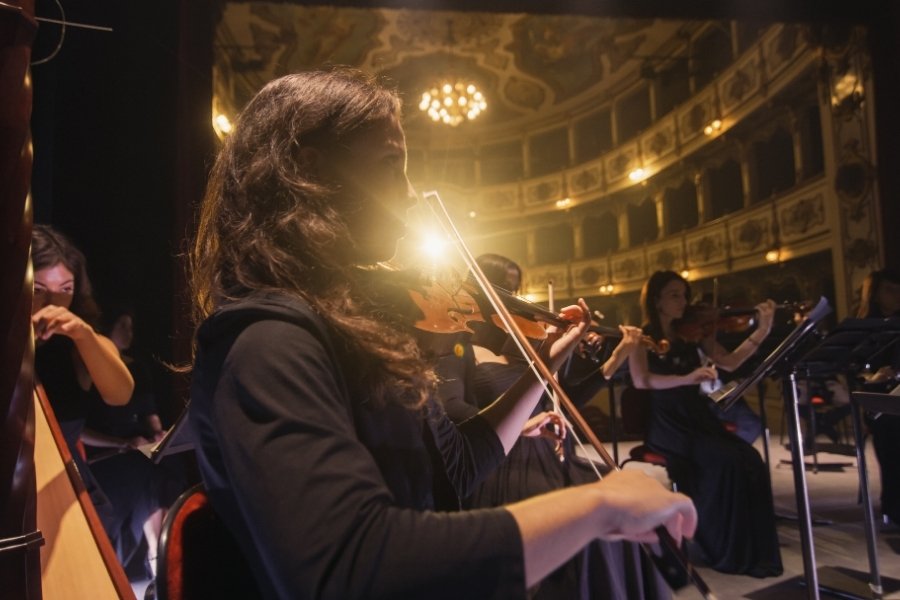
No matter the prodigious skill of its singers, opera is nothing without its music. There’s something profoundly stirring about hearing live classical music – and if you’ve never been to the opera, you might be surprised at how familiar it sounds.
Some of the most famous arias (solo songs) have become iconic, from ‘Nessun dorma’ from Puccini’s Turandot, famously sung by Luciano Pavarotti, to ‘Habanera’ from Bizet’s Carmen. (If you don’t think you recognise the titles, have a listen; there’s a good chance you’ll have heard these melodies in films, television, or even adverts.)
And just as opera singers are world-class, so too are the musicians. Whether it’s a small chamber ensemble or a full symphony orchestra in the pit, the music is just as thrilling as the spectacle.
3. It’s visually stunning
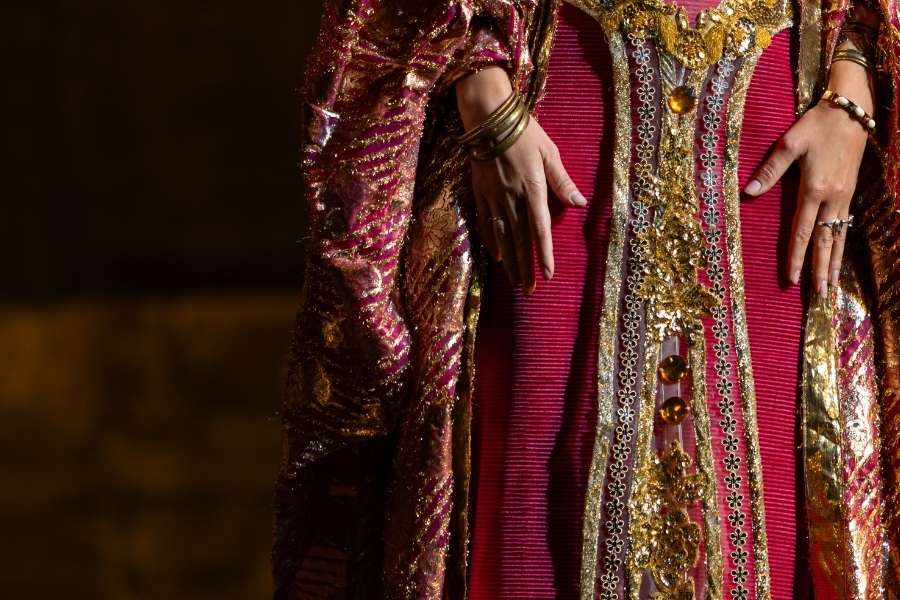
Opera is a true feast for the eyes, and the level of detail involved in bringing each production to life is incredible. Wherever a performance is held, the costumes and set are designed to transport you to a different world. Set designs do far more than provide a backdrop; they create scale, atmosphere, and drama, drawing you deeper into the story and making the experience more immersive.
Then there are the costumes. Elaborate gowns, sleek suits, towering wigs, and dramatic makeup all combine to bring characters to life. Often bold and extravagant, these visual elements aren’t just aesthetic; they reveal character, signal status, convey emotion, and propel the story forward. Even if you’re sitting in the very back rows, the detail and drama are unmissable, and often just as captivating as the singing and music themselves.
4. It’s emotionally raw
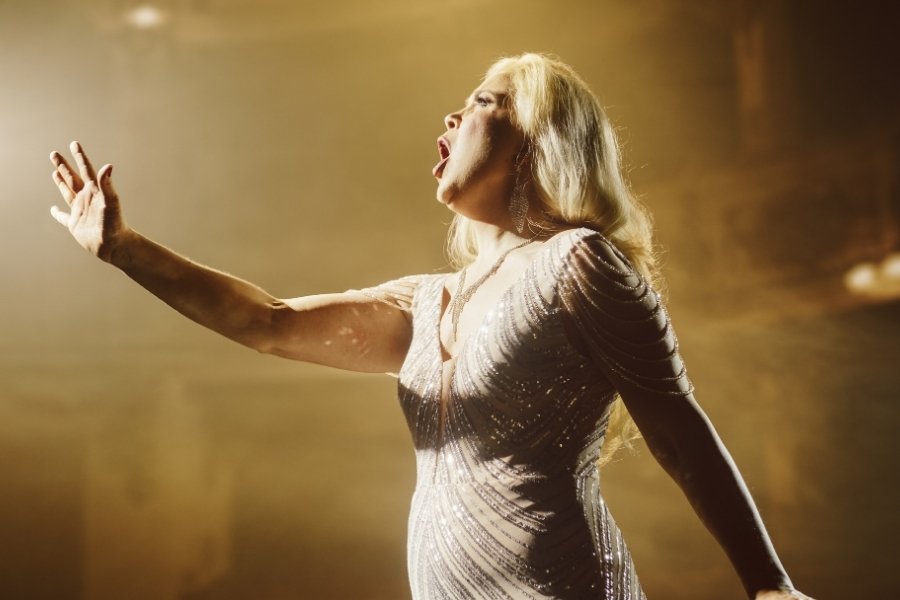
Some arts are about subtlety – but not opera! In these performances, everything is amplified: the music, singing, drama, and emotion. It can help to view opera as theatre taken to the next level – a place where feelings are so intense that it isn’t enough to speak them: characters must sing instead.
Opera is so uniquely emotive that studies have explored why so many people cry at performances. The combination of music, singing, and dramatic stories about powerful human emotions, such as heartbreak, joy, and rage, creates an experience that doesn’t so much encourage emotion as demand it.
This heightened form of expression feels almost larger than life, yet somehow deeply personal. The emotional impact of opera can be overwhelming in a truly wonderful way…so if you’ve never been before, you might want to bring tissues.
To see just how powerful and emotive opera can be, check out Sarah Brightman and Andrea Bocelli’s famous performance of Time To Say Goodbye:
5. It’s fun…and fancy
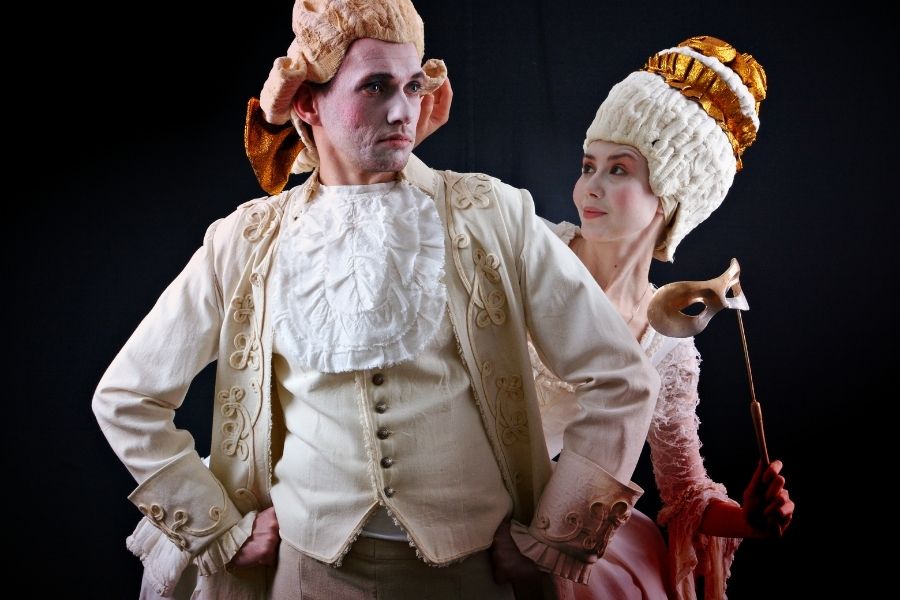
Going to the opera isn’t just about watching a performance; it’s about enjoying the whole experience. There’s a sense of occasion about it, like going to an important concert or sporting event. It’s a chance to step away from the everyday and enjoy a truly special night out. Whether you go alone, with a partner, or with friends, there’s something exciting about arriving at the venue and letting the evening unfold.
Because often, the venues themselves are spectacular. Opera houses often feature plush interiors, red velvet carpets, and gleaming gold furnishings – a theatrical, lavish type of luxury you don’t encounter every day. And, while you don’t have to look like you’ve stepped out of a different era, if you want to dress up, opera is one of the few places where you can really go all out.
So, if you’ve got a sequinned dress or a sharp suit collecting dust in your wardrobe, this is the time to bring it out. Opera might be fancy, but it should also be fun, and leaning into that sense of occasion – and the opulence of the venue – is all part of the experience.
6. It’s more accessible than you might think
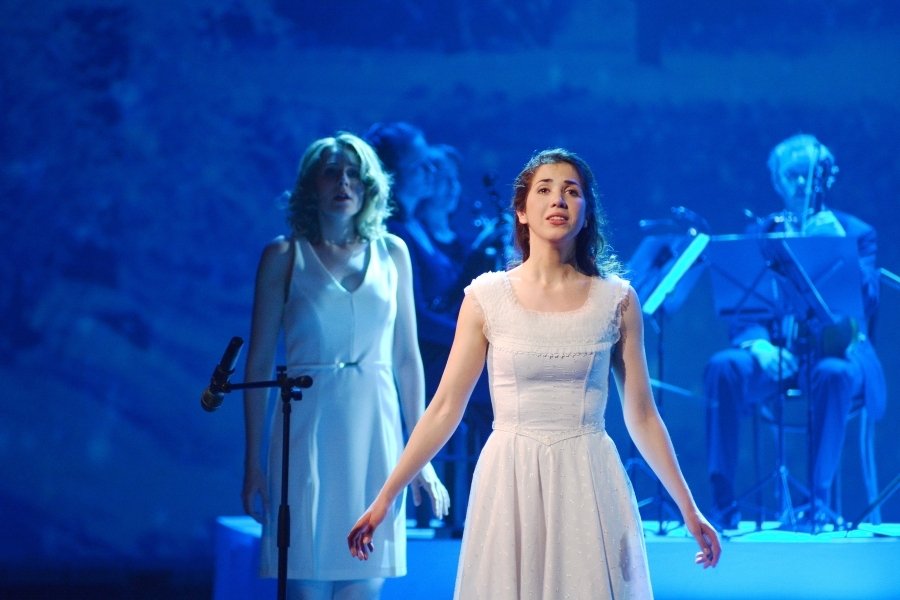
Modern opera is far more accessible than you might think. Many of today’s productions have subtitles, allowing audiences to fully engage with the story without language barriers, and directors are continually exploring new ways to evolve this art form. They aim to move away from old-fashioned, rigid traditions and instead, experiment and be bolder, more inventive, and visually striking than before.
And while it’s true that some traditional operas can feel dated due to the values of their time, many of the best productions lean into that complexity…or reframe it entirely. After all, some of the most popular operas, including Carmen, The Marriage of Figaro, and Fidelio, tackle themes of misogyny, class conflict, and political tyranny, topics that are (sadly) just as relevant today.
Ultimately, even when operas feel old-fashioned, there’s often something timeless about them – because they deal with the fundamentals of human behaviour.
7. It’s steeped in history
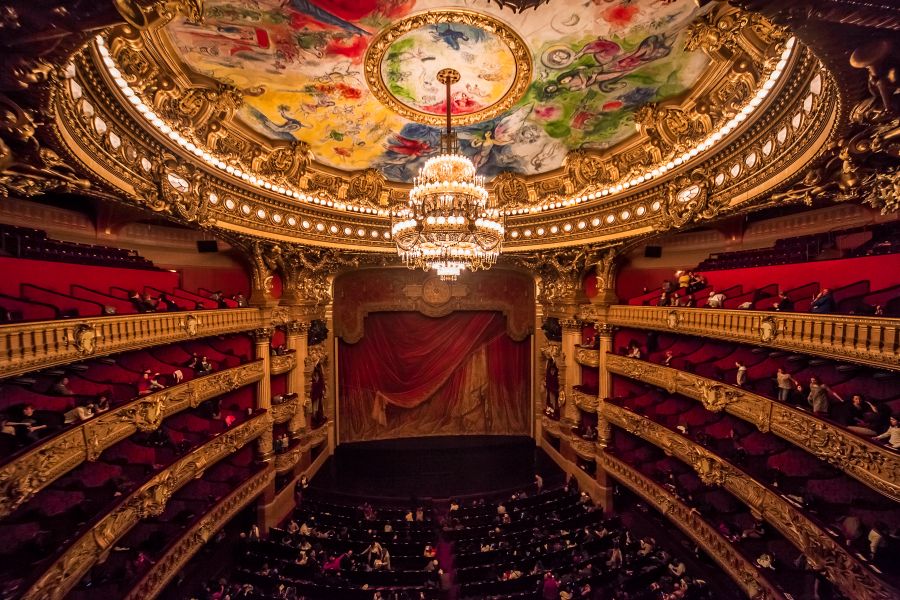
While opera is evolving, and there are many innovative, modern productions, it remains an art form that’s steeped in culture and history. With roots that go back over 400 years, opera has connected generations through singing, music, and drama – a shared human experience that’s travelled from royal courts in Europe to modern opera houses in Australia.
When you go to the opera, you’re embracing an art form that’s evolved alongside society itself, with composers, directors, and performers telling stories that matter – whether to entertain, provoke thought, or reflect the issues of their time.
Today, modern productions provide unique insight into how opera bridges past and present. Traditional performances can offer a window into the values of the era that shaped these works, while modern retellings examine them through a contemporary lens, sparking new ideas and conversations.
And when you go to an opera, you become part of that story, too, honouring an art form that continues to evolve while still carrying centuries of meaning.
Final thoughts…
Opera has survived for centuries for good reason. Look beyond the opulence and the spectacle, and it speaks to something innately human. It’s stories of love and heartbreak, joy and jealousy, and struggles and successes – and these emotions resonate just as deeply today as they did in the 1600s.
While it might seem a little intimidating at first, it doesn’t have to be. You don’t need to commit to a long, epic opera in a grand theatre right away. Why not start small (and cheap) and check out some shorter performances, outdoor screenings, cinema broadcasts, or even beginner-friendly productions aimed at newcomers?
Some opera houses also offer discounted tickets or standing areas, making even ‘fancy’ shows more affordable than you might think.
The most important thing about going to an opera is arriving with an open mind. Beyond the spectacle of lighting, costumes, and staging is an art form that’s emotive, powerful, and unique…and something you’ll likely feel long after the final note has faded.
To search for Opera performances worldwide and book tickets, head over to Operabase. Or for further reading, check out our art and culture section.
Are you an opera fan? Or have you never been but have always wanted to go? We’d love to hear from you in the comments below.
Selene Nelson is an author, freelance journalist, and lifestyle writer for Rest Less. After graduating from the University of Sussex with a degree in English Literature, Selene began contributing to many major newspapers and websites, and has written for the BBC, The Sunday Times, The Independent, Town & Country, and HuffPost. Her specialist subjects include food, travel, and health, though she enjoys writing about a wide range of topics (e.g. her two books are about veganism and psychopathy, respectively!). She enjoys cooking (particularly pasta and Asian noodle soups), reading, travelling, hiking, attempting to keep fit, and watching animal videos on YouTube.
* Links with an * by them are affiliate links which help Rest Less stay free to use as they can result in a payment or benefit to us. You can read more on how we make money here.
Join the discussion
Read our full commenting terms and guidelines