

- Home
- Leisure & Lifestyle
- Fashion & Beauty
- Rediscovering your personal style after 50 – a modern man’s guide
How does Rest Less make money
We make money through advertising and commission from affiliate links, which enable us to offer Rest Less as a free service to our users. The content on this page may use affiliate links, which track traffic from our website to a third party provider and enable us to receive a commission or payment from any traffic we refer.
* Affiliate links on this page have an * next to them. We place enormous importance on our editorial independence and the integrity of our content which means that we will never change how we write about something as a result of an affiliate link.
Personal style often slips down our list of priorities as we get older. Whether work, family, or the demands of everyday life have kept you busy, it’s easy to put yourself last. Sometimes it isn’t until you’ve been wearing the same jeans and sweatshirts on rotation for years that you realise you’re stuck in a style rut.
In the past, men’s dress codes were more clearly defined: you wore a suit to work, and jeans at the weekend. But today, things are very different. While having more choice is a good thing, if your confidence has dipped, knowing where to start can feel overwhelming. And later in life, there can be a few extra factors to consider.
Naturally, our bodies no longer look or feel the way they did in our 30s and 40s – which means some clothes don’t sit the same. Plus, if you’ve become used to wearing the same few sets of clothes for years, then the thought of experimenting with fashion might feel daunting, and you might even worry about other people’s reactions to the change.
So, if you’re keen to rediscover your personal style but aren’t sure what works for you, here are some tips on where to start.
1. Start with a wardrobe reset

Before buying more clothes, it’s helpful to look through your current wardrobe and take stock of what you already have. Most of us have wardrobes stuffed with clothes from 20 years ago – and while holding onto clothes we still wear is great, filling your home with clothes that no longer fit your body or lifestyle can make getting dressed frustrating.
So, see if you can set some time aside to go through every item in your wardrobe. Think about which pieces you wear the most, which clothes you feel best in, what still fits well (and what doesn’t). Many men hold onto clothes from past life stages: shirts and suits from former jobs, jeans from when they were a couple of stone lighter, or jumpers and jackets that never quite worked in the first place.
Clearing space for clothes that reflect who you are now, not who you were two decades ago, makes rediscovering your personal style far more enjoyable. And, when you’ve identified the clothes you like best – those pieces you reach for time and again – buying new clothing can become much easier, too.
2. Focus on fit, not fashion
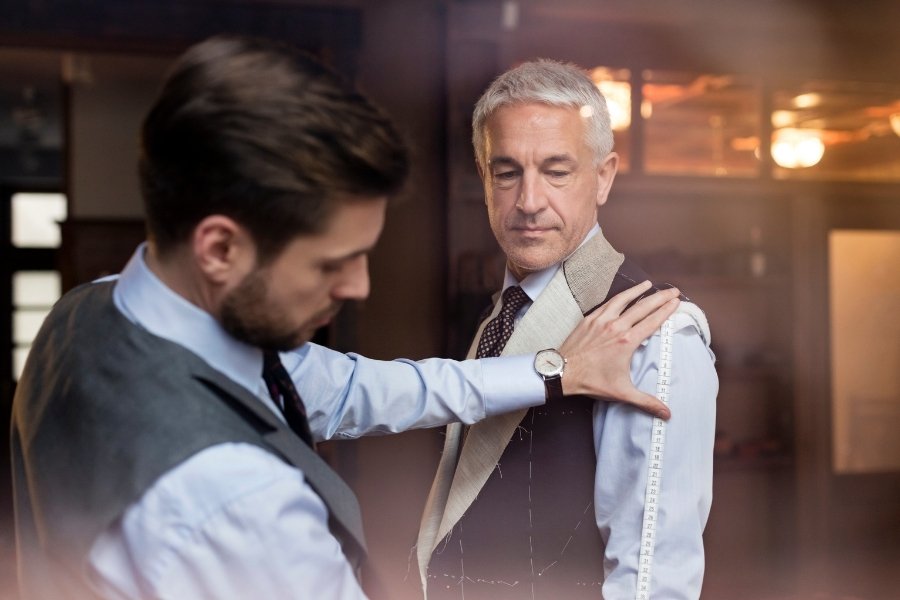
Perhaps the single most important aspect of rediscovering your personal style after 50 is focusing on fit. Many men wear clothing that’s either too big or too small, often because it’s the size they’ve always worn. But it’s normal for our proportions and shape to change over time, which means the cuts and sizes we once relied on may no longer work in the same way.
Clothes that are too tight can feel uncomfortable and draw attention to the wrong areas, while overly loose pieces can look untidy. The trick is to find clothes that skim the body without clinging or drowning your frame. Details like shoulder seams, sleeve length, and trouser break are more important than many people realise; two men can wear the same outfit, but the one in the better-fitting version will always look sharper.
If you’re not sure where to start, why not visit a tailor? Not only can they take accurate measurements, but they can also refine everyday pieces. A much-loved blazer that’s a little too large, or a comfy pair of trousers that are a tad long, can often be improved with a few alterations.
Alternatively, when shopping, try three sizes on: the one you think you are, plus one size up and one size down. Take a photo and see which one actually looks best. The result may surprise you.
3. Invest in modern classics
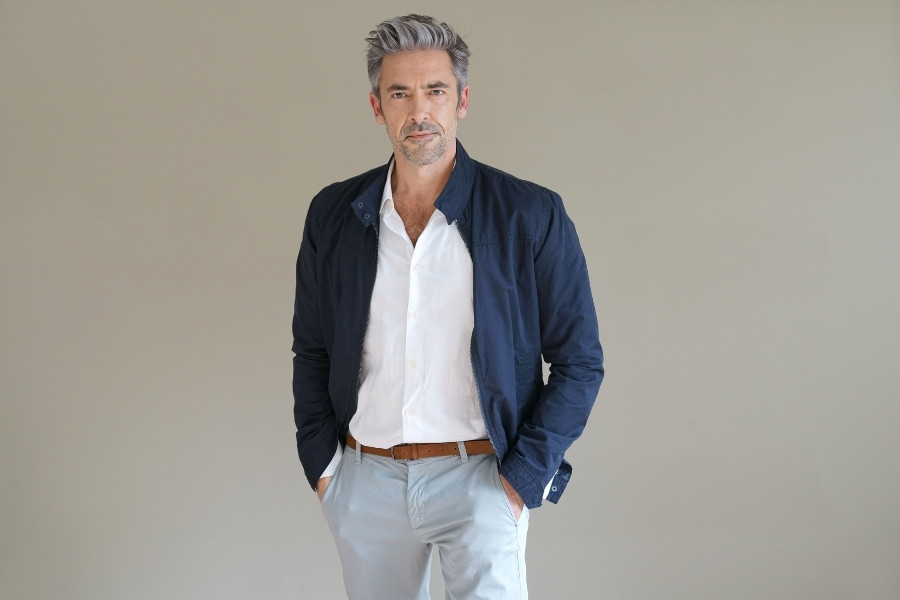
Once you’ve streamlined your wardrobe and worked out your sizing, the next step is to invest in some modern classics. It’s about quality over quantity; a smaller wardrobe of well-made pieces will serve you better than one overflowing with cheaply made items. While higher-quality items may cost more, they usually last longer, making them a worthwhile investment.
You don’t necessarily need to spend a fortune, either; head over to second-hand clothing sites like Vinted to browse pre-loved pieces.
The most important items are those timeless, versatile pieces that form the backbone of most outfits. Think well-fitting jeans, corduroys, or chinos; a few plain shirts, polos, or T-shirts; some comfy jumpers and sweatshirts; and a smart jacket, coat, or blazer. These pieces are classic but adaptable, and can be dressed up or down depending on what you pair them with.
Colour can play an important role in shaping your style (and we’ll come to that next!), but for these key pieces, many stylists suggest sticking to neutral colours. Shades like navy, grey, olive, stone, white, and black are easy to mix and match, making everyday outfits easier to put together. Once you have the basics, you can then add a few statement pieces – whether that’s a coloured blazer, a patterned shirt, or a textured jumper.
4. Choose quality footwear
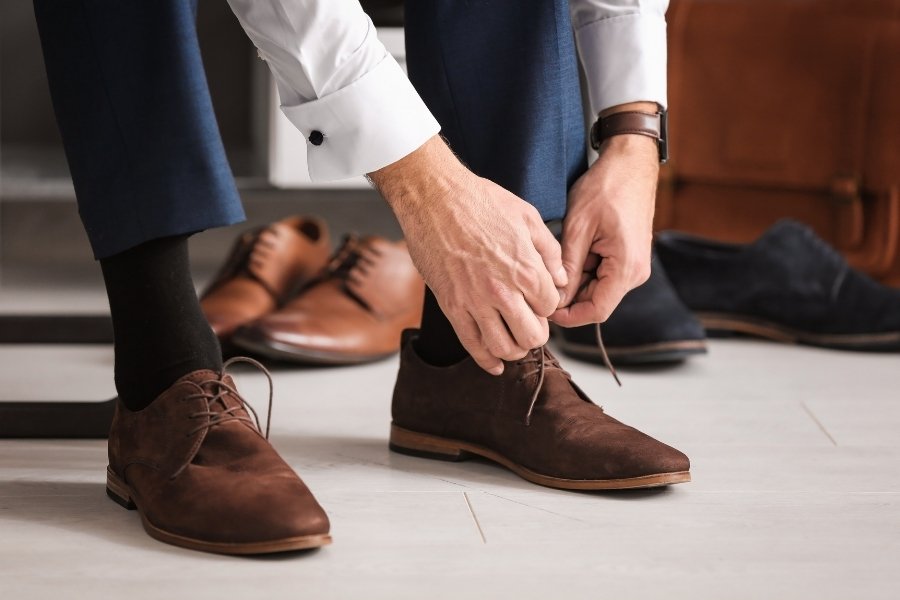
As the old saying goes, “Always look at a man’s shoes, they will tell you a lot about him”. Whether you agree with that or not, footwear certainly deserves more attention than many men give it – and this is especially true after 50.
While comfort is always important, smart shoes tend to make mature men look more put together, so if you like wearing trainers, try to choose sleek, minimal designs rather than bulky, overly sporty styles; for example, classic white or navy trainers.
A good pair of shoes can elevate any outfit – and even a simple T-shirt and jeans can look smart when paired with good shoes. On the other hand, an otherwise stylish outfit can fall apart when paired with tired or unflattering footwear.
Just like the rest of your wardrobe, go for quality over quantity. Boots are always a staple – and not just for winter. A pair of classic Chelsea boots works well throughout spring and autumn, and pairs equally well with jeans or smarter trousers. Boat shoes and loafers are also timeless and can be dressed up or down.
Dress shoes aren’t only for formal events, either. While Oxford shoes are usually reserved for black tie events or business meetings, Derby shoes work well with jeans and smart-casual looks. Thanks to their open-lacing structure, they’re usually comfortable enough for daily use, too.
5. Experiment with colour (carefully)
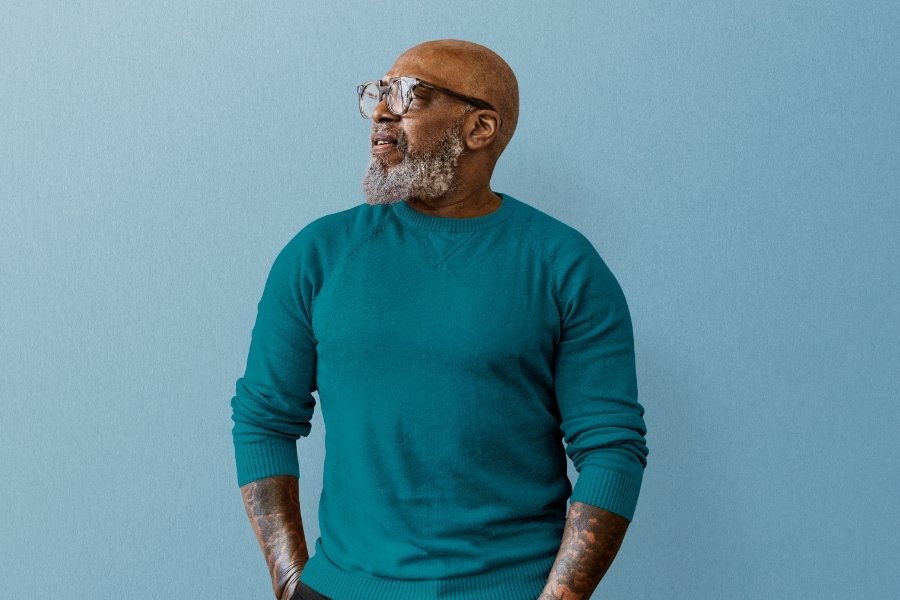
Introducing colour into your wardrobe can be one of the easiest ways to refresh your style. Many men fall into the habit of wearing the same shades – usually dark blues, greys, and blacks. While these are classic and versatile, introducing a few brighter or richer tones can give your wardrobe a fresh feel.
As we age, our skin tone often becomes duller, too – and the right colours can bring warmth and freshness to your look. Earthy, understated shades like olive, burgundy, rust, camel, and dark green work particularly well. They add character without feeling bold, and pair well with neutral basics like stone chinos, navy jeans, or a black jacket.
The key is to experiment gradually; try different shades when shopping and see which ones complement you. Try to keep an open mind here as well, as you may be surprised by which colours bring out your eyes or give your skin a healthier glow.
At the same time, very bright colours can look overpowering and often feel out of place in a more mature wardrobe. Pastels can work, particularly in spring and summer, but they’re generally best worn occasionally, as they can make outfits feel less grounded. For similar reasons, busy patterns and loud graphics are usually best avoided.
If you’re not used to wearing colour, think of it as a way to add depth to an outfit. A textured ruby jumper, for example, can lift a simple jeans-and-boots combo without being attention-grabbing, while a camel coat can offer a look that feels both classic and striking. When used thoughtfully, colour can give your wardrobe a new lease of life without making you feel like you’re trying too hard.
6. Update your grooming routine
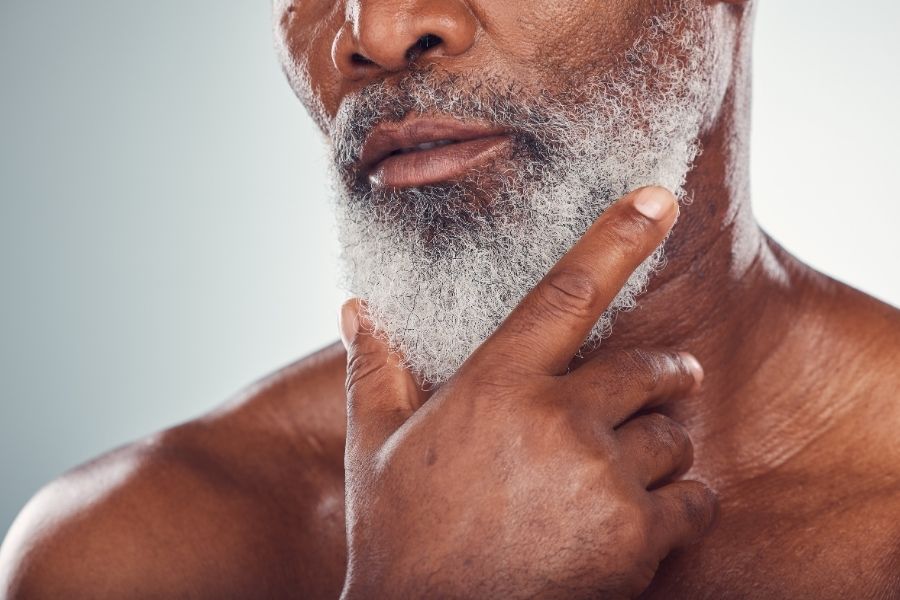
Personal style isn’t just about clothes; it’s about the whole picture, including the smaller details. You can have the best outfit on, but if your hair is unkempt or your shoes are scuffed, you probably won’t look as put together.
You don’t need an elaborate skincare routine or to spend a fortune on expensive products. One of the best ways to freshen up is to visit the barber. Hair changes as we age; it may thin, grey, become coarser, or disappear altogether. But that doesn’t mean you can’t look sharp. A good barber can recommend styles that work with your face shape and hairline, which can make a huge difference.
Facial hair should look deliberate rather than as though you’ve forgotten to shave. If you have a beard, try to keep the cheeks and neckline tidy, and trim it regularly so it keeps its shape. The small things carry more weight than people realise: neatly groomed eyebrows, moisturised skin (especially in winter), and a light, fresh fragrance can elevate your overall presence, creating a sense of confidence.
Final thoughts…
Rediscovering your personal style after 50 isn’t about recreating the way you dressed decades ago, or trying to look younger. It’s about finding clothes that reflect who you are today – your lifestyle, your personality, and the way you want to present yourself.
By streamlining your wardrobe, focusing on fit rather than fashion, and investing in a few timeless pieces, you create a strong, stylish foundation for a wide range of outfits. Then you can experiment more freely, introducing colour, texture, or the occasional statement piece that injects some personality into your outfit.
Of course, good style isn’t just about the clothes themselves. When something fits well and you feel good in it, it shows in the way you carry yourself. So, if you’re unsure about a particular piece, it’s usually best to trust your instincts – when in doubt, go with your gut.
Most importantly, remember that personal style isn’t about rigid rules, and these suggestions are only guidelines to help you get started. Ultimately, clothing should be enjoyable – a way of expressing yourself and feeling confident and comfortable in your own skin.
Do you feel like you want to rediscover your personal style? Do you have any other style tips or suggestions you could share with our readers? We’d love to hear from you in the comments below.
Selene Nelson is an author, freelance journalist, and lifestyle writer for Rest Less. After graduating from the University of Sussex with a degree in English Literature, Selene began contributing to many major newspapers and websites, and has written for the BBC, The Sunday Times, The Independent, Town & Country, and HuffPost. Her specialist subjects include food, travel, and health, though she enjoys writing about a wide range of topics (e.g. her two books are about veganism and psychopathy, respectively!). She enjoys cooking (particularly pasta and Asian noodle soups), reading, travelling, hiking, attempting to keep fit, and watching animal videos on YouTube.
* Links with an * by them are affiliate links which help Rest Less stay free to use as they can result in a payment or benefit to us. You can read more on how we make money here.
Join the discussion
Read our full commenting terms and guidelines