
If you’ve ever felt confused about which skincare products to use later in life, you’re in good company. The UK skincare market is valued at £30.4 billion, with facial care making up 78% of that, and shelves and online shops are overflowing with endless variations of cleansers, toners, creams, moisturisers, and sunscreens, all promising to outdo each other. So how can you tell which is most likely to work for your skin?

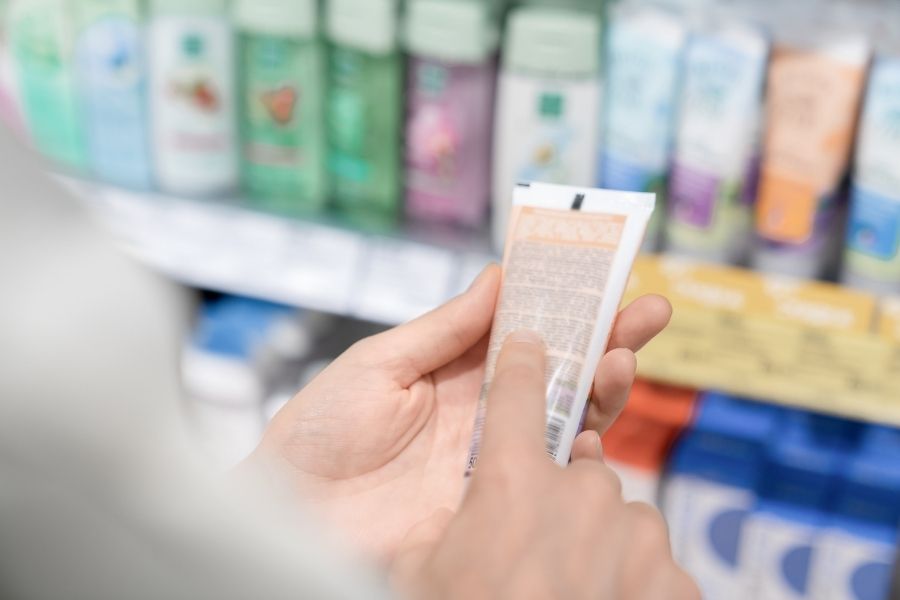
The ingredients label is usually a good place to start. It’s worth looking out for ingredients shown to speed up cell renewal, boost collagen production, lock in moisture, and repair the skin barrier, though some have far more research behind them than others.

Here are some key science-backed ingredients to look for on skincare labels after 50.

1. SPF 30+

SPF 30+

Using a good SPF year-round is essential for caring for your skin at any age. Many people assume that if you’ve already accumulated years of sun damage (which may appear as fine lines and wrinkles, pigment and texture changes, and loss of elasticity), there’s no point in protecting skin now. But it’s never too late to slow the progression of any existing skin changes and prevent further damage.

For example, in a trial involving 290 women aged 30–65, daily use of a high-protection sunscreen for one year reduced the progression of several sun-related skin changes, including wrinkles and dark spots, compared with participants’ usual skincare routine.

Of course, our chances of developing skin cancer also increase with age, so the more we can do to protect our skin from UV rays, the better.

Although many face moisturisers now contain SPF, a separate facial sunscreen is often the more reliable choice for protecting mature skin against premature ageing. Research suggests people tend to apply SPF moisturisers less evenly than dedicated sunscreens, leaving areas of the face – particularly around the eyes – less protected.

Best for: Everyone, every day. It protects your skin and helps it stay healthy for years to come.

What to look for on the label: The NHS recommends using at least SPF 30 and at least four-star UVA protection.

Skincare that can keep up with you

A personalised treatment subscription designed by dermatologists to evolve with your skin’s changing needs, with ongoing expert support along the way. Try from £6.99.

Try for £6.99

£6.99 for the first month, £19.99 for the second month, then £29.99 per month ongoing. Subscription terms apply.
2. Retinoids and retinols

Retinoids and retinols

You’ll probably have heard the hype around retinol and retinoids, which typically come as a gel, cream, or serum. They’re often seen as the gold standard of skincare ingredients because they can unclog pores; improve texture and pigmentation by speeding up cell turnover; and smooth and plump skin by boosting collagen and elastin production. And the research backs this up…

For example, in one review, researchers combined results from six controlled clinical studies involving 471 women. Participants used a moisturiser containing 0.1% stabilised retinol or a similar cream without retinol for up to 12 weeks. The retinol group showed greater improvements in wrinkles, uneven skin tone, and brown spots, with benefits appearing as early as four weeks.

Another analysis of eight clinical trials involving 1,361 people found that tretinoin (prescription-strength retinoid) significantly improved fine and deeper lines caused by sun damage compared with creams containing no active ingredients.

So what’s the difference between retinoids and retinols? Both are vitamin A derivatives. However, retinoid is the umbrella term used to describe the whole group, while retinol is a milder subtype, and which suits you best will generally depend on your skin type. Dermatologists tend to recommend using retinol for dry or sensitive skin because it’s less harsh, ideally starting with a lower-dose formula (0.01-0.3%) – though it’s important to be patient, as it can take anywhere from a few weeks to a few months to notice a difference.

Some people might be able to tolerate a retinoid right away, but the usual guidance is to introduce it into your routine slowly and consider the formulation of the overall product it’s contained in. Retinoids in a hydrating formula are generally better for tolerance, comfort, and skin barrier support.

Best for: Smoother, more even-looking skin, and a plumper, more refined texture.

What to look for on the label: Over-the-counter options will list Retinol, Retinyl Palmitate (very mild), or Retinal/Retinaldehyde (faster-acting) on the ingredients list. Stronger retinoids like Tretinoin or Adapalene will only be found on prescription labels. If you have sensitive skin, look for a label that pairs the retinoid with soothing ingredients like niacinamide or bisabolol.

3. Vitamin C

Vitamin C

Vitamin C is another top contender among skincare ingredients for over 50s, usually applied as a serum or cream. It’s widely celebrated for its role in collagen production. For example, in one 2026 study, a serum containing 12% pure vitamin C was applied over 12 weeks showed improvements in collagen-fibre structure in more than half of participants, alongside better skin firmness and elasticity.

Vitamin C is also an antioxidant, meaning it helps neutralise the free radicals that UV light and pollution generate in the skin. This study found that topical application of a 5% vitamin C cream improved the appearance and texture of photoaged skin over six months. Meanwhile, more recent research revealed that a topical antioxidant serum containing 15% vitamin C (alongside vitamins E and ferulic acid) helped protect skin against oxidative damage caused by UV radiation and pollution, and prevented the loss of type I collagen observed after exposure.

Other research has also drawn a link between vitamin C, brighter-looking skin, and a reduction in fine lines, wrinkles, pigmentation, and redness.

Best for: A brighter-looking complexion, skin that feels firmer and more hydrated, and skin protection.

What to look for on the label: Skin experts advise looking for L-Ascorbic Acid, the purest active form of vitamin C, which most of the clinical evidence is centred around.

4. Ceramides, ideally with cholesterol and fatty acids

Ceramides, ideally with cholesterol and fatty acids

Ceramides play a larger role in skin health than many of us probably realise, working alongside cholesterol and fatty acids to make up nearly 50% of the skin’s outer layer. They act as the “mortar” between skin cells, locking in moisture and preventing irritants from getting in.

Our risk of ceramide deficiency increases as we go through our lives because ceramide levels naturally reduce with age. This means that introducing ceramides into our skincare routine (in toners, serums, and/or moisturisers) can help repair the skin barrier, which may improve hydration and pigmentation, and prevent redness and irritation.

In this study, for example, older adults found that using a ceramide-based moisturiser and cleanser for four weeks significantly improved signs of dry skin, including roughness and discomfort.

Best for: Soft, comfortable, hydrated skin and a strong, resilient skin barrier.

What to look for on the label: On an ingredients list, ceramides usually appear as Ceramide NP, Ceramide AP, or Ceramide EOP – though older names such as Ceramide 1, 2, or 3 may also appear.

5. Niacinamide (vitamin B3)

Niacinamide (vitamin B3)

A skincare multitasker, niacinamide helps skin stay balanced, comfortable, and resilient. It supports the skin’s natural barrier by encouraging the production of ceramides and other lipids that help limit moisture loss, making it ideal for people with dry or sensitive skin. Research also suggests it may calm inflammation and improve skin elasticity (by widening the space between keratin (protein) molecules.

Recent studies of products containing niacinamide have reported improvements in facial sebum levels, too, which could be promising for people with oily or combination skin. However, because these products contain other ingredients, further research is needed to confirm how much of the effect comes from niacinamide itself.

You can find this niacinamide in all kinds of skincare products, from serums, moisturisers, and sunscreens to cleansers, toners, and sheet masks. Boots has a great guide on finding the right strength niacinamide for your skin, with 2-5% often being better for beginners or people with sensitive skin.

Best for: Supporting the skin barrier, improving hydration, and helping to even out skin tone.

What to look for on an ingredients label: The single standardised name Niacinamide. It’s water-soluble and highly effective at concentrations between 2% and 10%, so you’ll usually find it listed near the top or middle of the ingredients list, often shortly after water (Aqua).

6. Hyaluronic acid (HA)

Hyaluronic acid (HA)

If you have dry skin, hyaluronic acid (HA) is especially worth looking out for. It’s a humectant, meaning it draws moisture into the skin by acting like a sponge, and is often described as being able to hold 1,000 times its weight in water.

Research shows that hyaluronic acid is found in various tissues throughout the body, but over half of its total proportion is found in the skin – it binds to water to maintain the skin’s structural volume. However, our bodies naturally produce less hyaluronic acid as we get older, which can contribute to skin being drier, less elastic, more prone to wrinkles, and slower to heal.

Science suggests that skincare products, such as serums, moisturisers, and sheet masks that contain hyaluronic acid, can help rehydrate skin and temporarily soften fine lines. Studies also suggest that HA-containing products are well-tolerated and gentle on skin.

Best for: Plump, hydrated, supple-feeling skin.

What to look for on the label: Look for Sodium Hyaluronate on the list, which is a smaller molecular form of hyaluronic acid that penetrates the skin more easily. It may also be listed as Hydrolysed Hyaluronic Acid or simply Hyaluronic Acid. Formulas that list multiple weights or types of hyaluronate are ideal for hydrating different layers of the skin.

What else to look for on a skincare ingredients label

Check for fragrance

If your skin is dry or sensitive, consider choosing fragrance-free products, as fragrance can irritate some people’s skin. Look out for parfum or fragrance on the ingredients list, as well as fragrance allergens such as limonene, linalool, and geraniol.

Pay attention to the ingredient’s position

Ingredients are generally listed in descending order of concentration, so those near the top are usually present in larger amounts. However, ingredients present at 1% or less can generally be listed in any order. The list can offer clues about a formula, but it won’t tell you the exact concentration of each ingredient or whether the product will be effective.

Keep in mind that ingredients such as ceramides and retinol can be effective in small concentrations, so, naturally, they may fall lower down the list.

Look for an active ingredient suited to your concern

If a product claims to target wrinkles, look for retinol or another retinoid. For uneven pigmentation, ingredients such as niacinamide or vitamin C may help. The key is to look for ingredients with evidence supporting the specific benefit being claimed.

Remember, though, that an ingredient’s presence alone doesn’t prove it is included at an effective concentration or that the finished product works. The formulation matters, too. Rather than relying solely on customer reviews, look for credible clinical studies on the product itself, ideally with details of how the study was conducted, how many people took part, and what results were measured. Reviews can tell you about people’s experiences, but they can’t establish that a product is clinically effective.

One nightly step for glowing skin

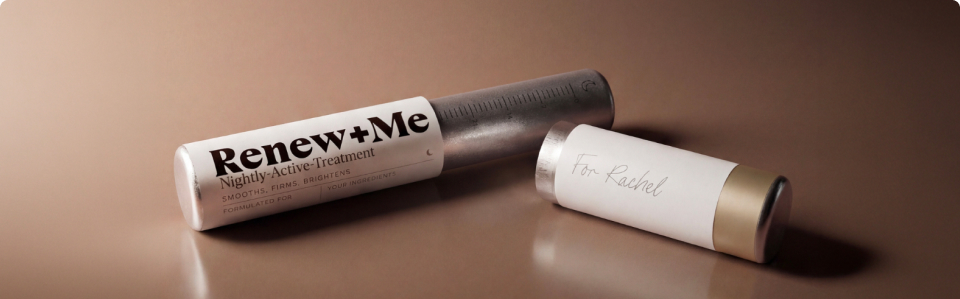
Take the guesswork out of your routine with a personalised treatment subscription, designed to deliver glowing skin in one simple nightly Twist + Click®. Try from £6.99.

Try for £6.99

£6.99 for the first month, £19.99 for the second month, then £29.99 per month ongoing. Subscription terms apply.
Final thoughts…

Feeling fatigued by the sheer number of skincare products on the market is common – especially when you’re just trying to find a small selection of good products that work well for your skin type. So, it can help to ignore some of the advertising noise and instead look out for active ingredients with clinical backing.

That said, it can take a bit of trial and error to find what works well for your individual skin type. The concentration of the active ingredient and the formula it’s added to can go a long way in determining its effectiveness, so try not to be disheartened if a product doesn’t work as well as you hoped – it doesn’t mean you won’t have success with a different formulation.

If you’re concerned about changes to your skin, or you’re struggling with persistent dryness, irritation or sensitivity, it’s worth speaking to your GP or a dermatologist for advice. They can help identify any underlying causes and recommend suitable treatments. It’s also important to get any new or changing moles, or any skin changes that don’t heal, checked by a healthcare professional, rather than assuming they’re simply a sign of ageing.

For further reading, check out our articles: 10 tips for healthy skin and 4 common skin changes during menopause and how to manage them.

Have you had success with any of the ingredients in this list? What products work best for your skin? We’d love to hear from you in the comments below.