

- Home
- Leisure & Lifestyle
- Food & Drink
- Recipes
- 10 of the best botanical baking recipes
How does Rest Less make money
We make money through advertising and commission from affiliate links, which enable us to offer Rest Less as a free service to our users. The content on this page may use affiliate links, which track traffic from our website to a third party provider and enable us to receive a commission or payment from any traffic we refer.
* Affiliate links on this page have an * next to them. We place enormous importance on our editorial independence and the integrity of our content which means that we will never change how we write about something as a result of an affiliate link.
When the weather turns cold and dark, baking is a wonderful way to bring some warmth into our homes. From the scent of a cake rising in the oven to the joy of sharing treats with friends and family, there’s something uniquely comforting about getting creative in the kitchen. But recently, botanical baking has boomed.
In the UK, we’ve been using edible flowers, herbs, and plants in baked goods for centuries. During Tudor times, lavender and rosewater were kitchen staples, and by the Victorian era, flower petals were often used to elevate cakes, biscuits, and breads.
Herbs and blossoms don’t only add flavour, colour, and charm to your creations…but often come with health benefits, too.
So, whether you have a flourishing herb garden, a few leafy pots on the windowsill, or just fancy playing around with botanical ingredients, here are 10 recipes to inspire your next bake.
1. Lavender shortbread
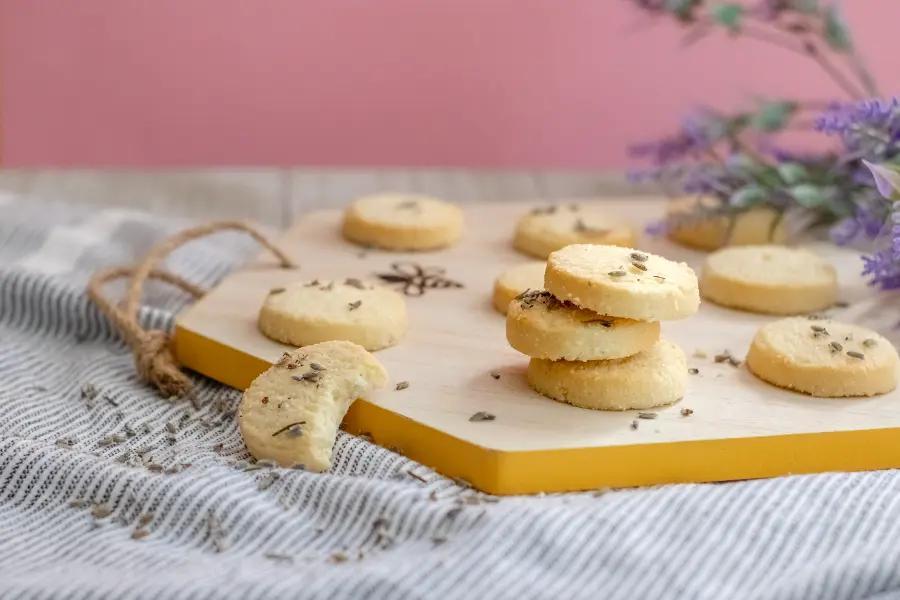
Delicate and aromatic, lavender has a distinctive yet subtle floral flavour that pairs perfectly with buttery shortbread. While traditional shortbread is delicious on its own, the addition of lavender gives these moreish Scottish biscuits an extra dose of luxury and elegance.
There are many ways to make lavender shortbread, but the only essential rule is to use culinary lavender, which has a light, slightly sweet flavour, with hints of citrus and herbs. A little goes a long way; too much can push the biscuits towards tasting soapy. Pairing lavender with lemon zest or vanilla helps balance the flavours while highlighting its natural freshness.
These biscuits make a beautiful gift for a loved one…or if you’re eating them yourself, try serving them with a cup of Earl Grey or camomile tea for an elegant afternoon pick-me-up. We love this lavender shortbread recipe from Taste Botanical.
2. Elderflower and lemon loaf
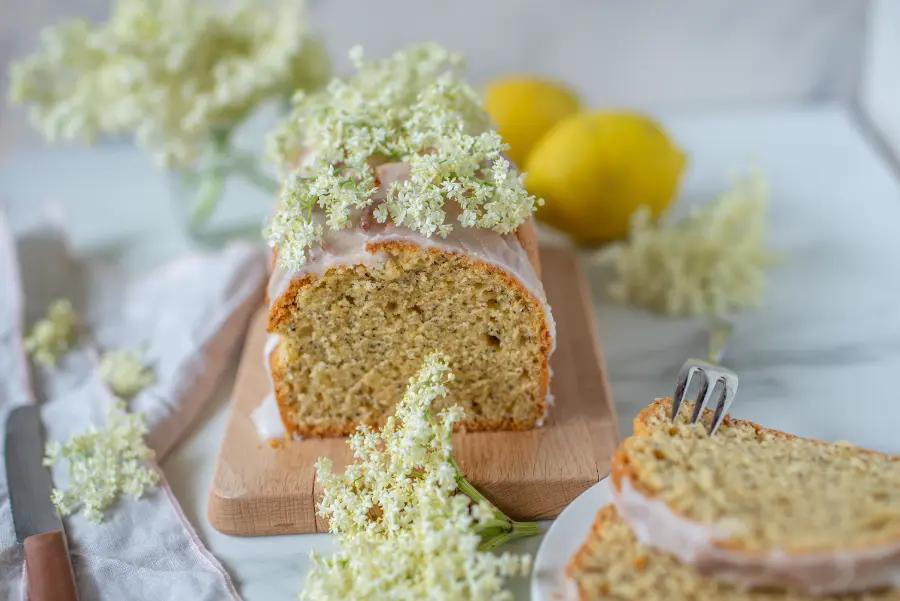
Elderflower, with its fragrant, honeyed aroma, has long been cherished in British kitchens. While it’s best known as a mixer for refreshing spring and summer drinks, it also pairs beautifully with lemon and works wonderfully in cakes or loaves. If you’re missing the warm, light days of summer, baking this lovely loaf can bring instant brightness to a dull, dark day.
While the combination of lemon and elderflower instantly elevates a classic loaf or sponge cake, it’s actually deceptively simple to make. Just stir a little elderflower cordial, lemon zest, and juice into your usual batter. The tangy brightness of lemon cuts perfectly through the richness of the cake, while the delicate floral taste of elderflower adds a gentle sweetness.
Try wrapping your loaf in parchment paper and tying it with a ribbon to make it a thoughtful gift…or just enjoy it yourself, served warm or cold. We love this elderflower lemon loaf recipe from The Kitchn.
3. Rosemary and garlic focaccia

For those who prefer savoury to sweet, you can’t beat a classic focaccia. This rustic Italian bread is crisp and golden on the outside, soft and pillowy inside, and the aroma that fills your home as it bakes is truly mouthwatering. The beauty of focaccia lies in its simplicity; with just a few ingredients – flour, yeast, olive oil, rosemary, garlic, and salt – you can make a bread that’s bursting with flavour.
The rosemary adds a woody, aromatic taste that perfectly complements the savoury roasted garlic, which mellows and sweetens as it bakes. Scoring the dough and drizzling it with a generous glug of olive oil before baking gives the crust a crisp texture and a gorgeous, golden finish, while a sprinkle of coarse sea salt adds crunch and flavour to each bite.
Focaccia is the perfect accompaniment to soup and salads, but it’s just as delicious by itself – served warm, perhaps with a glass of chilled white wine. We like this rosemary and roasted garlic focaccia recipe from The Mediterranean Dish.
4. Pistachio and rose Persian love cake
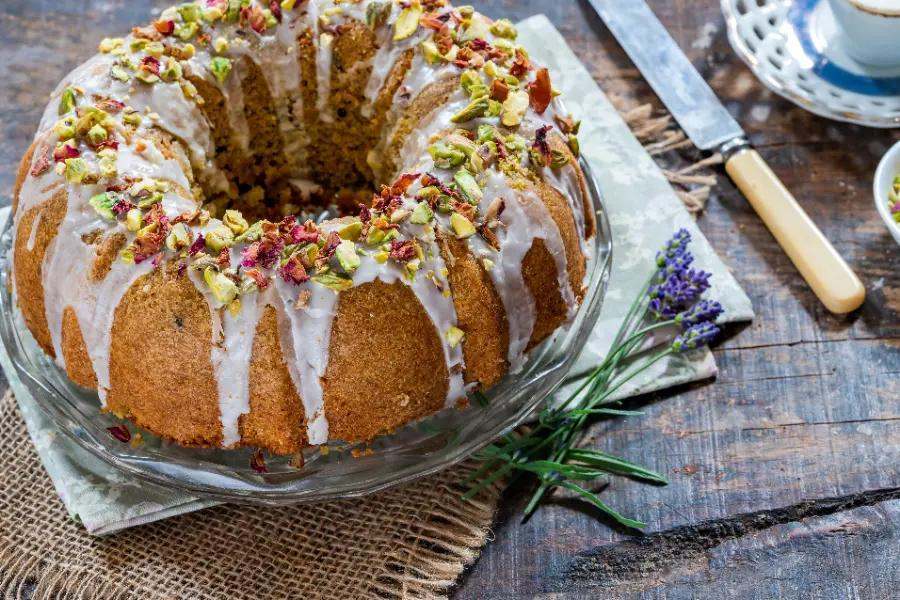
For a treat that looks as beautiful as it tastes, Persian love cake is the one to try. This fragrant cake is made with ground almonds, giving it a moist, buttery texture and a subtle nuttiness that pairs beautifully with the floral notes. Flavoured with rose water and cardamom, and finished with jewel-green pistachios and delicate pink rose petals, it’s every bit as romantic as its name suggests.
Rich yet light, sweet but not cloying, every bite is a celebration of flavour; the warmth of cardamon, the citrussy boost of lemon, the sweetness of almond, and the unmistakable yet subtle aroma of rose. Drizzle the top with a lemon and rose glaze, then for a cake that’s also a stunning centrepiece, scatter with chopped pistachios and dried rose petals.
The flavours deepen as the cake rests, so if you can resist cutting into it straight from the oven, you’ll be rewarded…it’s even better the next day! Serve with a dollop of thick Greek or crème fraîche. Try this Persian love cake recipe from Nigella.
5. Lemon and thyme courgette drizzle muffins

If you’re a fan of traditional lemon drizzle cake, why not shake things up and make lemon and thyme drizzle muffins? Grated courgette adds a delicate sweetness and tender texture, keeping the muffins soft and moist, while lemon zest provides a subtle citrusy lift. Fresh thyme leaves also bring gentle, earthy depth.
These muffins are wonderfully versatile, too. For a savoury version, simply leave out the sugar and drizzle, and try serving them with a smear of cream cheese, a drop of olive oil, or even a slice of smoked salmon. Or when made sweet, they’re best enjoyed warm, and make the perfect mid-morning snack – or an elegant addition to your afternoon cup of tea.
Why not try this lemon thyme courgette muffin recipe from Laura in the Kitchen?
6. Blueberry and lavender doughnuts

If you’re a doughnut fan – or you’re looking to surprise a friend who is – this next recipe may be right up your street. Not only do blueberry and lavender doughnuts look gorgeous, but they’re also packed with health-boosting antioxidants, making them the perfect autumn and winter indulgence.
The combination of blueberries and lavender is unexpectedly harmonious; the juicy tartness of the berries complements the floral perfume of the lavender, while a glossy lavender-infused glaze adds the perfect finishing touch. To make these doughnuts look even more special, you can decorate them with a handful of blueberries and a few sprigs of dried lavender.
Wrap the doughnuts in parchment paper and tie with a ribbon to make a lovely homemade gift, or simply enjoy them with a cup of tea as a cosy afternoon snack. Why not try this lavender and blueberry doughnut recipe from Central Coast Lavender, which includes cinnamon and nutmeg for a warm, seasonal twist?
7. Camomile lemon meringue
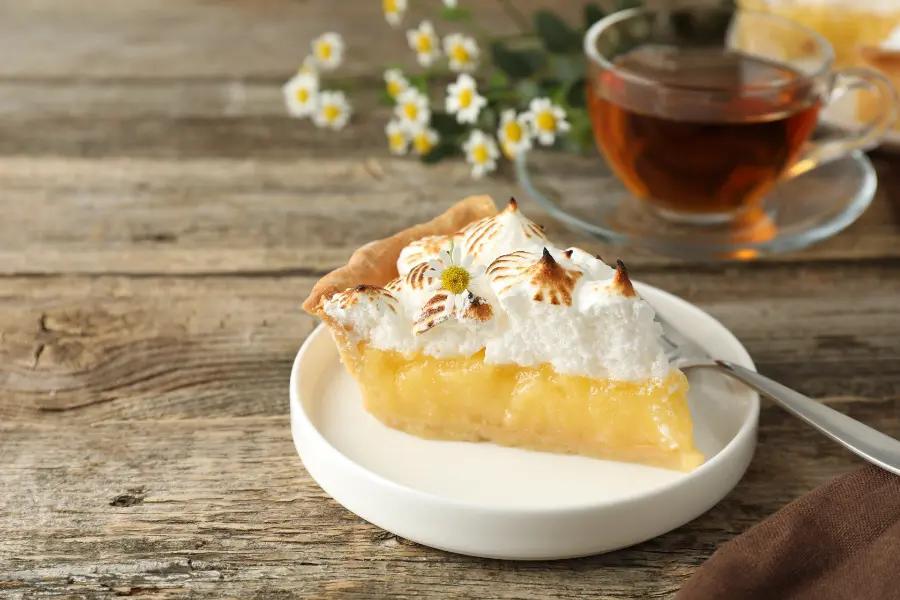
If you’re a fan of lemon meringue, why not add a twist to this classic dessert by adding a hint of camomile? Light, fragrant, and delicately honeyed, camomile brings a warm, floral note that pairs beautifully with the sharp zing of lemon. Each bite is a beautiful blend of flavours, from the soothing warmth of camomile to the bright citrus tang, and the sweetness of perfectly toasted meringue.
One of the best things about this dessert is its simplicity. To infuse the lemon curd with camomile, gently heat milk with a few camomile tea bags until it boils, then use the infused milk to create your lemon curd. If you can find fresh camomile, a few blossoms scattered over the meringue make a stunning finishing touch.
Why not try this recipe for camomile lemon meringue by Desert Candy?
8. Pumpkin, thyme, and Parmesan scones
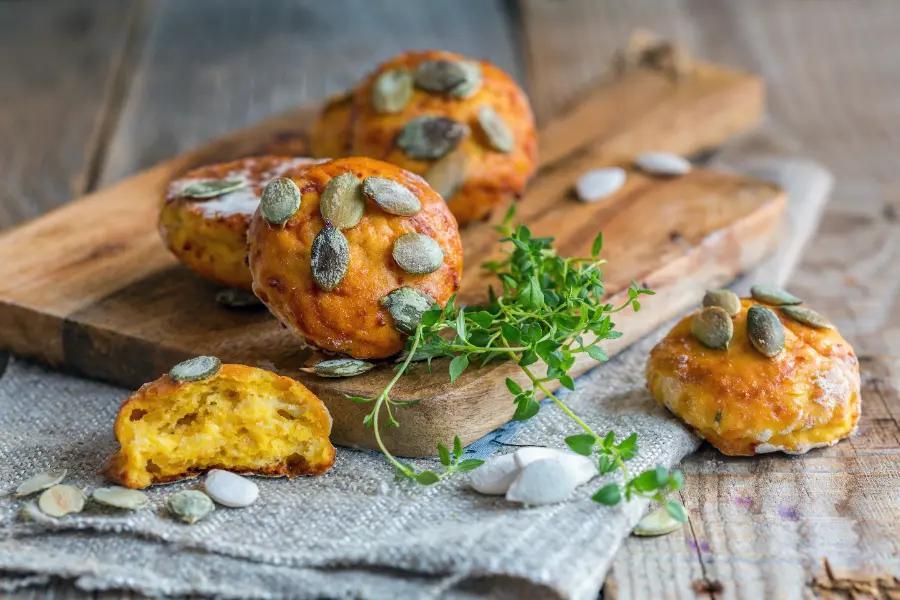
Another recipe for those who prefer savoury baking: pumpkin, thyme, and Parmesan scones. With their deep orange colour and the subtle creaminess of pumpkin, these scones capture the essence of autumn, and they’re delicious eaten warm from the oven on a crisp afternoon – perhaps alongside a comforting bowl of soup.
Pumpkin adds both moisture and colour to the scones, Parmesan brings a rich umami depth, and the thyme adds a fresh, earthy aroma. For an irresistibly crunchy top, sprinkle over a little extra cheese and sea salt before baking – or simply dot the scones with pumpkin seeds. If you can’t get hold of pumpkin, any variety of squash will make a good substitute.
Why not try this pumpkin, thyme and Parmesan scone recipe from Mulberry Lodge?
9. Ravani
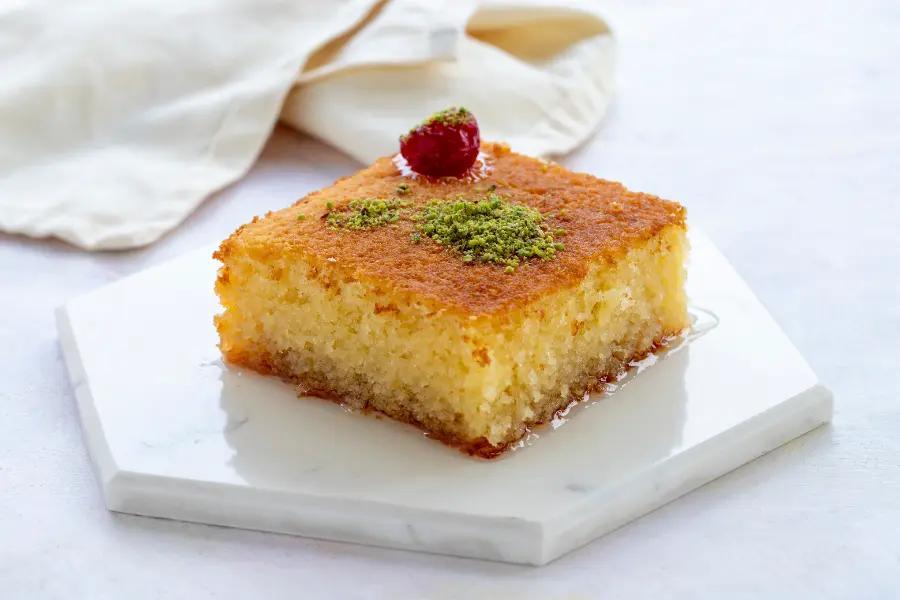
If you love sweet, syrup-soaked desserts, you might enjoy making ravani. This traditional Greek cake is made with semolina, giving it a delicate, slightly grainy texture that soaks up syrup beautifully. Ravani is often infused with rosewater, though you can also use orange blossom or citrus zest for a different twist. Each bite is sweet yet fragrant, and moist and rich without feeling heavy.
To make your ravani even more delicious, try enriching the semolina batter with yoghurt or ground almonds. Once baked, the rose-infused syrup is poured over the cake until every piece is perfectly soaked. Traditionally, it’s cut into diamonds or squares and garnished with a single almond, or sometimes a cherry or a sprinkle of ground pistachios.
Ravani is traditionally served after meals with coffee, but can also be enjoyed as a mid-morning or afternoon snack. We like this ravani recipe from Little Spice Jar.
10. Garden focaccia
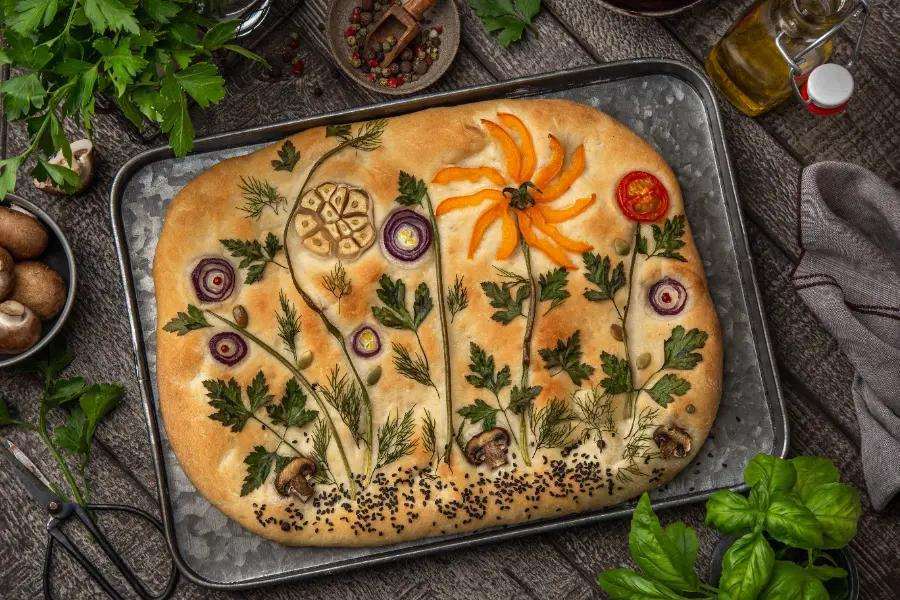
Looking for a botanical baking recipe that’s as much a feast for the eyes as for the palate? This garden focaccia is sure to hit the spot. Just like traditional focaccia, the recipe itself is simple – but the result is an edible work of art. Inspired by blooming gardens and wild meadows, this rustic bread uses edible flowers, herbs, and vegetables to create a living landscape.
The recipe allows you to be endlessly creative. Once your dough is ready, decorate it with whatever herbs, vegetables, and flowers you have to hand. Sprigs of rosemary become tiny trees or leaves, slivers of peppers and red onion make delicate petals and stems, and cherry tomatoes look like vibrant flowers blooming against the golden crust.
This garden focaccia may look gorgeous, but it tastes just as good. As it bakes, the botanical designs blister and caramelise, locking in their natural flavour. You can also add courgette ribbons, olives, or capers for extra depth, and finish with fresh herbs such as basil, parsley, or dill once baked. We particularly like this garden focaccia recipe from Tangled with Taste.
Final thoughts…
Whether sweet or savoury, these 10 botanical bakes are just some examples of how simple natural ingredients can transform everyday cooking into something extraordinary.
Herbs, flowers, and edible plants don’t just bring beauty and fragrance to the kitchen; they add depth, texture, and a touch of creativity to every recipe. From the soft floral notes of lavender and elderflower to the woody warmth of thyme and rosemary, botanical baking offers endless ways to experiment and celebrate the seasons.
Are you a fan of botanical baking? Are you inspired by any of these recipes? We’d love to hear from you in the comments below.
Selene Nelson is an author, freelance journalist, and lifestyle writer for Rest Less. After graduating from the University of Sussex with a degree in English Literature, Selene began contributing to many major newspapers and websites, and has written for the BBC, The Sunday Times, The Independent, Town & Country, and HuffPost. Her specialist subjects include food, travel, and health, though she enjoys writing about a wide range of topics (e.g. her two books are about veganism and psychopathy, respectively!). She enjoys cooking (particularly pasta and Asian noodle soups), reading, travelling, hiking, attempting to keep fit, and watching animal videos on YouTube.
* Links with an * by them are affiliate links which help Rest Less stay free to use as they can result in a payment or benefit to us. You can read more on how we make money here.
Join the discussion
Read our full commenting terms and guidelines