
- Home
- Leisure & Lifestyle
- Food & Drink
- 10 ways to make your food go further
How does Rest Less make money
We make money through advertising and commission from affiliate links, which enable us to offer Rest Less as a free service to our users. The content on this page may use affiliate links, which track traffic from our website to a third party provider and enable us to receive a commission or payment from any traffic we refer.
* Affiliate links on this page have an * next to them. We place enormous importance on our editorial independence and the integrity of our content which means that we will never change how we write about something as a result of an affiliate link.
Many of us are feeling the pinch right now, particularly when it comes to food. The Cost of Living Crisis affected most of us, and, while food inflation has slowed, this doesn’t mean prices are falling – only that they’re rising more slowly.
Recent data shows that the average UK household now spends around £5,296 on food per year. The weekly food expenditure for the typical UK household is about £102, an increase of 5.6% from last year.
Yet, food waste remains frustratingly high. In the UK, up to 40% of food never gets eaten. We produce the largest amount of food waste in Europe, accounting for 8% of our annual greenhouse gas emissions, and the average household spends £470 on food that ends up in the bin.
So how can we be kinder to both our wallets and the planet? Here are 10 ways to make your food go further.
1. Plan your meals
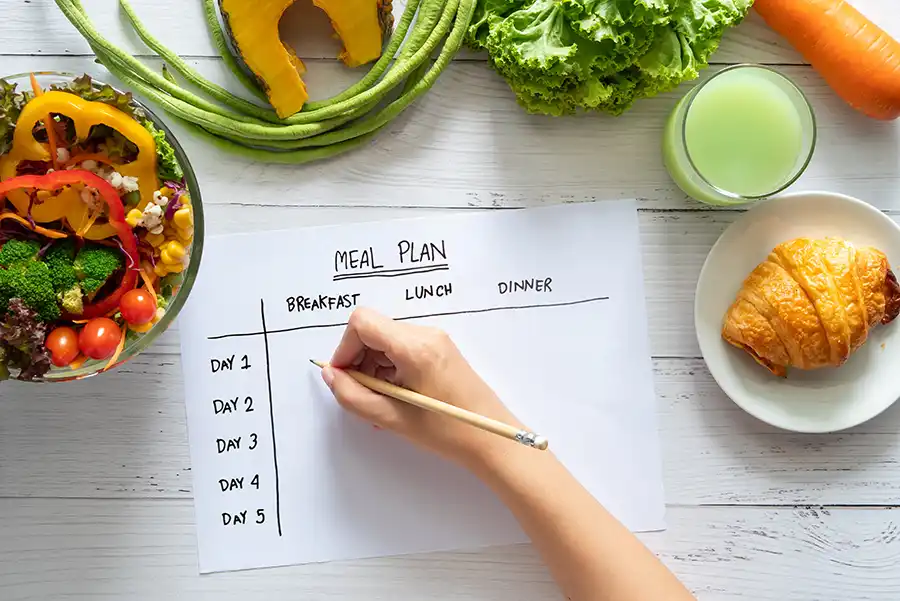
Planning what to eat is one of the most effective ways to save money on food and eat more healthily. You don’t need to plan every meal, but having an outline of what to cook means you’re less likely to overspend when shopping or impulse buy.
Once you have an idea of what you’d like to eat, be sure to check your cupboards, fridge, and freezer to see what you already have, as this can save money and avoid food waste. If you have courgettes and aubergines that need eating, for example, you could make a ratatouille, and use the leftovers the next day as a pasta sauce.
If planning for the week feels overwhelming, try planning for just three days at a time – or focus on your evening meals during the week.
2. Batch cook
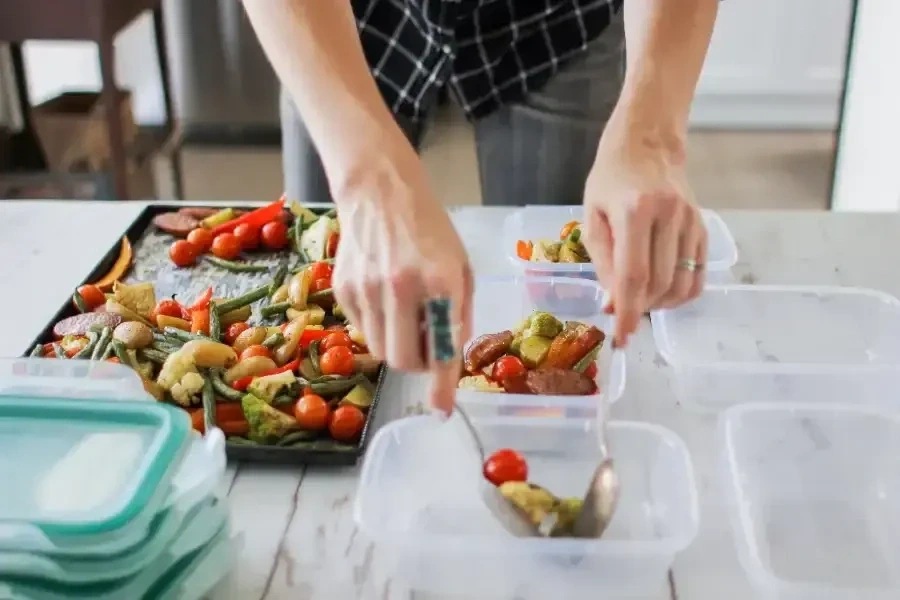
Once you’ve got a menu idea, why not go further and batch cook a few meals? No matter our good intentions, sometimes we’re too tired to cook after a long day, and perhaps cave to the lure of a takeaway, or eat unhealthy snacks in place of a nutritious meal.
But batch cooking meals and freezing them for later is an excellent way to save time, cut costs, and use up food. If you have a load of butternut squash, for example, and make a big batch of soup, you may not want to eat it three days in a row…yet on a cold, damp day, you’ll be glad to have a restorative meal in the freezer, ready to heat up.
If you’re often tired or busy during the week, try batch cooking on a Sunday. Not only can this be a surprisingly meditative weekend activity, but starting the week knowing you have delicious meals to enjoy can be comforting. Meals like casseroles, chillis, curries, soups, lasagnes, and pasta dishes can all be batch-cooked in advance and frozen for later.
For inspiration, check out our article: 8 batch cooking recipes that will last all week
3. Pad out meals with pulses
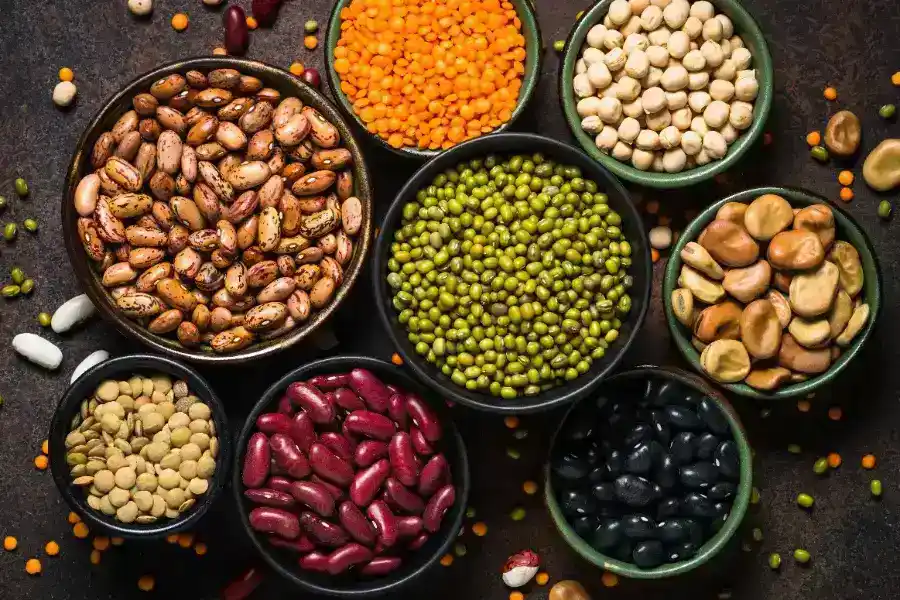
One of the easiest ways to make cheaper, healthier, and more filling meals is to replace some of the meat (or fish) with pulses like beans, lentils, and chickpeas. Not only are these ingredients superfoods, but they’re also packed with fibre and protein, filling you up while making meals healthier and more sustainable.
Meat – particularly high-quality meat – can be expensive, while beans and pulses are very cheap; a tin of beans costs around ⅕ the equivalent weight of beef mince, for example. So swapping out half the meat in a meal for beans will cut costs while still providing protein, fibre, and slow-release energy.
So, next time you’re making a chilli, stew, curry, bolognese, or any other sauce-based meal, try padding it out with pulses. To get inspired, have a read of our article, 6 biggest benefits of eating more beans.
4. Buy local, seasonal produce
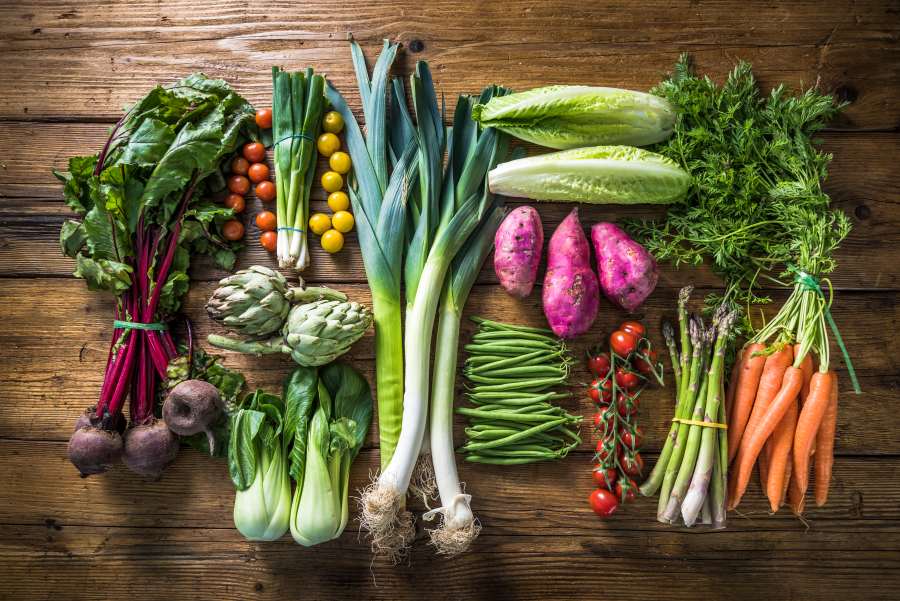
Most of us know that eating local, seasonal produce is better for the planet. Food that’s flown in from abroad accounts for 11% of carbon emissions, so buying locally is a great way to cut down on food miles and reduce your carbon footprint. But local, seasonal produce is usually cheaper, too; seasonal food is less expensive to harvest, and local food means fewer transport and storage costs.
Different fruits and veg grow at different times, so it’s worth knowing what’s in season. When you find good-quality seasonal produce, you can include it in your weekly meal plan, then batch cook with it. Make the most of summer produce like courgettes, broad beans, and broccoli by cooking tasty meals and freezing them for later – then you can look forward to brightening up dark days with summer veg.
To find out more about the benefits of eating seasonally, have a read of our article: What fruit and vegetables are in season now?
5. Avoid wasting bread

Bread is a staple of most people’s diets – though it’s also the most wasted food item in the country. Every day, an estimated 20 million slices of bread are thrown away…the equivalent of over one million loaves a day! Not only is this a sad waste of good food, but it’s also usually preventable.
Bread freezes exceptionally well, and frozen slices can be placed straight into the toaster, so you don’t need to defrost them. Keep fresh bread in airtight bags so it stays fresher for longer. If you find it’s gone stale or hard, it still has many uses: you can turn it into croutons or breadcrumbs, make French toast, or whip up a homemade bread and butter pudding.
6. Freeze herbs and fruit
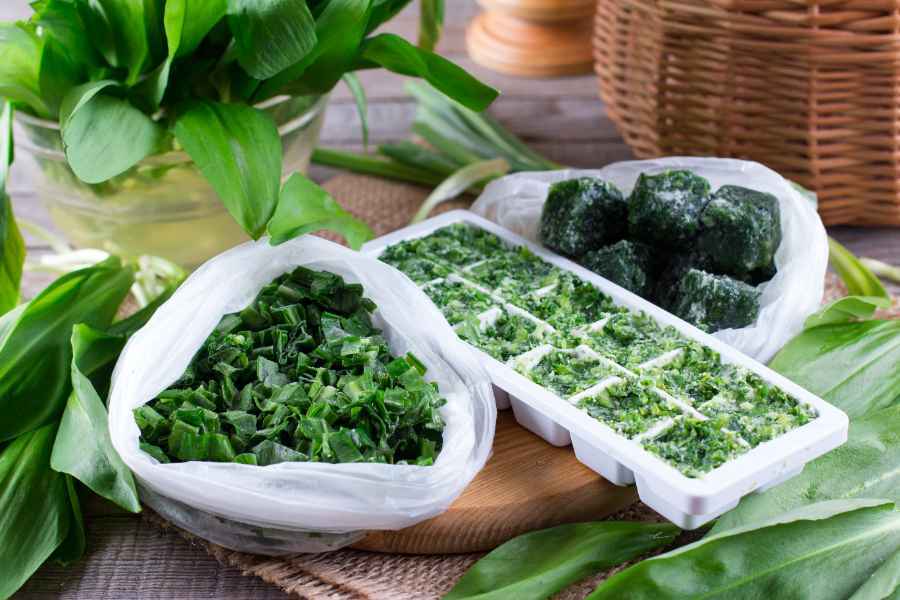
Buying bunches of fresh herbs to use in a recipe, but finding they wilt before you can finish them is a common problem. Fresh herbs often get thrown away, which is a shame, as they freeze surprisingly well.
If you have leafy herbs like basil, mint, coriander, or parsley, you can chop the leaves and freeze them in water-filled ice cubes or flat on trays. Hardier herbs like rosemary, thyme, sage, and oregano are suited for freezing in oil – and you can use the frozen herb oils as a flavoursome base for cooking.
Similarly, try to avoid throwing away uneaten fruit. If you won’t have time to eat it all before it goes bad, simply chop the fruit up, place it in freezer bags, and freeze it. You can eat the defrosted fruit as a snack later on, or add it, still frozen, to a blender to make smoothies.
7. Make your own stock

Stock cubes are a store cupboard staple, and while it’s always good to have a pack in the kitchen, why not make your own? Homemade stock is a great way to use leftover ingredients that would otherwise be thrown away, and it tends to be healthier than shop-bought stock, which often contains excessive salt or additives. You can also customise it to your taste preferences.
If you’ve roasted a chicken, you can save the bones and carcass, and boil them in water with chopped onions, carrots, celery, and seasoning, and you’ll end up with several litres of nutritious stock. Prefer to make a veggie version? Boil up all the odd veggies you have, including the bits you usually toss – roots, skins, tops – with some peppercorns and bay leaves. And, if you have leftover stock, just freeze it for a rainy day.
8. Use food apps
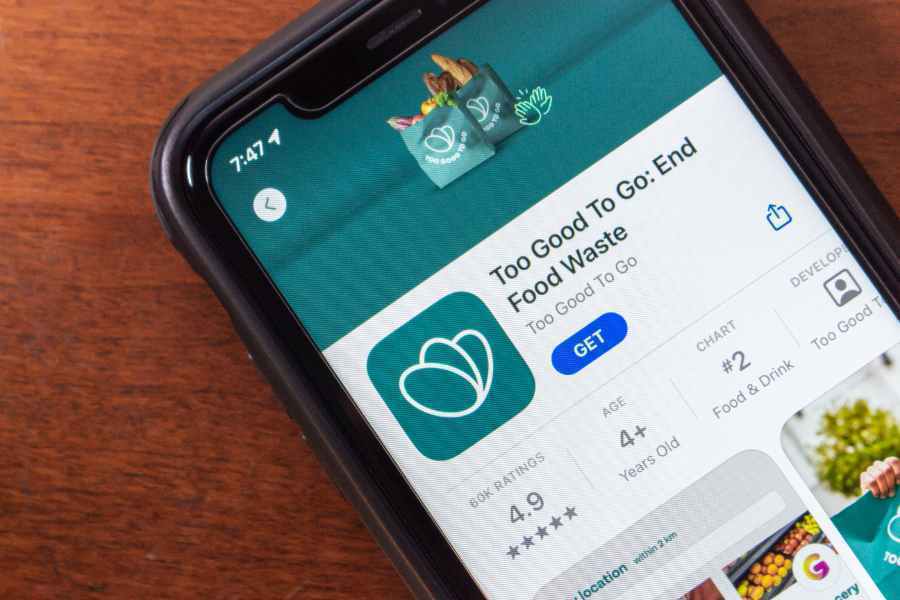
For an extra helping hand, you might like to download a food app. Several excellent apps serve different purposes: some reduce food waste, some give away food, and others help you better manage, track, and use the food you have.
Some food apps you might like to consider using include…
- Kitche: Tackles food waste by tracking the food you have at home, suggesting recipes that use these ingredients, and clarifying the cost and environmental impact of your food waste.
- Nosh: Manages your food inventory, tracks expiry/use-by dates in real-time so no products go off, and suggests recipes based on ingredients that need using.
- NoWaste: An app that creates inventories of your food, reminds you about expiration dates, creates shopping lists, and updates you about your food’s environmental impact.
- Olio: A food-sharing app that enables people in the same area to share excess or unwanted food.
- Too Good To Go: Allows you to buy unsold food from restaurants, shops, and local businesses. Because this food would otherwise end up in the bin, you can purchase it very cheaply.
To find out more about some of these apps, check out our article: Four apps to reduce food waste and save money.
9. Take advantage of deals

We all love a good deal, and taking advantage of offers can be a good way to save. Own-label products are usually much cheaper than branded products, but sometimes there are excellent offers on big brands. When you find a good offer, it’s worth stocking up – and if the items are perishable, stick them in the freezer. Just try to avoid getting lured into buying things you don’t need.
It’s worth taking advantage of supermarket loyalty cards, too, as most offer exclusive deals, vouchers, and discounts to their customers. Unless you only shop at one supermarket, it may be worth getting loyalty cards for all the main supermarkets. That way, if you do pop into a different shop on a whim, you can still save money and take advantage of deals.
10. Get creative
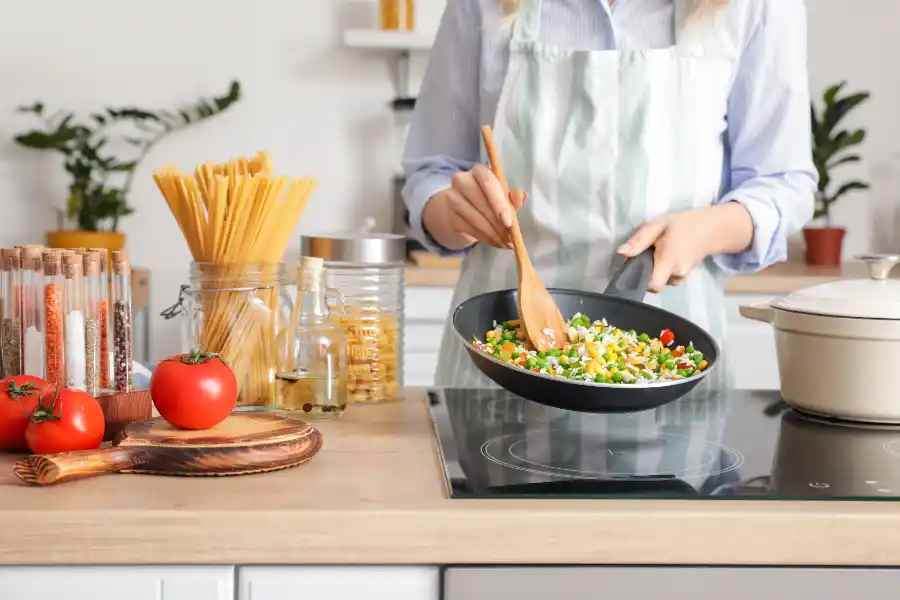
And finally…get creative! Thinking outside the box and being willing to get more inventive with your cooking is an easy way to make your food go further. With a bit of imagination, almost all leftovers can be turned into a decent meal, so nothing ends up wasted.
Almost anything can be thrown into fried rice or an omelette, for example. Veg like onions, spinach, peas, peppers, and courgettes all work well, meat and fish can be thrown in, and adding fresh herbs or condiments is a great way to elevate the final dish.
There are many other delicious ways you can get creative with leftovers. You’ve probably heard of a ‘Boxing Day sandwich’ – so why not make a ‘Roast Dinner Sandwich’ to enjoy for lunch on Monday? Almost all leftover meat or fish can be turned into tasty curries, too, while leftover beans can be used in hearty soups and stews.
For more ideas, check out our article: 10 money-saving recipes made from leftover foods.
Final thoughts…
From making weekly menus and batch cooking to using food apps and padding meals out with pulses, these 10 tips can go a long way in making your food go further.
Not only can they help you save money on your weekly food shop, but they’ll also ensure you’re doing your part to reduce waste while enjoying delicious, nutritious meals at the same time.
For more food inspiration, head over to our food and drink section.
Do you have any other tips on making your food go further? We’d love to hear from you in the comments below.
Selene Nelson is an author, freelance journalist, and lifestyle writer for Rest Less. After graduating from the University of Sussex with a degree in English Literature, Selene began contributing to many major newspapers and websites, and has written for the BBC, The Sunday Times, The Independent, Town & Country, and HuffPost. Her specialist subjects include food, travel, and health, though she enjoys writing about a wide range of topics (e.g. her two books are about veganism and psychopathy, respectively!). She enjoys cooking (particularly pasta and Asian noodle soups), reading, travelling, hiking, attempting to keep fit, and watching animal videos on YouTube.
* Links with an * by them are affiliate links which help Rest Less stay free to use as they can result in a payment or benefit to us. You can read more on how we make money here.
Join the discussion
Read our full commenting terms and guidelines