Is your garden being invaded by box tree caterpillars? Ecology experts have issued a warning about the summer surge in these destructive pests that can decimate an entire hedge within a few days.

An ecologist from Arbtech commented: “Box tree moth caterpillars might look harmless, but they’re an invasive species that can strip a healthy plant in no time – and because they often feed from the inside out, many people don’t realise there’s a problem until it’s too late.

“Box hedging is hugely popular in British gardens, so this species is having a serious impact not just aesthetically, but financially, too.

“We’re urging homeowners to check their plants regularly over the summer months. Look for tell-tale signs like webbing, leaf loss, or green-and-black striped caterpillars.

“If you spot an infestation early enough, treatment is possible using biological control or specific pesticides – but swift action is essential to save the plant and stop the spread.”

What are box tree caterpillars?

What are box tree caterpillars

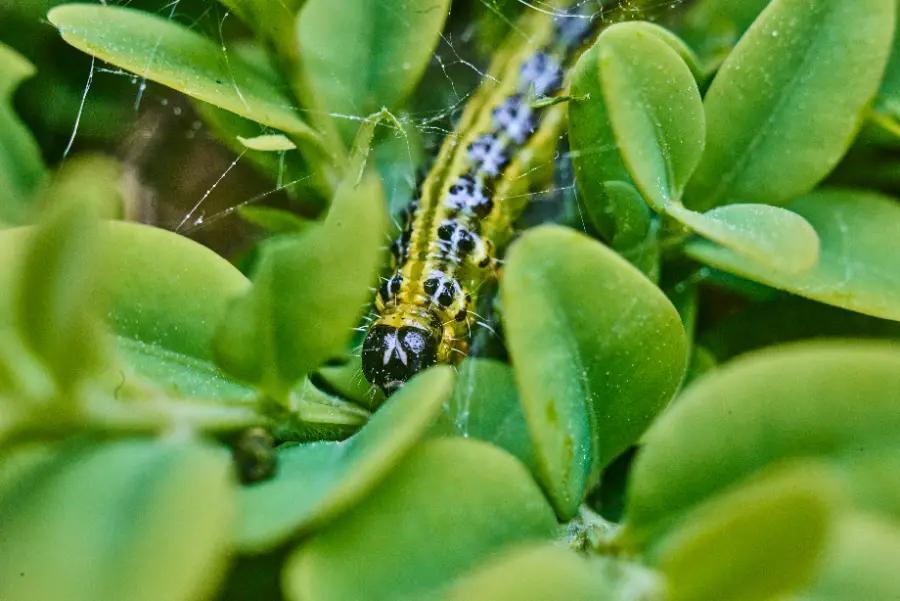
Box tree caterpillars are the larvae of a moth (cydalima perspectalis) that feeds on box plants and lays its eggs on the underside of box leaves. The resulting caterpillars create webbing over their feeding area, before munching through the leaves and bark.

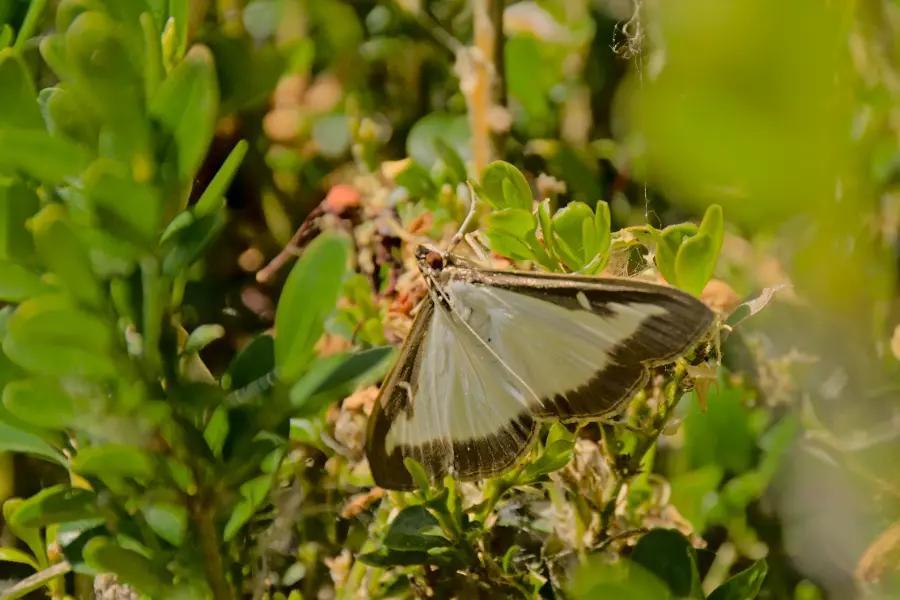
After around a month, the box tree caterpillar forms a chrysalis around itself and later emerges as a box tree moth, perpetuating the cycle. Between spring and autumn, multiple generations of box tree caterpillars can be produced. They hunker down among box foliage during winter, ready to continue feeding the following spring.

Activity is particularly high throughout July and August. If no action is taken, box tree caterpillars can destroy hedges in as little as a few days – and many people don’t realise what’s happening until it’s too late. Heavily infested plants will usually need to be removed and replaced altogether.

Where did box tree caterpillars come from?

Where did box tree caterpillars come from

Box tree caterpillars are fairly new to the UK. Native to East Asia, they were first spotted in Europe in 2007 after hitching a ride on imported plants. The first box tree moths were found in UK gardens in 2011, and by 2014, box tree caterpillars were established in gardens in London and the surrounding areas.

These pests have continued spreading UK-wide and are expected to become an annual problem for gardeners during the growing season (March-October), particularly in the southeast of England.

How to protect your garden from invasive box tree caterpillars

While the invasion of box tree caterpillars can feel daunting, Arbtech have recommended several things that you can do to protect your garden.

1. Look out for green caterpillars with black heads and white bands

Box tree caterpillars are easy to identify once you know what to look for. Most are about 2-4cm long. They have black heads and bright green bodies, with thick black and white stripes.

2. Check box plants weekly for leaf damage or webbing

Box tree caterpillars usually start munching away from the inside of the plant, making damage difficult to spot to start with. They also hide deep inside the plant, underneath leaves or in other cosy spots. Then, as their numbers build, they start moving outwards where they’re easier to see.

This means that regular and thorough checking of box plants is your best bet for spotting problems early.

Keep an eye out for nibbled leaves, patches suddenly turning brown, or areas looking a bit thin. Webbing in the middle of the plant – people often think it’s just spider webs – is a big giveaway. You might also see little black dots (their poo) around the bottom of the plant or tucked in the leaves.

3. Pick off caterpillars by hand if you can, or use proper treatments

For smaller problems, you can just pick the caterpillars off by hand – just make sure you’ve got gloves on.

If things are getting out of hand, you can also use a biological spray that targets caterpillars but won’t hurt bees or other helpful bugs. Ideally, you want to treat them when they’re busy eating, which is usually late spring and late summer.

4. Get rid of infected clippings properly to stop the moths spreading

If you need to cut back or remove an infested plant, make sure you dispose of the bits properly. This means not chucking them on your compost heap at home, as eggs or baby caterpillars could survive and cause more trouble.

It’s best to bag everything up and take it to your local tip that handles garden waste, or check the disposal advice of your local council.

It’s worth giving your tools a clean afterwards, too, so you don’t accidentally spread caterpillars or eggs to your healthy plants. Proper disposal helps stop these moths from reestablishing themselves – especially if they’re already a problem in your area.

5. Hold off on pruning from April to September

Pruning leads to plants producing lovely soft new growth, which is irresistible to box tree caterpillars and moths laying eggs.

To avoid rolling out the red carpet for them, try not to prune box plants during months when the caterpillars are busiest (usually April to September). If you really need to trim, it’s best to wait until late autumn or winter when the caterpillars lie dormant.

Can I prevent box tree caterpillars?

Even if you’re yet to see a box caterpillar in your garden, there are things you can do to make your garden less attractive to them. For example…

  • Use pheromone traps – these mimic the pheromones produced by female box tree moths. Male moths are attracted to the trap and get stuck inside, disrupting the breeding cycle. The downside is that traps need to be replaced regularly and are unlikely to catch all male box tree moths that enter your garden. They can, however, be helpful for identifying the presence of box tree moths so you can take action quickly.
  • Use alternatives to box – when considering what to plant in your garden, consider alternative plants that are similar to box but don’t have the same appeal to box tree pests. Box leafed holly (Ilex crentata or Lonicera nitida) looks similar to box, or for something a little different, lavender, podocarpus, and Mexican orange blossom spread well and have the added advantage of producing flowers to support pollinators.

For further reading, head over to our gardening section, where you’ll find articles like 9 weed solutions that don’t harm bees and 10 natural methods to keep wasps at bay.

Have you seen a box tree caterpillar? Have you managed to keep them at bay? We’d be interested to hear from you in the comments below.