- Home
- Leisure & Lifestyle
- Home & Garden
- How to stop hanging baskets from drying out
How does Rest Less make money
We make money through advertising and commission from affiliate links, which enable us to offer Rest Less as a free service to our users. The content on this page may use affiliate links, which track traffic from our website to a third party provider and enable us to receive a commission or payment from any traffic we refer.
* Affiliate links on this page have an * next to them. We place enormous importance on our editorial independence and the integrity of our content which means that we will never change how we write about something as a result of an affiliate link.
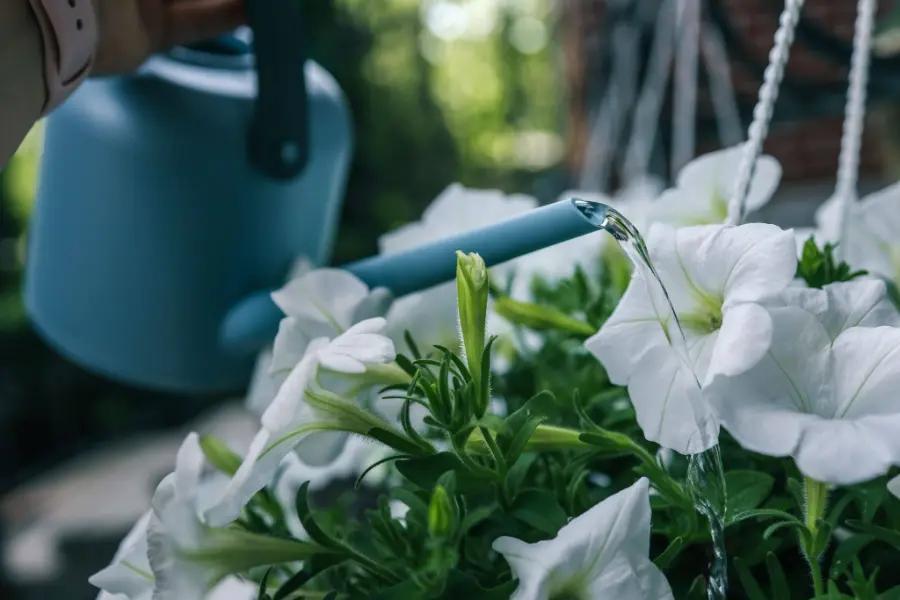
Hanging baskets look beautiful, which is why so many of us feel compelled to add them to our outdoor spaces. These humble hangers can bring a welcoming burst of colour and personality to a porchway, balcony, or garden, making them look fuller and more complete. But turning them into the spectacles they should be can take extra thought and planning, with hydration becoming a common problem, especially when temperatures spike.
Because they’re suspended in the air, hanging baskets are particularly vulnerable to sun and wind, meaning they dry out quickly and need frequent watering to keep them at their best, which can be cumbersome, especially if you have a busy schedule. So, if your hanging baskets are looking dry, tired, and short of blooms, or if you’re keen to find a simple solution to reduce the water demands of your baskets while helping them flourish, you’re certainly not alone.
Luckily, there are a few quick and easy steps you can take to stop hanging baskets from drying out and keep them looking their best.
How often do hanging baskets need watering?
Hanging baskets will always need a fair amount of watering to keep them alive and well – usually once per day during the summer or twice per day during a heatwave. Try to water during the cooler parts of the day to reduce evaporation.
Common signs that your plants need watering more often include wilting in the morning, baskets feeling remarkably lightweight, and soil looking baked and pulling away from pot edges.
Watering should be slow and thorough, allowing moisture to soak right through the root ball until it begins to drain from the bottom. If you only give a plant a quick splash of water on top, it can evaporate before it ever reaches the roots.
4 tips to stop hanging baskets drying out
Although hanging baskets will always need lots of water, these simple steps can help you avoid having to don your hose or watering can daily.
Choose your container wisely
You can choose hanging baskets made of wood, wire, or plastic – but for retaining moisture, plastic is your best bet. Wood is too porous, and wire hanging baskets typically rely on porous liners like coco coir or sphagnum moss.
Some plastic hanging baskets also have water reservoirs, which you can detach and refill, allowing plants to stay hydrated for longer than if watered from above. These self-watering baskets use a wicking system to pull water upward towards the soil as the plant dries. There’s a handy drainage hole positioned above the reservoir’s water level to prevent the basket from overflowing and drowning plants.
Check out this small aqua lock hanging basket from Ashwood Nurseries as an example
Use a plastic liner to support water retention
If you have wire or wood hanging baskets and want to keep the plant soil moist for longer, it’s worth adding a plastic liner to your hanging basket. You can use a standard bin liner for this, cutting a circular piece to fit your basket.
If you’re worried about the plastic looking unattractive, one way to counter that is to add a layer of moss to the outside of the plastic wrap – just remember to poke holes in it for drainage to prevent plants from becoming waterlogged.
Add kitchen sponges to the soil
This handy hydration hack has been circulating over the last few weeks: try adding cut-up sponge pieces to the bottom of baskets between the soil and plastic liner. The idea is that they’ll act as little reservoirs, soaking up excess water where available and releasing it into the soil as it dries out.
You can use basic kitchen sponges for this. Just make sure they’re plain and not preloaded with soap or cleaning products, which could damage plants.
Try a Miracle-Gro Moisture Control Water Storing Gel
Receiving rave reviews on Amazon, Miracle-Gro Moisture Control Water Storing Gel for Pots & Baskets is designed to increase the water-holding capacity of compost. It contains water-storing crystals that absorb and release water when the plants need it.
Simply mix the crystals into the compost between March and September when plants are actively growing, and it will provide extra hydration all season long.
Other quick tips for hanging basket success
- Use quality compost. Choose peat-free multi-purpose compost instead of garden soil, which is heavy and won’t drain well. Look for one labelled specifically for containers and baskets, as it will be lighter, while still retaining moisture and allowing excess water to drain away. Add slow-release fertiliser pellets to the compost to give it a nutrient boost over several weeks.
- Avoid packing soil too tightly. This will make it easier for the soil to drain and give young shoots a chance to develop.
- Remember to feed. Plants work hard to produce flowers, using up lots of nutrients, so feeding them once a week from late spring through to early autumn with a liquid fertiliser will help them to keep their energy up. Look out for fertilisers designed specifically for hanging baskets or flowering plants.
- Deadhead, prune, and refresh regularly. You can communicate with your plants and tell them to keep flowering by removing dead flower heads and any seed pods. Removing any dead or yellowing foliage will also help your plant conserve nutrients and support and encourage new growth. You can also trim trailing or spindly plant stems to encourage new bushier growth.
Final thoughts…
With a little patience and TLC, you can make sure your hanging baskets produce beautiful blooms all season long. And the good news is that by taking a few simple steps, you can also avoid the need to water them every day.
For more gardening tips and tricks, check out our articles: 9 tips for gardening in small spaces and 11 ways to make your garden more wildlife-friendly.
Elise Christian is Lifestyle Editor at Rest Less. She joined Rest Less in 2018 after achieving a first class Master’s Degree in Journalism from the University of Kent, and writes across a range of lifestyle topics such as mental health, home and garden, and fashion and beauty. Prior to this, she worked as a freelance writer for small businesses and also spent a year training to be a midwife. Elise spends her spare time going to the gym, reading trashy romance novels, and hanging out with loved ones. She also loves animals, and has a fascination with sharks and tornadoes.
* Links with an * by them are affiliate links which help Rest Less stay free to use as they can result in a payment or benefit to us. You can read more on how we make money here.

Start your new chapter abroad with this free retirement guide
With Your Overseas Home, you will receive honest guidance, expert advice and a helping hand every step of the way.
Download the free guide to find out how to cut everyday living costs, get tax, pension and visa checklists, and discover top tips from the expat community.
Join the discussion
Read our full commenting terms and guidelines