
Sponsored content

Vintage Cash CowIn a world filled with smartphone notifications, traffic, TV, and the constant demands of modern life, finding pockets of peace can feel like a luxury. And while we can’t always control the noise around us, a new decluttering trend called ‘house hushing’ is encouraging us to turn down the visual noise at home.

So what exactly is house hushing – and could it be the key to a calmer, more peaceful home?

To find out and help you along the way, we’ve partnered with Vintage Cash Cow, the #1 online platform for selling vintage items in bulk. Gather your unwanted vintage items in one box and send them to their team of 100+ vintage and antique experts for free. You’ll receive a valuation within a few days, with free returns if you decide the offer isn’t right for you.

What is house hushing?

House hushing is a decluttering method created by blogger and author Myquillyn Smith, also known as The Nester. In her book, House Hushing: The Simple Method to Declutter and Decorate for a More Peaceful Home, Smith describes the approach as “backwards decluttering” – a way of quieting the visual noise in your home without stripping it of personality.

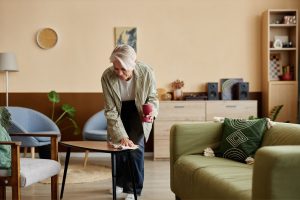
Instead of making endless decisions about what to throw away, you temporarily remove the non-essential items from a room and live without them for a couple of days. You might clear a bookshelf, coffee table, kitchen worktop, hallway cupboard or bedside table, placing anything you don’t immediately need in a separate holding area.

The idea isn’t to get rid of everything…at least not yet. Once you’ve lived with the space for a while, you start bringing back the things you genuinely miss, use, or love. Anything you don’t miss can stay out of sight while you decide what you’d like to do with it.

House hushing turns traditional decluttering on its head. Rather than asking, “Can I get rid of this?”, you’re asking, “Do I actually want this back?” For many people, that can feel like a much easier question to answer.

Rest Less member Deb said: “I’ve just read the book House Hushing by Myquillyn Smith, and it’s the only thing that has ever helped me with my house. I’ve never had success with asking, ‘Does it bring joy?’ Because if it didn’t, I wouldn’t have bought it. I’ve tried several other methods and just get really overwhelmed. Understanding that visual noise and unfinished tasks contribute to the overwhelm has been a game-changer, and in one week I’ve managed to tidy and keep tidy every room, just by calming my space and therefore my mind.”

Could reducing visual noise help you feel calmer?

Could reducing visual noise help you feel calmer

House hushing isn’t about minimalism or deciding that one style of home is better than another. For some people, shelves full of books, photographs and ornaments feel warm and welcoming. For others, too many things can feel distracting or overwhelming.

When fewer objects compete for your attention, you might find it easier to appreciate the things that remain. A clear dining table can make a room feel more inviting, while a less crowded kitchen worktop might make preparing meals feel easier.

There are practical benefits, too. Fewer things on display can mean less dusting, cleaning, moving and tidying.

Of course, decluttering won’t solve every source of stress in life. But creating a home that feels calmer, more comfortable and easier to manage may help you feel more at ease.

For more on the potential perks of clearing your home, have a read of our article, 6 powerful health benefits of decluttering.

Give unwanteds a better next chapter

Your once-loved items are just waiting to be useful again. Pop them in a box, send them to Vintage Cash Cow for free, and they’ll make you an offer to rehome them all.

See all the items they buy

Which rooms work best for house hushing?

You can try house hushing in almost any room, but some areas can be particularly rewarding if you’ve accumulated lots of belongings over the years.

  • Living rooms can be a good place to start, particularly if shelves, sideboards, and cabinets have become home to lots of decorative objects.
  • Bedrooms can benefit from clearing bedside tables, dressing tables, and storage areas.
  • Drawers and cupboards can be worth exploring, too.
  • Home offices and studies can easily become storage for old electronics, paperwork, and other forgotten items.
  • Dining rooms and display areas can work well if you’ve inherited or collected objects that you no longer want on display.

You don’t have to tackle an entire room, either. A single cupboard, drawer or set of shelves can be a useful starting point.

In fact, you might already have tried it without realising. Rest Less member Kim said: “I recently had to clear my windowsills for work on my windows. It looked so good that I didn’t put everything back after years of doing it, so I can see that it would work.”

Sarah, another Rest Less member, found a similar approach useful when moving house: “I’ve just moved, so already doing this as I’m unpacking boxes; I’ve got a massive box for charity already.”

How to try house hushing

How to try house hushing
If you’re tempted to give house hushing a go, there’s no need to empty your entire house into storage. Start small and give yourself the chance to see whether the approach works for you.

1. Choose a room and a holding space

Pick a room that feels particularly cluttered or visually busy, then choose a less-used space to act as a temporary holding area. It could be a spare bedroom, home office or even a section of a cupboard. Try to choose somewhere that will cause the least disruption to your daily routine.

For now, don’t worry about organising everything or deciding what to get rid of. You’re simply creating a clear space so you can experience the room differently. And remember, the holding area is only temporary – you won’t have to live with it like this forever.

2. Remove the non-essentials

Work your way around the room, removing smaller items you don’t immediately need or want on display. This might include things on shelves, tables, and other surfaces, as well as belongings tucked away in drawers, cupboards, and other storage areas.

You could put aside ornaments, decorative objects, spare cushions, and books, along with things you’ve accumulated in a bedside drawer or kitchen cupboard.

If you come across things you’ve forgotten about – such as an old camera, watch, piece of jewellery, coins, or other vintage items – include these, too.

Leave larger essentials, including furniture and anything the room needs to function, in place.

3. Put everything out of sight

Move the items you’ve removed into your holding room or another suitable storage space. The important thing is that they’re out of your immediate line of sight, allowing you to experience the room without them.

There’s no need to decide what happens to anything yet. Think of it as a trial separation rather than a break-up.

4. Live with the room for two days

Now comes the important part: use the room.

Smith recommends leaving it hushed for two full days. Instead of simply looking at the room, live in it as you normally would and notice how it feels. Do you enjoy having more space? Does anything seem to be missing?

If something is genuinely useful or adds something you value, bring it back.

5. Decide what stays out

After two days, you’ll have a better idea of which items the room actually needs. You can then decide what you’d like to do with the remaining items.

Some might be donated or passed on, while unwanted vintage items could be sold rather than simply returned to storage. If you’re unsure whether certain vintage items could be worth money, Vintage Cash Cow has a full list of what they accept, and you can send in items in bulk for a free valuation.

Is house hushing right for everyone?

Like most decluttering methods, house hushing won’t appeal to everyone. Some people might find packing things away only to deal with them later frustrating, while others may prefer a more traditional approach.

It can also be tricky if you don’t have much storage space. But you don’t have to follow the method perfectly. You could clear one shelf rather than an entire room, or put away a handful of decorative items and see whether you miss them.

The aim isn’t to follow another set of decluttering rules. It’s to find an approach that helps you make decisions with less pressure.

Give unwanteds a better next chapter

Your once-loved items are just waiting to be useful again. Pop them in a box, send them to Vintage Cash Cow for free, and they’ll make you an offer to rehome them all.

See all the items they buy

Final thoughts…

House hushing might be the latest buzzword in decluttering, but its appeal lies in a simple idea: sometimes, it’s easier to work out what matters when you have the chance to live without everything else.

Rather than forcing yourself to decide what to throw away, you can press pause, clear some space, and gradually bring back the belongings that genuinely earn their place. After all, the goal isn’t an empty home. It’s a home filled with things you actually want to see.

For anything that doesn’t make it back, Vintage Cash Cow offers a simple way to sell unwanted vintage items in bulk.