- Home
- Leisure & Lifestyle
- Home & Garden
- Is my home suitable for solar panels?
How does Rest Less make money
We make money through advertising and commission from affiliate links, which enable us to offer Rest Less as a free service to our users. The content on this page may use affiliate links, which track traffic from our website to a third party provider and enable us to receive a commission or payment from any traffic we refer.
* Affiliate links on this page have an * next to them. We place enormous importance on our editorial independence and the integrity of our content which means that we will never change how we write about something as a result of an affiliate link.
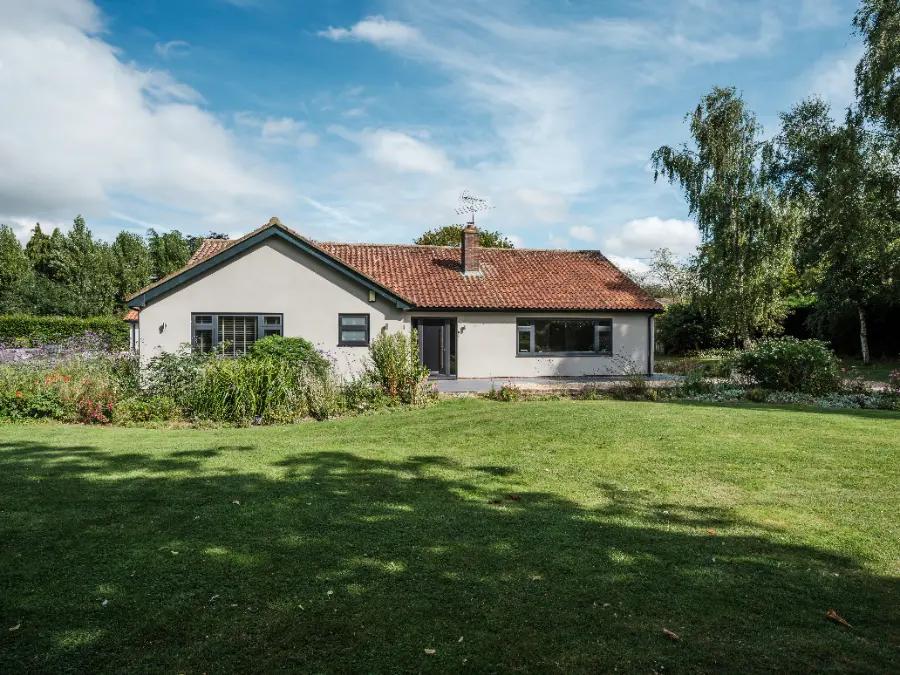
Over 1.5 million UK households have already gone solar. With energy bills rising and climate concerns ever-present, many homeowners are asking the same question: Is my home suitable for solar panels?
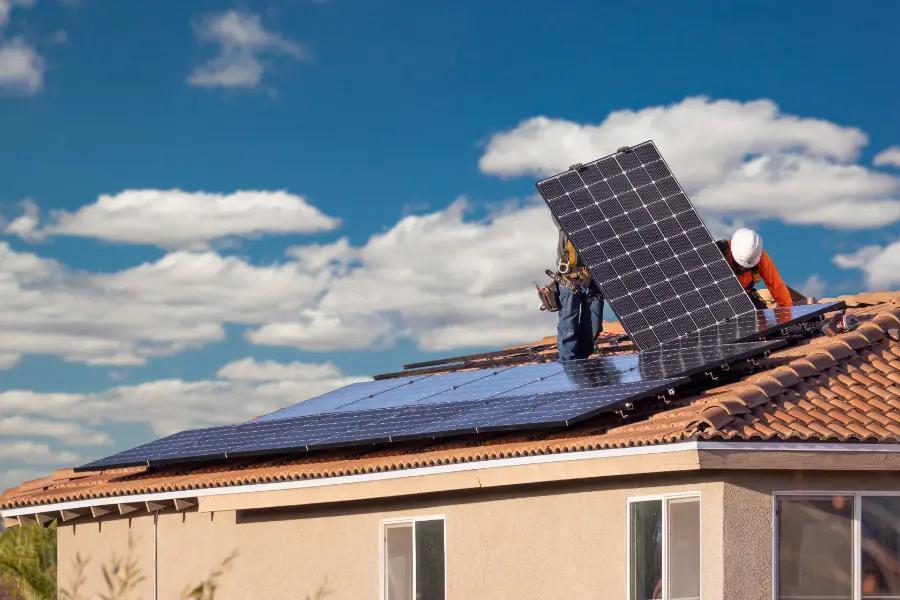
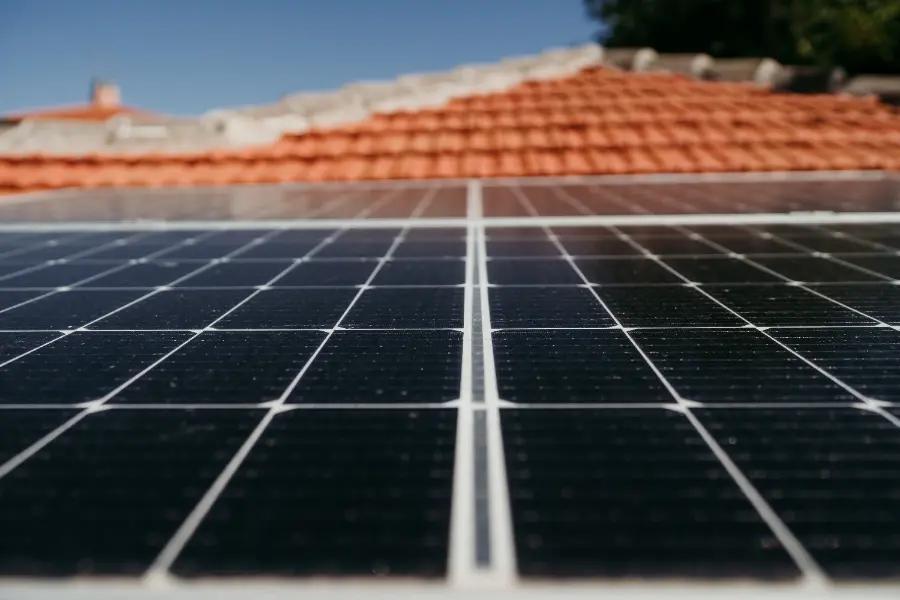
By converting sunlight into electricity, solar panels can cut costs, shrink your carbon footprint, and reduce your reliance on the grid. But while many UK homes are suitable, not all are. Roof size, angle, and shading can all affect how much energy your panels generate — and whether the investment is worthwhile.
Ultimately, it’s best to get an MCS-certified installer to confirm whether solar panels are safe and financially beneficial for your home. Still, having a sense of the key factors yourself can make it easier to shop around for quotes with confidence. So, below we’ll cover what to consider before deciding if solar panels are right for your property.
1. Which way does your roof face?
The direction your roof faces plays a big role in how much sunlight your solar panels receive – and how much energy they can generate.
- South-facing roofs – are ideal in the UK, as they receive the most sunlight.
- East and west-facing roofs – are also worthwhile, although, according to The Energy Saving Trust, they generate about 15–20% less energy than south-facing roofs.
Which is best (east or west) depends on your daily energy habits: east-facing panels produce more energy in the morning, while west-facing panels peak in the late afternoon and evening.
Aligning panel direction with when you use the most electricity can help you make the most of solar power as it’s produced. - North-facing roofs – receive the least sunlight in the UK, so are generally less suitable. While a few north-facing panels can contribute to a multi-orientation system, most experts don’t recommend a fully north-facing setup. This is because the low energy output rarely justifies the cost.
In some cases, if your roof faces north but you have a large outdoor space, a ground-mounted system could be a better option. We’ll cover more about these later in the article.
2. Do you have enough roof space?
While it might sound obvious, the roof space needed for solar panels depends on the size of your intended system. So the answer to this question will differ for each household.
However, to give you an idea of what to expect, the Energy Saving Trust estimates a typical solar panel system uses between six and 12 panels, covering 10 to 20m2 of roof surface.
As part of your quote, your installer will work out how many panels can fit on your roof and the best layout.
3. Does your roof get too much shade?
Obstacles like chimneys, satellite dishes, nearby buildings, and overhanging trees can cast shade on our roofs, reducing solar panel efficiency. So it’s important to factor this in when deciding whether solar is right for your property.
As part of your quote, your solar panel installer should assess your roof’s shade levels, considering how they might change throughout the day and seasons. They can then explain options for getting the most out of your solar system.
For example, they might recommend other placement options, such as ground-mounted solar panels, or advise you to include ‘solar optimisers’ in your system. These small devices boost the overall performance of solar systems by maximising the efficiency of individual panels. This can be especially useful when some panels are shaded and others aren’t.
4. Is your roof at the right angle?
The ideal angle for solar panels is between 30 and 40 degrees. This range typically provides the best year-round sunligh exposure, helping your system generate as much energy as possible. If your roof already sits within this pitch range, it could be a great fit for solar panels.
However, even if your roof doesn’t match this angle, solar panels can still be worthwhile. Installers can use mounting systems to adjust the angle of your panels and boost their efficiency. But bear in mind that mounting systems will increase the upfront cost of your solar panel system.
5. Does your roof have a loft beneath it?
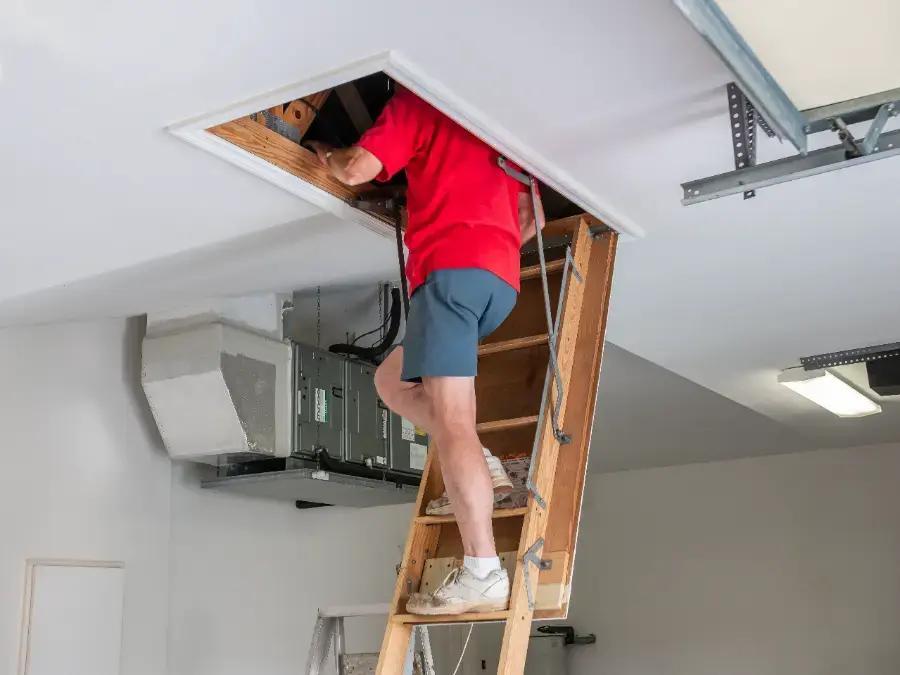
According to renewables expert Josh Jackman, it’s much easier to install rooftop solar panels if you have a loft space. This is because installers can easily inspect the underside of your roof to assess its structural integrity and ensure secure, watertight solar panel installation.
By contrast, houses with vaulted loft ceilings might be unsuitable for rooftop solar panels because engineers may not be able to assess the roof’s structure before installation or check for damage afterwards.
According to Jackson, spray foam insulation between rafters can also present an issue. It can prevent installers from checking the condition of your roof felt and ruling out future leaks once the installation is complete. This means they might be hesitant to install rooftop solar panels in your home.
6. Do you need permission to install solar panels?
Installing solar panels on homes typically falls under ‘permitted development’ and doesn’t need planning permission.
However, there may be extra restrictions for those living in national parks, conservation areas, and listed buildings. So it’s worth checking with your local planning office beforehand.
Either way, if you live in Britain, you’ll need to register your solar panel system with your Distribution Network Operator (DNO). This is the organisation responsible for managing the power supplies in your area. In Northern Ireland, you’ll need to register with NIE Networks. However, your installer should take care of this step for you.
7. Can you install solar panels on a flat roof?
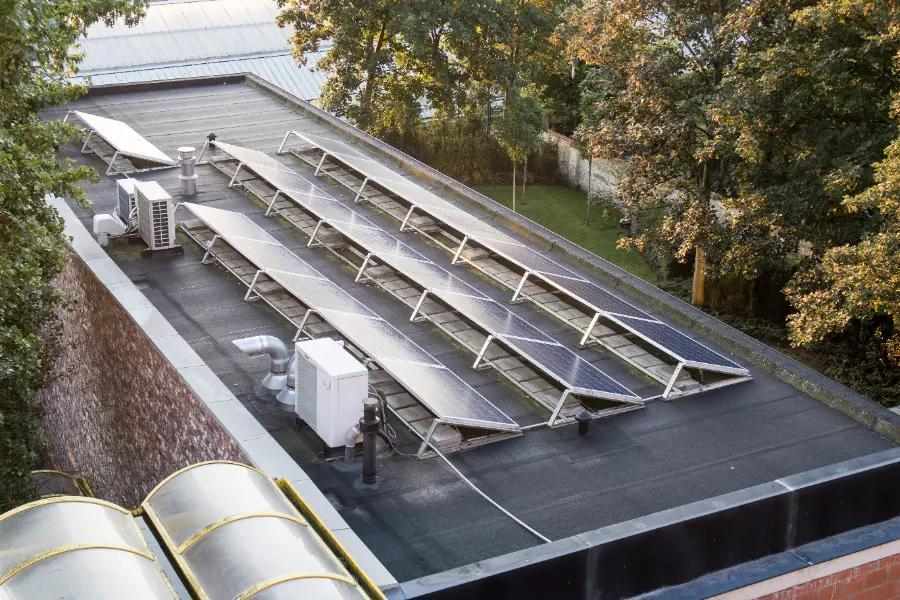
Thanks to the mounting systems mentioned above, it’s possible to install solar panels on flat roofs. However, there are some extra difficulties involved, leading some experts to steer people away from this option.
Flat roof solar systems are often weighted down rather than fixed directly to the roof covering. This secures panels while preventing leaks caused by fixings. However, many flat roofs can’t take the extra weight, which is often substantial.
Even if your flat roof is deemed strong enough for solar panels (your installer should consult with a structural engineer), some experts still don’t recommend going ahead with installation. Tom Brehme, a fully-qualified electrician who’s worked in residential solar installation for over a decade, says…
“Most flat roofs tend to last about 10-20 years because of the long-term damage caused by sitting rainwater, so you’ll probably have to replace your roof halfway through your panels’ lifetime.”
What’s more, flat roof solar systems typically use more space than pitched roof systems to make sure there’s enough room between units. Flat or low-slope roofs also tend to collect water and debris more easily, meaning your solar system might need more cleaning and maintenance.
8. Can you install solar panels on a shed or garage?
If you can’t or would prefer not to install solar panels on your main roof, there are other options.
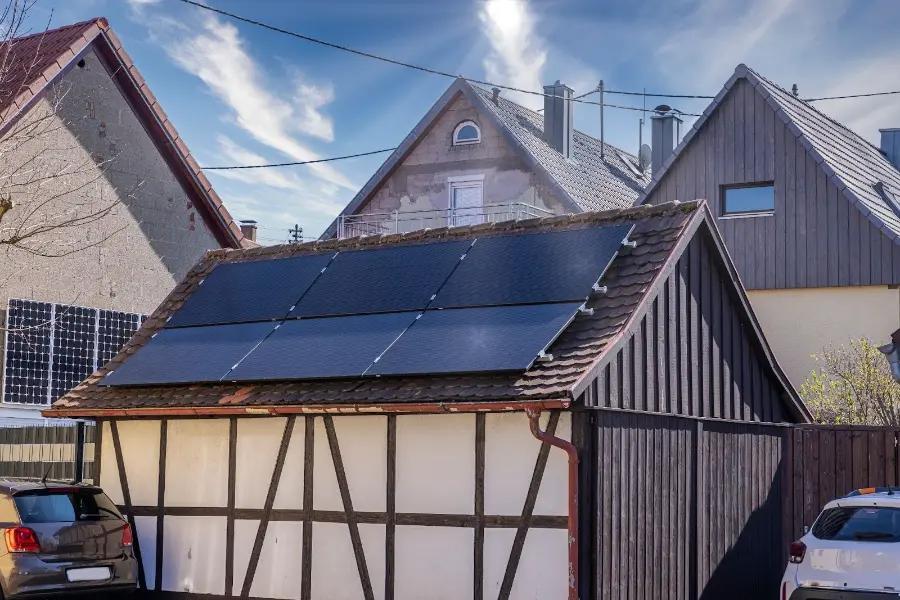
For example, you can install solar panels on outbuildings like sheds and garages, provided they can bear the weight of the intended system. According to The Eco Experts, you can fit four to six solar panels on a standard garage roof.
Most garage roofs can support the added weight of a solar panel system, but your installer will assess it first. If in doubt about a roof’s load-bearing capacity, they should also consult a structural engineer to be certain.
If your shed or garage doesn’t have an existing mains power supply, one will need to be installed.
9. Can you install solar panels in a garden?
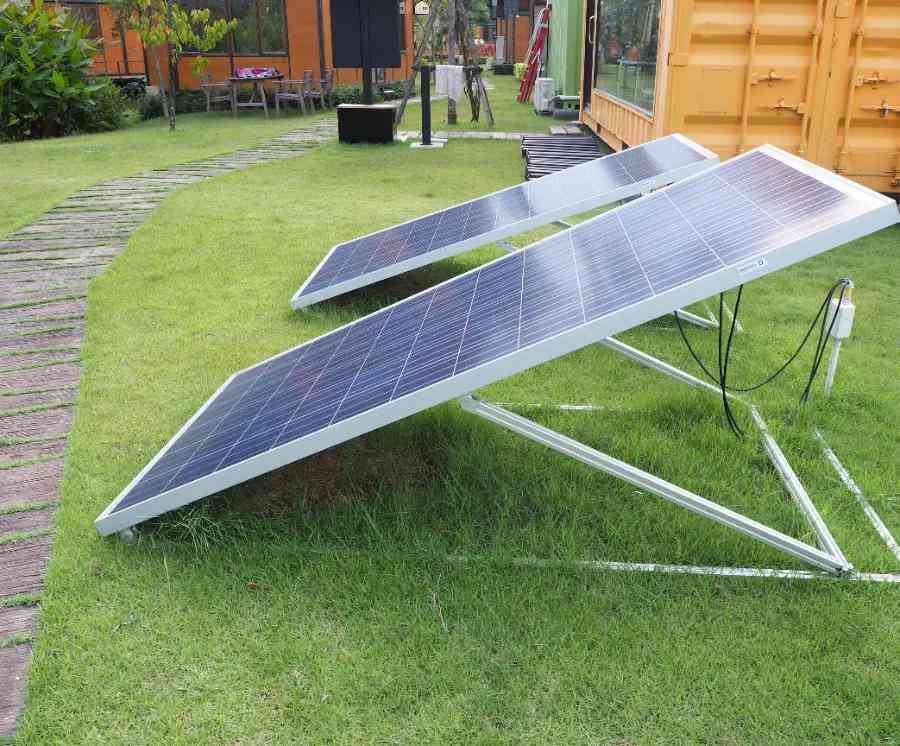
As mentioned earlier, if you have ample outdoor space, a ground-mounted system may work for you. These offer some benefits over conventional roof-mounted systems.
For starters, because they’re installed directly onto the ground, these systems are more flexible in terms of angle and tilt, meaning they can be set up to capture the maximum amount of sunlight possible. They’re also easier to access, making cleaning and maintenance easier.
There are two main types of ground-mounted solar panels: rack-mounted and pole mounts.
- Rack-mounted solar panels sit on the ground in rows.
- Pole mounts involve fixing multiple panels at different heights along a vertical pole.
Rack-mounted solar panels are typically easier to maintain, but the pole mounts take up less space. Pole mounts sometimes have tracking systems, too, that automatically adjust the panels’ positions to follow the sun, making them more efficient.
Aside from taking up valuable space on your property, there are a few disadvantages to installing ground-mounted solar panels.
For example, they’re typically more expensive than conventional roof-mounted ones, and you’ll almost certainly need planning permission. For some, ground-mounted solar panels can be a bit of an eyesore – and they’re more susceptible to shade due to their lower vantage.
Final thoughts…
From factors such as roof angle and direction to alternative solutions like ground-mounted systems, we hope this article has given you a good idea of whether your home is suitable for solar panels.
However, it’s important to remember that you should leave the final decision about your home’s suitability up to an MCS-certified installer. As part of your quote, they should assess your property and energy needs and provide a solar system design based on these factors.
Are you considering adding solar panels to your home? Or have you done so already? If so, we’d love to hear from you in the comments below.
Sam McLoughlin is a Senior Lifestyle Writer at Rest Less. He joined the editorial team in 2021 after completing his Master’s degree in English Literature, Culture, and Theory at The University of Sussex. He enjoys writing about careers, books, sports, travel, and pretty much anything that his editor will let him have a crack at, but his favourite part of the job is interviewing inspiring people – from activists and CEOs to later life career changers. In his spare time, Sam enjoys climbing, snowsports, and going to see live music.
* Links with an * by them are affiliate links which help Rest Less stay free to use as they can result in a payment or benefit to us. You can read more on how we make money here.

Start your new chapter abroad with this free retirement guide
With Your Overseas Home, you will receive honest guidance, expert advice and a helping hand every step of the way.
Download the free guide to find out how to cut everyday living costs, get tax, pension and visa checklists, and discover top tips from the expat community.
Join the discussion
Read our full commenting terms and guidelines