
Brio Retirement Living Logo

Sponsored content

For many of us, owning a home gives us a feeling of security. After years of paying a mortgage, making the place our own, and putting down roots, the idea of renting again can seem like a step backwards.

But what we need from our home can change as we get older. A large family house might start to feel like hard work to maintain, or we might want to move closer to loved ones. A change in circumstances can also make us rethink where – and how – we’d like to live. But if the future feels difficult to predict, buying another property can seem like a big commitment.

If this sounds familiar, renting can offer a helpful middle ground, giving you the freedom to choose a home that suits your life now, without tying you to that decision indefinitely. For some people, it might be a stepping stone, while for others, it could become a long-term choice.

To take a closer look at the potential benefits of renting, we’ve partnered with Brio Retirement Living, which offers homes to rent and buy in its retirement communities.

Here are seven reasons why renting could be worth considering in later life.

7 reasons why renting could be worth considering in later life

1. You can keep your options open

Even a move you’re excited about can feel daunting when other parts of your life are also changing. Maybe you’ve recently retired, experienced a bereavement or separation, or decided you’d like to live somewhere less remote. Or perhaps you just know that your current home isn’t working for you anymore.

Renting gives you more freedom to keep your options open and change course. Rather than buying straight away, you can take time to get to know a new area and see whether life in a retirement community suits you. And if your circumstances change down the line, you won’t have to sell before you can move on.

Brio offers both short- and long-term rental options, with rolling tenancies and a notice period. If you later decide that you’d prefer to buy, you can speak to the Brio team about making the switch.

2. Moving can be quicker and less complicated

Moving can be quicker and less complicated

Buying a home often involves searches, surveys, solicitors, and a long chain of buyers and sellers, which can be frustrating, especially when you’re ready to move or are keen to be closer to family and friends.

Renting removes a lot of these lengthy legal processes, so once you’ve found a home and done the necessary checks, you’re often able to move in much sooner.

If you need to sell your current home first, that part of the process can still take time. But because your next move won’t depend on buying another property, the process can often feel far more manageable.

Home comforts, without home ownership complications

At Brio, we offer rental as a tenure option on all our retirement properties, so you get the independence and the security you need to enjoy life.

Enjoy a beautiful home that’s built around your needs.

Discover more

3. Budgeting can be more straightforward

One concern people often have about renting is that household costs will feel less predictable – but this isn’t always the case. Some retirement rental packages combine several costs in one monthly payment, giving you a clearer idea of what you’ll need to budget for each month.

At Brio, for example, the Essentials Rent payment combines the apartment rent and service fee in one monthly charge. It also covers landlord maintenance, the upkeep and cleaning of communal areas, window cleaning, building insurance, estate management, and communal broadband and utility costs. Fire and call systems, on-site support, emergency assistance, and access to shared facilities and activities are included, too.

Bringing these costs together can make budgeting easier and reduce the chance of being caught out by an unexpected bill.

4. You can leave much of the maintenance to someone else

Looking after a home can use up time and money. Even when nothing major goes wrong, there might still be gutters to clear, lawns to mow, and appliances to repair. After decades of home maintenance, handing over some of these jobs can come as a real relief.

In a purpose-built retirement community, the provider usually takes responsibility for repairs and the upkeep of communal areas. Brio’s Essentials Rent covers maintenance inside the home where it’s the landlord’s responsibility, as well as the upkeep of shared spaces, grounds, and external windows.

It’s still important to read the tenancy agreement carefully, as this will explain which jobs you’re actually responsible for. But if something covered by the agreement needs attention, having an on-site team to contact is usually far easier than arranging a job or repair yourself.

5. You could free up money tied up in your home

You could free up money tied up in your home

If you own your home and decide to sell without buying another, renting can free up some of the money tied up in the property. This can give you more scope to travel, help family members out financially, or simply enjoy retirement with fewer financial worries.

However, that money might also need to cover your rent for many years, so careful planning is key. There’s also the fact that you’ll no longer own a property that could rise in value or form part of your inheritance. Before selling, it’s worth comparing the long-term costs of renting and owning, and seeking advice from an independent financial adviser.

6. Going on holiday can feel simpler

Going on holiday can feel simpler

Retirement can give you more freedom to travel, take longer breaks, or visit family and friends more often. But leaving your house empty can bring its own worries, from keeping the garden under control to wondering whether a problem might occur while you’re away.

Retirement apartments are often well suited to a ‘lock-up-and-leave’ lifestyle. At Brio, on-site teams make sure shared spaces, grounds, and the building’s exterior are always looked after while you’re not there.

You’ll still need to take the usual precautions when you go away, but with fewer household jobs to think about, it might feel much easier just to head off and enjoy your trip.

7. You can stay independent while having support nearby

You can stay independent while having support nearby

Many people worry that moving into a retirement community means giving up their independence. But you’ll still have your own front door and private space, with useful facilities and support nearby if and when you want them.

Brio’s rental homes offer independent living alongside on-site staff, fire and call systems, emergency assistance, and the option to arrange extra support. Its communities also have shared lounges, fitness facilities, and varied programmes of events and activities, so you’re free to get to know your neighbours and join in as much (or as little) as you like.

This balance can be particularly comforting if you live alone or are thinking about how your needs might change in the future. Family members might also feel reassured knowing that support is nearby. However, it’s best to keep in mind that a retirement community isn’t the same as a care home, so it’s important to check what support is available and how much any additional services might cost.

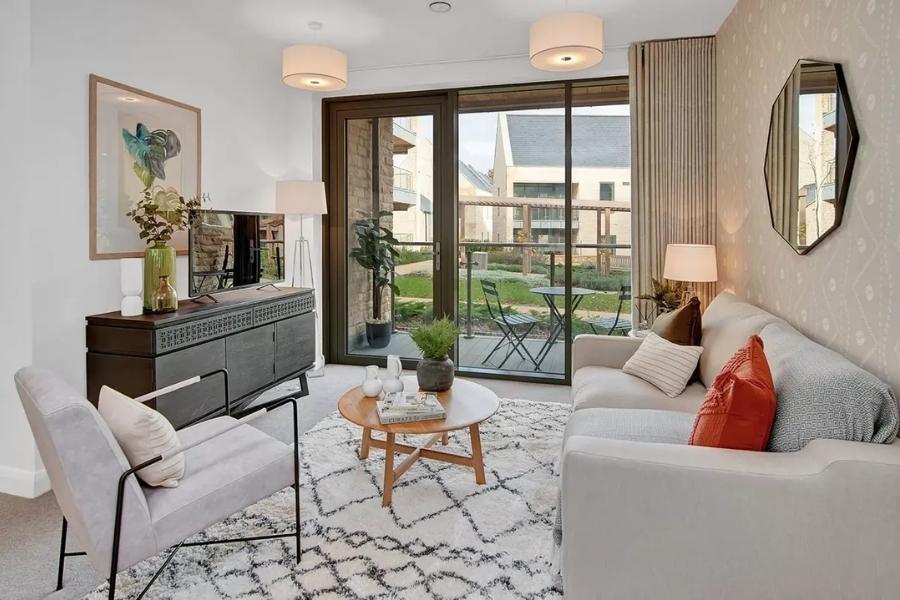
Home comforts, without home ownership complications

At Brio, we offer rental as a tenure option on all our retirement properties, so you get the independence and the security you need to enjoy life.

Enjoy a beautiful home that’s built around your needs.
Discover more

Questions to ask before renting in retirement

Questions to ask before renting in retirement

Renting can offer plenty of flexibility, but it’s not the right move for everyone. Before signing a tenancy agreement, make sure you understand…

  • how much the monthly rent is, what it includes, and how and when it can increase
  • whether you’ll need to pay a deposit, service fee, or any other upfront or ongoing charges
  • how long the tenancy lasts and how much notice you’ll need to give
  • which repairs and maintenance jobs are covered
  • whether you can decorate, keep pets, or have guests to stay
  • what support is available if your needs change, and how much it would cost
  • whether the rent would remain affordable if your circumstances changed in future

If possible, it’s also a good idea to visit the retirement community at different times of day, look around the facilities, and speak to some of the residents. Think about the surrounding area as well as the apartment itself: are shops, cafes, healthcare services, public transport, and friends or family within easy reach?

When comparing different communities, it’s helpful to ask for a full written breakdown of the costs. Independent legal and financial advice can also help you understand how the move could affect your income, savings, benefits, and estate.

Final thoughts…

Renting in retirement won’t automatically be cheaper or better than owning. Rent is an ongoing expense, after all, and you won’t build any equity in the property. You might also have less freedom to make changes to your home.

But if you’re looking for somewhere simpler to manage, with fewer maintenance responsibilities, and more flexibility for the future, renting can be a practical alternative to buying. It can give you the chance to try a new area or way of life without feeling that the decision has to be permanent.

Brio Retirement Living offers homes to rent at Beechwood Park in Gloucestershire, Button House in Sutton, and Landale Court in Aberdeenshire. To explore its rental options, book a viewing, or ask about a trial visit, head over to the Brio website.