- Home
- Leisure & Lifestyle
- Home & Garden
- Pet-safe plants – the best houseplants for homes with cats and dogs
How does Rest Less make money
We make money through advertising and commission from affiliate links, which enable us to offer Rest Less as a free service to our users. The content on this page may use affiliate links, which track traffic from our website to a third party provider and enable us to receive a commission or payment from any traffic we refer.
* Affiliate links on this page have an * next to them. We place enormous importance on our editorial independence and the integrity of our content which means that we will never change how we write about something as a result of an affiliate link.
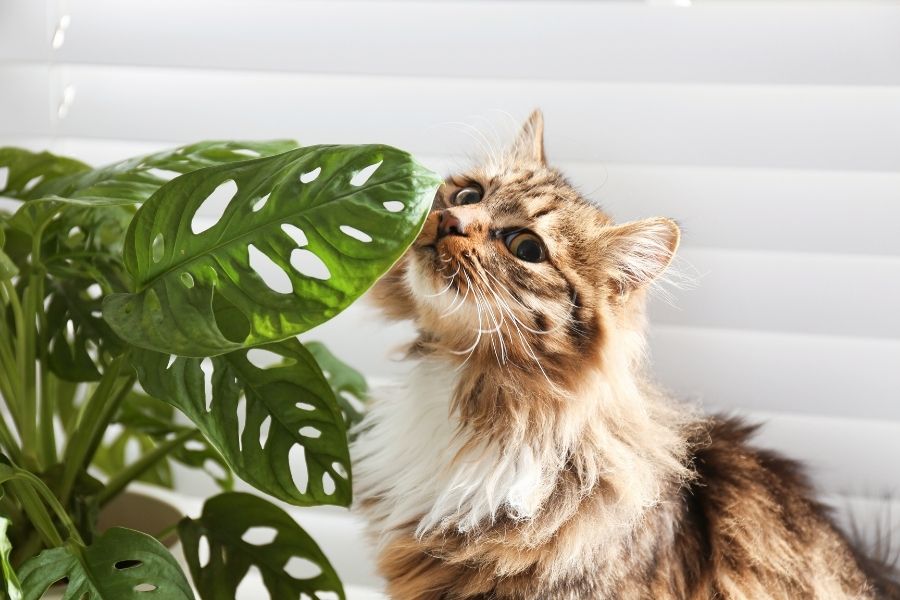
Houseplants are one of the easiest ways to make a home feel calm, welcoming, and full of life. Not only can they improve focus, boost mood, and reduce stress, but they’re also a great way to add personality to our living spaces. It’s no wonder the average Brit reportedly owns around 6.5 of them.
But if you share your home with cats and dogs, it’s important to choose your greenery carefully. Some of the UK’s most popular houseplants can be toxic to pets, causing symptoms ranging from mild stomach upset to heart problems. In severe cases, certain plants can even be fatal if chewed or eaten.
While this might sound alarming, thankfully, many of the most beautiful and easy-to-care-for plants are considered pet-safe, meaning you can enjoy filling your home with foliage without worrying about your animal companions.
Here’s what you need to know about choosing plants for a pet-friendly home.
What are the benefits of houseplants for pets?
First, let’s address the benefits of houseplants for pets. We already know that plants can be good for human health, but they may also benefit animals in several ways. They can contribute to…
- Better air quality. Houseplants release oxygen and can help create a fresher indoor environment. They may also slightly increase humidity levels, which can help support skin health and reduce issues like dryness or dandruff in pets.
- Mental stimulation. Cats and dogs are naturally curious, and having houseplants can reduce boredom, especially for indoor pets. Plants provide new smells and textures, visual stimulation from the gently moving leaves, and something fun to investigate.
- Calmer home environments. Multiple studies show houseplants can help reduce stress and improve overall wellbeing for people. When their humans feel calm and relaxed, pets often pick up on that mood.
What houseplants should you avoid?
Before exploring which houseplants are safe for cats and dogs, it’s important to highlight some popular plants that should be avoided in homes with pets. Many common houseplants contain compounds that can cause anything from mild stomach upset to serious or even life-threatening poisoning.
- Lilies. One of the most dangerous plants for cats. Even in tiny quantities – drops of pollen on fur, water from the vase, or a bite from a leaf – they’re highly toxic, and can cause kidney failure within 24-72 hours. If ingested, they’re often fatal without immediate treatment.
- Sago palm. This ornamental plant contains cycasin, a powerful toxin that can cause severe liver failure in both cats and dogs. Just one seed can be enough to cause fatal poisoning in dogs.
- Dieffenbachia (dumb cane or leopard lily). Dieffenbachia is toxic to both cats and dogs. These plants contain calcium oxalate crystals, which can lead to swelling of the tongue or throat, difficulty swallowing, drooling, and vomiting.
- Aloe vera. It might be the most searched for houseplant in the UK, and prized for its medicinal properties in humans, but aloe vera is toxic to both cats and dogs. It contains compounds called saponins and anthraquinones, and can cause vomiting, lethargy, diarrhoea and, in severe cases, tremors.
- Oleander (nerium oleander). Oleander contains powerful compounds called cardiac glycosides that affect the heart. All parts of the plant are toxic to pets, and can cause vomiting, abnormal heart rhythm, tremors, and even death if left untreated.
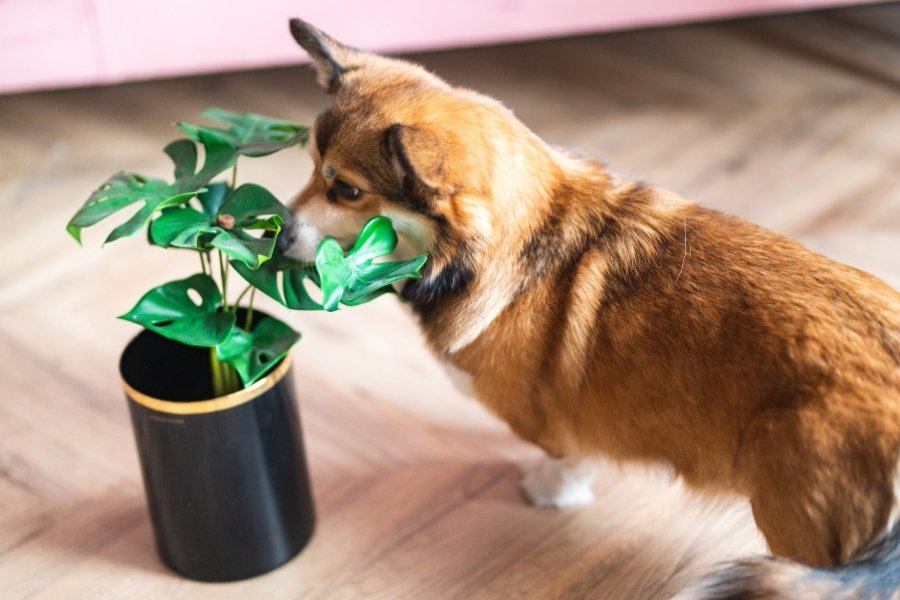
- Monstera deliciosa (Swiss cheese plant). A very popular houseplant in the UK, it contains calcium oxalate crystals that can irritate pets if ingested. Symptoms may include mouth burning, excessive drooling, vomiting, and a swollen tongue.
- Dracaena trifasciata (snake plant or mother-in-law’s tongue). Snake plants contain saponins, soap-like compounds that can cause vomiting, drooling, and diarrhoea.
If you’re unsure about a plant, it’s always best to err on the side of caution. Plants with milky sap, bulbs, or very waxy leaves are more likely to be toxic to pets, although there are exceptions.
What are the safest houseplants for pets?
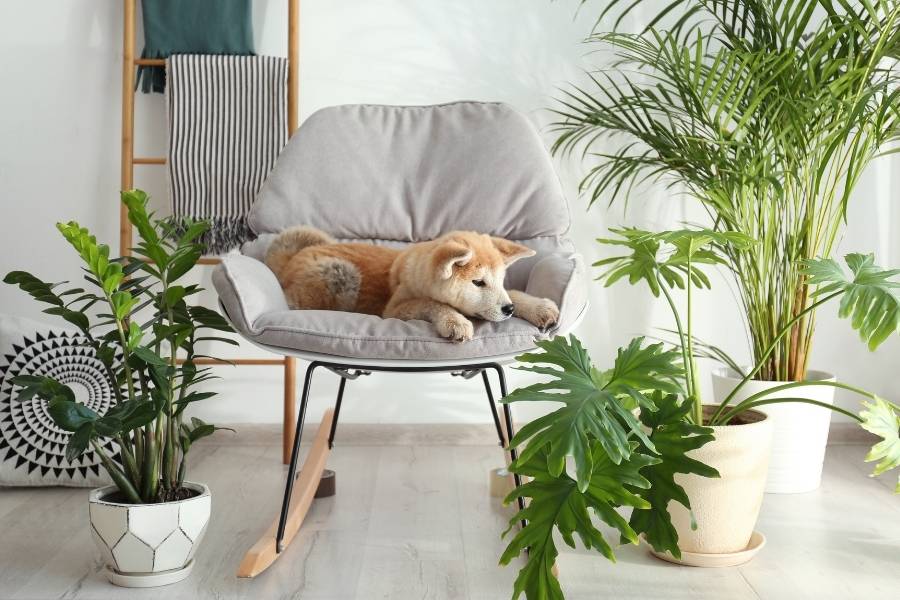
Fortunately, many attractive houseplants are widely considered safe for homes with cats and dogs.
- Spider plant. Chlorophytum comosum is one of the safest houseplants for pets. It’s non-toxic to cats and dogs, meaning occasional nibbling usually isn’t harmful. Spider plants also produce small baby plantlets, making them easy to propagate and reposition if pets become too curious.
- Calathea. Known for their beautiful patterned leaves, calatheas are often called ‘prayer plants’ because of the way their leaves move throughout the day and night. Calatheas prefer indirect light and higher humidity, so they’re ideally suited for bathrooms or bright indoor spaces.
- Areca palm. Dypsis lutescens – also known as the areca palm or butterfly palm – is a pet-friendly indoor palm. It’s non-toxic to cats and dogs, and safe if pets brush against it or chew the leaves. Areca palms prefer bright, indirect light, and their feathery fronds can grow tall indoors.
- Parlour palm. Chamaedorea elegans is another palm that’s safe for pets. Its delicate green fronds grow slowly, making it ideal for smaller spaces or desks. It’s also very low maintenance, and tolerates lower light levels better than many tropical plants.
- Boston fern. This classic houseplant is non-toxic to both cats and dogs and is one of the most popular choices for houses with curious pets. Boston ferns thrive in humid environments, and their lush foliage helps create a natural, tropical look.
- Prayer plant. Part of the same family as calatheas, the prayer plant (Maranta leuconeura) gets its name from the way its leaves fold upward at night, resembling hands in prayer. It’s non-toxic to both cats and dogs.
- Peperomia. Peperomia species are also non-toxic to cats and dogs, and won’t harm your pets if they nibble on the leaves. Some of the most common varieties, like watermelon peperomia or baby rubber plant, are often recommended for homes with pets.
How else can I keep my plants and pets safe?
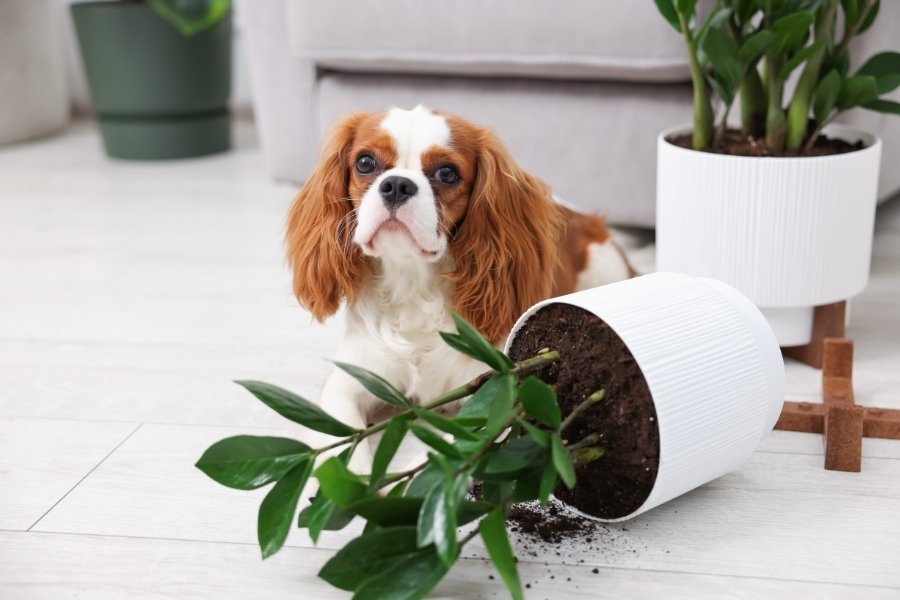
Even when you choose pet-safe plants, it’s important to remember that curious cats and dogs may still investigate, chew, or knock over your greenery. But, with a few simple precautions, you can help ensure that both your furry friends and your plants thrive together.
Why not start by placing plants strategically where they’re less accessible to pets? High shelves, hanging planters, and raised plant stands can help keep plants out of reach – not only protecting your pets but also preventing plants from being knocked over or damaged.
Some pets – particularly cats – may enjoy digging in plant pots, so using heavier containers or placing decorative stones on top of the soil can help discourage this.
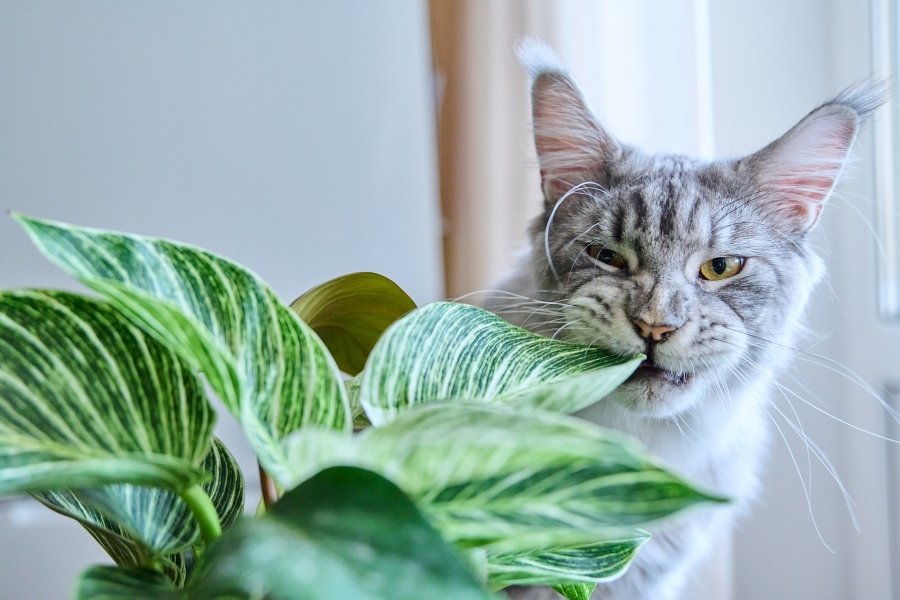
If your cat often chews on your plants, they may be bored. You could try offering alternatives like toys, scratching posts, or special pots of cat grass to divert their attention, while also satisfying their innate desire to nibble on greenery.
When you bring new plants home, try to keep a close eye on how your pet reacts to them. Pets are naturally drawn to new objects, so monitoring their behaviour will help make sure they’re not trying to chew the leaves or dig in the soil.
Finally, try to remember to store plant care products safely. Fertilisers, plant food, and pest treatments can be harmful to animals, so keep them out of reach, or choose pet-friendly options whenever possible.
Final thoughts…
Sharing your home with pets doesn’t mean you have to give up houseplants. With a bit of research – and thoughtful placement – you can create a home that’s both full of greenery and safe for your beloved animal companions.
The key is awareness: knowing which plants to avoid, choosing pet-safe alternatives, and keeping a watchful eye on playful paws and curious noses.
To find out more about houseplants, including which ones are easiest to maintain, head over to our houseplants section. And for more on keeping your animal companions content, check out our pet section.
Have any of your houseplants ever caused your pet a problem? How else do you keep them safe? We’d love to hear from you in the comments below.
Selene Nelson is an author, freelance journalist, and lifestyle writer for Rest Less. After graduating from the University of Sussex with a degree in English Literature, Selene began contributing to many major newspapers and websites, and has written for the BBC, The Sunday Times, The Independent, Town & Country, and HuffPost. Her specialist subjects include food, travel, and health, though she enjoys writing about a wide range of topics (e.g. her two books are about veganism and psychopathy, respectively!). She enjoys cooking (particularly pasta and Asian noodle soups), reading, travelling, hiking, attempting to keep fit, and watching animal videos on YouTube.
* Links with an * by them are affiliate links which help Rest Less stay free to use as they can result in a payment or benefit to us. You can read more on how we make money here.

Start your new chapter abroad with this free retirement guide
With Your Overseas Home, you will receive honest guidance, expert advice and a helping hand every step of the way.
Download the free guide to find out how to cut everyday living costs, get tax, pension and visa checklists, and discover top tips from the expat community.
Join the discussion
Read our full commenting terms and guidelines