Regency Living

Sponsored content

For many of us, retirement is the first chance we get to choose where we live without having to factor in the commute. Maybe you’ve always dreamed of waking up to the sound of the sea or views of rolling green fields. Or perhaps you’d rather have shops, cafés, and a bustling town centre close by.

Coastal, rural, and town locations all have their appeal – but somewhere you love visiting isn’t necessarily the right place to live year-round. Things like local amenities, transport links, community, and proximity to family and friends can all make a big difference to how well a place suits you.

To help you think through the choice, we’ve partnered with Regency Living, which offers welcoming Park Bungalow communities in coastal, countryside, waterside, and town locations across the UK. The homes are designed to be easy to look after, giving residents their own space while still having neighbours nearby. Regency Living is also offering free site fees until 2028 to customers who complete their purchase after 1st August 2026 and by 31st December 2026, subject to terms and conditions.

So, whether you’re drawn to life by the sea, in the countryside, or closer to town, here are seven things to consider before making the move.


1. What would everyday life look like?

What would everyday life look like?

Beautiful scenery can be a powerful draw, but when picturing your future, it’s more helpful to imagine an ordinary weekday rather than a perfect weekend. Where would you go for a walk or a coffee? How would you spend your afternoons? And would the pace of life suit you once the novelty of moving had worn off?

By the coast, you might imagine walking on the beach every day, joining a sea-swimming group, or meeting friends at a harbour café. Country life could mean more time spent gardening, watching wildlife, wandering local footpaths, or relaxing in the village pub. If you lived in a town, shops and cafés would be close by, along with galleries, museums, cinemas, and other cultural attractions.

Think about the general atmosphere, too. Coastal towns often have a warm, lively feel, while rural settings might offer more peace and privacy. A town is likely to give you more choice and make running everyday errands easier.

The boundaries aren’t always clear-cut, however. Meadowlands Court in Cornwall, for example, is surrounded by countryside but only three miles from Bude, with Summerleaze and Widemouth Bay beaches nearby. Similarly, a location on the edge of town can keep shops and amenities close by without taking you too far from the coast or countryside.

2. Would the area make it easy to stay active?

Staying active is easier when walking fits into your everyday life. A flat beachside promenade can encourage you to get out every morning, while meandering coastal paths offer more challenging routes and striking views. In the countryside, footpaths, woodland trails, and cycle routes are often right on your doorstep, while in a small town, you might find yourself walking to the shops or café instead of having to use the car.

It’s important to be realistic about the terrain, though. A clifftop village might look beautiful, but steep streets can make even short journeys tiring – and country paths that are lovely in summer can become muddy and slippery in winter. It’s helpful to explore any area you’re considering on foot, trying out the routes you’d take to the shops, bus stop, and café.

If being close to nature is important to you, Forest Edge Court in Norfolk sits beside Thetford Forest, with winding woodland trails nearby. And, in Hampshire, Solent Grange residents can walk to the coast, while the New Forest is easily accessible by car or bus.

Discover your perfect Park Bungalow home

Regency Living’s residential communities sit in the UK’s most sought-after locations, designed for comfort, style and effortless living among like-minded neighbours.

Reserve your home from 1 August 2026 and complete by 31 December 2026 to enjoy free site fees until 31 December 2027. Standard fees begin 1 January 2028. T&Cs apply.

With Home Part Exchange available and no Stamp Duty to pay, you can begin your next chapter with complete peace of mind.

View locations

Over 45s only.

3. How close are the essentials?

How close are the essentials?

A peaceful setting can quickly lose its appeal if picking up a prescription, buying food, or going to the dentist always involves a long journey. Before setting your heart on an area, check where the nearest supermarket, GP surgery, pharmacy, dentist, and hospital are. Remember to look at opening hours as well as distance, as services in smaller villages are often more limited than you expect.

The essential places aren’t all you need access to, either. Cafés, pubs, libraries, leisure centres, and restaurants can all make a big difference to your quality of life. If you like going to the theatre or visiting exhibitions, you might want to live in a larger town within easy reach. And if you have a pet, it’s a good idea to check where the nearest vet is and whether there are good places to walk year-round.

One useful exercise is to make a list of all the places you visit in an average month, then find out how far each would be from your new home. Town living doesn’t necessarily mean giving up peace, quiet, and space, either; Redhill Court, for example, is on the outskirts of Watton in Norfolk, with the town’s supermarket, GP surgery, pubs, shops, and restaurants all around a mile away.

4. How easy would it be to get around?

You might be happy to drive now, but it’s worth asking whether a location would still work if you drove less, or even stopped altogether. Rural buses can be infrequent, and services in coastal areas sometimes run less often outside the busy summer months. And while a town can make car-free living easier, public transport varies hugely from place to place, so it’s a good idea to do your research.

Try to look beyond the distance to the nearest bus stop and check the actual timetable. How late do buses run? Is there a direct route to the shops, GP, or neighbouring town? Are taxis easy to book, and what do they cost? You often don’t get a real insight into local transport until you live there, so it’s worth asking residents what the reality’s like.

Think about the journey for family and friends, too. Somewhere that feels pleasantly remote to you might be less appealing to visitors if getting there involves a long drive from the nearest main road or train station. If seeing loved ones regularly matters to you, make sure reaching your home won’t become a barrier.

5. What sort of community are you looking for?

What sort of community are you looking for?

Feeling part of the local community can make it easier to settle in, especially if you’re moving away from old friends and neighbours. In coastal areas, there might be groups for swimming, sailing, the arts, or volunteering, while country villages often have walking groups, gardening clubs, and events at the village hall. Towns generally offer a wider range of classes, societies, and volunteering opportunities.

Before you move, have a look at local social media groups and community noticeboards to see what’s going on. If you can, why not go along to a club or event and find out how welcoming it feels? Not everyone wants a packed social calendar, of course, but somewhere very remote can begin to feel lonely once the novelty has worn off.

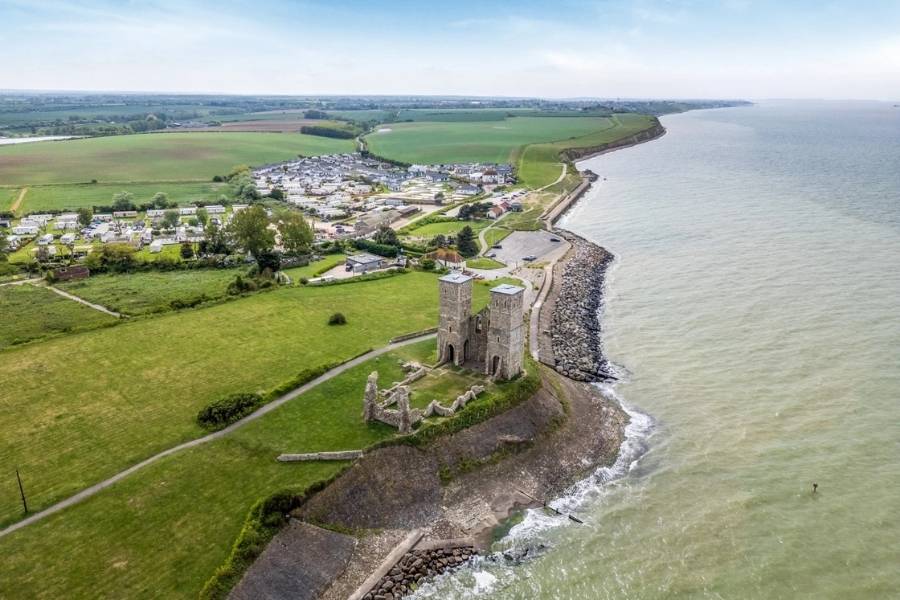
Living in a purpose-built development can make it easier to meet people without giving up your privacy. Reculver Court, near Herne Bay in Kent, has a coffee lounge, swimming pool, weekly activities, and community events. Regency Living developments vary in size, character, and facilities, but its communities are designed for people aged 45 and over, so your neighbours might be at a similar stage of life.

Discover your perfect Park Bungalow home

Regency Living’s residential communities sit in the UK’s most sought-after locations, designed for comfort, style and effortless living among like-minded neighbours.

Reserve your home from 1 August 2026 and complete by 31 December 2026 to enjoy free site fees until 31 December 2027. Standard fees begin 1 January 2028. T&Cs apply.

With Home Part Exchange available and no Stamp Duty to pay, you can begin your next chapter with complete peace of mind.

View locations

Over 45s only.

6. Will the home still suit you in the future?

Will the home still suit you in the future?

It’s easy to focus so much on the location that the property itself becomes an afterthought. The character of a period cottage or seafront house might appeal to you, but steep stairs and a big garden can become harder to manage over time. Try to imagine living there not only now, but in 10 or 20 years, too.

A single-storey home means stairs won’t become an issue later, while a smaller, modern property will probably involve less cleaning, gardening, and maintenance. Think about practical details, too: the shower, parking, outdoor space, and whether there’s somewhere comfortable for family or friends to stay.

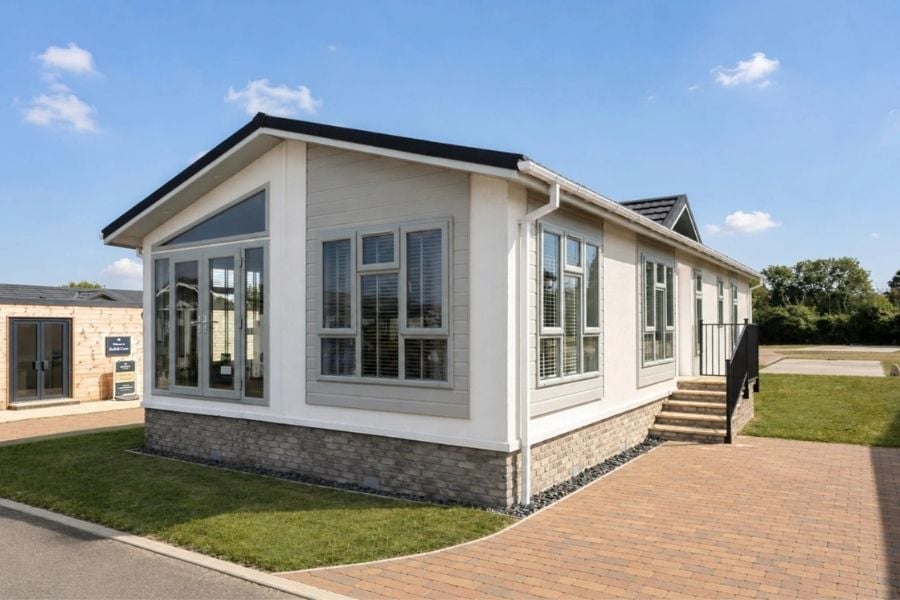
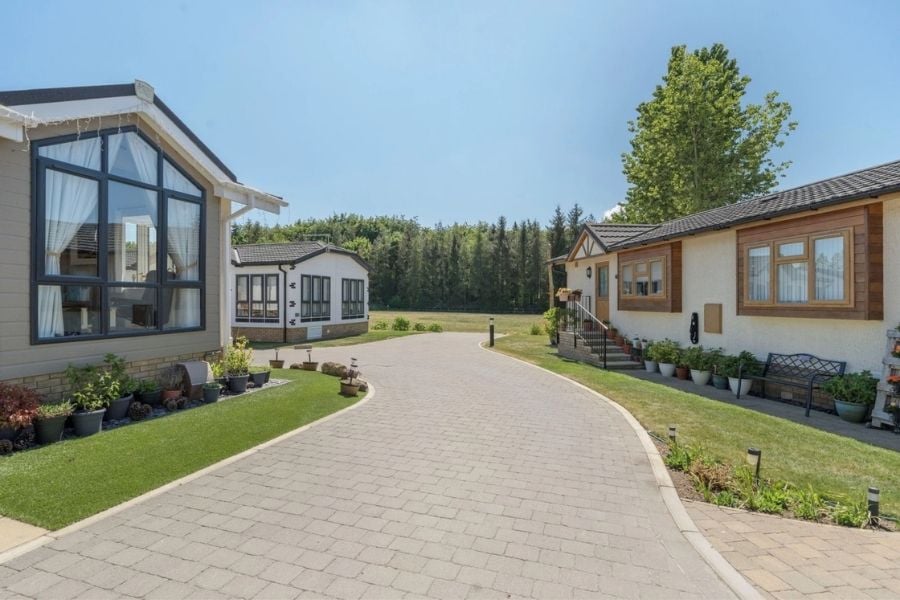
Regency Living’s Park Bungalows, for example, are single-storey and designed to be low maintenance. Homes usually come fully furnished, too, and developments have an on-site park manager. If you’re looking to downsize but don’t fancy moving into a flat, a bungalow offers a private entrance and outdoor space without the upkeep of a bigger property.

7. Have you seen the area at different times of year?

Have you seen the area at different times of year?

A seaside town on a sunny summer day can feel very different in the middle of a wet and windy winter. Some resorts become much quieter out of season, and shops and cafés often reduce their opening hours. Rural areas change too; dark lanes, muddy paths, flooding, and shorter days can all affect how comfortable and connected a place feels. Even a busy town can have a different character after dark or at weekends.

One visit can only tell you so much, so try to return at different times of year and, if possible, stay for a night or two. Do some ordinary things while you’re there: buy groceries, catch a bus, check your phone signal, and walk around in the evening. Talking to residents can also give you a much better idea of what the area’s like throughout the year.

If you’re thinking about moving into a development, don’t limit your visit to the show home; instead, walk around the site, explore the area, chat to residents, and give yourself time to decide whether it feels right. Regency Living offers appointments and open events where you can view the homes, get to know the local area, and ask questions about the buying process.

Final thoughts…

Wherever you choose to retire, try not to be won over by the views alone. The right place will suit the way you want to live, keep the people and places that matter within reach, and be practical for both everyday life and visiting family and friends.

With Regency Living, you can explore Park Bungalow communities in coastal, countryside, waterside, and town locations across the UK – from Cornwall and Dorset to Norfolk and Lancashire. Each community has its own setting, facilities, and character, but all the homes are designed to be comfortable and easy to look after.

Eligible buyers can currently receive free standard site fees until 1 January 2028. To qualify, Regency Living must accept the reservation on or after 1 August 2026, and the purchase must be completed by 31 December 2026. Exclusions and full terms and conditions apply.