
Your Overseas Home logo

If you’re approaching retirement, you may be tempted by the idea of moving abroad. Warmer, sunnier days, a more relaxed way of life, and a lower cost of living are just three reasons retiring overseas can seem so appealing – and why so many Brits have already turned their retirement dreams into reality.

But before making a move, there are important factors to consider. Any move requires careful planning, particularly when moving to a country with a different healthcare system, unfamiliar taxes, and complex visa requirements. Add to that considerations surrounding pensions and savings, and the whole process can seem overwhelming. But that shouldn’t have to hold you back.

To shed some light on what to expect when planning a move abroad and help you make an informed decision, we’ve partnered with Your Overseas Home, experts in buying property abroad. With two decades of experience under their belt, these award-winning independent experts can help you find the right European property, save you money, and support you through every step of your relocation – all without any unwelcome surprises.

So, if you’re thinking about retiring overseas, here’s everything you need to know. Your Overseas Home is also running a virtual event on Saturday March 21st where you can get trustworthy guidance on buying overseas, covering property, visas, tax, and currency issues – plus explore a wide showcase of properties across Spain, France, Italy, Portugal, Greece, Cyprus, Montenegro, and more.

1. What are the visa requirements for retiring overseas?

What are the visa requirements for retiring overseas?

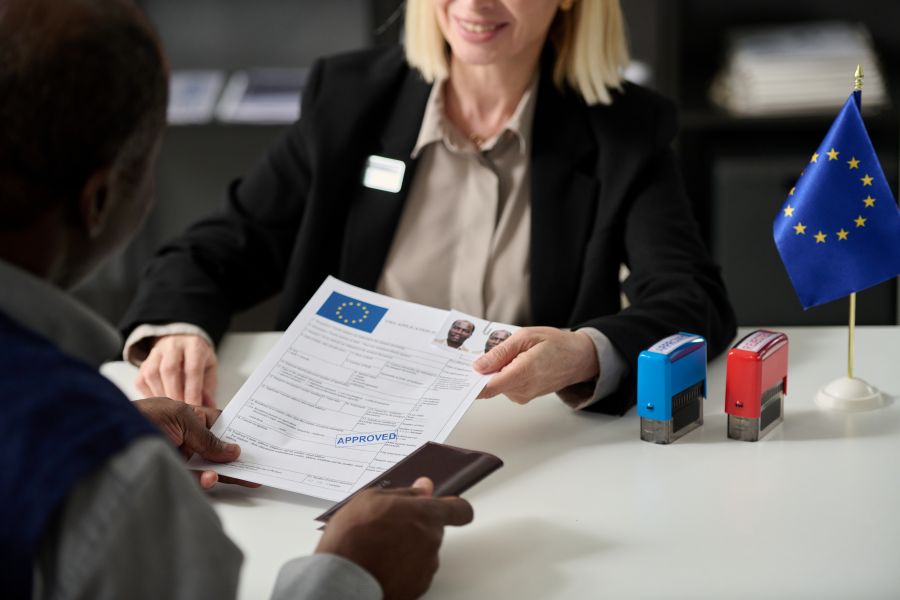
Before Brexit, UK nationals had automatic residency rights in EU countries, making retiring on the continent a beautiful yet accessible dream. While this is no longer the case, you can still retire in Europe, but you’ll need to meet specific visa and residency requirements.

Visa rules vary from country to country: Spain, for example, requires a Non-Lucrative Visa showing proof of sufficient income or savings; Portugal, on the other hand, asks for a D7 Visa (Passive Income Visa) showing proof of a stable income or pension. Other countries offer long-stay visas, retirement visas, or investment-based residency, some of which may require health insurance and/or a clean criminal record.

Understanding your specific visa requirements is one of the most important first steps in making sure your move can successfully go ahead. As the application process can be complex, many people choose to seek expert guidance, rather than navigating it alone.

To find out more about visa requirements in different countries, head over to Your Overseas Home’s Visas & Residency page.

Start your new chapter abroad with this free retirement guide

With Your Overseas Home, you will receive honest guidance, expert advice and a helping hand every step of the way.

Download the free guide to find out how to cut everyday living costs, get tax, pension and visa checklists, and discover top tips from the expat community.


Download your free guide

2. How will my pensions and savings be impacted when retiring overseas?

If you’re planning to retire abroad, your pension is probably going to be your main – or only – means of income. While the (usually) lower cost of living abroad means your pension and savings can often stretch further, it’s important to be clear about any potential hurdles you may face when moving overseas.

Some key things to consider are…

  • How your UK pension will be paid and accessed
  • How to manage lump sum payments and pension withdrawals
  • How savings, ISAs, and investments will be affected
  • Inheritance tax and estate planning issues
  • HMRC requirements

Understanding how your pensions and savings will be impacted is essential when moving abroad – and if moving largely for financial reasons, it becomes even more important. To move with confidence, being clear on how exchange rates, inflation, and banking issues will affect your finances is key

Buying a property should be considered carefully, too. Different legal systems, taxes, and ownership rules can make the experience of buying abroad very different from buying in the UK, so this is another area where you might want to seek professional advice. At Your Overseas Home’s virtual event, you can join live seminars with Q&As from overseas experts, get practical guidance on budgets, and book one‑to‑one appointments to discuss your own situation.

3. How can I access healthcare when moving overseas?

Healthcare is a key part of retirement planning, and the prospect of accessing better healthcare is a big reason many Brits choose to retire overseas. According to research by Your Overseas Home, Italy, Germany, France, and Spain are particularly well known for their excellent healthcare systems, but many other EU countries also offer decent public healthcare. Private healthcare can often be more affordable than in the UK, too.

However, it’s important to understand how to gain access to these healthcare systems. Some countries allow you to access their public system once you’re a resident; others require you to have private healthcare or insurance to qualify. It’s also worth bearing in mind that policies can vary widely in terms of price and coverage, so this may be something you need to factor into your budget.

Before moving, it’s important to be clear about your destination’s residency conditions, how long the application process takes, and how much private health insurance may cost. It’s also sensible to consider that your healthcare needs may change over time, so planning for potential future care needs is always a smart decision.

4. What taxes will I need to pay when retiring overseas?

Retiring overseas also means managing taxes differently. Usually, your tax position isn’t determined by your nationality, but by where you’re classed as a tax resident. This means that – depending on where you choose to retire – you may still need to pay UK tax on some income, while paying tax in your new country.

Most EU countries will tax you on your pensions, savings interest, investment income, and rental income, while other forms of income, like government pensions, are usually taxed in the UK, no matter where you move. Double taxation agreements are designed to stop you being taxed twice on the same income, but they don’t necessarily mean you pay less tax overall. They’re often also tricky to interpret, and rules can vary widely depending on where you are.

Like other financial issues and complications, it’s important to understand how your tax situation will be affected before making a move. If you feel confused about any of this, why not book a one-to-one appointment with an expert to talk through your situation?

Start your new chapter abroad with this free retirement guide

With Your Overseas Home, you will receive honest guidance, expert advice and a helping hand every step of the way.

Download the free guide to find out how to cut everyday living costs, get tax, pension and visa checklists, and discover top tips from the expat community.

Download your free guide

5. How can I make it as easy as possible to adapt to life in a new country?

How can I make it as easy as possible to adapt to life in a new country?

While having a clear understanding of visas, finances, and healthcare is essential, it’s also helpful to consider how you’ll adapt to living in a new country on a more practical level. Retiring abroad is exciting and can offer huge rewards, but different languages and cultures can take time to adapt to.

Everyday tasks that should feel straightforward, like opening a bank account, booking a doctor’s appointment, or setting up utilities, can feel more challenging when you’re faced with language barriers and unfamiliar systems. But this doesn’t have to get in the way of a move – knowing what to expect and speaking to someone with local expertise can make a huge difference in reducing stress and helping you feel prepared and excited about this new chapter.

Final thoughts…

Retiring abroad can be one of life’s greatest adventures, but it does come with challenges. From navigating complex financial issues to understanding different healthcare options, proper planning is the key to success.

That’s why specialist services like Your Overseas Home can make such a difference. With their guidance, you can make confident, informed decisions, avoid common mistakes, and settle in faster, giving you more time to savour the lifestyle you’ve worked so hard for.

If you’re thinking about retiring abroad, joining Your Overseas Home’s virtual event on Saturday 21st March, may be one of the most rewarding things you can do. You can meet retirement experts from the comfort of your sofa, and ask them questions about finances, visas, healthcare, and buying or renting a property in any of the countries you’re interested in retiring in.

To celebrate this event, Your Overseas Home is also running a special £250 voucher prize draw. To be entered, just register for your free ticket and log in on the day of the event. Please note that while the event is free to attend, places are limited for the live sessions, so we recommend reserving your ticket today to secure your place!