Later life is the perfect time to explore new interests. Perhaps you’ve retired and have more freedom, or maybe you’re looking for ways to channel your years of life experience. Plus, learning new things is a great way to keep our brains healthy.

However, choosing a new activity to try can be tricky. Search the internet, and you’ll find the same suggestions appear repeatedly, such as cycling, painting, and gardening. But passion is often found in the most unexpected places, so it’s helpful to consider unconventional ideas, too.

With this in mind, we’ve put together a list of seven quirky hobbies to try in later life, some suggested by our readers.

1. Mosaic art

Mosaic art

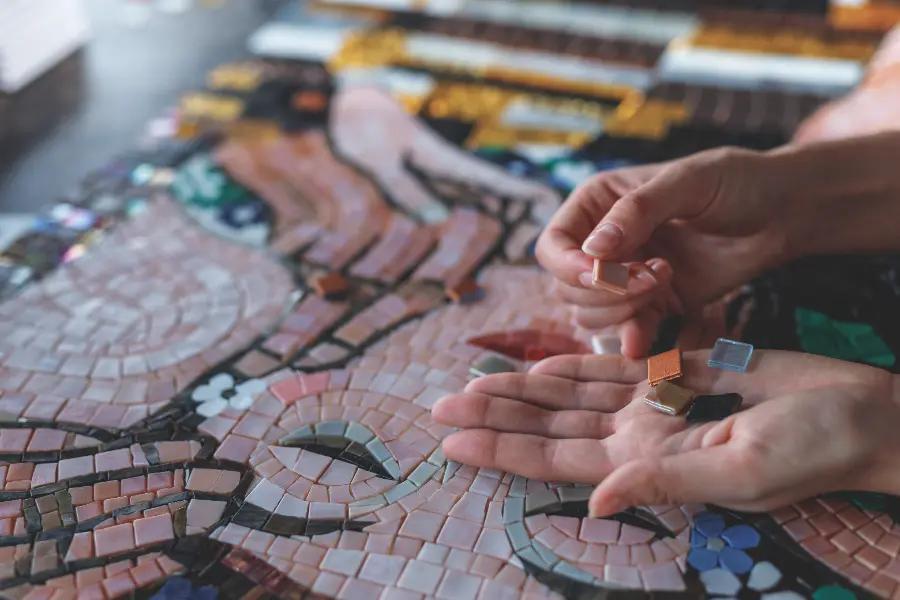
If you’re looking for an absorbing and unique creative outlet, why not try mosaic-making? This art form has its roots in ancient Mesopotamia, when pieces of shell, stone, and ivory were used to create intricate decorations. Since then, it’s been embraced by creative minds throughout the centuries, from Antoni Gaudí to modern street artists.

With mosaic-making, the possibilities for expression are endless. You can create large-scale artworks to display on walls or tackle smaller projects, such as coasters or plant pots, which can make great gifts. Materials are also versatile, ranging from glass and ceramic to smalti, specialised mosaic tiles.

While you may need to invest in a few tools to bring projects to life, the good news is that mosaics can be made from recycled and found materials, which is kind to both your wallet and the environment. Unlike some art forms, mosaic-making is also well-suited to group work, making it a fun and rewarding way to bond with others.

To get started, you can find mosaic-making workshops online or in person. However, there are plenty of free resources out there. This quick guide from MasterClass is very informative. You can also check out these unique mosaic projects from The Spruce for inspiration.

2. Carriage driving

Carriage driving

Following our original unusual hobbies article, one Rest Less member suggested carriage driving as a unique and rewarding pastime, calling it “a wonderful sport that engages people of all ages and lifestyles.”

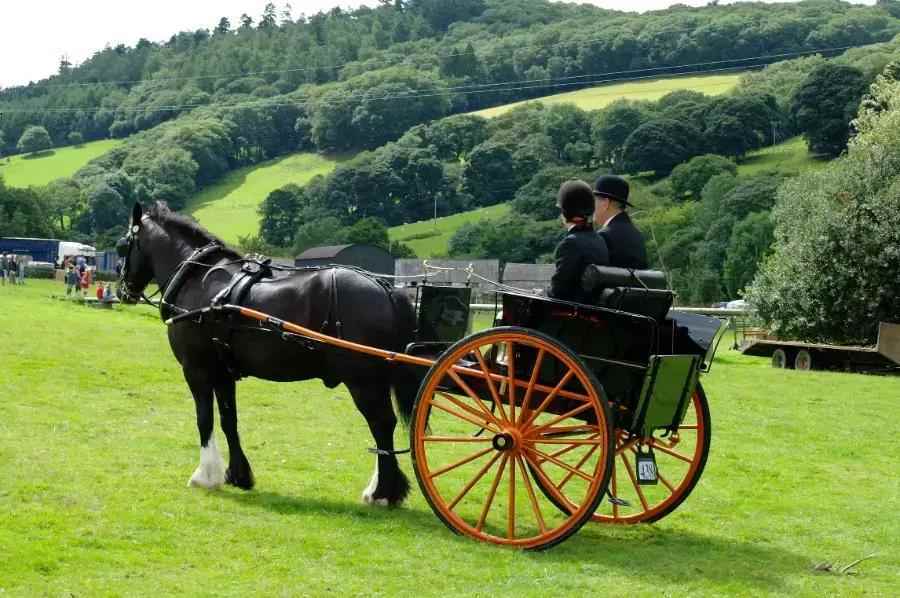
Carriage driving is an equestrian activity in which a horse, or a team of horses, pulls a carriage guided by a driver using reins and a harness. It can be enjoyed either as a leisure activity or a competitive sport.

Because the driver sits in a carriage (rather than on the horse’s back), it’s generally more accessible than regular horse riding for those with limited mobility. Carriages can even be retrofitted for wheelchair users.

It’s also a sociable activity. Three people can head out for a drive in a single carriage, and, as Horse & Country explains, “There’s a real camaraderie with driving – and most events are big family gatherings with a picnic after.”

Of course, buying a horse and carriage is a big investment that won’t be for everyone. But while learning, these will be provided by your instructor, so you can decide whether it’s right for you before committing long-term.

And even if you don’t want to continue in the driver’s seat, there are plenty more ways to get involved. For example, you could volunteer as a steward at competitions or become a backstepper. Back-steppers ride at the rear of the carriage, assisting the driver with things like balance and navigation.

To find out more and get involved, you can contact your local British carriage driving-affiliated club.

3. Cooking from history

Cooking from history

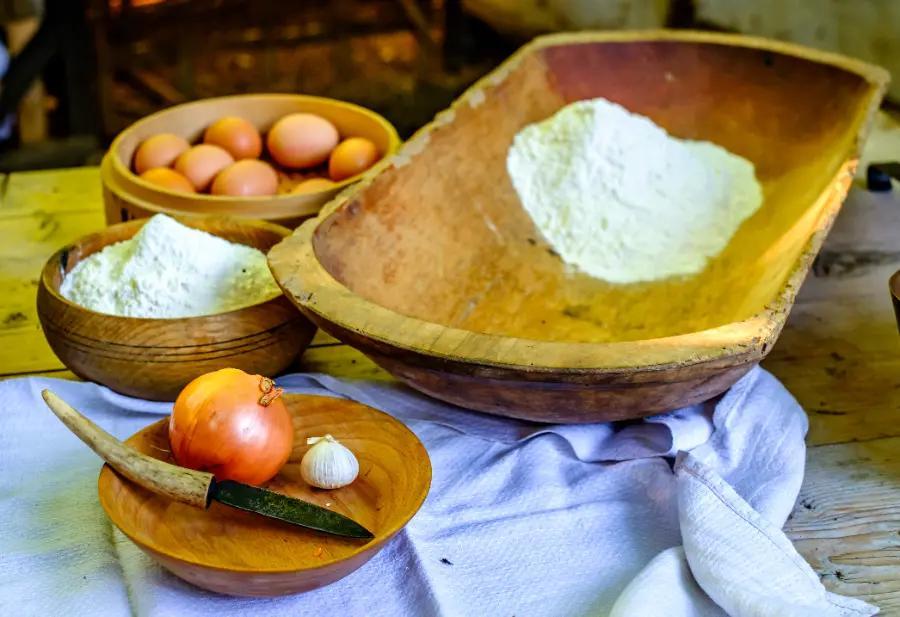
For history buffs, there’s nothing like learning about centuries past, whether through books and television or museums and historical sites. However, one uniquely immersive way to glimpse what life was really like is by recreating recipes from history.

From stuffed fig leaves from ancient Greece to cured pork bruschetta from Renaissance Italy, cooking historical dishes allows us to time-travel with our senses. We can indulge in flavours that people like the Vikings or the Mayans once tasted and get deeper insights into how they lived.

Perhaps you’ll enjoy tracing the roots of modern cooking practices, challenging your cooking skills in a new way, or connecting with your long-passed ancestors through food. Or maybe it’ll just give you an appreciation for how far the culinary arts have come.

There are numerous ways to recreate historical recipes. Of the many historical cookbooks out there, The Medieval Cookbook by Maggie Black and Tasting History: Explore the Past Through 4,000 Years of Recipes by Max Miller are recommended.

Alternatively, archaeologist, culinary historian, and passionate cook Dr Ursula Janssen runs a YouTube channel (@Ursulashistoricalrecipes) dedicated to whipping up treats from centuries gone by.

4. Caving

Caving

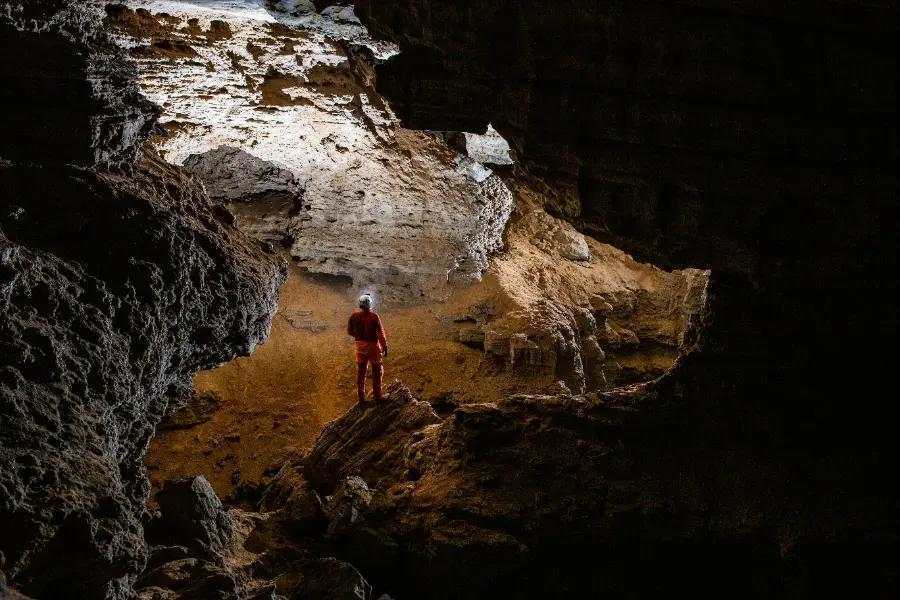
From naturally occurring cave systems to man-made, subterranean structures like mines and old railway tunnels, caving involves exploring all kinds of underground realms. While this may sound like a nightmare for some, for others, it’s an adventure like no other.

Caving offers the chance to discover some of nature’s hidden wonders: from gorgeous geological formations to unique wildlife, such as insects and bats. It also provides a mindful opportunity to unplug from everyday life and a full-body workout, improving balance, flexibility, strength, and cardiovascular health.

As seasoned caver Martyn Farr explains, “Caving is also about the people you are with,” whether new friends met through a caving club or old ones exploring this new pastime with you.

“Alongside the more serious aspects of safety and conservation, cavers like to have fun!” Farr writes. “Whether this is a laugh and a joke during the course of a trip or later in the pub; there’s a good social element.”

Of course, caving presents significant risk, and you shouldn’t try it without proper instruction. The best way to get started is to contact your local caving club, which can teach you the fundamentals (including safety practices) and take you on your first few trips.

Visit the British Caving Association (BCA) to find caving clubs near you.

5. Poi spinning

Poi spinning is a movement-based art. Though it originated with the Māori people of New Zealand, it’s recently grown in popularity, spreading throughout the world. It involves swinging tethered weights (also called poi) in various ways so that the blur makes patterns or shapes.

The tethered weights used in poi spinning can come in many varieties. Some have streamers attached for dramatic effect, while others are LED-lit or can be set alight, allowing users to create trails of light (much like writing your name in the air with a sparkler).

Aside from being an engaging performance art, some people practice poi spinning for its health benefits. This study from the University of Auckland compared poi spinning to Tai Chi, stating that it can improve attention, memory, systolic blood pressure, postural stability, and upper limb strength and range of motion.

Lisa, a Rest Less member who recently started learning poi from an instructor, says: “Spinning LED Poi for me is like dancing with light. It’s hypnotic, meditative, and deeply grounding. There’s something magical about how the lights swirl in the darkness, and when I get in the flow, it clears my mind and connects me to the present moment.”

To learn poi spinning, you can seek out an instructor near you. However, there are plenty of free online resources that can explain more about equipment and techniques. DrexFactor Poi’s YouTube channel is particularly popular. Check out the introductory video below.

6. Bell ringing

Bell ringing

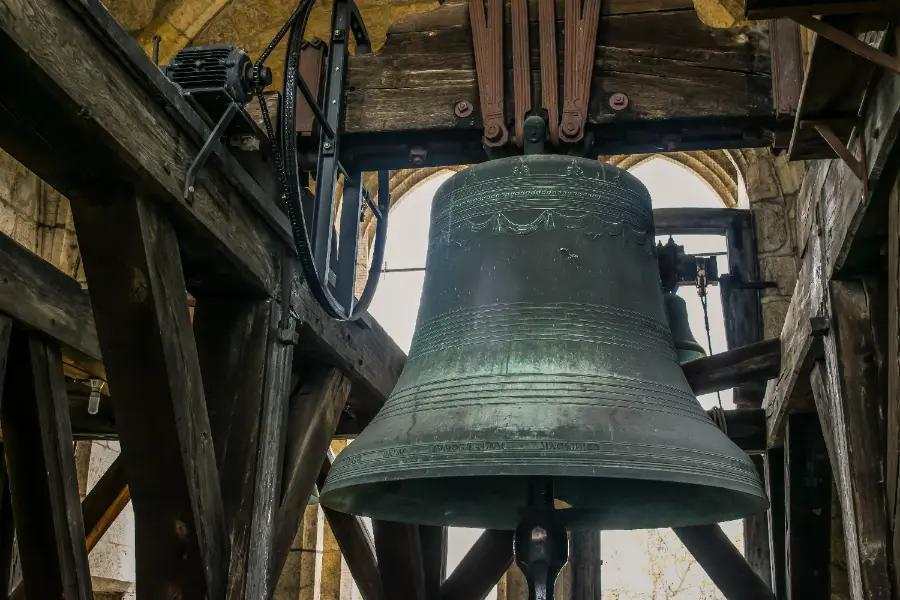
Church bells have played an important role in British culture for centuries. They’re rung to celebrate weddings, religious holidays, and the New Year, as well as one-off events like the London 2012 Olympics. But have you ever wondered who’s behind these sounds?

Thousands of people across the UK have embraced bell ringing as a hobby. Take Jean Walters, for example, who discovered it at 67 after voice troubles forced her to give up choir singing. “I knew immediately it was something that I could develop and would be good for me,” she tells the Guardian. Thirteen years later, it’s still one of her passions, becoming “another way of expressing [her] joy of living”.

There are loads of reasons to consider bell ringing as your next hobby. More than just pulling on a rope, bell ringers learn different patterns (called ‘methods’), offering mental stimulation as well as light exercise. Plus, ringers often work in bands, offering a fun social element.

Bell ringers can also ply their skills UK-wide. For example, since becoming qualified, Walters has rung bells in Dorset, Devon, Gloucestershire, and all over West Yorkshire.

Anyone can become a bell ringer. You don’t need to be particularly musical or have special skills. However, you will need some one-on-one instruction from an experienced bell ringer. You can contact churches directly about tutorial opportunities, or search the Association of Ringing Teachers directory for an instructor near you.

To learn more, including some interesting facts about the history of bell ringing and how church bells work, check out our article: Church bell ringing explained.

7. Geocaching

Geocaching

Another pastime suggested by our members is geocaching. This global treasure-hunting game is an exciting way to discover new places, get your steps in, spend time in nature, and connect with loved ones.

It involves searching for ‘geocaches’, small waterproof containers that usually hold a pen, a logbook, and sometimes small knick-knacks. There are three million geocaches hidden around the world, whether under fallen logs in the countryside or behind statues in Central London, and you can find the coordinates for each on the Geocaching app.

Once you locate a geocache, you typically mark your discovery in the logbook and, if you like, leave something inside for others to find. Some people may take whatever knick-knack is already there and replace it with something of equal or greater value.

Eventually, you might want to place your own geocache somewhere for others to find. However, in the UK, you usually need permission, especially if using council or National Trust land.

For more advice on starting your geocaching adventure, including how to do it responsibly, check out this article from Cotswold Outdoor.

Final thoughts…

From exciting activities that help you connect with nature to unusual performance arts, there’s a quirky hobby out there for everyone. We hope this list shows that going beyond the mainstream can lead to all sorts of rewards, from creative expression to meeting new and interesting people.

If you’d like more suggestions for unconventional pastimes, check out our other lists of usual hobbies, parts one and two. Or head over to our hobbies and activities page for further inspiration. Here, we cover everything from baking and gardening to film and photography.

Have you got any more ideas for quirky hobbies? Or have you tried any of the ones listed above? We’d love to hear from you in the comments below.