- Home
- Leisure & Lifestyle
- Home & Garden
- 10 things to declutter that you’re keeping ‘just in case’
How does Rest Less make money
We make money through advertising and commission from affiliate links, which enable us to offer Rest Less as a free service to our users. The content on this page may use affiliate links, which track traffic from our website to a third party provider and enable us to receive a commission or payment from any traffic we refer.
* Affiliate links on this page have an * next to them. We place enormous importance on our editorial independence and the integrity of our content which means that we will never change how we write about something as a result of an affiliate link.
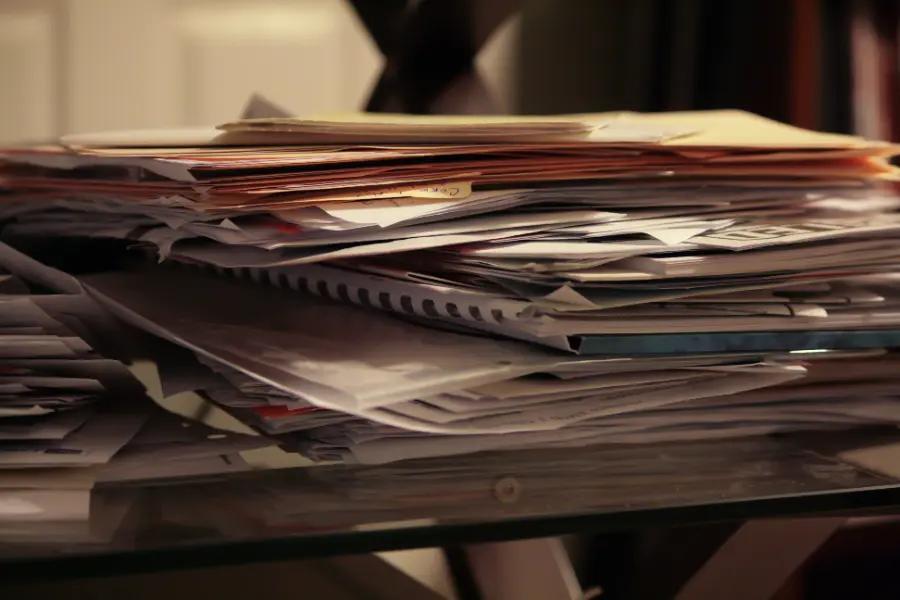
Decluttering is like food for the soul; most of us know how good it feels to shed the weight of items we don’t need that have been taking up space. But there are certain items that regularly survive the cull and continue to clutter our lives.
Often, these items are actually practical and sensible, but aren’t useful in our current circumstances – perhaps because we’ve accumulated duplicates or have no further need for them after one use. Yet, we keep them on the off chance they might come in handy, even if it’s unlikely.
If this sounds familiar or you think there could be items you’re overlooking during decluttering sessions, you’re certainly in good company. Often the first step in parting with these belongings is acknowledging that they no longer serve a purpose.
With that said, here are 10 things to declutter that you’re keeping ‘just in case’, plus tips on how to let go.
1. Instruction manuals
Flat-pack furniture, electronic equipment, toys…plenty of consumer goods come with an instruction manual neatly tucked into the packaging. And often, even if we throw away the packaging, we have a habit of keeping the manual, just in case something goes wrong and we need to revisit it in future.
But few of us reach for instruction manuals after we’ve built a piece of furniture or set up a kitchen appliance, and they can take up more space than we realise. Plus, if you do find yourself needing one later on, most of them can now be accessed online. ChatGPT can also be helpful for helping you find manuals you need and helping you with specific queries about broken items.
If you’re not sure about getting rid of all your instruction manuals, why not start with those you haven’t used in at least a year? As well as any belonging to items you no longer own. You could also set a new rule going forward: that you won’t keep any instruction manuals past six months unless you can’t find them easily through an internet search.

Give unwanteds a better next chapter
Your once-loved items are just waiting to be useful again. Pop them in a box, send them to Vintage Cash Cow for free, and they’ll make you an offer to rehome them all.
2. Clothes
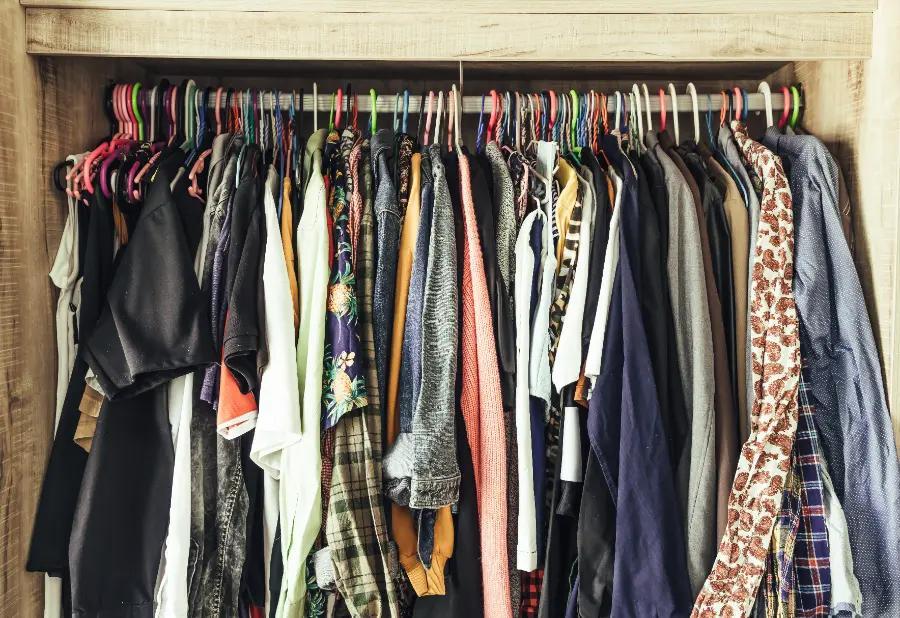
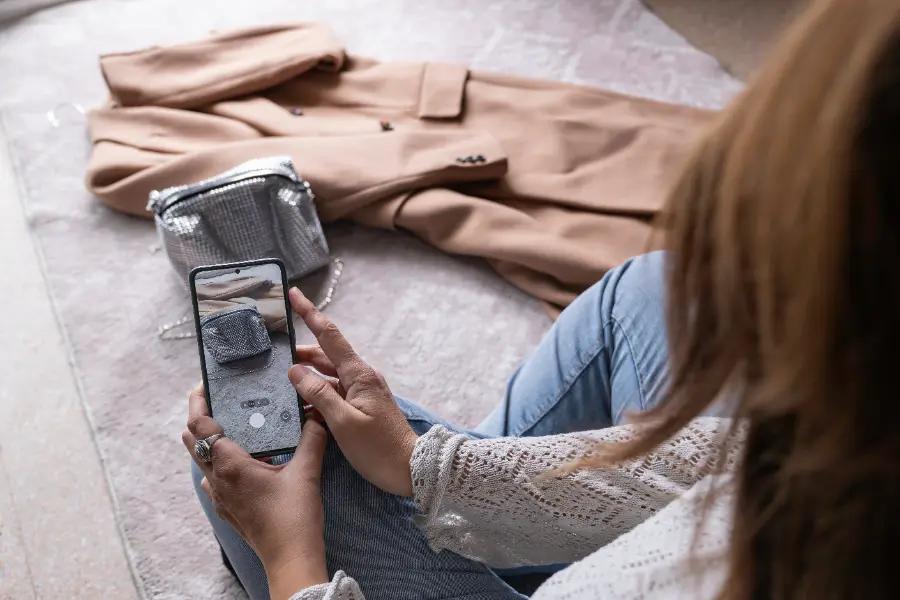
Many of us own clothes we don’t wear. Perhaps you’re keeping a ski jacket even though the chances of another ski holiday are slim, a selection of wedding guest dresses that haven’t had an outing in years, or a bunch of clothes several sizes smaller that you’re hoping will fit you one day.
Ask yourself whether the space these items are taking up would be better used for everyday clothes. Or whether the headspace gained from a clearer, more organised wardrobe would be of greater value than the items you’re struggling to part with.
These days, it’s really easy to list clothes for sale in just a couple of minutes on platforms like Vinted and eBay. With Vinted in particular, it’s not unusual for clothing items to sell the same day.
3. DIY equipment
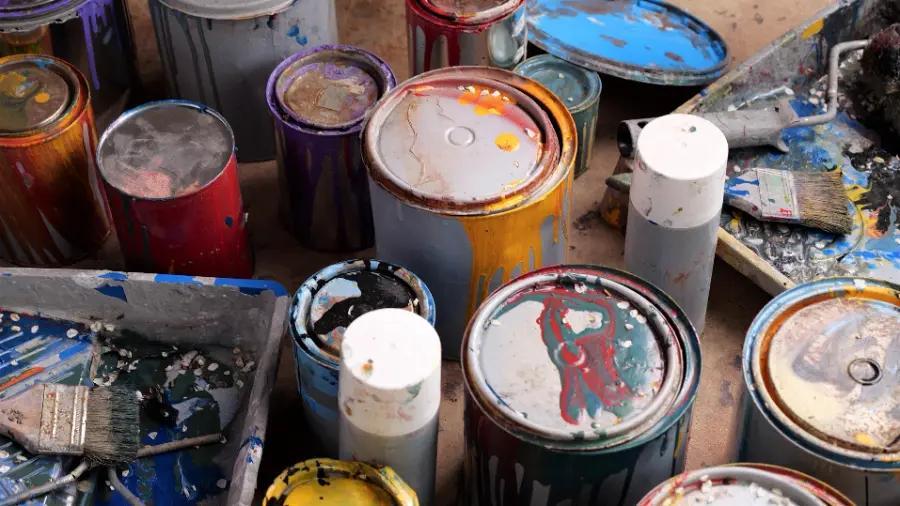
Most home improvement projects require a trip to a hardware store, and after spending our hard-earned money on supplies, it can feel wasteful to throw away leftovers once the project is finished. Small offcuts of timber, tiny tester pots, sandpaper in odd sizes, leftover wallpaper paste, spare plant pots…the list goes on. Yet, if it’s been sitting untouched for a long time, you probably don’t need it – and if you ever did, chances are, it wouldn’t be that difficult to replace.
If the main issue is that you know you don’t need it but don’t want to throw it away, consider listing it for free on sites like Olio or Freecycle, where someone in the throes of a DIY project will probably take it off your hands.
4. Old food containers
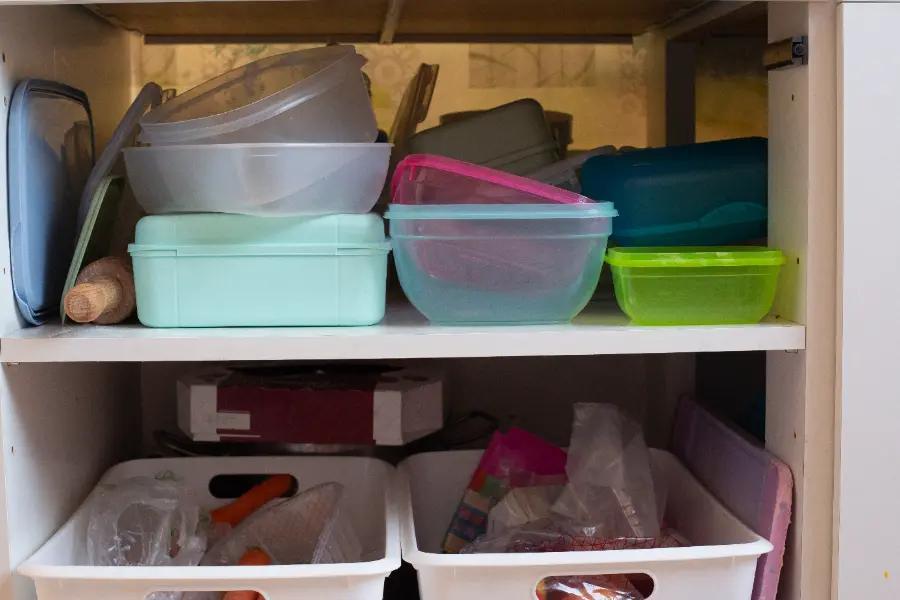
Look in the average person’s kitchen cupboard, and you’ll find more food containers than they actually use or need. We might keep the boxes from a Chinese takeaway, accumulate tupperware from friends and family who send us home with leftovers, or buy new containers when lids get lost or warped, without taking the time to get rid of the old.
These days, more of us are also switching from plastic to glass tupperware due to concerns about substances like BPA and phthalates leaching into our food and damaging our health. So you might have plenty of plastic containers left over from the transition.
If you’ve got more food containers than you know what to do with, start by matching every container with its lid and separating any that are cracked, lidless, stained, or warped before thinking about how many you actually need. Most of us will find we don’t need more than 10 in a few different sizes, and while some might be binworthy, others could be repurposed for storage to organise things like first aid kits, loose screws, or pens.
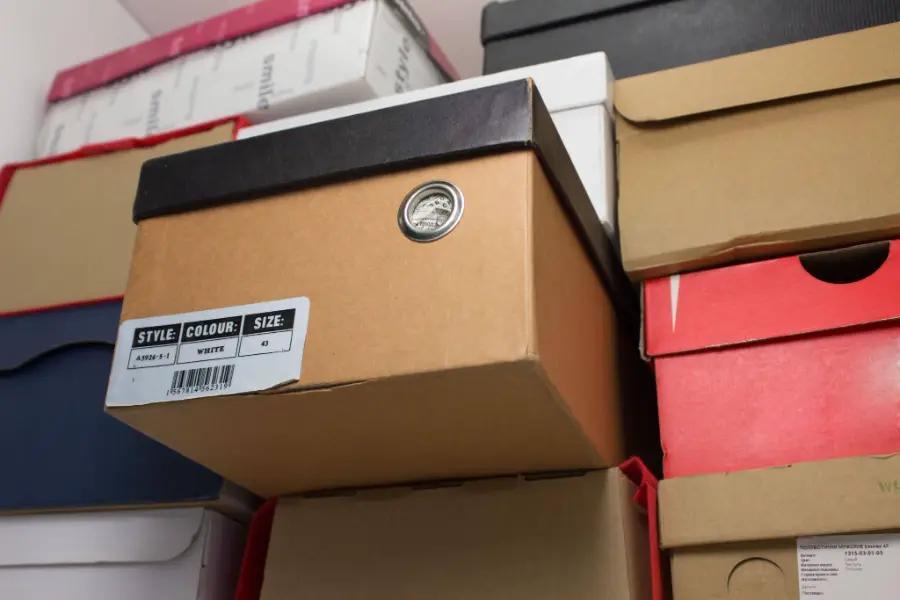
5. Shoe boxes
Shoe boxes are one of those things that silently build up – especially if we buy shoes from expensive brands, which seems to make keeping the box ‘just in case’ feel even more valid.
But cardboard shoe boxes offer limited protection against things like damp, dirt, and pests and take up more space than they’re worth. They also make it more difficult to see what you have. How many times have you forgotten you even own a pair of shoes because it’s squirrelled away in a box?
Consider swapping shoe boxes for a space-saving shoe rack or organiser like this one from Amazon. It even has a clear lid so you won’t have to guess what’s in it.
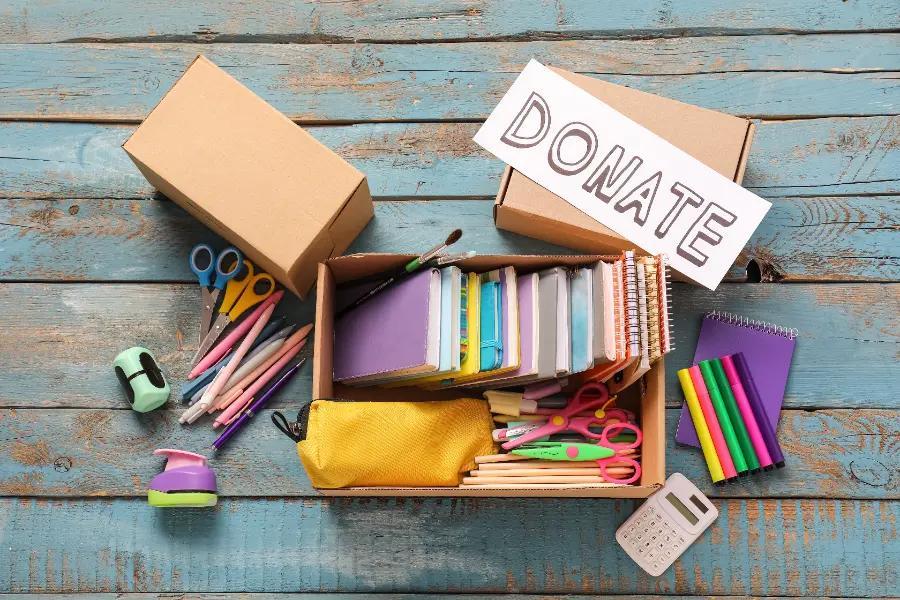
6. Craft supplies
Whether you’re a keen crafter or someone who dabbles in creative pursuits now and then, you might find yourself with a build-up of things like crusty glue, dried-up paint, paper scraps, bits of ribbon, and loose sequins. Many of us don’t think about decluttering items associated with productive hobbies, especially something like crafting where each supply contributes to making something beautiful!
But how you organise your craft supplies can influence how inspired you feel. And like any other area of our lives, too much clutter can weigh us down, affecting our focus and productivity.
If you’re struggling with where and how to declutter your craft supplies, start with anything dried up or broken. Then weed out any duplicates, as well as anything that’s no longer your style or that you don’t love – only keeping supplies that will support upcoming projects. Some might need to be thrown away while others can be recycled, sold, or donated.
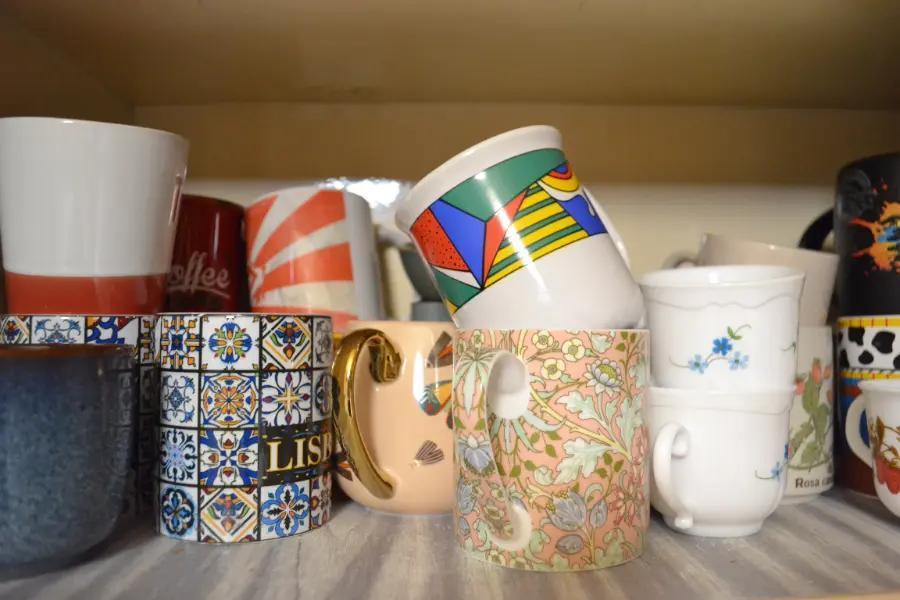
7. Mugs
Our mug stash can easily build up throughout a lifetime. People gift them to us; we buy them in sets, break some, then buy new sets; and we collect them as memorabilia. The result is often an eclectic and overflowing collection.
But the reality is, most of us only ever use one or two mugs, and might need a few spare for visitors. So, if you have rows upon rows of mugs stacked on top of each other, it could be time to make some space. Charity shops are a great place to drop off any nice ones in good condition, while any that are chipped or unusable can be disposed of in your regular rubbish – just wrap them in paper first to prevent injuries.
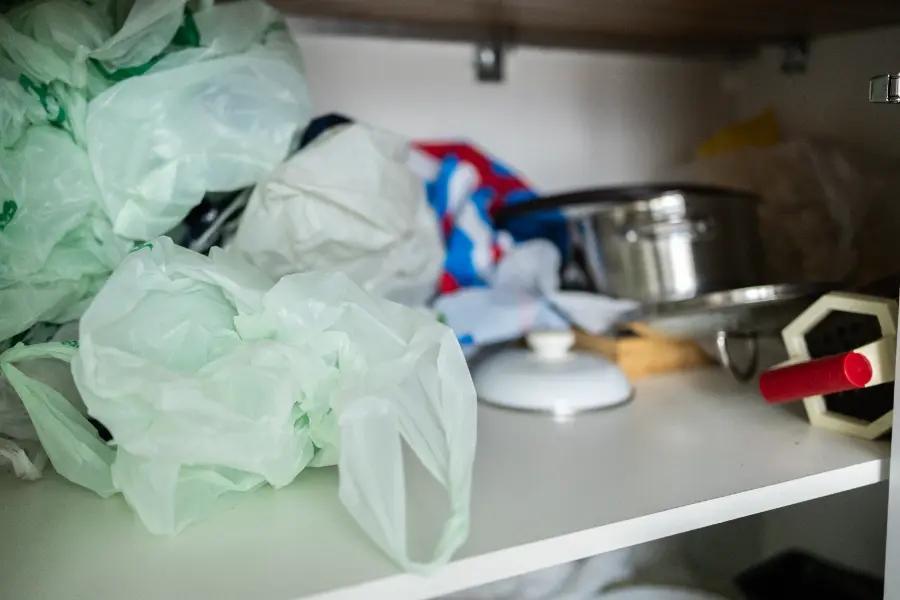
8. Shopping bags
Plenty of us battle on and off with having too many shopping bags, then not enough, throughout our lives. But there are few things more annoying than heading to the ‘bag drawer’ and struggling to open and close because it’s so stuffed. Often, the reason we buy new bags is that we forget to take ours with us or pop into the shops impromptu.
To avoid getting caught short, decluttering experts recommend keeping 3-4 shopping bags in the car and recycling the rest. If you don’t drive, you could also keep a couple of shopping bags in your handbag or rucksack. To save space, check out this short tutorial on how to fold your plastic carrier bags up really small.

Give unwanteds a better next chapter
Your once-loved items are just waiting to be useful again. Pop them in a box, send them to Vintage Cash Cow for free, and they’ll make you an offer to rehome them all.
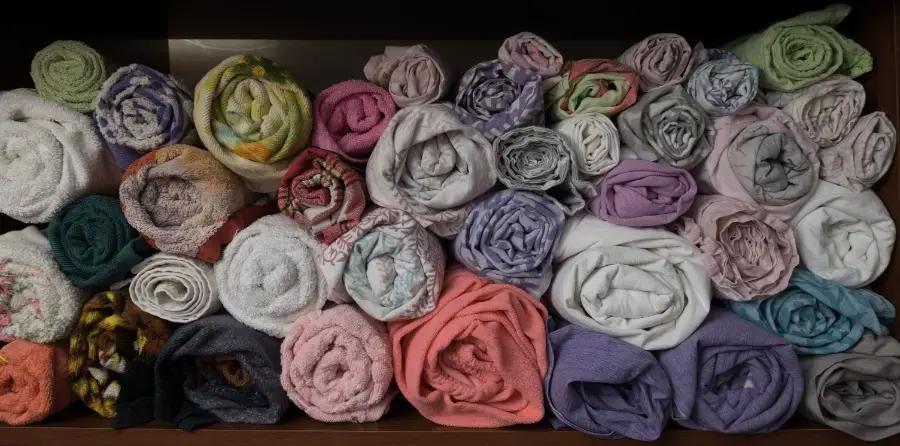
9. Spare bedding
Spare bedding is definitely useful, although we only ever need one set on the bed and one in the wash, and the same applies to each bed in the home.
You could start by getting rid of any bedding that’s ripped, stained, faded, or bobbly, as well as any sheets that’ve shrunk in the wash and now don’t fit your bed like they used to. Anything that no longer goes with your decor can also go, as well as odd bedding or anything you never reach for.
It can be tricky to know what to do with unwanted bedding, but you can find a list of charities that accept it in this article from Piglet in Bed.
10. Items to be sold
Once you’ve gotten over the first hurdle of deciding which items you want to keep, you might have chosen some you’d like to sell. But it’s easy to procrastinate and find yourself with bin bags of unwanted items months later.
To avoid this, try listing items for sale straight away on places like eBay or Vinted or send some items in bulk to services like Vintage Cash Cow. It can also help to set a resale time limit of 1-2 months – if the items don’t sell after that, it’s often better to free up your space by taking them to the charity shop.
Final thoughts…
Even if we consider ourselves proficient declutterers, there are often things that slip through the net and continue taking up valuable space in our homes, from instruction manuals to spare bedding. And often the first step to parting with them is to recognise where they might be hiding.
For more decluttering ideas and inspiration, check out articles: 10 tips for a digital declutter and Why Swedish death cleaning is surprisingly uplifting.
Are there any other ‘just in case’ items that you would add to this list? How is your decluttering journey going? We’d love to hear from you in the comments below.
Elise Christian is Lifestyle Editor at Rest Less. She joined Rest Less in 2018 after achieving a first class Master’s Degree in Journalism from the University of Kent, and writes across a range of lifestyle topics such as mental health, home and garden, and fashion and beauty. Prior to this, she worked as a freelance writer for small businesses and also spent a year training to be a midwife. Elise spends her spare time going to the gym, reading trashy romance novels, and hanging out with loved ones. She also loves animals, and has a fascination with sharks and tornadoes.
* Links with an * by them are affiliate links which help Rest Less stay free to use as they can result in a payment or benefit to us. You can read more on how we make money here.

Give unwanteds a better next chapter
Your once-loved items are just waiting to be useful again. Pop them in a box, send them to Vintage Cash Cow for free, and they’ll make you an offer to rehome them all.
Join the discussion
Read our full commenting terms and guidelines