- Home
- Leisure & Lifestyle
- Home & Garden
- 11 treasures to look for in charity shops
How does Rest Less make money
We make money through advertising and commission from affiliate links, which enable us to offer Rest Less as a free service to our users. The content on this page may use affiliate links, which track traffic from our website to a third party provider and enable us to receive a commission or payment from any traffic we refer.
* Affiliate links on this page have an * next to them. We place enormous importance on our editorial independence and the integrity of our content which means that we will never change how we write about something as a result of an affiliate link.
There are many benefits to shopping secondhand. You can save money, find unique and discontinued items, and cut down on waste. Plus, by spending your money at charity shops, you’ll know it’s going to a worthwhile cause.
Here in the UK, there are over 11,000 charity shops with constantly changing stock. So, whether you’re searching for something in particular or just love finding a bargain, it’s worth stopping by your local ones now and then.
To give you some inspiration for the type of treasures waiting to be discovered, we’ve pulled together a list of some of the best items you can find in charity shops.
1. Board games
Even today, in our screen-dominant world, there’s nothing like a board game to bring family and friends together. So why not look for a tabletop game at your local charity shop?
Board games can be expensive these days, with many costing over £20. In fact, the popular game Catan (or ‘Settlers of Catan’, as it used to be called) will set you back £39 on Amazon. But if you keep an eye out while browsing in charity shops, you might find something you and your loved ones will enjoy for just a few quid.
Top tip: When looking at board games in charity shops, it’s worth checking they have all the pieces before you buy. As you can imagine, getting home and realising you’re missing a key part can be frustrating!
2. Vinyl records
For those who love analogue audio, charity shops can be a treasure trove for records.
While new vinyls are still being pressed (for both new music and reissues of classics), buying them secondhand can save you a fair bit of money – and you may find something rare.
Pressing records also produces quite a lot of waste and uses massive amounts of energy, so buying vinyls from charity shops can be a more sustainable way to enjoy them. Plus, by finding original versions of albums (rather than remastered reissues), you can listen to tunes as the artists originally intended.
And who knows? If you’re lucky, you might be able to find a decent secondhand record player at your local charity shop, too.
Top tip: Dirt sitting between the grooves of a record shouldn’t put you off, as this can be gently removed. However, try keeping an eye out for any perpendicular scratches or warping, as this can affect the sound quality.

Give unwanteds a better next chapter
Your once-loved items are just waiting to be useful again. Pop them in a box, send them to Vintage Cash Cow for free, and they’ll make you an offer to rehome them all.
3. Designer clothes
This entry won’t come as a surprise to many readers, as designer clothes are often a high priority for secondhand shoppers looking for a bargain. Though there may be more high-end clothes hiding on the rails of charity shops than you think.
It’s worth saying from the off that it’s not necessarily worth buying clothes simply because they have a designer label, but keeping an eye out for them in charity shops can be helpful. One obvious reason is that designer clothes can be good indicators of quality, as they’re typically (though not always) made with more luxurious and durable materials.
Looking out for any sort of brand or logo (whether it’s designer or not) is a useful technique when browsing charity shops. It means you can pull out your phone and do a quick Google search to look at user reviews. Or you may already have a few pieces from that brand and know what they’re like.
With non-branded clothing, quality can be tricky to determine, and you may risk buying something that may fall apart after a couple of wears.
Top Tip: If you’re looking to get your hands on some designer items, try browsing charity shops in affluent areas, as these often receive a higher amount of designer donations.
4. Glassware
If you haven’t spent much time in charity shops, you might be surprised to see how much glassware is available.
From flower vases and carafes to pint glasses and whiskey decanters, charity shops can help you kit out your cupboards for a fraction of the cost of shopping new.
If you’re looking for high-quality glassware, try feeling the weight of items in your hand; the heavier they are, the better the standard tends to be. It’s also worth holding glassware up to the light to see if it’s cloudy or has flaws. However, imperfections aren’t always a bad sign. Features like bubbles could indicate that you have an antique in your hands.
And if it’s crystal you’re after, try tapping it gently with a fingernail. You might have found what you’re looking for if it makes a bell-like chime. Crystal also creates a rainbow prism when held up to the light.
Top tip: These days, many charity shops sell their goods online, either on their own websites or through eBay. So you can also look for deals from the comfort of your home.
5. Toys
If you’ve recently bought toys for any kids in your life, you’ll know how expensive they can be. Action figures and dolls often clock in at £20+, and larger sets can cost a couple of hundred quid (this in-demand Barbie Dreamhouse, for example, will set shoppers back an eye-watering £169.99).
But kids grow out of things pretty quickly, and lots of toys end up in charity shops after being played with only a handful of times – sometimes still in the box.
So, if you’ve got grandkids with a birthday coming up, or you’re looking to get a head start on Christmas, it’s worth checking out your local charity shops to see if they have any toys for sale.
Top tip: Try visiting charity shops at the start of the week. Not only are they typically quieter on Mondays and Tuesdays, but because people tend to drop their donations off over the weekend, this is usually when the stock is at its best.
6. Typewriters
If you don’t visit charity shops often, you might be surprised that they sometimes have vintage typewriters in stock.
From a practical standpoint, typewriters may have been made more or less redundant in the workplace by computers, but that doesn’t mean they’ve lost their value entirely.
If you’re a fan of history and engineering, you could consider starting a collection or perhaps restoring them to working condition, which might become a new hobby. Giving a piece of history a new life can be incredibly rewarding.
Alternatively, if you’re simply looking for interior design ideas, you can use vintage models as decoration to add a retro dimension to your living space. I have one at home, which I use to break up the books on my shelf.
This blog post from Apartment Therapy has some great ideas for using vintage typewriters as decoration.
Top Tip: If you’re buying a typewriter that you intend to use, make sure it’s in working condition before parting with your money (unless you’d like to try restoring it yourself, of course). Check out this video to find out how to test them.
7. Books
Books are another item that costs a pretty penny these days. And while supporting local bookshops and authors is always great when possible, you don’t need to let sky-high prices prevent you from getting your literature fix.
Luckily, you can pick up some great titles in charity shops for a couple of quid – from rare genre novels and comics to coffee table books and educational textbooks.
The selection of books found in charity shops varies considerably. Some more traditional shops may have only a shelf or two of paperbacks, while others specialise in books, like Oxfam Bookshops.
If you’re looking for a specific title, Oxfam Bookshops will even let you leave your name and number, so they can let you know if (or when) it comes in. Plus, they have an online service where you can order books. You can search by title, author, and ISBN using the button below.
Top tip: When shopping for books in charity shops, try to go with an open mind. They might not have exactly what you’re looking for, but you can always see this as an opportunity to try something new.
8. Maternity clothes and baby gear
If you’ve had children, you’ll know what a pain buying maternity clothes and baby gear can be. Spending hefty sums on good-quality items that’ll only be used for a few months or years can feel like an inevitable part of raising children.
But it doesn’t have to be! Because the turnover of maternity clothes and baby gear is high, many items are donated. So, if you have a baby or young child in your life, or you know some parents-to-be, why not see if you can find them something in your local charity shop?
From maternity dresses to stair gates and buggies, there are plenty of good-quality, preloved items out there.
Top tip: You can look in conventional charity shops for these sorts of things, but there are also baby-specific locations around the country – such as this one in Clapham from children’s charity FARA.

Give unwanteds a better next chapter
Your once-loved items are just waiting to be useful again. Pop them in a box, send them to Vintage Cash Cow for free, and they’ll make you an offer to rehome them all.
9. Furniture
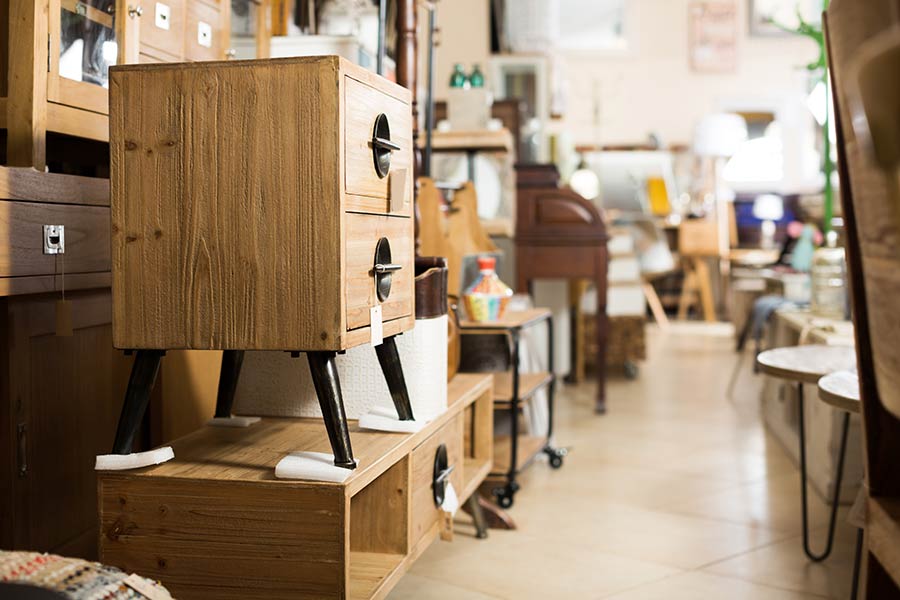
More and more people are choosing to buy their furniture secondhand. Not only is this a greener option because it keeps pieces in circulation and out of landfill, but it can also help you find great quality items for less.
There are plenty of places to find cheap, pre-loved furniture, but charity shops specialising in furniture and electricals are certainly some of the best – like the ones run by the British Heart Foundation, St Christopher’s, and Emmaus.
One thing to remember when shopping for secondhand furniture is that the condition doesn’t have to be perfect. Often, minor repairs that you can learn to do at home can breathe new life into a piece.
For example, say there’s an antique chair with a frame you love, but the fabric print clashes with your wallpaper. In this case, why not brush up on some upholstering skills and swap it for something more appropriate?
Top tip: When shopping for secondhand furniture, try to have the measurements of your home on hand. Good-quality items don’t hang around long, and even popping back to measure a space could mean that you miss out on a good deal.
10. Picture frames
Whether you’re looking to frame family photos or display your artwork in style, picture frames can add elegance to anyone’s home.
But they offer more than just decorative benefits, as frames can protect our beloved artwork, which is especially handy for anything with strong sentimental value – like a concert poster from our youth or a picture painted by a loved one.
Sure, you can find lots of new frames online for next to nothing, but many are poor quality and come in drab, minimalist styles. So why not look out for good-quality frames in your local charity shop? You might be surprised at what you can find.
Check out this article from Fast Frame for tips on picking the right picture frames for your decor.
Top tip: While it’s tricky to find matching sets in charity shops, combining various styles of picture frames can add an eclectic dimension to your home.
11. Leather boots
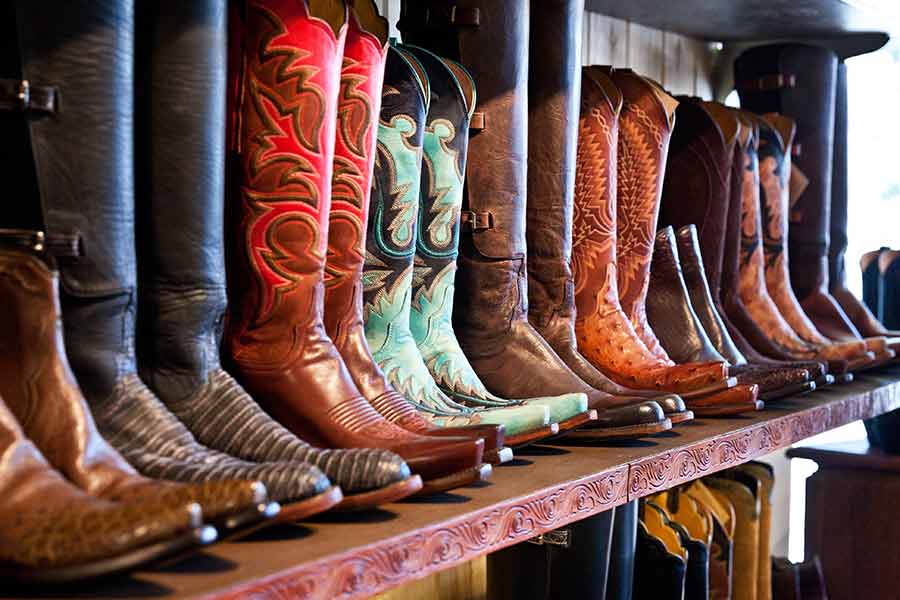
Leather products are known for their durability and longevity, which is why many leather boots end up being donated to charity shops. They often have many more years of stylish service to give, even after their previous owners decide they no longer need them, so it’s worth keeping an eye out for them.
Some people might baulk at buying secondhand shoes and think it’s a little bit unhygienic. And, of course, as with all secondhand items, some products are worth avoiding.
But the truth is that people often buy shoes only to discover after a couple of wears that they don’t fit right. These can sit untouched in wardrobes for years before getting donated to charity shops.
Although if you’re worried, you can always get new purchases professionally cleaned and deodorised – they’ll still be cheaper than buying leather boots new. Plus, they’ll be less painful because you won’t need to break them in.
While saving money is a big benefit of buying leather boots at charity shops, those looking to make more ethical shopping choices might also wish to buy their other leather products secondhand. This is because every new leather piece we buy involves the death of an animal, but also uses lots of water and energy.
Top tip: Charity shop stock is constantly rotating as old items are sold, and new ones are donated. So, if you’re keen to find the best deals, try checking in with your local shops regularly.
Final thoughts…
From vintage typewriters to leather boots, there are plenty of treasures to hunt for in your local charity shop. And while we mention some of the best things to look out for here, it’s certainly not an exhaustive list, as part of the fun is that you never know what you’ll find.
For more thrifty money-saving tips, head over to our everyday finance section.
Are you a fan of charity shops? If so, what are some of your favourite finds? We’d love to hear from you in the comments below.
Sam McLoughlin is a Senior Lifestyle Writer at Rest Less. He joined the editorial team in 2021 after completing his Master’s degree in English Literature, Culture, and Theory at The University of Sussex. He enjoys writing about careers, books, sports, travel, and pretty much anything that his editor will let him have a crack at, but his favourite part of the job is interviewing inspiring people – from activists and CEOs to later life career changers. In his spare time, Sam enjoys climbing, snowsports, and going to see live music.
* Links with an * by them are affiliate links which help Rest Less stay free to use as they can result in a payment or benefit to us. You can read more on how we make money here.

Start your new chapter abroad with this free retirement guide
With Your Overseas Home, you will receive honest guidance, expert advice and a helping hand every step of the way.
Download the free guide to find out how to cut everyday living costs, get tax, pension and visa checklists, and discover top tips from the expat community.
Join the discussion
Read our full commenting terms and guidelines