- Home
- Leisure & Lifestyle
- Home & Garden
- When neighbours become good friends – 5 ways to start building community connections

Sponsored content
Living longer, healthier, and more fulfilling lives isn’t just about eating right and getting enough exercise. It’s also about feeling connected to other people. Research from the world’s Blue Zones – regions where people live unusually long and healthy lives – shows that a strong sense of community can be just as impactful as diet and exercise.
But as we get older, many of us find that connection is something that’s missing from our lives. Friendships can fade, children move away, and opportunities to meet new people often become scarcer. For many people, forming meaningful friendships just feels trickier with age, too. Yet, social bonds give us meaning and purpose, boost wellbeing and confidence, and provide a reassuring sense of belonging.
That’s why many people are choosing to move to later-living communities like Pegasus Homes. Designed with social connection in mind, these communities offer built-in bonding opportunities alongside beautiful homes, excellent facilities, and minimal maintenance. Located in convenient, desirable areas all across England, these communities can quickly make your life feel richer, warmer, and more rewarding.
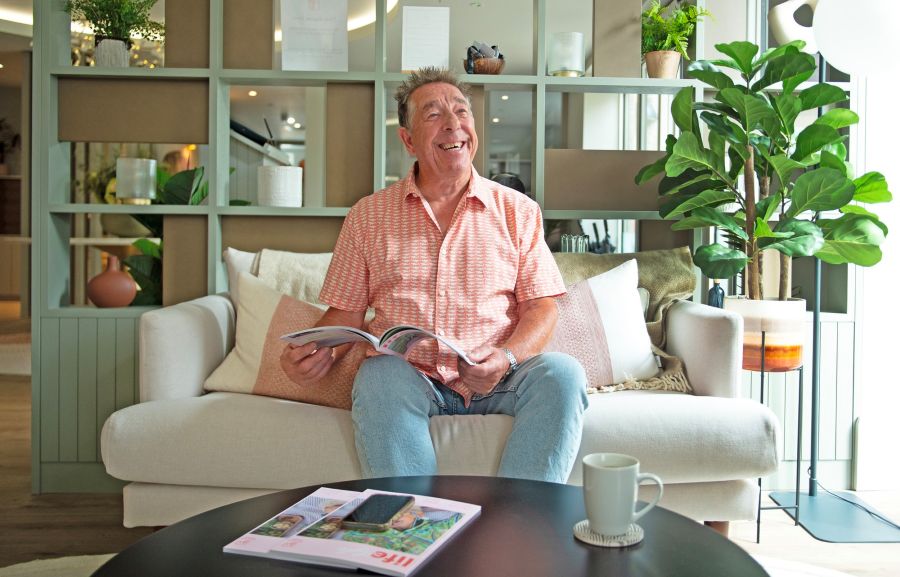
This was certainly the case for Eddie and Malcolm. After losing their wives and struggling to maintain large family homes on their own, both men moved to the Pegasus Homes Lichfield Bonds community. But for Eddie and Malcolm, moving into a later living community wasn’t just about downsizing or reducing everyday responsibilities; it was about rediscovering connection.
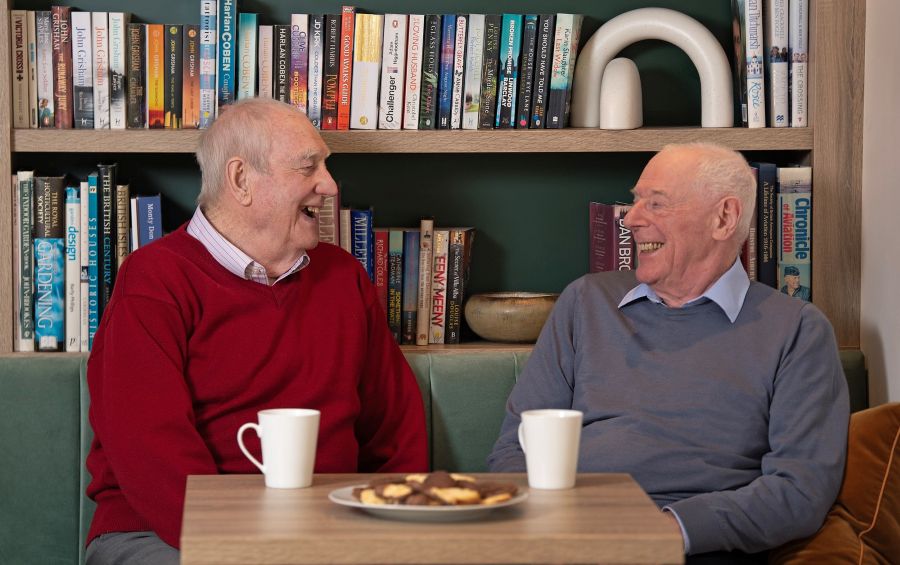
“I never thought I could ever be happy again after my wife died,” Eddie says. “We were 58 years together, totally devoted to each other. I thought that was it. But having this friendship and all the others has made such a difference to my life…I’m actually happy again. I love it here. I really do.”
Malcolm’s story is similar. “I lost my wife after eight years of Parkinson’s, and I knew life was coming to a change,” he says. “There’s something here. It’s something very precious and difficult to put your finger on what it is. But people get on, there’s the odd social thing, and you’re not stuck in your own little box.”
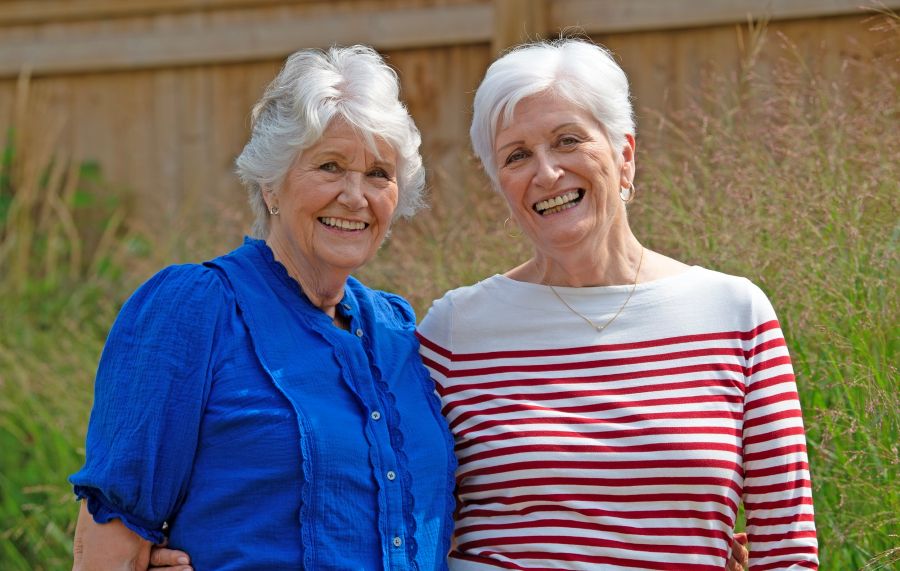
Both Eddie and Malcolm found new friendships and renewed happiness at Pegasus Homes – as have Rita and Pauline who, separately, both moved into Pegasus Homes Seaford community. Their experiences show that in later-living communities, meaningful connection often grows from everyday interactions. So what actually helps neighbours become friends? Drawing on their insights, here are some practical ways you can start building stronger social connections today…wherever you live.
1. Start with small everyday interactions
Whether you’re thinking about moving to a later-living community or not, it’s worth remembering that friendships rarely begin with big gestures. More often, they start with small, everyday interactions: saying hello to someone you recognise, striking up a conversation in a queue, or having a quick chat about the weather.
If you’re new to a community, try setting yourself a goal: learn three people’s names in your first week, and greet them when you see them. Though small, these exchanges build familiarity, which, in turn, builds trust and can make sparking up future conversations feel easier.
This is how many friendships at Pegasus Homes began. As Eddie puts it, “When you get to our age, it’s difficult to make friends – but you walk in here, and people greet you as soon as you come.” Malcolm agrees: “There’s always someone to pass the time of day with.”
That sense of being seen is often the first step towards something deeper, and casual chats can quickly turn into coffee mornings, meals out, and shared experiences that would have felt unlikely not long ago. “I’ve been on holiday with John two or three times now, and Ken,” Eddie says. “We went to Norfolk. It was wonderful.”
2. Use shared spaces to spark conversation
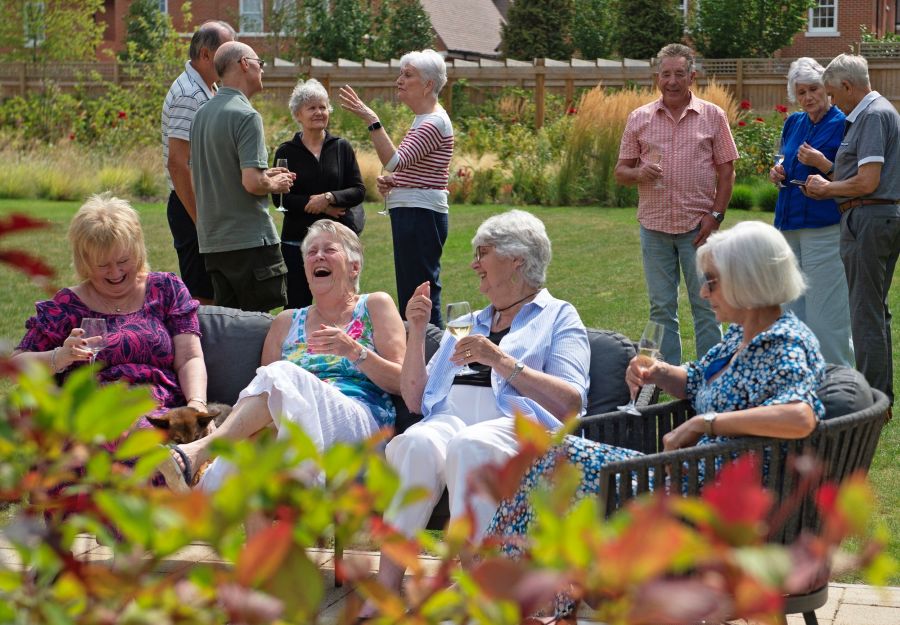
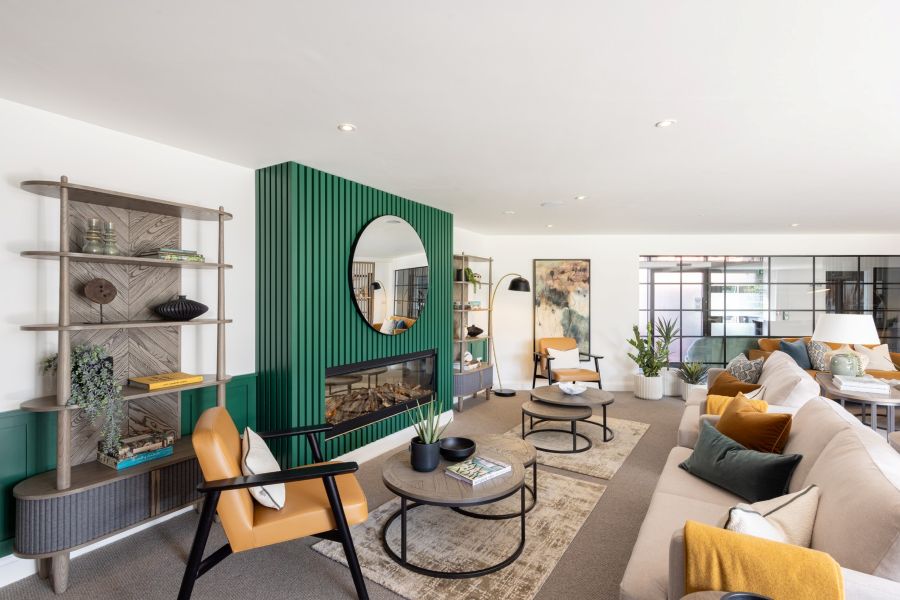
Later-living communities are designed to encourage interactions. From communal lounges and coffee areas to pretty and peaceful gardens, these areas aren’t just attractive spaces to enjoy a drink or get some fresh air; they’re opportunities for connection – natural meeting points where people can come together without any sense of obligation.
After a walk or trip to the shops, why not try using shared spaces before heading back to your home? You could read a book in the communal lounge, or have a coffee where others can drop by and join you. Small, spontaneous moments help make you visible – and the more visible you are, the easier it is for conversations to occur and friendships to develop.
Of course, having your own personal space is important, too, but Pegasus Homes communities are designed to strike the right balance between independence and community. As Malcolm puts it, “You’re not on your own, but you’re not in and out of each other’s apartments.”
Pauline agrees that this balance is one of the things residents value most. “What I like about it is that if you want company, you’ve only got to come down here with a jigsaw going or something like that. And there’s always someone to talk to. When you want to be on your own, you just go up and close the door and nobody bothers you. Which is lovely.”
There’ll likely be times when you’d prefer the solitude of your own apartment – but knowing there’s a community out there when you want to connect can make all the difference.
3. Turn hobbies into social opportunities
One of the great things about later life is the wealth of experience people bring with them. Over the years, we accumulate passions, talents, and interests – and sharing these with others can be one of the quickest and most natural ways to connect.
Whether you’re passionate about painting, gardening, cooking, reading, hiking – or simply enjoying a good chat – there’s always someone who will share the same interests or want to learn from you. At Pegasus Homes, there are plenty of social events built upon various interests, from wine and cheese nights and coffee mornings to concerts and theatre trips in town. There are also onsite health and fitness classes where you can connect with others.
“There’s always somebody doing something to organise like a film night or a fish and chips night,” says Malcolm. While many social events are organised by residents, others are facilitated by on-site teams, who understand that, sometimes, we all need a bit of encouragement. As Eddie confirms, “There’s somebody there pushing us along…very gently!”
Of course, taking part is always a matter of personal choice. “I think it can put people off, thinking they have to get involved,” Rita says, “but you don’t have to join in, you can do your own thing. But having this community here meant that for us, we had a ready-made social life! Even if you’re not an extrovert and don’t like social life as much, you can still have a life here. You can still get the feeling of being safe and happy.”
If there isn’t a group or activity that appeals to you in your local community, why not try starting something yourself? You could start a monthly supper club, a walking group, or a weekly film night. While it might feel daunting to put yourself out there, remember that you’re not only creating something for yourself. Often, people are just waiting for someone else to take the first step.
4. Build routines that bring people together
While one-off events can be fun, meaningful connections usually flourish with consistency. Often, it’s the regular events and everyday moments that provide a steady, reassuring presence, and quietly anchor community life, giving people a chance to slowly get to know one another.
From attending a fitness class every Wednesday afternoon to early Saturday morning swims, shared routines give people something to look forward to. Because they happen regularly, there’s no need for formal planning or invitations; people can simply join in when they feel like it, without any expectation or pressure.
Pauline has seen this kind of routine grow naturally among residents. “We started playing whist every Wednesday. There were eight of us who got together and had a whist drive, and we have a coffee morning every Wednesday. And then gradually more and more people come in – they’ve joined the family and that’s how it works.”
Knowing there are activities to rely on can also bring structure to your week. If you live in a later living development, even the smallest traditions, like tea and cake in the lounge on a Thursday afternoon, can create something warm and familiar – a feeling of continuity that helps neighbours grow into friends.
5. Choose an environment that supports connection
No matter how much effort you put into building connections, the right environment makes a difference, too – and later-living developments are designed to encourage interaction without intruding on personal space. While your home should be your private haven, residents’ lounges and shared gardens help friendships blossom.
Often, downsizing and reducing responsibilities can take a weight off your shoulders, allowing you to focus on enjoying life. When you no longer have to worry about out-of-control gardens or dusting and hoovering a whole house, you can free up more time – and headspace – to live in the moment, and enjoy this new chapter of life.
“I knew I’d got to move to something smaller. I could have bought a flat, but then you haven’t got the same camaraderie, have you?” Malcolm says. “You can be independent and look after yourself, but you’re not totally on your own. It’s not in your face. But it’s there.”
Rita agrees: “I think the most important thing is if you’re on your own and you’ve lost a husband, wife, partner, there’s always somebody here…somebody around you to help you feel better. I think that is really important.”
Final thoughts…
Having a sense of community is important at any age, but in later life, these connections can become even more meaningful. And yet, this time is often when many people struggle most to form new friendships.
That’s what makes communities like Pegasus Homes so transformative. Living in a setting that’s designed to bring people together makes it easier to meet people, share experiences, and form connections that genuinely enrich your life.
As the experiences of residents like Eddie, Malcolm, Rita, and Pauline show, community isn’t about always being social or sacrificing your independence; it’s about knowing you’re surrounded by people who care. Often, the most rewarding friendships begin with small gestures – from saying hello and introducing yourself to sharing a pot of tea in the morning.
And, as Eddie, Malcolm, Rita, and Pauline discovered, sometimes these new connections can completely transform your life. When neighbours become good friends, life doesn’t just feel lighter; it can bring a sense of contentment they didn’t expect to feel again.
Selene Nelson is an author, freelance journalist, and lifestyle writer for Rest Less. After graduating from the University of Sussex with a degree in English Literature, Selene began contributing to many major newspapers and websites, and has written for the BBC, The Sunday Times, The Independent, Town & Country, and HuffPost. Her specialist subjects include food, travel, and health, though she enjoys writing about a wide range of topics (e.g. her two books are about veganism and psychopathy, respectively!). She enjoys cooking (particularly pasta and Asian noodle soups), reading, travelling, hiking, attempting to keep fit, and watching animal videos on YouTube.
* Links with an * by them are affiliate links which help Rest Less stay free to use as they can result in a payment or benefit to us. You can read more on how we make money here.