
Alarmingly, one in seven people aged 16 years and over in England and Wales has been a victim of stalking at least once, with women and younger people most affected (ONS).
Many people think of stalking as someone lurking in the shadows, a delusional fan following a celebrity, or a hopeless romantic who makes persistent grand gestures to win someone over – and while these scenarios exist, they represent a fraction of cases. The reality is far more complex and closer to home.
Far from romantic, stalking can include making unwanted or offensive phone calls, posting abusive messages on social media, identity theft, and property damage. Research from the University of Gloucestershire also found stalking present in nine out of 10 murders, highlighting the deadly potential of what many dismiss as “harmless attention”.
What’s even more shocking is that stalking only became a criminal offence in England and Wales in November 2012, following the amendment of the Protection from Harassment Act 1997. And it wasn’t until 2020 that stalking became recognised as a form of domestic abuse. Following this amendment, the Met Police saw stalking cases increase from 200 to 1,000 per month.
While stalking is now illegal, police – and sometimes victims themselves – don’t always realise the severity of what’s happening until it’s too late.
So why is stalking often romanticised? What really is it? And what happens when obsession turns dangerous?
Note: If you or someone you know is a victim of stalking, you can contact the National Stalking Helpline on 0808 802 0300 for free help and advice. However, if you’re in immediate danger, you should always call 999.
Trigger warning – This article contains themes of extreme violence. Reader discretion is advised and our thoughts are with anyone who may have been affected by any of the tragic events mentioned here.
Stalking – media myths vs reality
The portrayal of stalking in popular culture often bears little resemblance to the devastating reality experienced by victims. Romantic comedies and dramas frequently portray persistent pursuit as romantic – the grand gesture, the surprise appearance at someone’s workplace, or the refusal to accept rejection.
This media representation can make it more difficult for victims and observers to recognise when behaviour crosses the line into stalking. While films might show a happy ending after persistent pursuit, real stalking victims describe living in fear, having their lives controlled by someone else, and feeling isolated and distressed.
However, recent productions on stalking, like Netflix’s Baby Reindeer and BBC documentaries, have begun to reveal the genuine psychological impact and devastating reality of being stalked, helping to shift public understanding away from romanticised myths.
What is stalking?
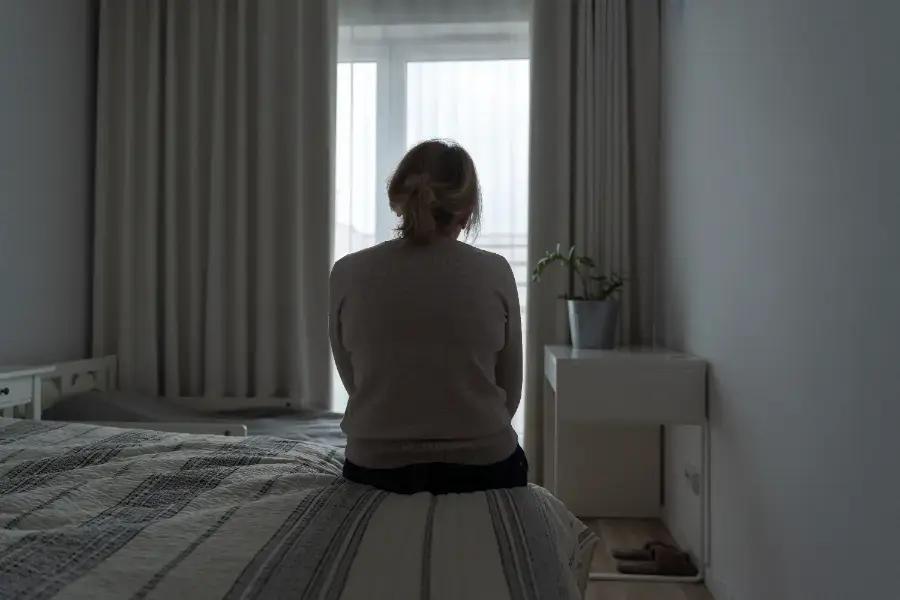
Stalking isn’t romantic. It’s not flattering, harmless, or a sign of affection – it’s a serious crime with potentially devastating consequences.
According to the Office for National Statistics (ONS), an estimated 1.4 million people in the UK experienced stalking in the year ending March 2025.
What sets stalking apart from other forms of harassment is its relentless, escalating, and deeply invasive nature. The Suzy Lamplugh Trust, a charity set up to raise awareness of stalking and support victims, defines stalking as “a pattern of fixated and obsessive behaviour which is repeated, persistent, intrusive and causes fear of violence or engenders alarm and distress in the victim.”
To help identify stalking behaviours, UK police use the acronym FOUR…
- Fixated
- Obsessive
- Unwanted
- Repeated
Common stalking behaviours
Stalking can take many forms, including but not limited to…
- Following or tracking the victim
- Using surveillance to monitor them
- Loitering in places the victim is known to frequent
- Appearing uninvited at their home, workplace, or other locations
- Repeated, unwanted contact through texts, phone calls, emails, letters, or social media
- Sending unwanted gifts
- Damaging the victim’s property
- Hacking or attempting to access the victim’s online accounts
- Stealing the victim’s identity
- Spreading false information or making malicious allegations
The rise of cyberstalking
With the growth of digital technology, stalking is no longer limited to physical spaces. The National Stalking Helpline now reports that 100% of the cases they handle involve a cyber element, up from 80% in 2019. Social media, messaging apps, and other online tools have created new ways for stalkers to monitor, harass, and control their victims.
This rise in cyberstalking accelerated during the COVID-19 pandemic, as more people worked remotely and developed the digital skills that can be exploited for harmful purposes.
The impact of stalking on victims
Stalking has the potential to turn violent, sometimes leading to physical and sexual assault, and in extreme cases, murder. Even if stalking doesn’t turn violent, it can be incredibly distressing for victims and can cause depression, anxiety, and post-traumatic stress disorder.
“As a victim of stalking your life is suspended and controlled by someone else... locked in a cycle of fear and anxiety. I feel like I am living someone else’s life, the stalking behaviours have robbed me of the life I built... it’s a very lonely, isolated existence.”
- Victim of stalking
Anyone can be a victim of stalking
In raising awareness about stalking, it’s important to highlight that anyone can become a victim. A study of 2,292 stalking victims showed that they were both male and female, and aged between 10 and 73. They were also spread across the entire socio-economic spectrum, and 38% were professionals.
However, the Crime Survey for England and Wales (CSEW) shows that women are more likely to be victims. According to the numbers, 20.2% of women (one in five) have experienced stalking at some point since the age of 16, compared with 8.7% of men.
The profile of a stalker
Stalkers can also be anyone – a stranger or someone you know. However, the Suzy Lampugh Trust reported that 45% of people who contacted the National Stalking Helpline are being stalked by ex-intimates (for example, ex-partners), and a further third were previously acquainted with their stalker.
The psychology behind stalking
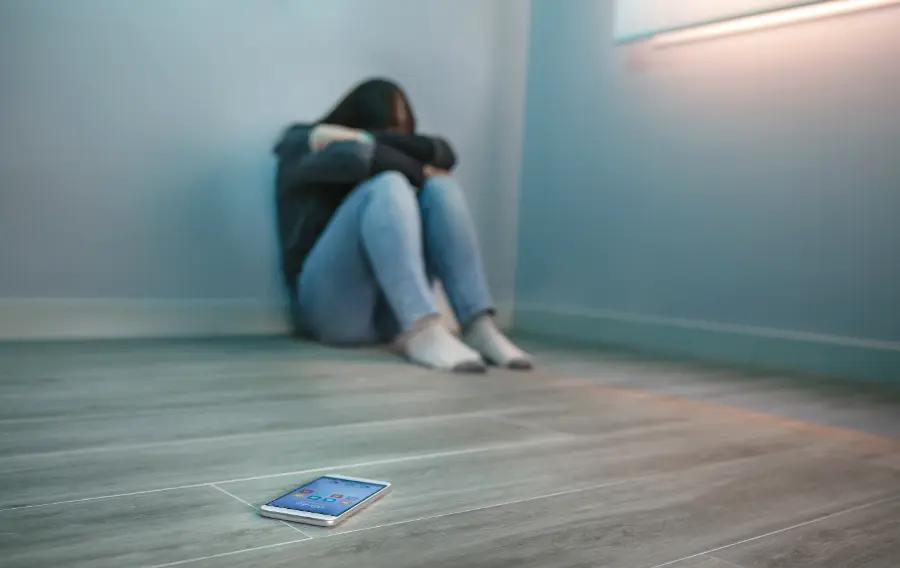
There are various reasons why someone may engage in stalking behaviours. But to help prosecutors and investigators better understand the behaviour and the risk it poses, Mullan et al of Melbourne University have created a ‘Stalking Risk Profile’.
Dividing stalkers into five types, the profile examines contexts and motivations for stalking, which we’ll look at below.
- The Rejected Stalker – Brought on by the ending of a close relationship, such as with a partner, close friend, or family member. Initially, the perpetrator’s focus may be on reconciliation, but this can quickly turn to revenge.
- The Resentful Stalker – Arises when a stalker feels like they’ve been mistreated or the victim of injustice or humiliation. Victims can be strangers or acquaintances of the stalker, and the aim is usually revenge.
- The Intimacy-seeking Stalker – Usually occurs because the perpetrator is lonely and desires a relationship. It may involve delusional beliefs about the victim, such as that they’re already in a relationship and the victim’s behaviour is reciprocal.
- The Incompetent Suitor – A stalker led by lust or loneliness who targets strangers or acquaintances. However, the aim isn’t to develop a relationship but to date or have a casual sexual arrangement. They usually stalk intensely for short periods, unbothered or unaware of their victim’s distress.
- The Predatory Stalker – Stalking arises in this context when a perpetrator is looking for a way to get sexual gratification, and it can be the precursor to a sexual assault. Predatory stalkers are usually male, and victims are female.
UK case studies – when obsession turns dangerous
As mentioned, stalking can have a devastating emotional impact. But beyond this, it also has the potential to turn violent. Some recent examples from across the UK show how things can escalate.
The murder of Alice Ruggles
A 24-year-old university graduate, Alice, was murdered by her ex-boyfriend, Lance Corporal Trimaan “Harry” Dhillon, in October 2016.
After their relationship ended, Dhillon began repeatedly calling her and contacting her on social media, driving from his barracks in Edinburgh to Gateshead and leaving flowers at her door, sending her unwanted gifts and messages, and hacking her social media accounts.
Alice reported Dhillon’s behaviour to the police, who gave him a “verbal harassment” warning – but the stalking continued. In a chilling voicemail left on her phone, Dhillon discusses not wanting to kill her 11 times. Police didn’t identify the risk that his behaviour posed, and on 12th October 2016, Dhillon climbed into Alice’s flat through an open window and stabbed her to death.
The case of Shauna Bailey and Richard Jan
In July 2004, scientist Richard Jan, from Streatham, London, was jailed for life. Dubbed ‘Britain’s worst stalker’, Jan was found guilty of stalking over 200 people over seven years, including Shauna Bailey, a social worker who visited his home as part of a health assessment team.
He targeted health officials, solicitors, and others who he believed were trying to section him under the Mental Health Act. Shauna received silent phone calls, had her car set on fire, and was attacked twice outside her front door late at night – on one occasion, Jan repeatedly hit her in the face with a brick.
Many other victims had their homes firebombed, tyres slashed, were followed home, or pestered with unwanted pizzas, taxis, and, in one case, a visit from pest control.
The murder of Gracie Spinks
Twenty-three-year-old Gracie Spinks was stabbed to death by her stalker, Michael Sellers, in June 2021. Sellers has been Gracie’s supervisor at a temporary job she held at a warehouse. She’d reported him to the police multiple times for stalking, but her concerns weren’t taken seriously.
Sellers was given “words of advice” by the police, but he continued his obsessive behaviour, which culminated in him stabbing her to death while she was tending to her horse. He then took his own life nearby. An inquest into her death found numerous police failings in handling her stalking complaint.
Prevention and safety strategies
While the responsibility for stalking lies entirely with the perpetrator, there are practical steps that can help enhance personal safety…
- Digital security measures include regularly updating privacy settings on social media, using strong passwords, and being cautious about sharing location information online.
- Physical safety precautions involve varying your routine and routes, informing trusted friends or family about concerning behaviour, keeping records of all stalking incidents, and considering security measures for your home if necessary.
- Documentation is key – keep detailed records of all incidents, including dates, times, locations, witnesses, and any evidence such as messages, emails, or gifts.

Support for stalking victims
There’s a wide range of support available for stalking victims from official bodies and specialised charities. Though if you’re in immediate danger, you should always call 999.
For non-emergencies, you can contact the police by calling 101 to explain what’s happening. Every police force in England and Wales has a Single Point of Contact (SPOC) for stalking victims, who you should be connected to.
You can also contact the National Stalking Helpline on 0808 802 0300 for free help and advice. The helpline is run by the Suzy Lampugh Trust, which also provides online resources to help you stay safe.
Alongside pushing for legal developments around stalking, the Suzy Lampugh Trust has worked for 35 years to raise awareness of stalking, and support and protect victims. The trust was set up by the parents of 25-year-old estate agent Suzy Lampugh, who disappeared from Fulham in July 1986 after heading off to show a client round a house. No trace of Suzy was ever found, and she was presumed dead in 1996.
Final thoughts…
Stalking is far more common and dangerous than many people realise, with one in seven people in England and Wales affected.
While individual safety measures are important, addressing stalking effectively requires broader systemic changes. This includes improved training for police officers to recognise and respond to stalking, better support systems for victims, and continued awareness-raising to help society understand the severity of this crime.
The cases highlighted here demonstrate that stalking is far more than an inconvenience – it’s a serious crime that can escalate to violence and murder. By understanding the signs, supporting victims, and taking reports seriously, we can work together to protect those at risk and prevent tragedies.
Remember: stalking is never the victim’s fault, and help is available. If you or someone you know is experiencing stalking, it’s important to reach out for support.
Did you find this information useful? Were you aware of the prevalence of stalking? We’d be interested to hear from you in the comments below.