- Home
- Leisure & Lifestyle
- 10 tiny animals with fascinating lives
How does Rest Less make money
We make money through advertising and commission from affiliate links, which enable us to offer Rest Less as a free service to our users. The content on this page may use affiliate links, which track traffic from our website to a third party provider and enable us to receive a commission or payment from any traffic we refer.
* Affiliate links on this page have an * next to them. We place enormous importance on our editorial independence and the integrity of our content which means that we will never change how we write about something as a result of an affiliate link.
From lions and tigers to elephants and whales, it’s usually the giants of the animal kingdom that steal our attention. But look a little closer, and some of the smallest creatures are often the most surprising. Many tiny animals possess almost superhuman abilities to survive, and lead astonishingly complex and dramatic lives.
While they might slip under the radar, these miniature marvels play essential roles in ecosystems – yet many struggle to get the same conservation attention as their larger counterparts. So, to prove that bigger isn’t always better, we’re shining a light on some of the world’s most curious little creatures.
Here are 10 tiny animals with fascinating lives.
1. The pygmy marmoset
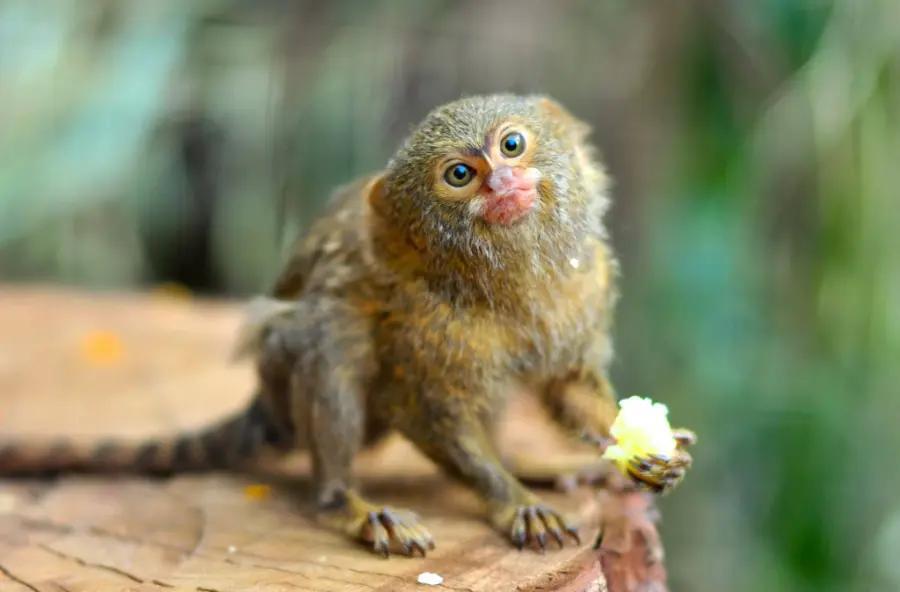
Native to the Amazon rainforest, the pygmy marmoset is the smallest monkey in the world. Measuring just 12-15cm in body length and weighing 100–130 grams – about the weight of an apple – this pocket-sized primate can sit comfortably in the palm of your hand.
The pygmy marmoset has a highly specialised way of life. It lives in the trees, using its sharp claws to leap between trunks and cling to bark. While it does occasionally eat insects and fruit, unlike other monkeys, its diet consists mostly of tree sap, which it gets by gnawing small holes in the bark with its bottom teeth and drinking the dripping sap.
This unusual diet shapes both its behaviour and habitat, keeping it tied to certain trees. Living in tight-knit family groups, these little monkeys communicate through high-pitched calls – many of which are too high for humans to hear – helping them stay connected in the enormous forest.
Sadly, like many Amazonian species, the pygmy marmoset is threatened by habitat loss, and its small, cute appearance also makes it a target for the illegal pet trade.
2. The nano-chameleon
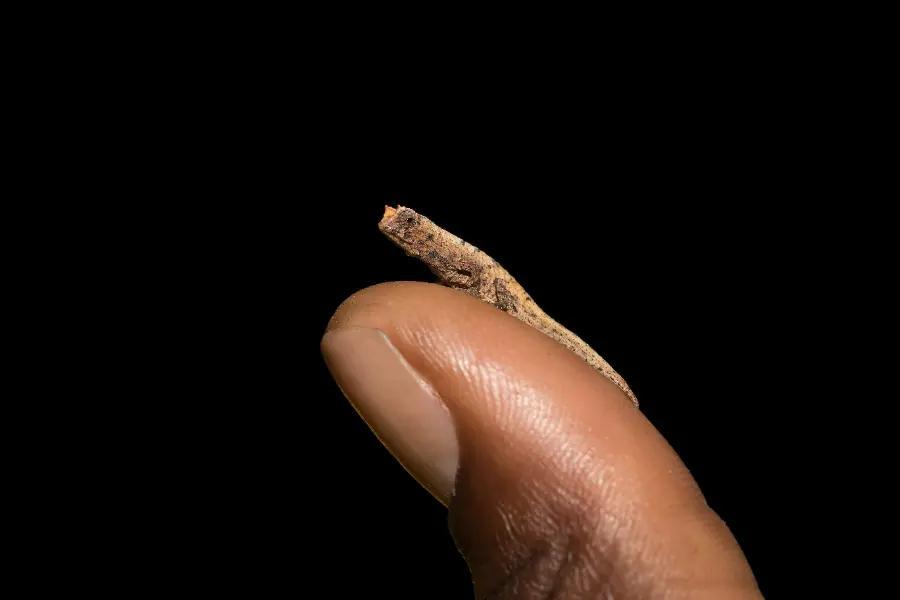
Madagascar is home to many of the world’s smallest animals, including the intriguing nano-chameleon, Brookesia nana. Only described by scientists in 2021, this is the world’s smallest reptile, with males measuring just 20mm (0.8in) – small enough to fit on a fingertip.
Unlike larger chameleons that climb branches and change colour dramatically, this species lives among leaf litter on the forest floor, blending in with its surroundings in subtler, earthier tones. Despite its tiny size, it’s notable for its disproportionately large male genitalia, which measure almost 20% of its total body length.
Found in the rainforests of northern Madagascar – a habitat that’s been severely depleted by deforestation – Brookesia nana is now sadly believed to be critically endangered.
3. The tardigrade
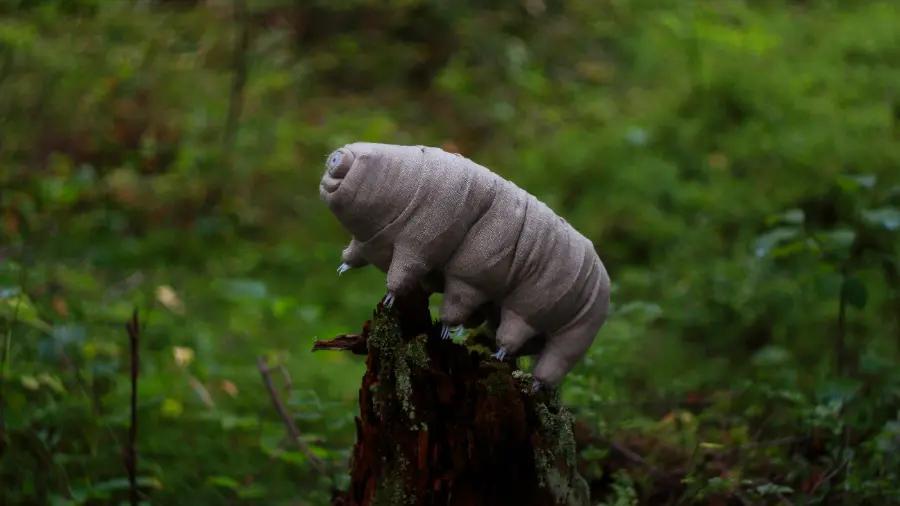
It might be the smallest creature on this list, but don’t be fooled; tardigrades are among the toughest organisms on Earth. Nicknamed “water bears” due to their plump, cartoon-like appearance, tardigrades measure less than a millimetre in length and are almost invisible to the naked eye.
What makes tardigrades so special is their resilience. They’re found almost everywhere, from mossy garden walls to deep ocean trenches, and can survive conditions that would be fatal to most other animals. They can withstand extreme heat, freezing cold, crushing pressure, radiation…and even the vacuum of space.
Their secret is a process called cryptobiosis, where they shut down their metabolism and curl into a dehydrated state, only ‘waking up’ when water returns. Some tardigrades have been revived after decades in this state, springing back to life as if nothing had happened.
4. The pygmy seahorse
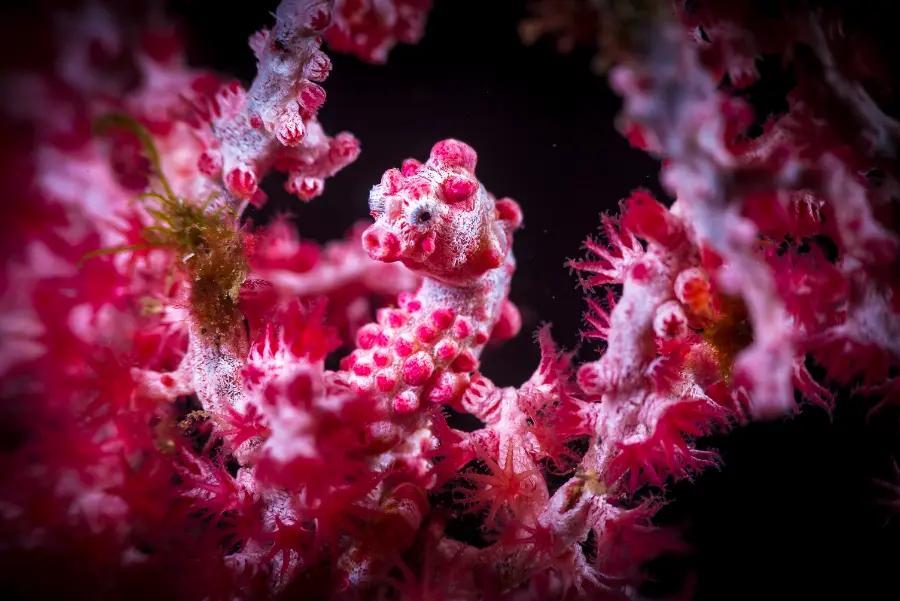
Smaller than a grain of rice, pygmy seahorses are so elusive that the first species wasn’t discovered until 1969. Even then, it wasn’t found in the wild, but in a laboratory, when scientists examined coral. Since then, more species have been identified, with discoveries continuing into the 21st century.
Measuring less than 2cm in height, these tiny seahorses live in tropical coral reefs across the Indian and Pacific Oceans, clinging to coral. What makes them so extraordinary is their ability to blend into their surroundings almost perfectly; their bodies mimic not just the colour of the coral, but the texture, too, making them almost impossible to spot.
Unlike their larger relatives, which swim, pygmy seahorses spend their entire lives on a single piece of coral, gripping tightly with their curled tails. Their lives are slow and peaceful; they drift along with ocean currents, feed on plankton, and rely on camouflage as their only defence.
5. The pistol shrimp
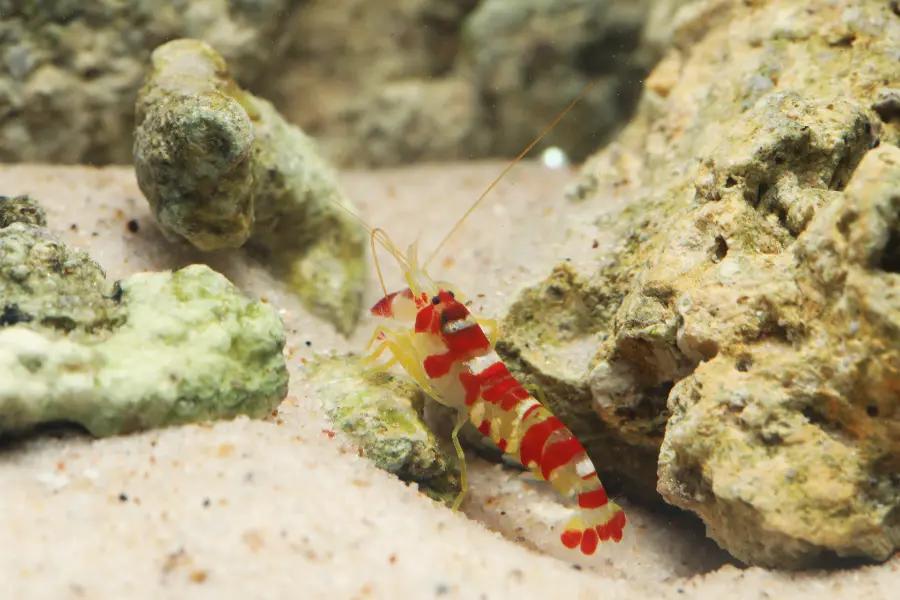
Shrimps might not seem like the most fascinating animals at first glance, but the pistol shrimp is different. Found in warm coastal waters around the world, this little creature is known for its oversized claw, which it snaps shut with astonishing speed, creating a powerful jet of water. This jet forms an air bubble that travels at a speed strong enough to stun or even kill nearby prey, before making a loud cracking sound as it pops.
Known as cavitation, the collapsing bubble briefly reaches temperatures over 4,000 degrees Celsius – comparable to the surface of the sun. And the sound is so loud that it makes pistol shrimp one of the noisiest ocean creatures relative to their size, so much so that colonies can interfere with sonar equipment.
Aside from its remarkable claw, the pistol shrimp is also known for its curious (and rather endearing) partnerships. Many shrimp live alongside goby fish, sharing burrows in mutually beneficial arrangements: the shrimp digs and maintains the shelter, while the fish stands guard, alerting it to danger – a wonderful example of cooperation in nature.
6. The Etruscan shrew
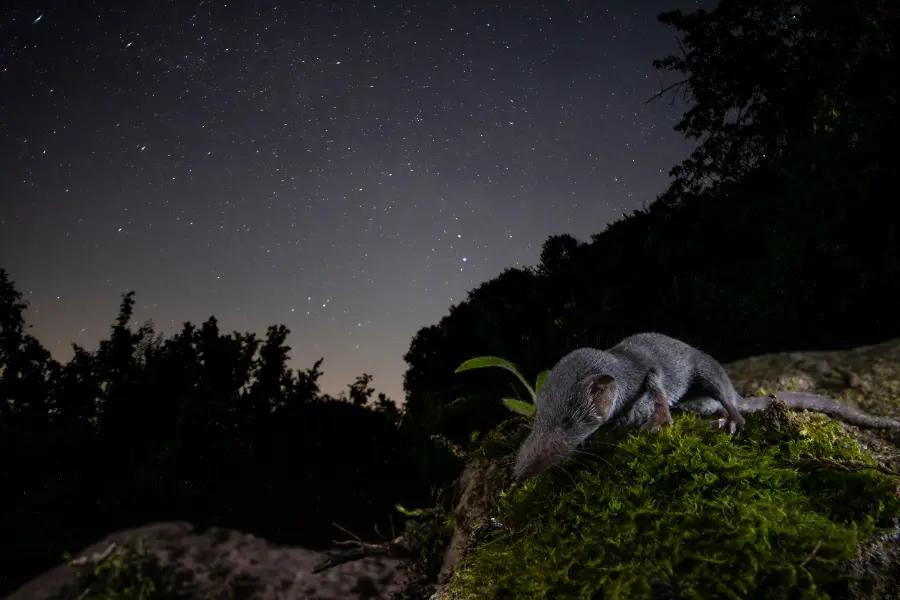
The Etruscan shrew holds the title of the world’s smallest mammal by mass, weighing just 1.5–2 grams – lighter than a coin. Found across parts of southern Europe, North Africa, and Asia, this tiny, mouse-like creature is so small it’s often overlooked as it darts through the undergrowth.
But what it lacks in size, it makes up for in energy, and its tiny heart can beat a staggering 1,500 times per minute. Its metabolism is so fast that it must eat almost constantly just to survive, and without regular food, it can starve in a matter of hours. Most Etruscan shrews don’t live past their second winter.
Yet, despite their delicate appearance, these shrews are fierce hunters and can tackle prey close to their own size, or sometimes larger. They mostly eat insects and other small invertebrates, using their sensitive whiskers and powerful sense of touch to detect movement in the dark.
7. The leafcutter ant
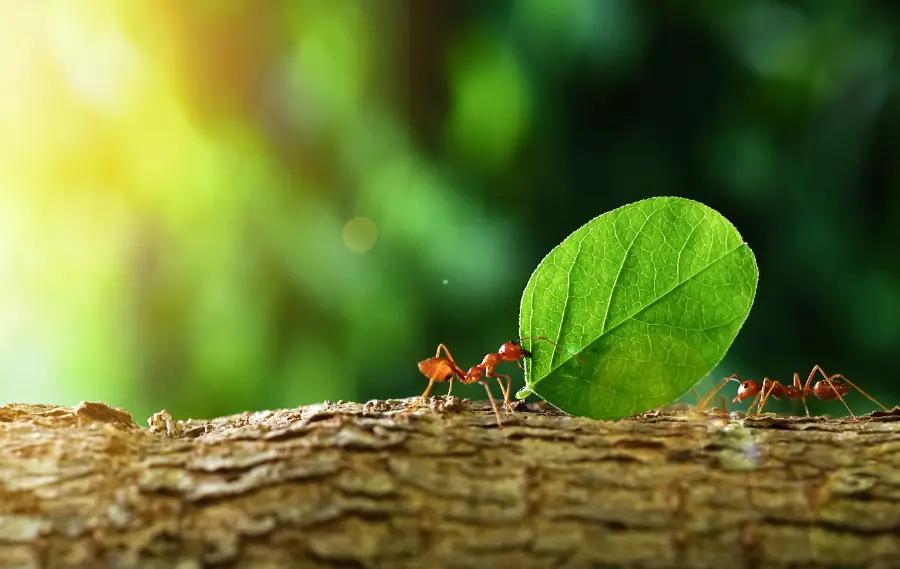
Leafcutter ants are remarkable not for their size, but for what they build. Found mostly in Central and South America, these ants are recognisable by the sight of long lines of worker ants carrying leaves many times their body weight.
Leafcutter ants don’t actually eat the leaves they carry; instead, they use them to cultivate a specialised fungus in huge underground gardens. The fungus is their primary food source, which effectively makes these ants the world’s first farmers, as their form of agriculture predates human farming by millions of years.
Inside their underground nests, each colony operates like a miniature society. Different castes of ants perform different roles: some forage for leaves, others look after the fungus, while soldiers defend the colony. Workers even produce natural antibiotics to protect their crops from disease – a level of organisation and cooperation that rivals human societies.
8. The bee hummingbird
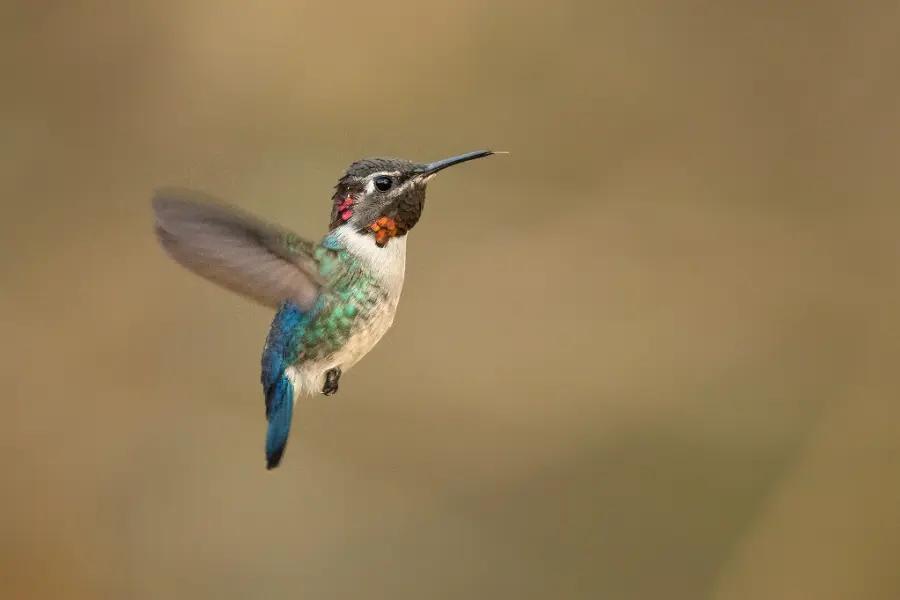
The bee hummingbird is the world’s smallest bird. Found in the forests and woodland edges of Cuba, it’s so tiny it measures just 5–6cm in length and weighs as much as a paperclip. Its eggs are no bigger than a coffee bean, and are among the smallest laid by any bird.
This iridescent bird is a miniature marvel of flight; its wings beat an astonishing 80 times per second, creating the familiar hummingbird blur. It feeds on nectar and uses its rapid metabolism to fuel near-constant motion as it flits from flower to flower. In the process, it plays a key ecological role as a pollinator, transferring pollen between plants as it feeds.
While it pushes the limits of what’s possible for a warm-blooded flying animal, the bee hummingbird’s existence is unfortunately under threat. Habitat destruction in Cuba has led to an estimated population decline of 20–29% per decade.
9. The pika
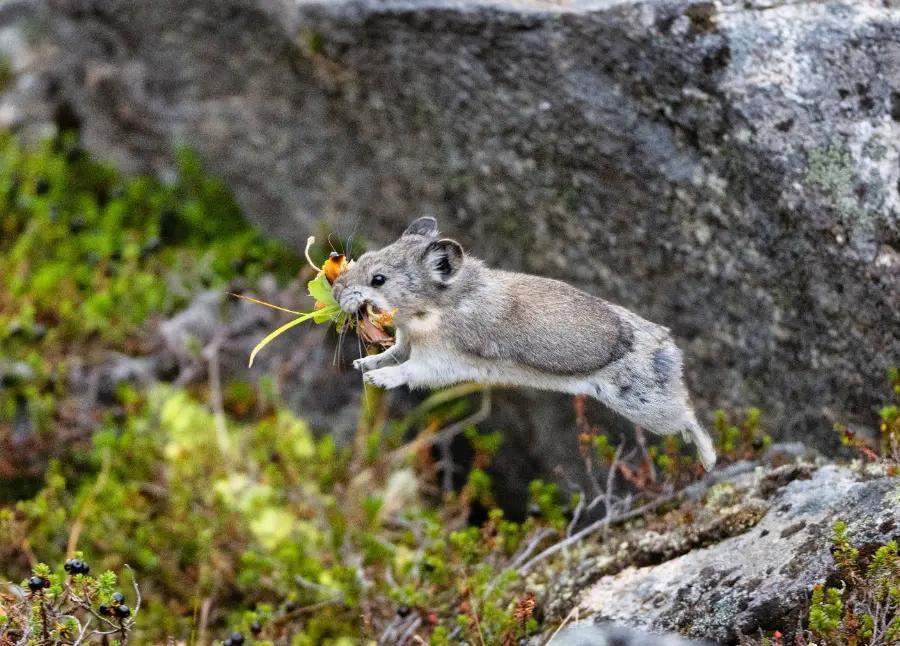
Pikas are small, mountain-dwelling mammals that look a bit like a cross between a hamster and a rabbit. They live in the alpine tundra of the Rocky Mountains in North America and Asia, usually above the treeline, where they can hide in crevices. With their round ears, soft fur, and inquisitive expressions, they’re undeniably cute – but they’re also perfectly adapted to their environment.
Unlike many other cold-climate animals, pikas don’t hibernate. Instead, they spend the warmer months gathering grass, flowers, and herbs to create ‘haypiles’ that’ll keep them going through winter. They’re often spotted darting through the rocks with mouthfuls of vegetation, sending out high-pitched calls to warn others of danger.
What makes pikas especially important is their temperature sensitivity. They struggle to survive in prolonged heat, which makes them unusually vulnerable to climate change – and in some regions, populations have already declined or disappeared.
10. The glow worm
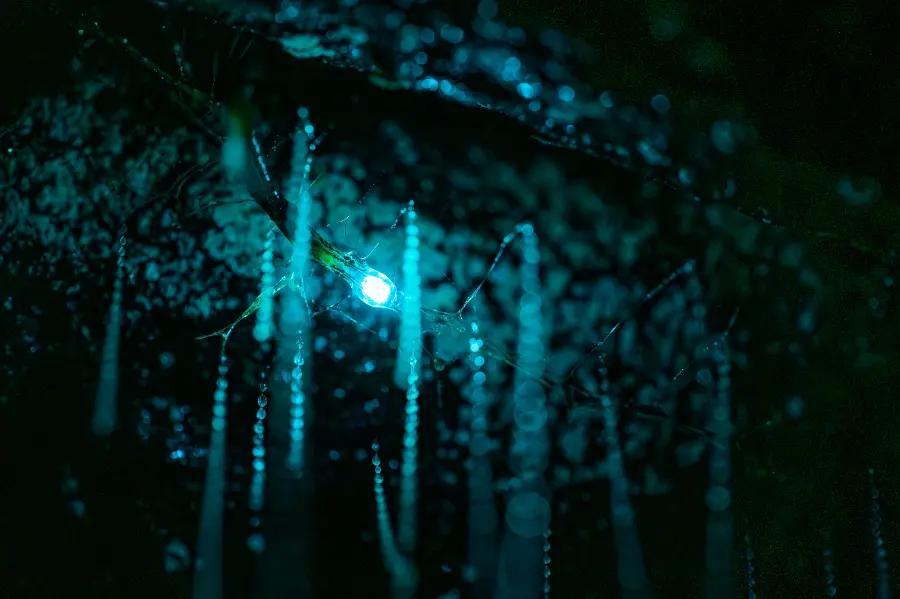
Best known for its ability to produce a luminous light, the glow worm isn’t actually a worm at all, but the larvae of a small fly or beetle. Found in damp, dark places like caves and forests, these creatures give off a soft blue-green glow, turning cave ceilings into what looks like a star-filled night sky.
This light is created through bioluminescence, a chemical reaction that produces light without heat. But this ethereal glow isn’t just for show; it’s a highly effective hunting strategy. Suspended from cave ceilings, glow worm larvae spin delicate, silk-like threads that hang in the air.
Drawn in by the light, unsuspecting insects become ensnared in these sticky threads, turning the glow worm’s beautiful display into a deadly trap.
Final thoughts…
It’s easy to be drawn to the planet’s biggest and most beautiful creatures…but some of the most remarkable animal stories happen on a much smaller scale.
From species that can endure the vacuum of space to others that farm their own food, these tiny, underrated animals perform feats that seem almost impossible.
They might be small enough to miss at first glance, but together, they prove that size has very little to do with how extraordinary a life can be.
For further reading, check out our article: 16 weird and wonderful animals you can find in the UK.
Which of these tiny animals piqued your interest? Or perhaps you have a favourite that didn’t make the list. We’d love to hear from you in the comments below.
Selene Nelson is an author, freelance journalist, and lifestyle writer for Rest Less. After graduating from the University of Sussex with a degree in English Literature, Selene began contributing to many major newspapers and websites, and has written for the BBC, The Sunday Times, The Independent, Town & Country, and HuffPost. Her specialist subjects include food, travel, and health, though she enjoys writing about a wide range of topics (e.g. her two books are about veganism and psychopathy, respectively!). She enjoys cooking (particularly pasta and Asian noodle soups), reading, travelling, hiking, attempting to keep fit, and watching animal videos on YouTube.
* Links with an * by them are affiliate links which help Rest Less stay free to use as they can result in a payment or benefit to us. You can read more on how we make money here.
Join the discussion
Read our full commenting terms and guidelines