This article was written for Silversurfers, which is now part of Rest Less.

Sponsored content

The ‘season of mists and mellow fruitfulness’ is not quite upon us – but by the time you read this we’ll be closer to the end of summer than the start.

Some may mourn the end of those lazy, hazy, crazy days; but autumn brings its own, less obvious, pleasures. So let’s herald, then, what for many is their favourite time of year: when the harvests are in, the days are a little cooler (and shorter), and the UK’s deciduous woodlands are a blaze of colour – a last hurrah before winter sets in.

September

Autumnal equinox (September 22nd 2025)

The date marks the end of summer and beginning of autumn in the northern hemisphere. Daylight and darkness hours are roughly equal.

October

October

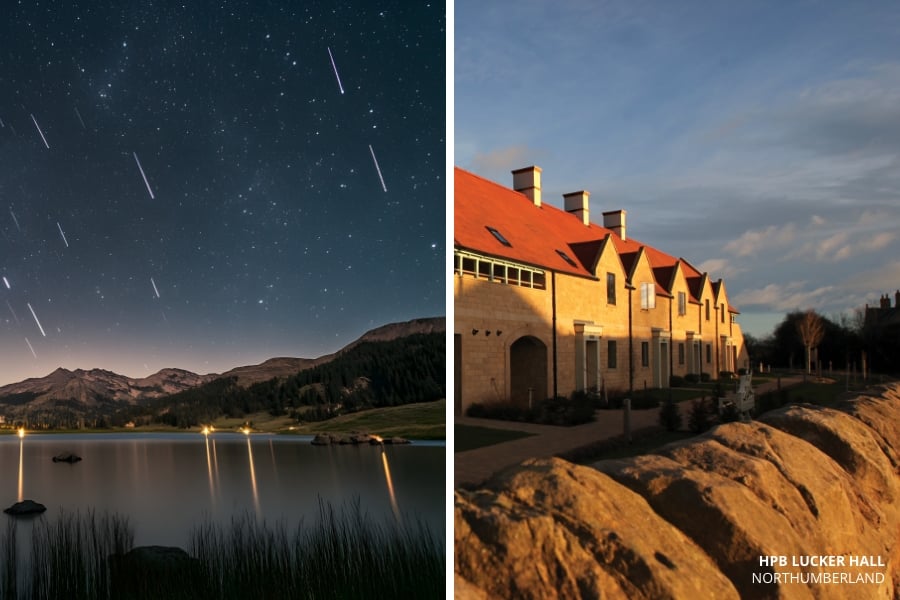
Lucker Hall – Stars in your eyes

The Orionid meteor shower is one of the highlights of the autumn night sky, peaking around the 21st and 22nd October each year. It’s caused by the Earth passing through debris left behind by Halley’s Comet, and noted for producing fast, bright meteors. These shooting stars can zip through the sky at up to 41 miles per second. From Lucker Hall in Northumberland – one of the UK’s best spots for astronomy thanks to its dark skies and low light pollution – the Orionids can put on a cracking show. The Northumberland International Dark Sky Park, especially around the Kielder Observatory, offers prime viewing conditions if the weather is favourable and which, at its peak, you might see around 15 to 20 meteors per hour. The best time to watch is after midnight and before dawn. You won’t need any special gear – just wrap up warm, lie back, and give your eyes 20 to 30 minutes to adjust to the dark. This year the skies will have little moonlight due to a new moon on the 21st so whether you’re a seasoned stargazer or nebular newbie, the Orionids are a brilliant excuse to head outside and soak in the cosmic display. Just don’t forget your flask of tea – it gets chilly out there.

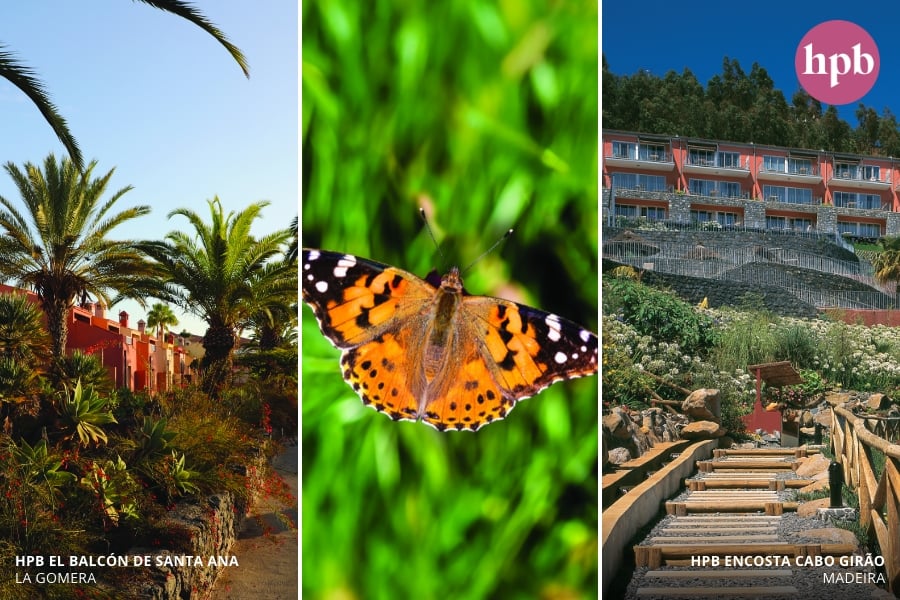
La Gomera and Madeira – Paint Lady migration

La Gomera and Madeira – Paint Lady migration

The painted lady butterfly (Vanessa cardui) undertakes one of the longest and most complex insect migrations in the world, covering up to 9,000 miles in a round trip between sub-Saharan Africa and northern Europe. Remarkably, this journey spans up to six successive generations, with no single butterfly completing the entire route. Migration begins in early spring, when butterflies leave Africa and move northwards. By late spring and summer, large numbers reach northern Europe, including the UK. In peak years like 2009 and 2019, over 11 million individuals were recorded in Britain alone. However, numbers fluctuate significantly depending on breeding conditions and weather patterns. Bondholders staying at La Gomera or Madeira during October might witness large numbers of painted ladies as they begin migrating back towards Africa. The islands play a vital role as important resting and refuelling points, allowing the butterflies to replenish energy before continuing their southward journey.

November

November

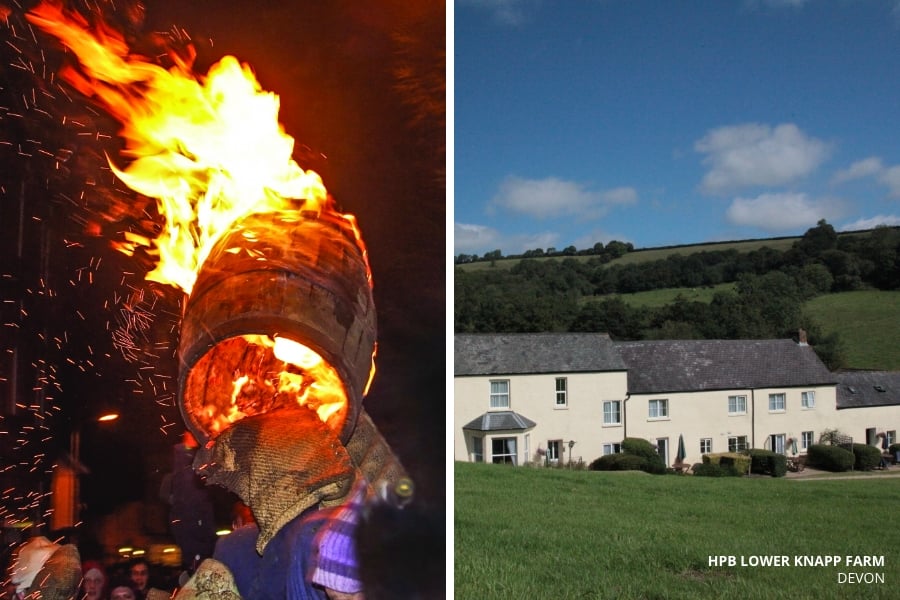
Lower Knapp Farm – Roll out the tar barrel!

If you’ve never heard of the Tar Barrels of Ottery St. Mary, prepare yourself for one of the most dramatic – and slightly mad – traditions in the UK. Just under six miles from Lower Knapp Farm every 5th November, while most towns settle for fireworks and sparklers, this quiet Devon village quite literally sets the streets on fire. Locals hoist full-sized barrels soaked in tar onto their shoulders – flaming barrels, mind you – and run through the packed streets in a wild display of smoke and spark. It’s loud, chaotic, and utterly thrilling. This centuries-old tradition is said to have roots in warding off evil spirits or celebrating Guy Fawkes Night in a more hands-on way. Whatever the origin, it’s now an honour passed down through generations of local families. Only Ottery residents can carry the barrels, and they start young – with children rolling smaller barrels before graduating to barrels weighing up to 30kg. Crowds line the narrow streets, pubs are buzzing, and the scent of smoke and bonfire lingers in the air. It’s not for the faint-hearted – or those who dislike the smell of singed eyebrows – but it’s one of Britain’s most unforgettable nights. Just remember to wear old clothes… and keep your wits about you.

Whether you dream of sipping local wine in a French Vineyard or taking in the sunshine charm of the Italian Hills, HPB allows you to create holidays shaped by your passions. With access to more than 1,500 properties across the UK and Europe – including hidden gems in the Peak District, the Canary Islands, Tuscany, and Mallorca – you’ll find variety, comfort and quality at every turn.

Silversurfers Exclusive Offer

Exclusive holidays for life: An initial payment from £5,000 and a quarterly fee of under £38 (that is around £150 a year), which can increase in line with but not exceed the Retail Price Index Excluding Mortgage Interest (RPIX), gives you access to all HPB’s holiday homes. For each HPB holiday, you will pay a no-profit user charge covering only property running and maintenance costs and use of on-site facilities. The average charge is the same throughout the year, and for a studio is around £372 a week and £569 for a two bedroom property. Larger properties are also available. After an initial charge of 25% your money is invested in a fund of holiday properties and securities. The fund itself meets annual charges of 2.5% of its net assets at cost, calculated monthly. Your investment return is purely in the form of holidays and, as with most investments, your capital is at risk. You can surrender your investment to the company after two years or more (subject to deferral in exceptional circumstances) but you will get back less than you invested because of the charges referred to above, as well as other overheads and changes in the value of the fund’s properties and securities.

This advertisement is issued by HPB Management Limited (HPBM), the main UK agent and the property manager for HPB, authorised and regulated by the Financial Conduct Authority, registered at HPB House, Newmarket, Suffolk, CB8 8EH. HPB is available exclusively through HPBM. HPB is issued by HPB Assurance Limited (HPBA) registered in the Isle of Man and authorised by the Financial Services Authority there. HPBM promotes only HPB and is not independent of HPBA. Holders of policies issued by HPBA will not be protected by the Financial Services Compensation Scheme if the company becomes unable to meet its liabilities to them but Isle of Man compensation arrangements apply to new policies.