This article was written for Silversurfers, which is now part of Rest Less.
Sponsored content
It’s on that permanent “to-do” list for so many of us, along with clearing out the garage. Writing your Will or preparing and registering a Power of Attorney (POA) is one of those tasks that feels complicated, a bit morbid, and easy to delay.
But these aren’t just pieces of admin. They are, quite simply, the most powerful tools you have to protect your family and ensure your own wishes are respected.
As champions for consumers, Which? find that the biggest issues often arise from simple gaps in knowledge. Many people assume the “default” situation will be fine. Unfortunately, the “default” can be costly, stressful, and heartbreaking for the people you leave behind.
Let’s look at the facts.
The Will: It’s not just about your money
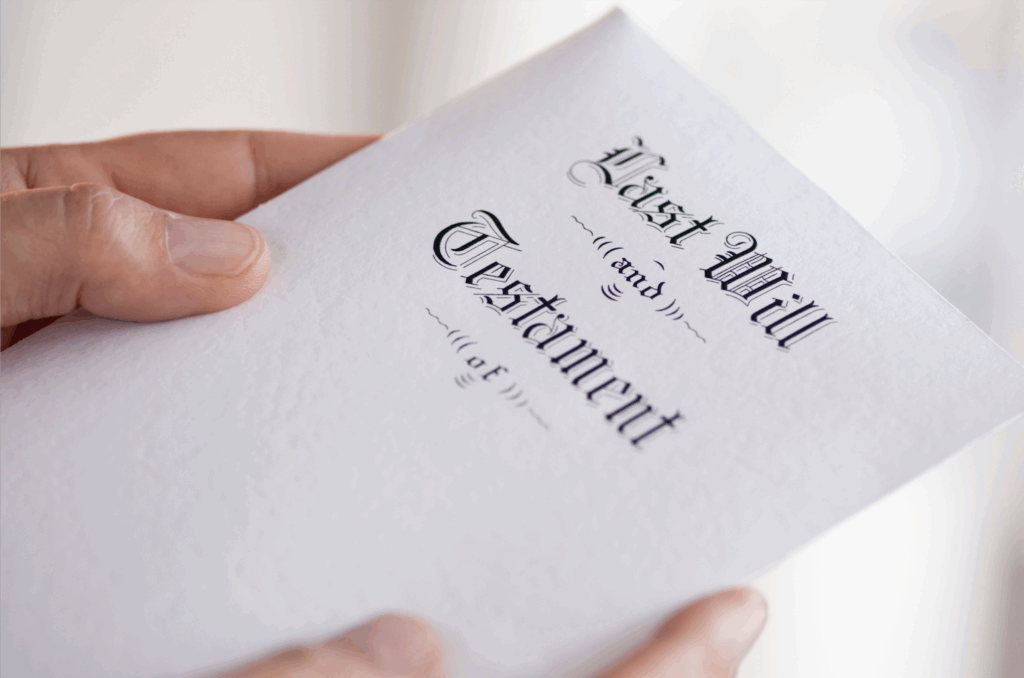
A will is a legal document that dictates what happens to your property, money, and other assets (known as your “estate”) after you die.
What many of us get wrong: “My spouse will get everything automatically.”
This is one of the most dangerous misconceptions. If you die without a valid will (known as dying “intestate”), strict and often surprising rules apply.
- For married couples, your spouse may not inherit your entire estate, especially if you have children.
- If you are not married, your partner has no automatic right to inherit anything.
- It can create bitter disputes and significant financial hardship for your loved ones, who may be forced to make costly claims to the court.
The Solution: Write your will and keep it up to date. You decide who gets what, you can protect assets, and you can make the process of winding up your estate as smooth as possible for your family at a difficult time.

Power of Attorney: Who speaks for you?
This is the one even fewer people have, yet it is arguably just as important as will. A POA is a legal document that allows you to appoint one or more people you trust (your “attorneys”) to make decisions on your behalf while you are still alive.
What many of us get wrong: “My family will just sort things out if I become unwell.”
They legally can’t. If you lose the mental capacity to manage your own affairs—through an accident, a stroke, or an illness like dementia—your family, even your spouse, has no automatic right to access your bank accounts to pay your bills or make crucial decisions about your healthcare.
The Solution: Prepare and register a POA. Without one your loved ones would have to apply to the Court of Protection. This is a notoriously slow, expensive, and stressful process, all at a time when they are already worried about you. A POA, set up while you have capacity, gives the people you choose the power to step in seamlessly when you need them most. There are two types: one for property and financial affairs, and one for health and welfare.
Getting it right, first time![]()
Planning for the future shouldn’t be a source of worry; it should be a source of peace of mind. The cost of not having these documents in place—both financially and emotionally—can be devastating for your family.
When it comes to something this important, you need a service you can trust. Which? has been the UK’s independent consumer champion for decades. We’ve brought that same expertise, clarity, and trustworthiness to our will writing and POA services.
Our processes are designed to be straightforward, expert-checked, and reliable, helping you tick these vital documents in place without the confusion.
Don’t leave it to chance. Get the peace of mind that comes from knowing your wishes are clear and your family is protected.
To find out more and start your journey, visit Which? today.