Sponsored content
With 195 countries to choose from, narrowing down your next holiday destination can feel overwhelming, especially when two places seem equally compelling. Should you visit Spain or Italy? Brazil or Argentina? Japan or South Korea?
Understanding what sets each place apart can make the decision much easier, so we’ve partnered with Explore to compare a handful of top destinations and help you get a step closer to packing your suitcase. With over 350 holidays and small group tours across more than 100 countries, Explore’s expert-led trips take the hassle out of travel while bringing deeper, more immersive experiences and spontaneity to every itinerary.
So, if you’re ready for your next adventure, the only question is: where to? Here, we break down five destination dilemmas to help you find your answer.
1. Spain vs Italy
It’s one of travel’s great debates: Spain or Italy? Both offer incredible food, rich culture, and scenery that stays with you long after you’ve returned home. The difference is in the feeling… Italy is steeped in history and beauty, the kind you want to take your time with, while Spain has a warmth and energy that draws you in and makes you want to stay. Most travellers plan to visit both eventually, but which should come first?
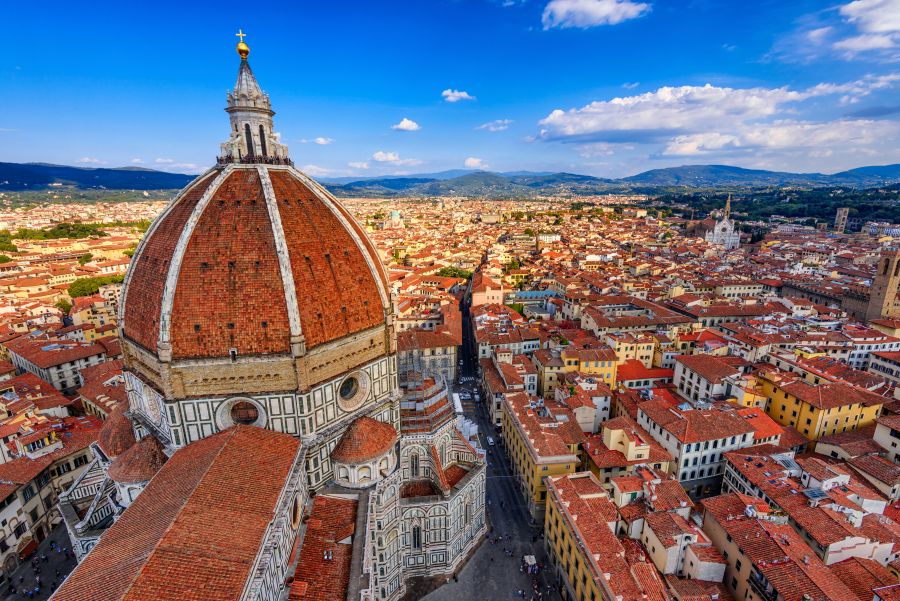
For history lovers, Italy takes it, as it’s home to more UNESCO World Heritage Sites than any other country. Culture runs deep here, from Roman ruins and medieval hilltop towns to Renaissance masterpieces that fill entire cities. You can lose hours among the Botticellis and da Vincis of Florence’s galleries, crane your neck at the Sistine Chapel ceiling, or simply wander through the vineyards of Tuscany.
When it comes to living, breathing culture, Spain has the edge. Where much of Italy’s heritage is preserved in galleries and ancient sites, Spanish culture feels alive in everyday life. Flamenco is part of the fabric of Seville, Gaudí’s architecture defines Barcelona’s skyline, and the Moorish influence in Andalusia shows itself in the streets, the food, and the architecture as you explore.
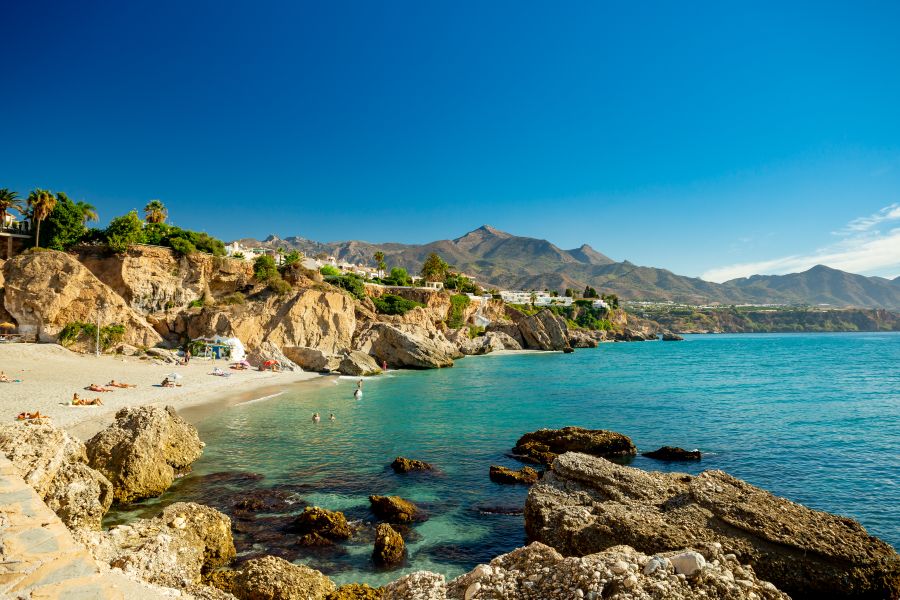
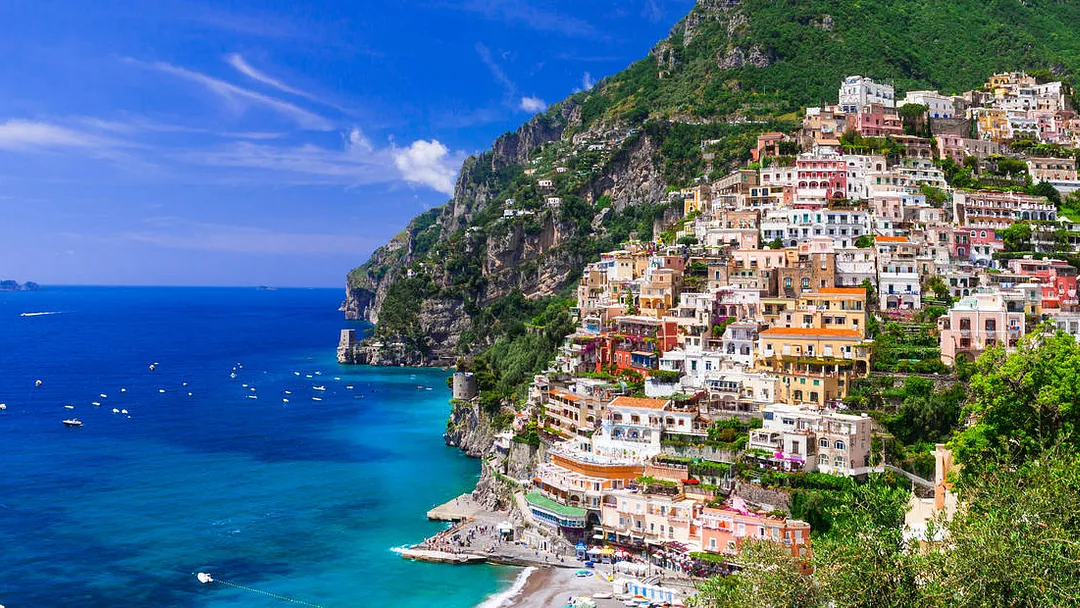
Spain also wins on beaches. With long sandy stretches and warm water running from the Costa del Sol to the Balearics, it has the kind of coastline that’s made for long, lazy days in the sun. Italy suits those who like to mix relaxation with something more active, whether that’s walking the Amalfi Coast, cycling through the Dolomites or discovering lesser-known villages tucked into the countryside. Though Spain holds its own on that front, too, with the Camino de Santiago ranking among Europe’s most celebrated walking routes.
Food is a highlight in both countries, and we’d say it’s a tie. Spain does tapas, pintxos (bar snacks), fresh seafood, and regional wines exceptionally well, while Italy’s pizza, pasta, and gelato are just the beginning…scratch the surface, and you’ll find a cuisine shaped by fierce regional pride and centuries of tradition.
The verdict: Choose Italy for art, history, and the kind of beauty that makes you want to slow down. Head to Spain if you’d rather have your culture served with sunshine, sandy beaches, and a lively atmosphere that spills well into the evening.
Best time to visit: April to June and September to October are ideal for both countries, with warm weather, manageable crowds, and good conditions for sightseeing.
-
£200 off | Spain | 8 days | Accommodation Included
Small group adventures. Don't just travel, Explore!
Includes taxes and fees
-
£150 off | Italy | 8 days | Accommodation Included
Small group adventures. Don't just travel, Explore!
Includes taxes and fees
2. Brazil vs Argentina
Heading to South America, two of the continent’s biggest and most exciting destinations also happen to share one of the world’s great football rivalries. But when it comes to travel, which wins? Both Brazil and Argentina are home to the breathtaking Iguazú Falls, the world’s largest and arguably most dramatic waterfall system. The Argentine side offers immersive, close-up viewpoints and walking trails, while Brazil’s sweeping panoramic views will leave you with goosebumps.
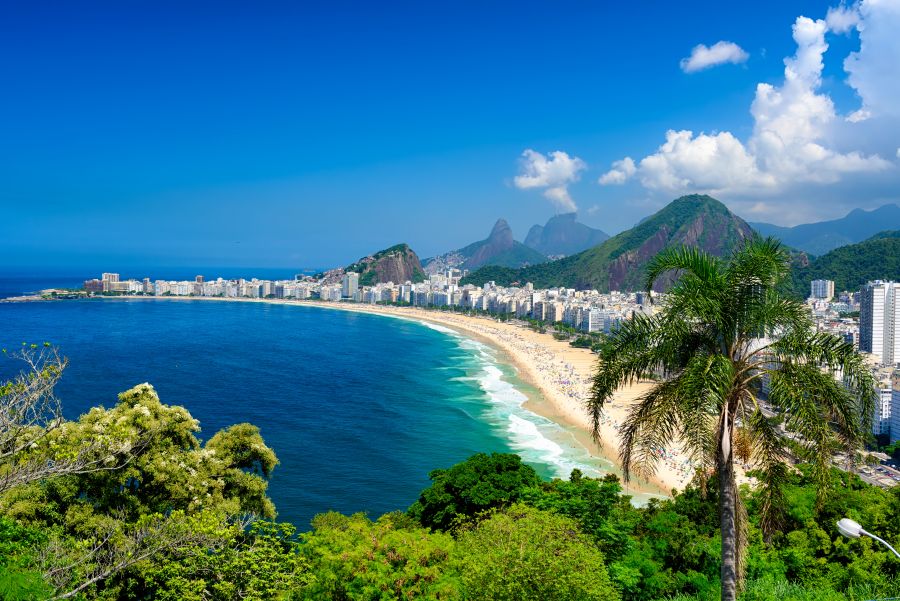
Brazil is the clear winner for beaches. With 4,500 miles of coastline, including Rio’s iconic Copacabana and Ipanema, it offers a beach culture that is difficult to match anywhere in the world. Inland, the Amazon rainforest adds another layer entirely, with vast green canopies, winding rivers and wildlife that includes macaws, monkeys, and jaguars. If raw natural scale is what you are looking for, Brazil delivers it in abundance.
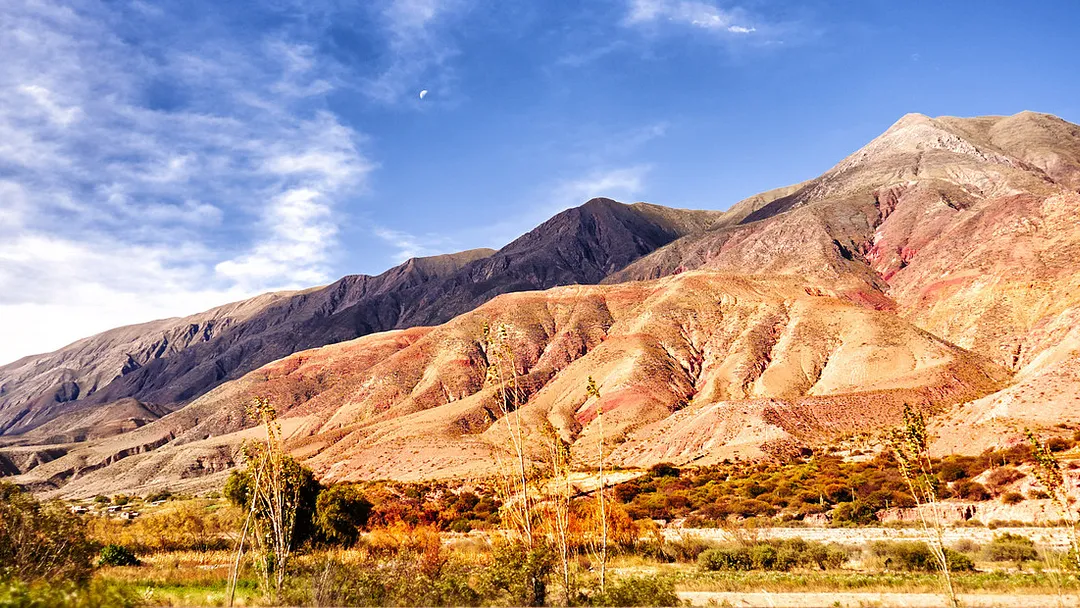
Argentina, on the other hand, is a top choice for travellers seeking variety and space. The landscapes shift dramatically as you move across the country, from the moonlike scenery of Ischigualasto National Park and the red rock towers of Talampaya in the northwest to the wide-open Pampas and the icy drama of Patagonia in the far south. Its cities offer just as much contrast. Buenos Aires feels surprisingly European, with grand architecture, a strong café culture, and tango drifting out of late-night milongas.
Meat and wine lovers will find Argentina a stronger option. The asado (barbecued meat) is a national institution, with slow-cooked cuts shared over long, unhurried meals, often alongside a Malbec from Mendoza. Brazil counters with bold, comforting cooking that’s deeply regional and endlessly varied. Feijoada (slow-cooked black bean and meat stew), moqueca (fish stew), and street foods like pastel (crispy pastry with savoury filling) are must-trys.
The verdict: Head to Brazil for beaches, the Amazon and the infectious energy of Rio. Choose Argentina for dramatic landscapes, outstanding wine, and a slower, more reflective way of travelling.
Best time to visit: November to March is ideal for warm weather across both countries, particularly for Brazilian beaches and Patagonia’s summer season. April to June and September to October offer fewer crowds and comfortable conditions in most regions.
-
Explore Buenos Aires to Rio*
£300 off | Argentina & Brazil | 13 days | Accommodation Included
Small group adventures. Don't just travel, Explore!
Includes taxes and fees

-
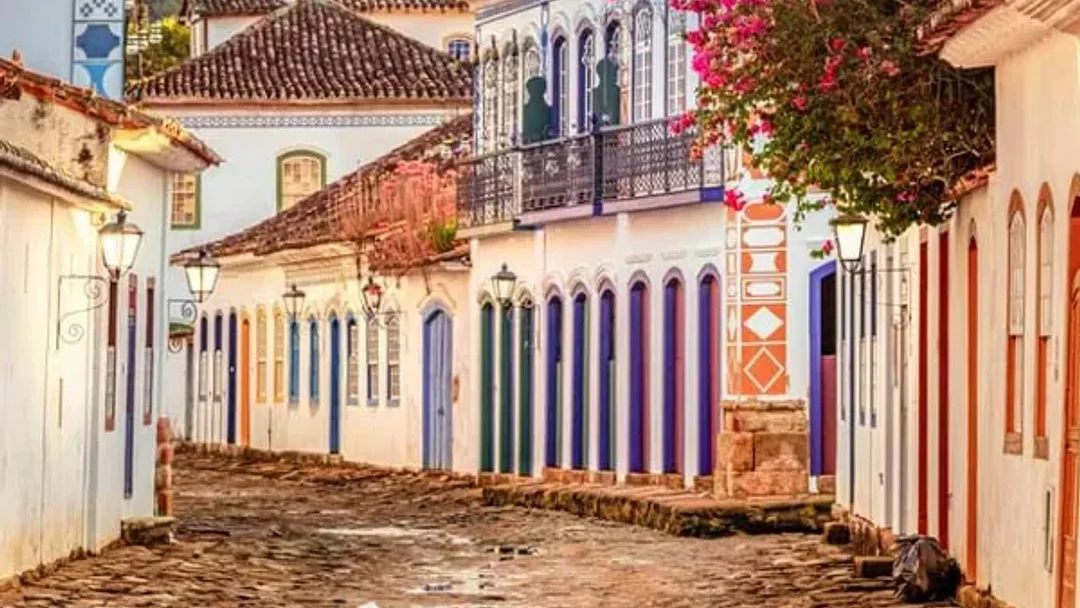
£200 off | Argentina | 14 days | Accommodation Included
Small group adventures. Don't just travel, Explore!
Includes taxes and fees
3. France vs Portugal
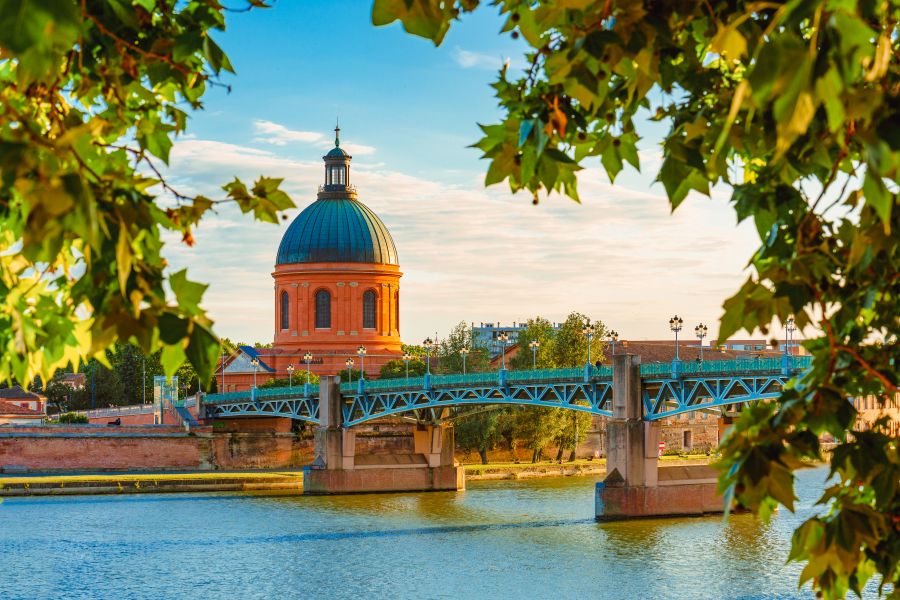
France and Portugal are two of the easiest holiday destinations to get to from the UK, with flight times of just two to three hours from London. France is the natural choice for those drawn to grandeur, world-class art and a food culture that takes itself seriously. Portugal appeals for different reasons. It’s warmer in feel, more intimate in scale, and has a way of making everyday life feel worth slowing down for, from fado drifting out of a Lisbon bar to fishing communities that have barely changed in generations.
For many, France leads when it comes to culture and cuisine. Its galleries, museums and cathedrals could keep you busy for weeks, and exquisite dishes like boeuf bourguignon and coq au vin are just the starting point for a food culture taken seriously at every level. Along the coast, there’s real variety, too, from the glamour of Côte d’Azur to the more rugged Atlantic shoreline around Bordeaux, where sweeping beaches meet pine forests and a laid-back surf scene.
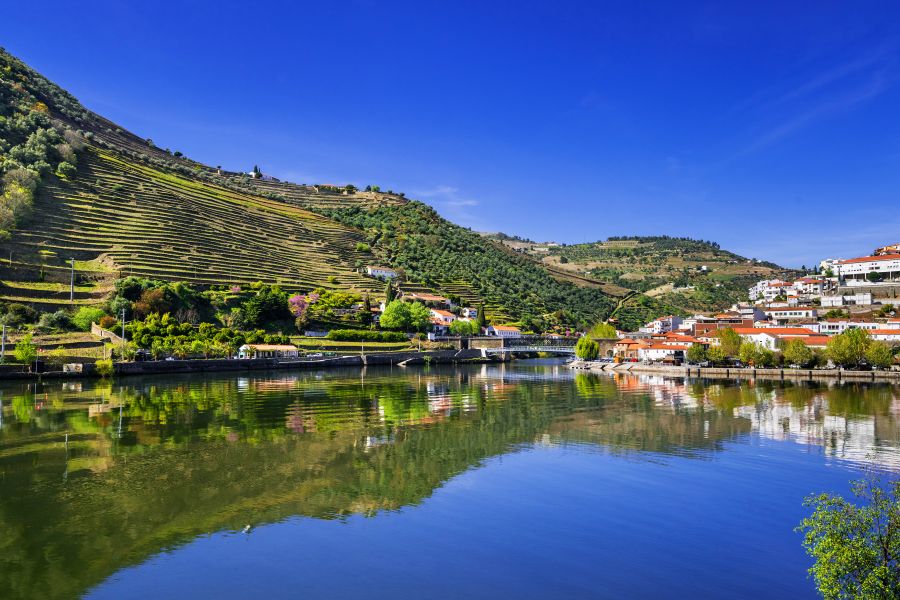
Portugal’s most breathtaking landscapes feel within reach at all times, and you’re never too far from your next day trip out. The beaches are genuinely among Europe’s best, particularly along the Algarve, where golden cliffs drop down to clear water and long stretches of sand. Add the terraced vineyards of the Douro Valley and the wild Atlantic coastline, all within relatively short distances of one another, and you have a country that packs a surprising amount in.
Those who find French cuisine a little rich or formal will feel very at home eating in Portugal. Food is fresh, unfussy, and rooted in sea and land, with grilled sardines, bacalhau (cod stew), and plenty of custard tarts, all underpinned by a café culture that’s very much a part of everyday life.
The verdict: Head to France if you want cultural depth, architectural grandeur, and a sense of refined sophistication that unfolds through world-class cities, museums, and regional cuisine. Visit Portugal for a more relaxed, intimate escape where tradition, coastal beauty, and everyday authenticity come together in an easy-to-explore, down-to-earth setting.
Best time to visit: Spring (April-June) and autumn (September-October) are ideal for both France and Portugal, with warm weather, fewer crowds, and comfortable conditions for exploring.
-
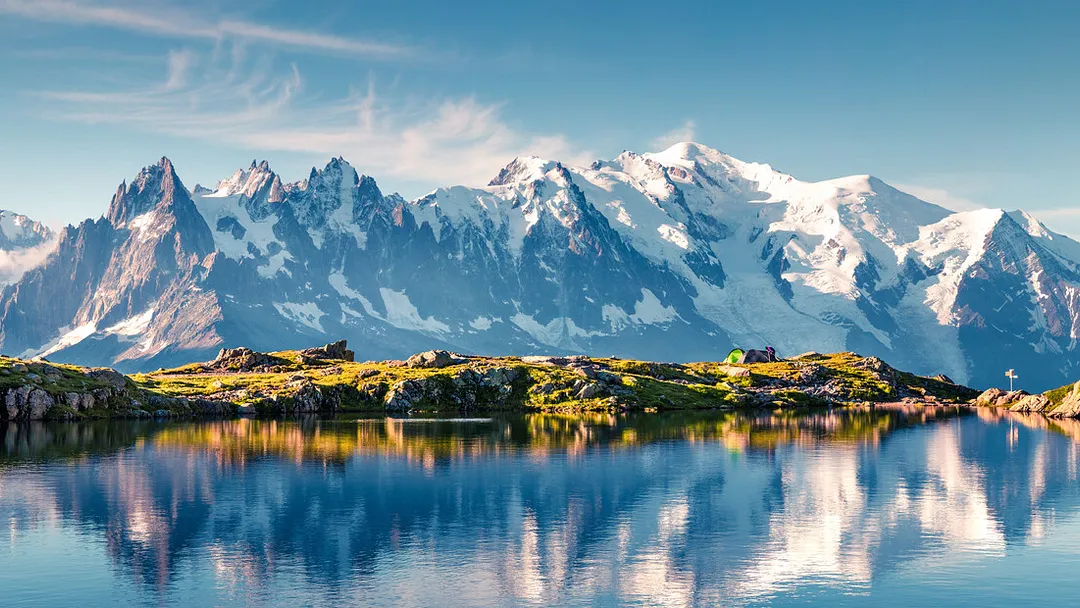
Explore Highlights of Mont Blanc*
£150 off | France | 8 days | Accommodation Included
Small group adventures. Don't just travel, Explore!
Includes taxes and fees
-
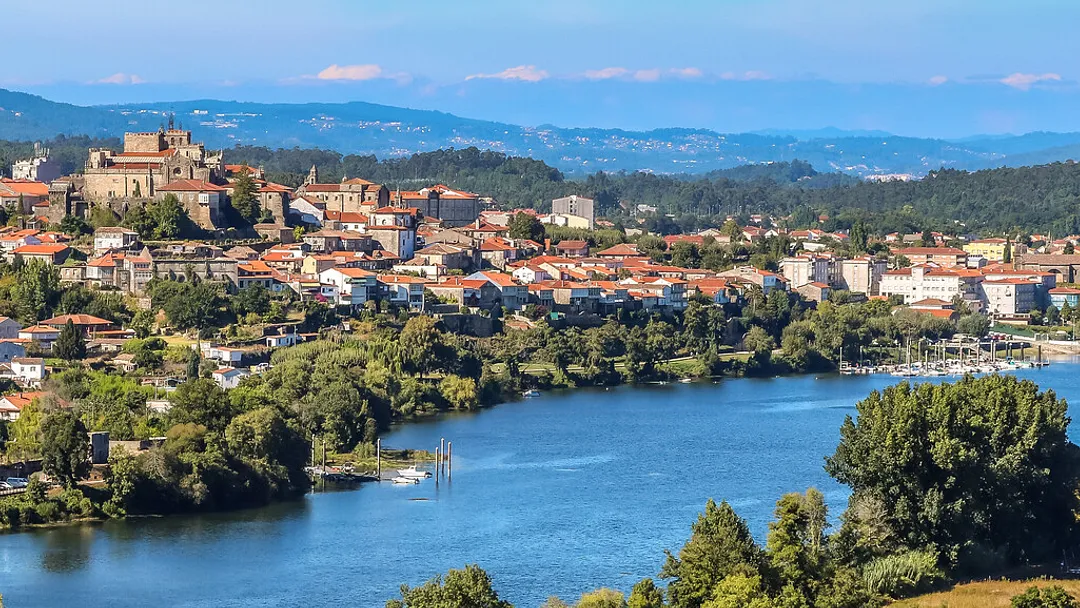
Explore Walking the Portuguese Camino*
£120 off | Spain & Portugal | 8 days | Accommodation Included
Small group adventures. Don't just travel, Explore!
Includes taxes and fees
4. Morocco vs Senegal
Both Morocco and Senegal make wonderful African holiday destinations, but they offer very different travel experiences. For ease of travel, Morocco has a shorter flight time from London; around 3.5 hours compared with 6-11 hours for Senegal.
Morocco has found the perfect balance between cultural richness with its atmospheric riads, whilst offering amenities and conveniences that international travellers are used to. Senegal, by contrast, feels more adventurous and less predictable. It rewards travellers willing to venture a little further afield with authentic cultural encounters, a slower pace of life, and the spirit of teranga, the warmth and hospitality for which the country is known.
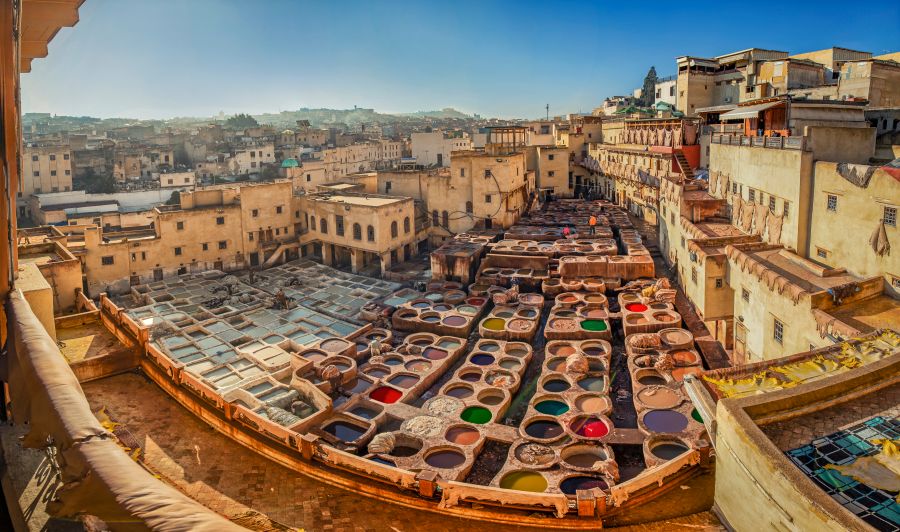
Culture and history sit at the heart of both destinations, each with a unique expression. Morocco’s story is written into its imperial cities, where labyrinthine medinas, ornate palaces, and centuries-old mosques reflect a layering of Berber, Arab, and Moorish influences. Walking through Marrakech or Fes can feel like stepping back in time. Senegal’s heritage, on the other hand, feels more contemporary and outward-looking. Dakar is one of West Africa’s most creative capitals, with a thriving music and arts scene, and Gorée Island and Saint-Louis offer powerful insights into the country’s complex past and Atlantic history.
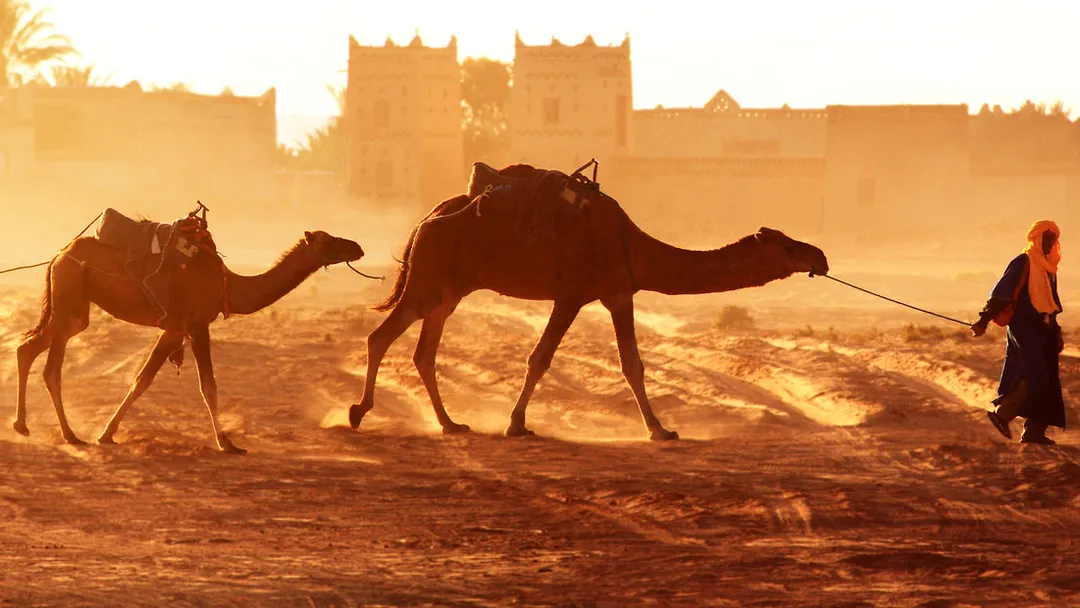
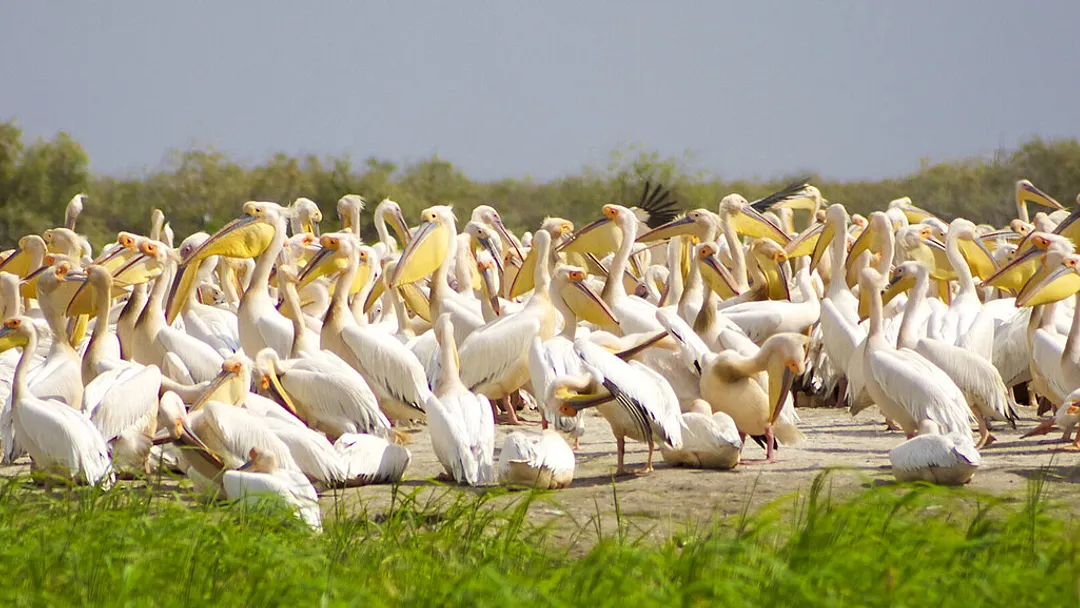
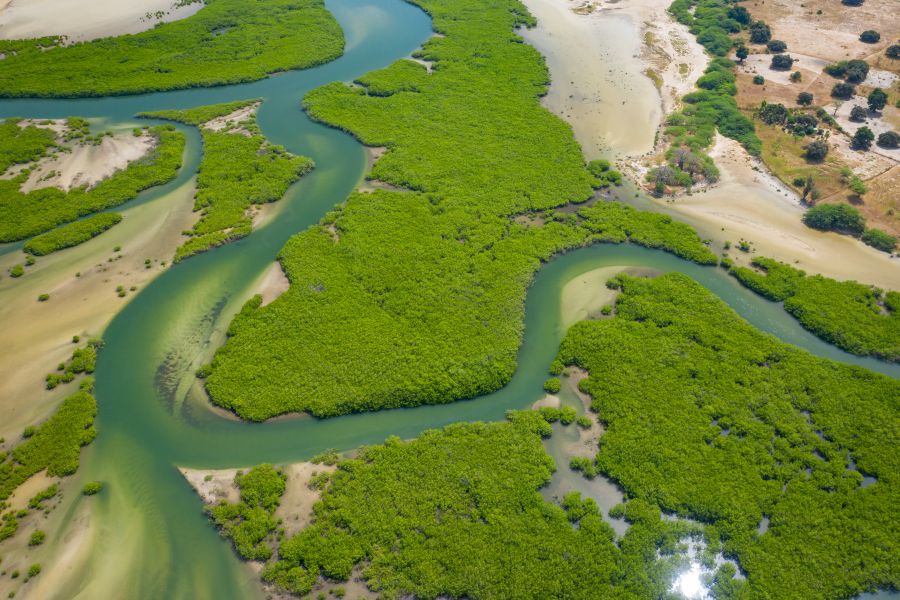
The landscapes of Morocco and Senegal are just as contrasting. Morocco delivers dramatic variety, from the Atlas Mountains and Sahara dunes to rugged gorges and Atlantic beaches. Meanwhile, Senegal is quieter in its beauty but no less compelling, with mangrove waterways, wide savanna dotted with baobabs, wildlife-rich wetlands, and the vast bird-filled channels of the Saloum Delta giving it a strong sense of space and calm.
The food also reflects each country’s character. Moroccan cooking is built around aromatic spices and slow-cooked dishes, from tagines and couscous to pastries served alongside sweet mint tea. Senegalese food is bolder and more direct, centred around Atlantic seafood, rice, peanuts and citrus, with dishes like thiéboudienne (fish, rice, and veg) and chicken yassa taking centre stage.
The verdict: Choose Morocco for dramatic landscapes, historic cities and iconic sights that are easy to explore. Visit Senegal for a more adventurous journey, where warm hospitality and cultural depth take precedence over famous landmarks.
Best time to visit: October to April is ideal for both, with pleasant temperatures in Morocco and dry, sunny conditions in Senegal.
-
Explore Highlights of Morocco*
£100 off | Morocco | 9 days | Accommodation Included
Small group adventures. Don't just travel, Explore!
Includes taxes and fees
-
Explore Senegal and The Gambia*
£300 off | Senegal | 14 days | Accommodation Included
Small group adventures. Don't just travel, Explore!
Includes taxes and fees
5. Japan vs South Korea
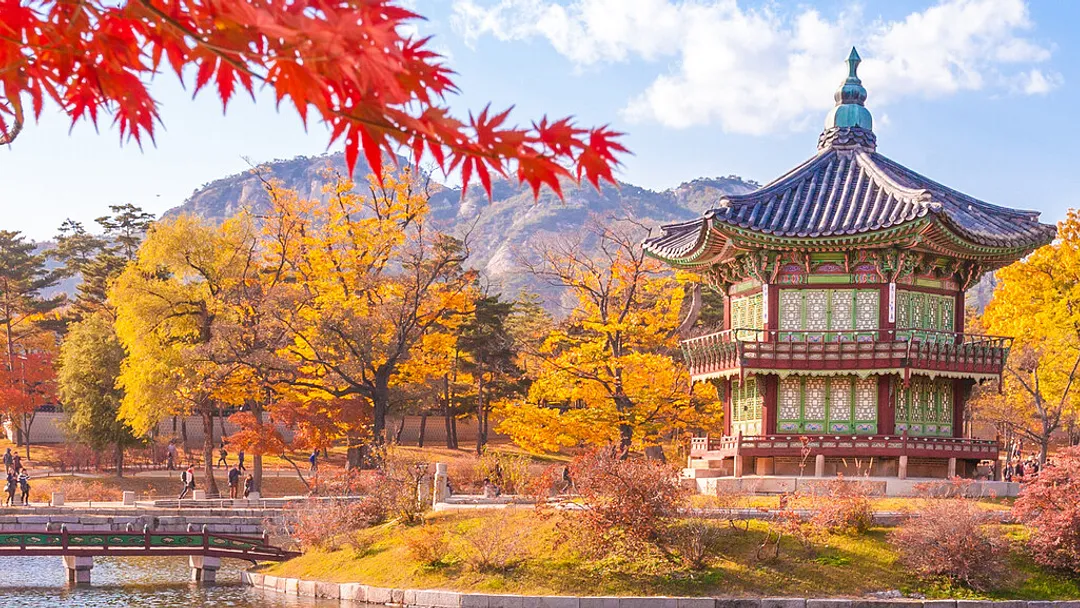
Few destinations in Asia blend ancient tradition and modern life as naturally as Japan and South Korea. They’re often mentioned in the same breath, but you’ll have a distinct experience in each. Japan has a timeless quality, where historic temples, traditional inns, and centuries-old customs sit comfortably alongside high-speed trains and futuristic skylines. South Korea feels more contemporary and energetic, with a culture shaped as much by innovation, fashion, and music as by its rich history. Although both are relatively straightforward to navigate, Japan feels like a place you sink into slowly, while South Korea hits you all at once.
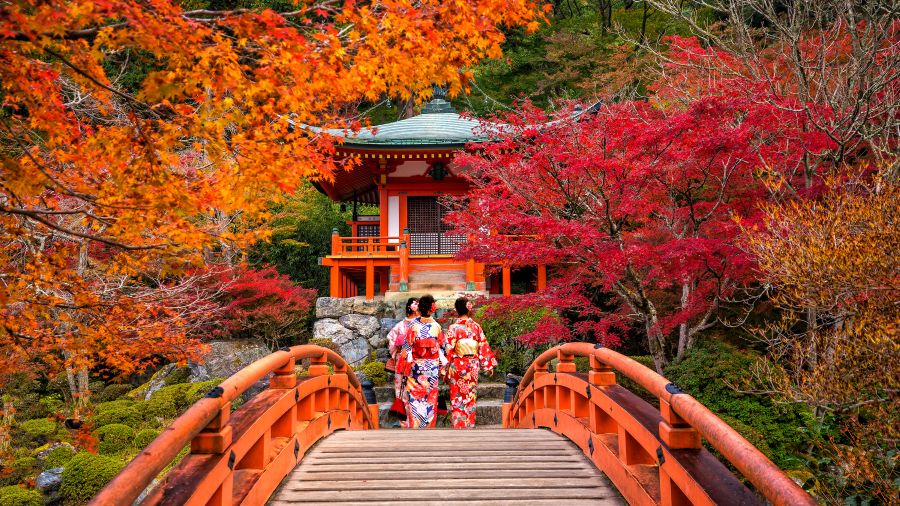
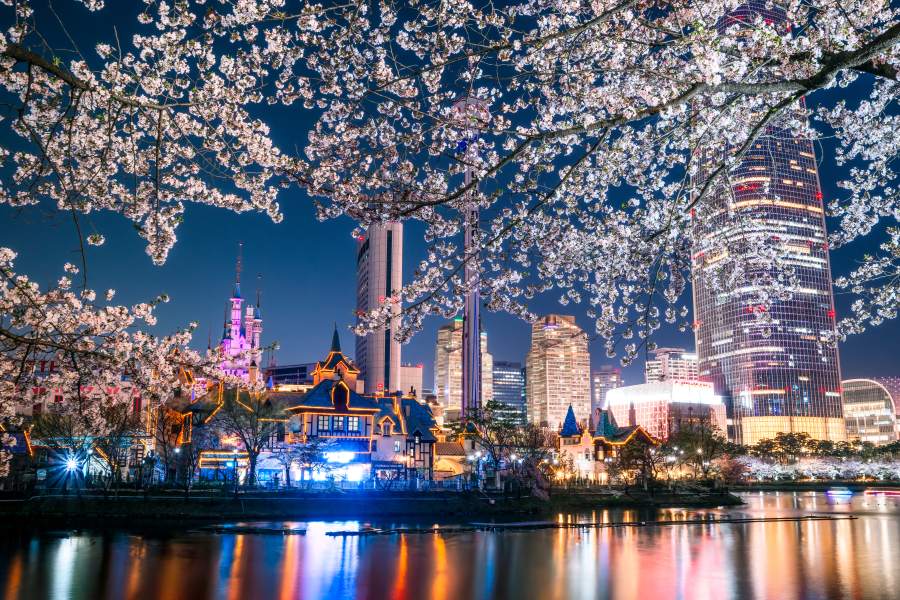
Temples, gardens, and tea culture give Japan its cultural backbone, nowhere more so than in Kyoto, the country’s former imperial capital, while Tokyo showcases its futuristic side. Meanwhile, South Korea offers a different blend of old and new. Seoul, the nation’s capital, combines historic palaces with the creative energy that has helped fuel the global rise of Korean culture, while Gyeongju reveals the country’s ancient past through its royal tombs, temples, and Silla-era treasures. Japan often feels more steeped in tradition, while South Korea places greater emphasis on its dynamic contemporary identity.
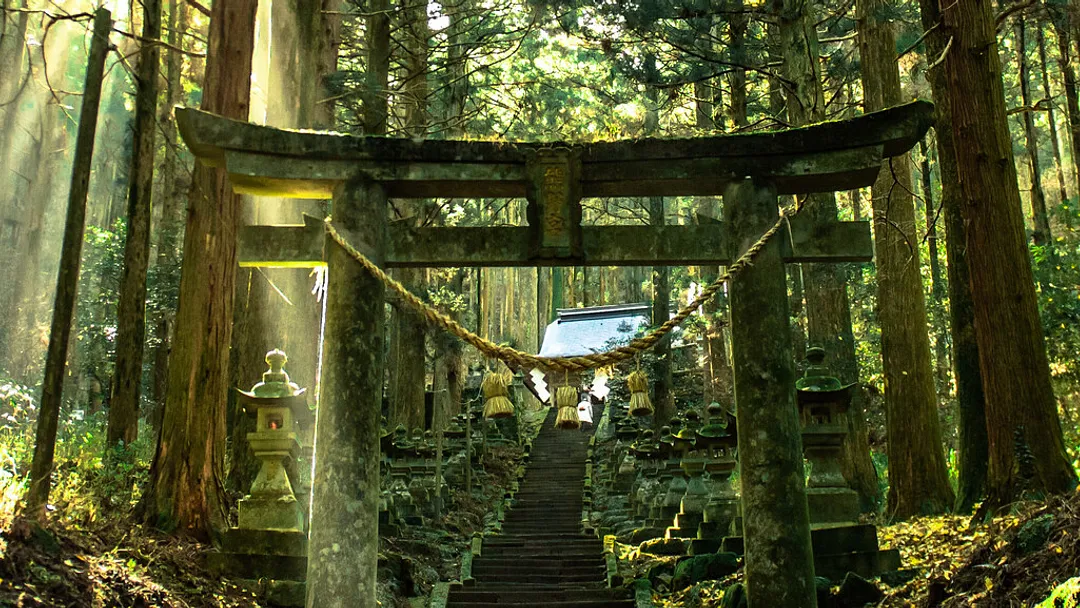
Step outside the cities, and both countries open up considerably. Japan spans everything from the slopes around Mount Fuji to forested mountains, volcanic regions, hot spring towns, and the subtropical landscapes of Kyushu. Though South Korea is more compact, making it easy to combine vibrant city life with scenic national parks, coastal landscapes, and island scenery without too much ground to cover.
And we can’t forget the food, which is outstanding in both countries and worth planning your itinerary around. Japanese cuisine is celebrated for its precision and refinement, from sushi and ramen to regional specialities that change considerably from one area to the next. But, if you prefer bolder, more communal dining, South Korea may speak to you more, offering Korean barbecue, bibimbap (a popular rice dish topped with meat and vegetables), kimchi (fermented vegetables), and hearty stews built for sharing.
The verdict: Visit Japan for iconic sights, rich traditions, and a destination that feels genuinely unlike anywhere else. Head to South Korea for vibrant cities, outstanding food, and a country that has a habit of surprising people.
Best time to visit: Spring (March-May) and autumn (September-November) offer pleasant temperatures, colourful scenery, and excellent sightseeing conditions in both countries.
-
£700 off | Japan | 9 days | Accommodation Included
Small group adventures. Don't just travel, Explore!
Includes taxes and fees
-
Explore Discover South Korea*
South Korea | 12 days | Accommodation Included
Small group adventures. Don't just travel, Explore!
Includes taxes and fees
Final thoughts…
There’s no single best destination, only the one that best matches the kind of holiday you’re looking for. Whether you’re drawn to Italy’s cultural treasures, Brazil’s wild landscapes, Portugal’s easy-going charm, Senegal’s spirit of discovery, or Japan’s timeless traditions, the right choice comes down to what excites you most.
If you’re still undecided, travelling with experts can make the decision easier. Explore’s small group tours take care of the planning while leaving plenty of room for authentic experiences, local insight and unexpected moments along the way. With more than 350 trips across over 100 countries, your next adventure may be closer than you think.