How does Rest Less make money
We make money through advertising and commission from affiliate links, which enable us to offer Rest Less as a free service to our users. The content on this page may use affiliate links, which track traffic from our website to a third party provider and enable us to receive a commission or payment from any traffic we refer.
* Affiliate links on this page have an * next to them. We place enormous importance on our editorial independence and the integrity of our content which means that we will never change how we write about something as a result of an affiliate link.

Going green has never been a hotter topic. In a world grappling with climate change, deforestation, and pollution, it’s become increasingly important to live more sustainably – and a handful of countries are leading the way.
From investing in renewable energy to protecting forests and wildlife, these nations show what’s possible when sustainability becomes a national priority. Not only do these nations prove that economic growth and environmental stewardship can go hand in hand, but they also offer important lessons for the rest of the world.
So, who’s leading the charge toward a cleaner, greener future? Here are 10 countries showing the world how it’s done.
1. Sweden
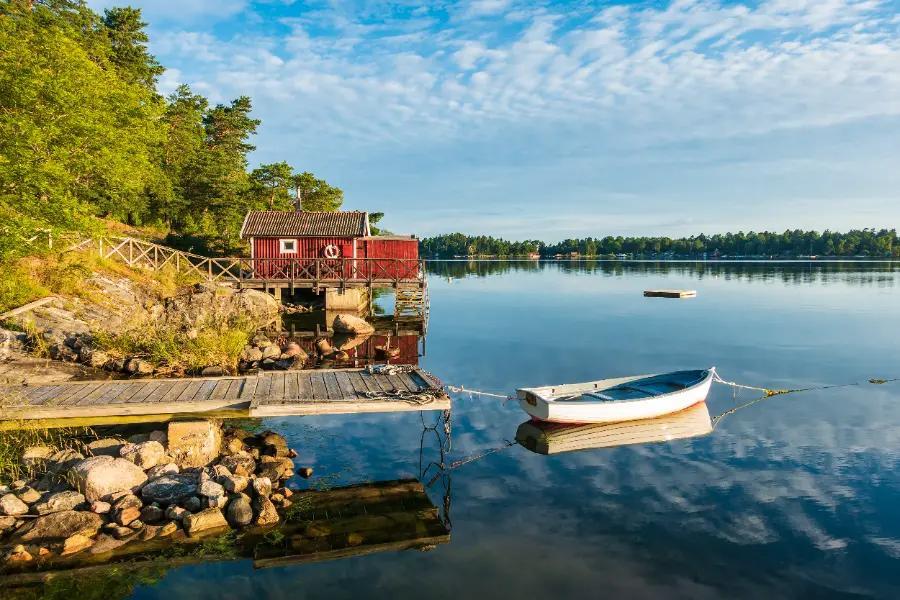
Sweden has long been regarded as an environmental pioneer. By 2022, over 60% of Sweden’s electricity already came from renewable sources, and it aims to reach net-zero emissions by 2045. Electric buses, trams, smart roads, and urban farming have all contributed to lower emissions so far.
Sweden’s love for nature is embedded in its culture, and cities are dotted with parks and waterways. Plus, nearly 70% of Sweden’s land is covered by forests, which are managed sustainably to support biodiversity and reforestation. Stockholm was the first European Green Capital (in 2010), while Gothenburg is often ranked as one of the world’s most sustainable cities.
But perhaps most impressively, Sweden recycles or reuses 99% of household waste, so only 1% ends up in landfill. The culture of recycling is ingrained in day-to-day life, with recycling stations situated no more than 300 metres from any residential area.
2. Switzerland
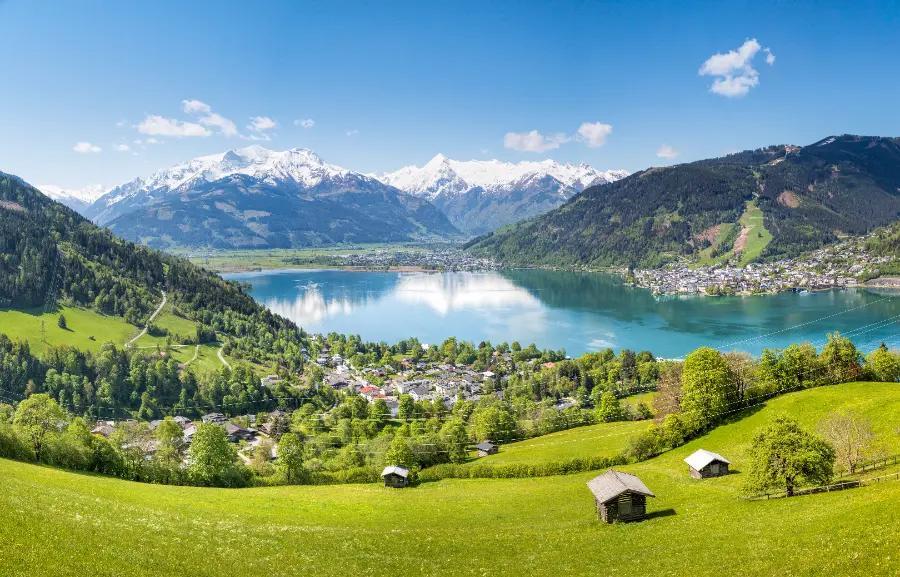
Known for its verdant valleys, pristine lakes, and snow-capped peaks, Switzerland is as green as it looks. It enforces some of the world’s strictest environmental laws for waste management, air quality, and water protection, and around 30% of the land is protected. Forests are carefully managed, too, with trees cut only as quickly as they can regrow.
Switzerland’s world-class train and bus systems are mostly powered by renewable electricity, and while it can’t quite match Sweden’s near-perfect recycling rate, over half of Swiss waste is recycled – still among the highest rates globally. Cities like Zurich, Geneva, and Bern consistently rank among the world’s most sustainable, and eco-tourism protects their mountains, lakes, and hiking trails.
At its core, Swiss culture values sustainability as a way of life. From community composting to environmental education in schools, caring for the planet isn’t just policy here; it’s a mindset.
3. Norway
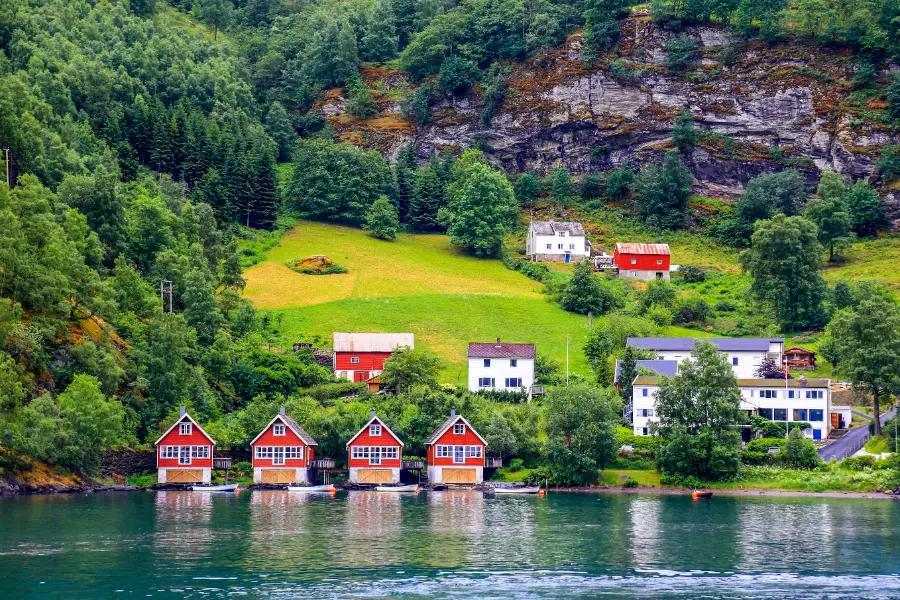
While Norway is an oil-producing nation, it’s also one of the greenest countries on Earth. Around 95% of its electricity comes from hydropower, and it leads the world in electric vehicle (EV) adoption. More than 95% of new cars sold in Norway are electric, supported by generous incentives for EV owners, and public transport is increasingly powered by electricity and biofuels.
The government also invests heavily in green tech and climate research, intending to reach carbon neutrality by 2050. Norway also has one of the highest carbon taxes in the world, and in 2016, it became the world’s first country to ban deforestation.
Aside from policy, environmental care is part of Norwegian life. The country boasts some of the cleanest air and water on Earth, and its people embrace the concept of friluftsliv – “open-air life” – which reflects their respect for nature and sustainability. Ultimately, Norway is the perfect example of how an oil-rich nation can use its wealth to power a greener future.
4. Finland
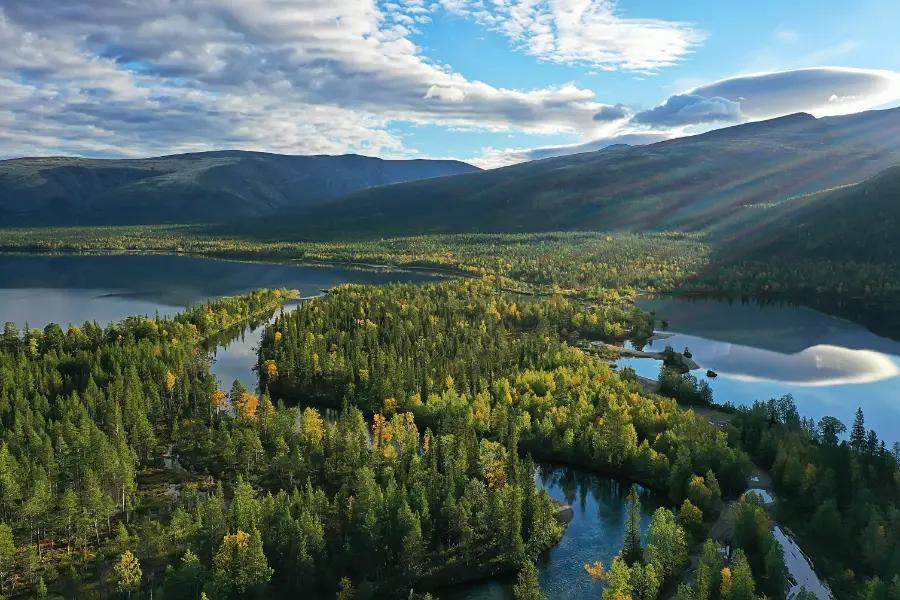
As one of the most forested countries, Finland is unusually connected to nature. About 75% of the land is covered by carefully protected and sustainably managed forests; for every tree cut down, another is planted. This rich greenery defines Finland’s landscape and makes its air some of the cleanest in the world.
Nearly half of Finland’s energy comes from renewable sources, and the country has an ambitious goal of reaching carbon neutrality by 2035. The government has invested in electric vehicles, biofuels, and other green tech, while Helsinki and other cities are setting examples in sustainable urban design, offering efficient public transport, scenic cycling routes, and ample green spaces.
And while Finland’s recycling rate may not yet rival that of its neighbour, Sweden, its highly successful bottle and can deposit system – which rewards people for returning containers for reuse – has become a model for countries worldwide.
5. Denmark
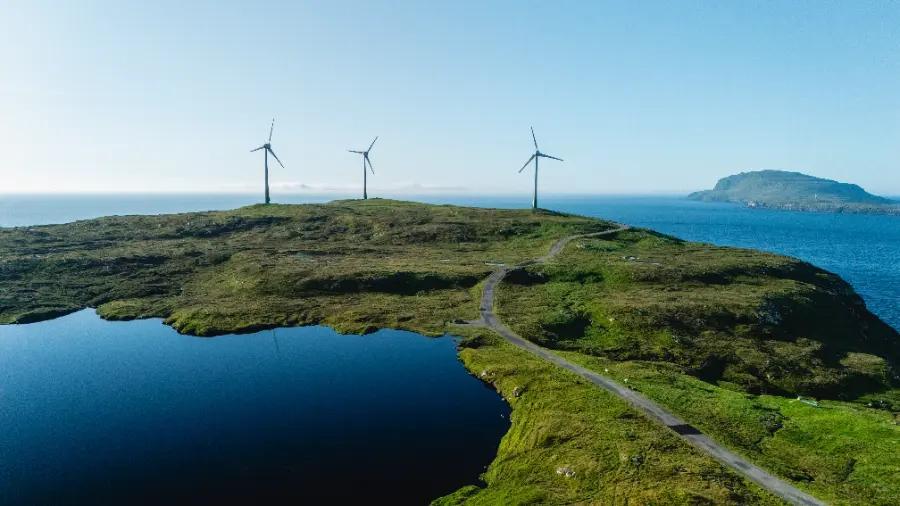
Often hailed as the wind power capital of the world, over half of Denmark’s electricity comes from turbines, and it’s home to some of the world’s largest wind energy companies. Impressively, the country aims to be 100% powered by renewables by 2040 and entirely carbon neutral by 2050.
But Denmark’s green credentials extend beyond wind power. Its capital, Copenhagen, is one of the cycling capitals of the world, with more than 60% of residents commuting by bike. Cycling isn’t just a pastime here; it’s a way of life. Plus, Copenhagen consistently ranks among the world’s most sustainable cities, and its public transport runs on clean energy.
Denmark also boasts one of Europe’s best waste-to-energy systems. Waste that isn’t recycled is converted into energy through clean incineration technology, which heats homes during winter. Environmental awareness is deeply embedded in Danish culture, too, with residents embracing eco-friendly choices, from eating local, organic food to buying sustainable or vintage clothing.
6. Iceland
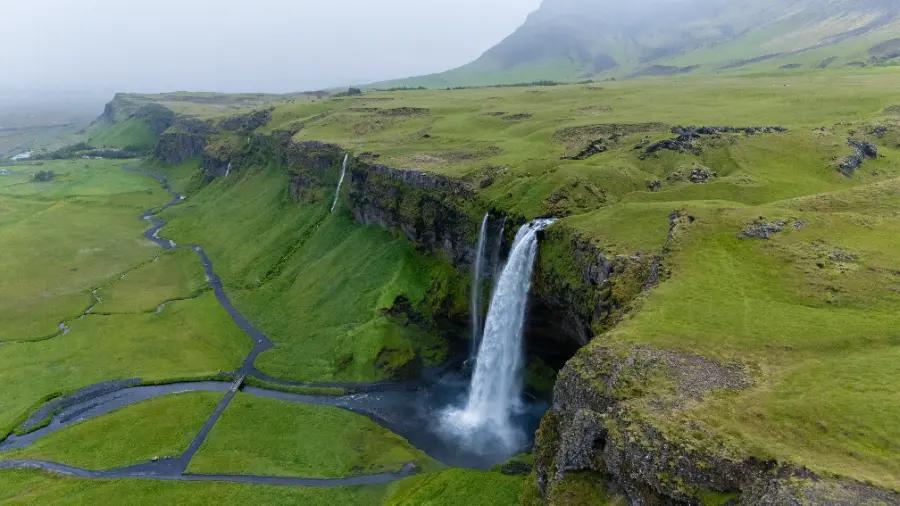
Iceland may be renowned for its otherworldly landscapes, but it’s also one of the few countries that runs almost entirely on clean energy; nearly 100% of Iceland’s electricity and heating come from renewable sources. Harnessing the power of its iconic volcanoes, Iceland turns natural geothermal energy into clean, affordable heating.
Thanks to its low population and strict environmental regulations, Iceland also has some of the cleanest air and water in the world. Nature conservation is part of Icelandic identity, and locals take pride in living in harmony with their wild environment, protecting its glaciers, waterfalls, and volcanoes.
The government actively supports green innovation, and farms and industries use geothermal energy for sustainable food production. While tourism is a major part of Iceland’s economy, eco-tourism is always prioritised; national parks are fiercely protected, and visitors must leave nature just as they found it.
7. Austria
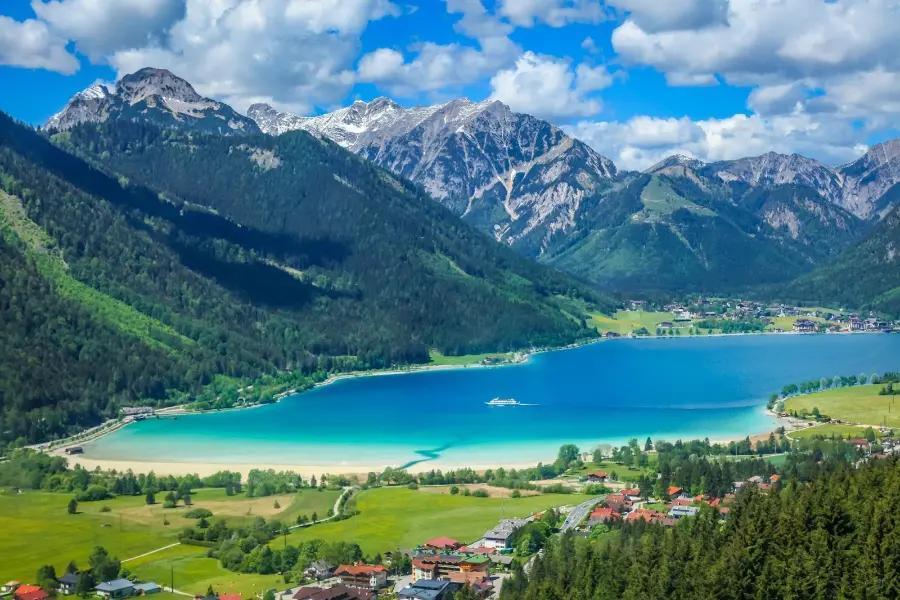
Home to the snow-swathed Alps, crystalline rivers, and turquoise lakes, Austria is remarkably well protected. Around 47% of the land is covered by sustainably managed forests, while numerous national parks and nature reserves preserve biodiversity. Around 87% of Austria’s electricity comes from renewable sources.
Just like its neighbour, Switzerland, Austria boasts an efficient public transport system, with most trains, buses, and trams powered by clean energy. Popular initiatives, like free ski shuttles, also encourage residents to choose public transport over cars. Cities like Vienna regularly rank among the world’s most sustainable, thanks to abundant greenery, eco-friendly architecture, and bike-friendliness.
However, while the nation has strong recycling and waste management systems, with high recycling rates across different municipalities, the amount of waste generated per person remains higher than the European average.
8. Costa Rica
The only country from the Americas on this list, Costa Rica, is an excellent example of what determination can achieve, and it aims to be entirely carbon neutral by 2050. Nearly 100% of the country’s electricity comes from renewable sources – primarily hydropower, geothermal, wind, and solar. For the last few years, the country has achieved over 300 days of entirely renewable power annually.
Once heavily deforested, the nation has successfully reversed deforestation through conservation and legal reforms, and today, around 25% of Costa Rica’s land is protected. Despite covering less than 0.1% of Earth’s land area, it’s home to around 5% of the world’s species, making it one of the planet’s most biologically diverse nations.
Costa Rica also champions eco-tourism, with many hotels certified for sustainability and focused on energy efficiency, recycling, and community development. The government invests in education and green innovation, and is one of the only countries to have legally banned deforestation. However, despite these achievements, water contamination from agricultural runoff remains a challenge.
9. The Netherlands
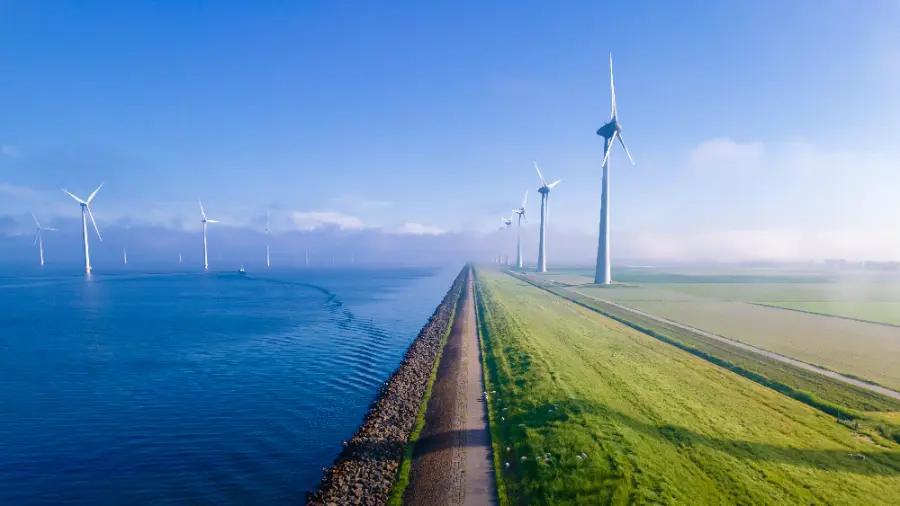
While densely populated and heavily industrialised, the Netherlands has made huge strides towards sustainability recently, mostly via its use of wind and solar power. The country is home to some of the world’s largest offshore wind farms, which provide clean electricity to millions.
Often called the cycling capital of the world, the Netherlands has more bikes than people, and cities like Amsterdam and Utrecht boast unrivalled bike lanes and cycling infrastructure. Its public transport system is also highly efficient and increasingly powered by renewable energy; in fact, all Dutch trains already run entirely on wind power.
The Dutch excel in eco-friendly urban planning, and a strong recycling culture further supports sustainability goals, with an ambitious national target to reuse or recycle all waste by 2050. However, while Dutch farmers have been working towards producing more food with less water and land, animal agriculture remains a major source of emissions.
10. New Zealand
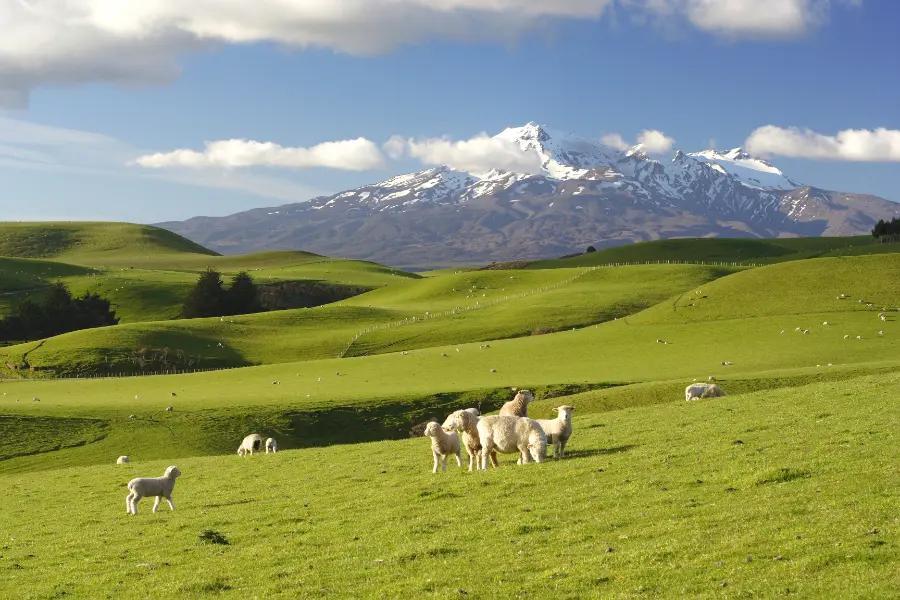
New Zealand is famous for its natural beauty, and its lush landscapes, soaring mountains, and sparkling rivers are carefully protected. About 30% of its land is under conservation, and environmental responsibility runs deep in the national identity. Māori traditions emphasise kaitiakitanga – the guardianship of nature – and this principle guides efforts to protect native wildlife, like the kiwi bird.
More than 80% of New Zealand’s electricity comes from renewable sources, and the government has an aspirational goal of 100% renewable electricity by 2035 and net-zero carbon emissions by 2050. Cities like Wellington and Auckland are promoting eco-friendly design, while many communities already rely on solar power, rainwater systems, and sustainable housing.
However, some critics argue that New Zealand’s ‘clean, green’ image oversimplifies the reality. The country still faces major challenges from agricultural emissions, particularly methane from livestock – a stark reminder that even with strong environmental policies, the impact of animal agriculture often remains overlooked.
Final thoughts…
From Scandinavia’s wind-powered cities to Costa Rica’s thriving rainforests, these 10 countries prove that protecting the planet and prospering economically don’t have to be mutually exclusive.
While each nation faces its own challenges, its progress shows what’s possible with vision and commitment. Real change doesn’t happen overnight; it starts with small, consistent steps that add up to something transformative.
As the effects of climate change accelerate, the rest of the world can – hopefully – look to these countries not just for inspiration, but for a blueprint of what’s possible when protecting the planet becomes a priority.
Have you visited any of these countries? What are your thoughts on sustainable living? We’d love to hear from you in the comments below.
Selene Nelson is an author, freelance journalist, and lifestyle writer for Rest Less. After graduating from the University of Sussex with a degree in English Literature, Selene began contributing to many major newspapers and websites, and has written for the BBC, The Sunday Times, The Independent, Town & Country, and HuffPost. Her specialist subjects include food, travel, and health, though she enjoys writing about a wide range of topics (e.g. her two books are about veganism and psychopathy, respectively!). She enjoys cooking (particularly pasta and Asian noodle soups), reading, travelling, hiking, attempting to keep fit, and watching animal videos on YouTube.
* Links with an * by them are affiliate links which help Rest Less stay free to use as they can result in a payment or benefit to us. You can read more on how we make money here.

See the best holiday deals today
Whether you’re looking for a last-minute getaway, city break, cultural tour, or the trip of a lifetime – search over 20,000 exciting deals from over 20 leading providers, with options to suit all budgets and tastes!
Join the discussion
Read our full commenting terms and guidelines