
How does Rest Less make money
We make money through advertising and commission from affiliate links, which enable us to offer Rest Less as a free service to our users. The content on this page may use affiliate links, which track traffic from our website to a third party provider and enable us to receive a commission or payment from any traffic we refer.
* Affiliate links on this page have an * next to them. We place enormous importance on our editorial independence and the integrity of our content which means that we will never change how we write about something as a result of an affiliate link.
The Caribbean is celebrated for its turquoise waters, sugar-white beaches, vibrant carnivals, and warm, welcoming people. Yet, with more than 7,000 islands, islets, reefs, and cays, much of this region remains undiscovered – and there’s far more to it than first meets the eye.
While the Caribbean is deservedly one of the world’s top spots for a tropical escape, beyond the postcard-perfect beaches lies a deeper story just waiting to be read. Each island carries its own unique history, culture, and way of life, and the authentic Caribbean experience often looks very different from what you see from a sunlounger.
So, if you’re curious to look past the surface, here are nine fascinating things you might not know about the Caribbean.
1. It’s home to the world’s only swimming pigs
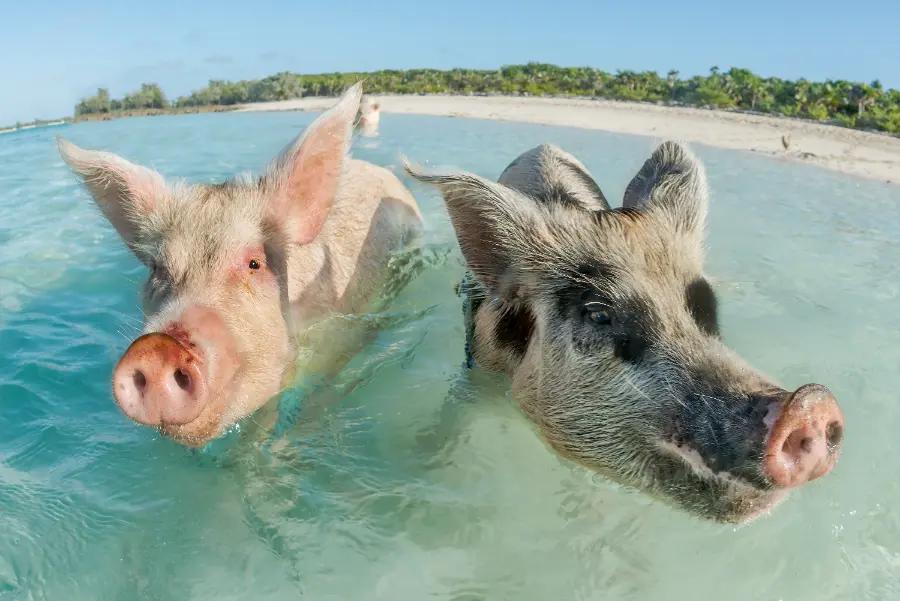
Humans aren’t the only land mammals tempted to swim in the Caribbean’s turquoise seas. In the Bahamas, on the uninhabited Big Major Cay, a group of feral pigs have become known for their aquatic abilities. ‘Pig Beach’, as it’s now known, has become one of the Bahamas’ most popular attractions.
How and why these pigs arrived on this remote island is unknown; some say they were left behind centuries ago by sailors, who planned to return and cook them but never did; others say they swam from a shipwreck. However they got here, these pigs have thrived in their private tropical paradise, and today their numbers vary between 20 and 40.
What makes these pigs special, aside from the swimming, is how friendly they are. When visitors approach, they swim out to greet the boats, paddling through the warm water with their snouts held sweetly high. Travellers from all over the world come to see these unique, intelligent animals, making Pig Beach one of the most photographed spots in the Bahamas.
2. It was home to an infamous pirate city
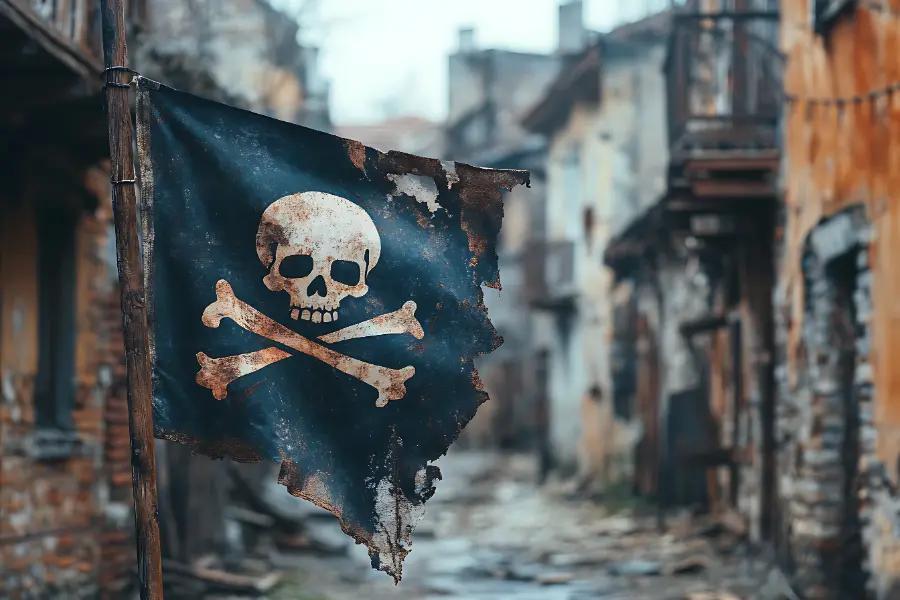
Many people know the Caribbean was once a hotspot for piracy, but fewer realise it was home to the world’s most notorious pirate haven: Port Royal, Jamaica. Once dubbed the “wickedest city on Earth,” its sheltered position on Kingston Harbour made it an ideal hub for trade…and piracy.
Founded by the Spanish in 1494, the city changed hands when the English captured Jamaica in 1655. By the late 1600s, Port Royal had grown into the main English stronghold in the Caribbean, and privateers – essentially state-sanctioned pirates – operated from there, raiding Spanish ships and making small fortunes. But after a series of treaties outlawed privateering, many embraced full-blown piracy.
Soon, Port Royal became infamous. Its taverns, brothels, and gambling dens overflowed with sailors and buccaneers, earning it the nickname “the Sodom of the New World.” But that reputation came to an end in 1692, when a huge earthquake struck. Much of the city was swallowed by the sea; thousands died instantly, and later, many more succumbed to disease. It was widely believed that God had sent the earthquake as punishment for the city’s sins.
3. Rum used to be used as currency…and medicine
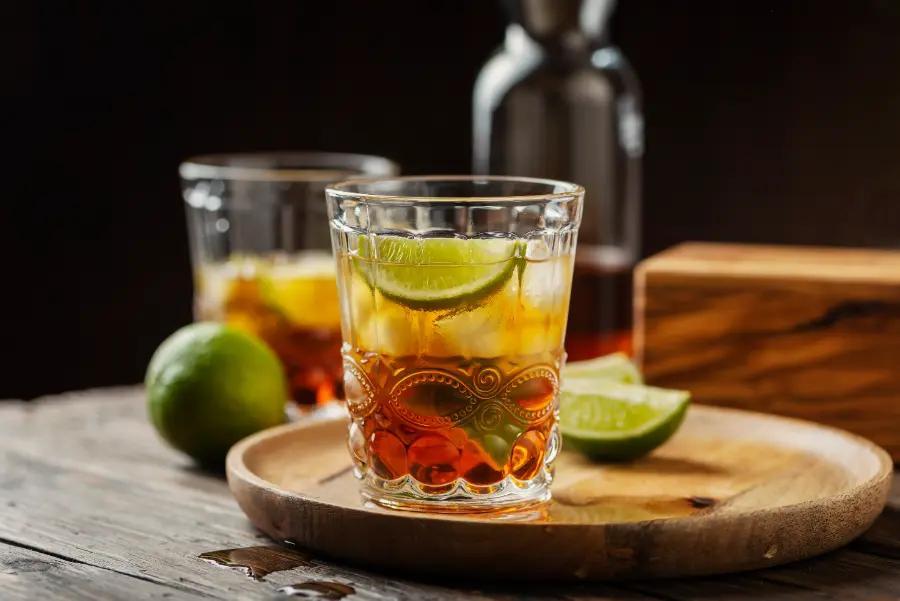
In the 17th and 18th centuries, sugar plantations produced vast amounts of molasses, and distillers discovered that fermenting it created a powerful spirit: rum. Today, rum remains one of the Caribbean’s most famous exports, but its significance runs much deeper than you might think.
At times, rum served as both currency and medicine. On many islands, it was used to pay plantation workers, sailors, and merchants. More grimly, it was also part of the ‘Triangular Trade,’ and exchanged for enslaved people in Africa and goods in Europe. While never an official currency, the British Navy issued daily ‘rum rations’ to sailors – a tradition that continued, shockingly, until 1970.
Rum is also synonymous with piracy…but pirates didn’t drink it just for fun. They mixed it with lime juice and spices to create antiseptics, painkillers, and anti-scurvy tonics, and it was often considered more valuable than gold, as it helped maintain morale among the crew. Some pirates even spiked their cannons with rum before attacks, hoping that enemies, smelling the alcohol, would underestimate the ‘drunk’ crew – only to be ambushed.
4. It’s home to the world’s smallest bird
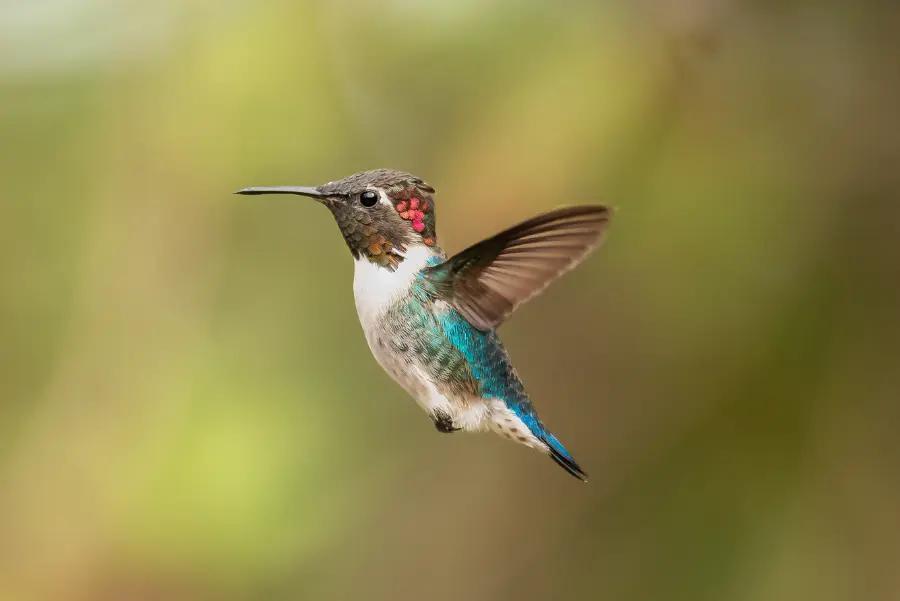
The Caribbean island of Cuba is home to the world’s smallest bird, the bee hummingbird. These extraordinary birds are tiny: males measure only 5 to 6 cm long and weigh under 2 grams – lighter than a penny. Females are slightly larger, reaching up to 6.1 cm and 2.6 grams. Males are brilliantly coloured, with iridescent blue and bright red or pink feathers, while females are more subtly shaded.
Bee hummingbird nests are the size of a thimble, and their eggs are no bigger than a pea. But don’t be fooled by their size: these birds are incredibly powerful flyers with wings that beat around 80 times per second during normal flight, and up to 200 times per second in mating displays. Their heart rate can also soar to a staggering 1,200 beats per minute while in flight.
Because their tiny bodies burn energy so quickly, bee hummingbirds must feed constantly, visiting up to 1,500 flowers per day and playing an essential role in pollination. They live in forests, coastal areas, and gardens filled with flowering plants, but are sadly classified as ‘Near Threatened’ due to habitat loss from deforestation.
5. Grenada has more bats than people
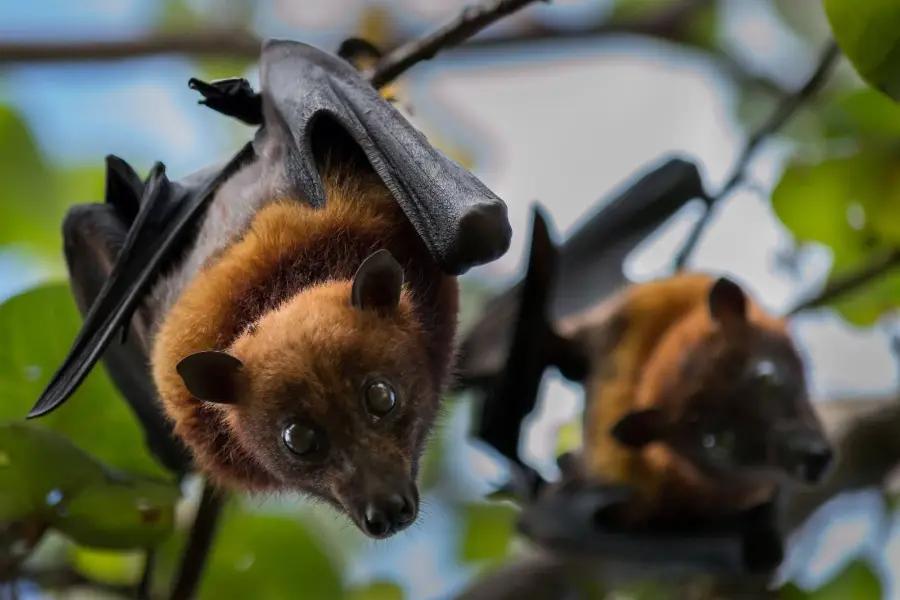
The island of Grenada may be best known for its nutmeg and spice production, but it’s also a bat haven. The ‘Spice Isle’ is home to an astonishing diversity of bat species, and these flying mammals actually significantly outnumber humans. While about 125,000 people live on the island, the bat population is thought to be much higher.
At least 13 different bat species can be found in Grenada, including fruit bats, insect-eating bats, and nectar-feeding bats. They roost in caves, forests, and sometimes abandoned buildings, and at dusk, thousands pour out in dramatic swarms as they take to the skies for the night.
Just like hummingbirds, bats are essential to the ecosystem. They pollinate plants such as bananas, mangos, and guavas, help with seed dispersal, and provide insect control by feeding on mosquitoes and crop pests.
Despite their ecological importance, fruit bats have also traditionally been used in local cuisine. In Grenada and some neighbouring islands, they’re sometimes cooked in stews and soups – a practice that might surprise visitors, but remains part of the region’s culinary heritage.
6. It has the world’s deepest blue hole
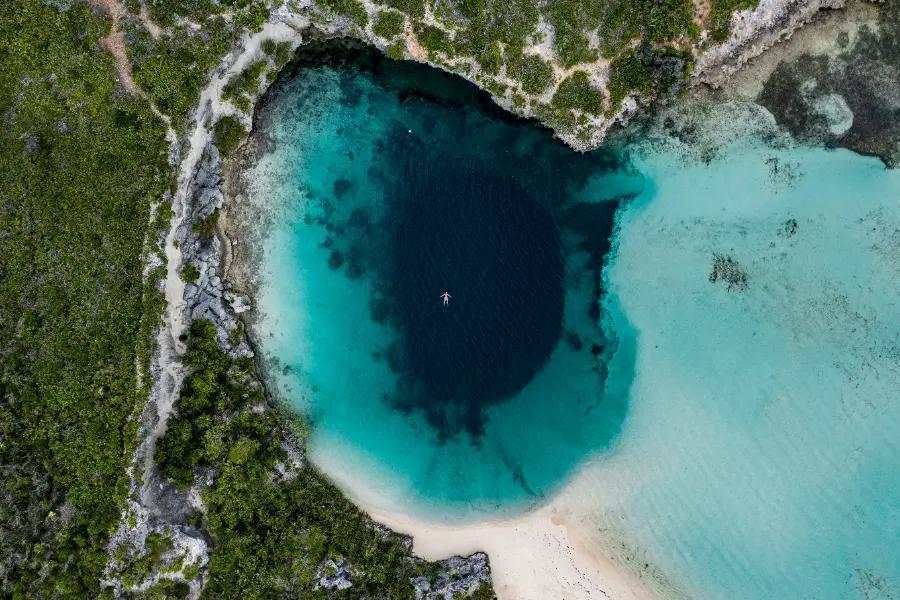
The Caribbean might be most famous for its shimmering turquoise waters and colourful coral reefs, but it’s also home to one of the ocean’s most incredible natural wonders: Dean’s Blue Hole. Located off the coast of Long Island in the Bahamas, and plunging to an impressive depth of 202 metres, this is the world’s deepest saltwater blue hole.
Blue holes are essentially enormous underwater sinkholes. They formed during the last Ice Age, when sea levels were lower and acidic rainwater carved out caves and vertical shafts in the porous limestone bedrock. When the glaciers melted and sea levels rose, these caverns flooded, creating the blue holes we see today.
The otherworldly beauty of Dean’s Blue Hole attracts freedivers from all over the world, many of whom attempt record-breaking descents into the abyss. While the inky blue depths can be intimidating, the site’s sheltered location and calm waters make it popular with swimmers and snorkellers. It may look like a seemingly barren, bottomless pit from above, but the hole is also home to all kinds of fascinating creatures, from fish and sharks to eels and lobsters.
7. Jerk is so much more than a seasoning
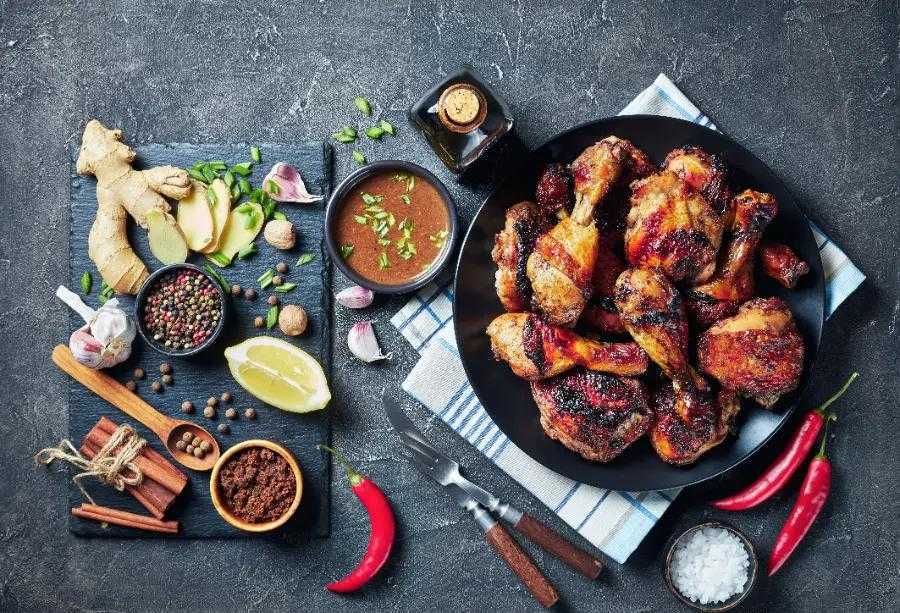
Jerk cooking is synonymous with Jamaica…but it’s far more than just a seasoning or way of cooking. Its history is a unique blend of survival, culture, and flavour, offering a fascinating window into the Caribbean’s past.
The technique of slow-cooking meat over a fire can be traced back to the Taíno people, the Caribbean’s original inhabitants, who flavoured meat using herbs, spices, and smoke. When enslaved Africans arrived in Jamaica in the 1600s, they adapted this method using local ingredients such as Scotch bonnet peppers, thyme, garlic, and allspice, creating the signature heat and aroma that defines jerk today.
The method was further refined by the Maroons, communities of former slaves who escaped into the mountains. Living in such remote areas, the Maroons needed a way to cook meat without attracting attention. They began smoking it over pimento wood, preserving the meat and infusing it with a rich, smoky flavour.
Jerk remained a little-known tradition until the 20th century, when tourism and migration brought it into the public eye. Roadside jerk stands began offering chicken, pork, fish, and later even tofu, spreading the taste across Jamaica and the wider Caribbean. Today, jerk seasoning is enjoyed across the world…but its remarkable history remains largely unknown.
8. It has the most reptile species in the world
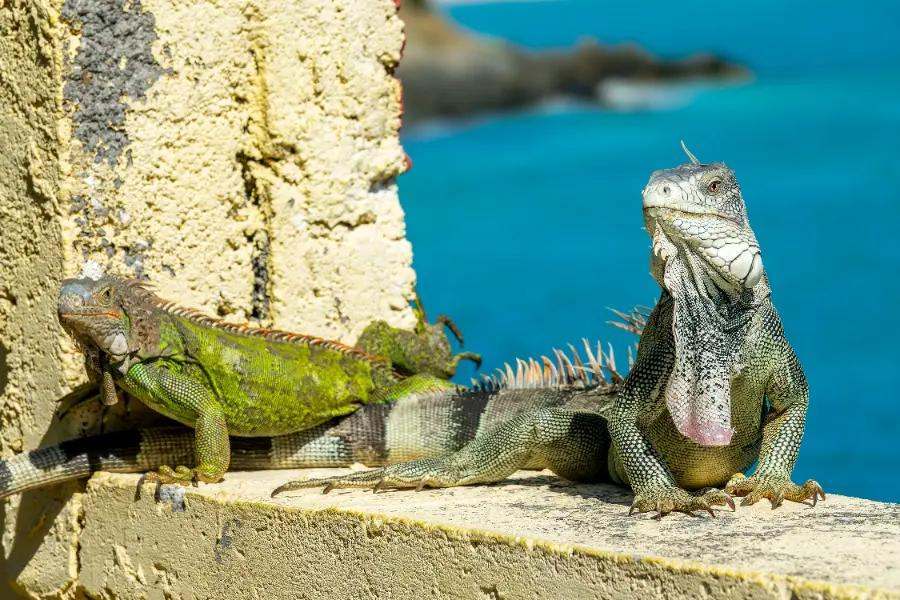
Despite its relatively small landmass, the Caribbean is home to over 500 species of reptiles, making it one of the world’s best regions for reptile diversity. Because islands evolve in isolation, many of these species are found nowhere else, and show extraordinary adaptations, colours, and forms.
Lizards are by far the most common reptile species in the Caribbean. Over 150 species of anole lizards live across the region, with each island often having its own unique species. These small lizards are known for their vibrant throat fans and ability to change colour. Iguanas are also widespread, though several species, like the Jamaican iguana and the Anegada ground iguana, are critically endangered. The Jamaican iguana, which can grow up to 1.5 metres long, was actually believed to have been extinct, but was rediscovered in 1990.
As for snakes, if you’re wary of them, you’ll be glad to know that venomous snakes are very rare. Most islands have none, though some (like Martinique and St. Lucia) have small venomous pit vipers. There are also no large constrictor snakes, although the Cuban boa, Jamaican boa, and Dominican boa are common, and important for controlling rodent populations.
While there are crocodiles in Cuba, Jamaica, Hispaniola, and the southern Caribbean, they’re considered a passive, shy species…although if you’re venturing into coastal lagoons or mangroves, caution is still advised. All kinds of sea turtles are found in the Caribbean, too, with leatherback, loggerhead, and green turtles nesting on the beaches.
9. Jamaica has (one of) the world’s highest concentrations of churches
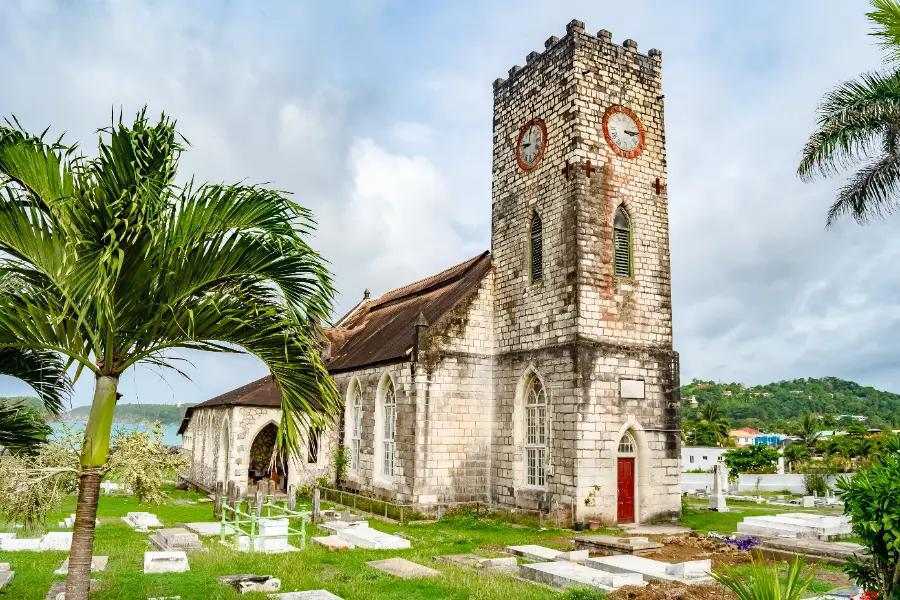
With over 1,600 churches scattered across the island, Jamaica holds a Guinness World Record for having more churches per square mile than any other country – an impressive feat for one of the Caribbean’s smaller nations.
But technically, this claim isn’t quite accurate. Vatican City, which has a population of less than 1,000 people, actually takes the top spot. Spread across a tiny 121 acres, it’s home to a staggering 1,700 churches, giving it the highest concentration both per capita and per square mile.
Still, Jamaica comes in a close second – and its church numbers are arguably even more impressive, given its size, population, and cultural diversity. While the island is often associated with Rastafarianism, Jamaica is actually a deeply Christian country, with more than 70% of its people identifying as Christian.
The Rastafari faith, however, though a minority religion, has had an outsized cultural influence that extends far beyond Jamaica’s shores, shaping music, art, and spiritual movements worldwide.
Final thoughts…
The Caribbean may be known as a tropical paradise, but its real magic lies in its fascinating culture, history, and biodiversity. From bee hummingbirds lighter than a penny to the mystery of swimming pigs, this unique, diverse region is full of surprises.
Visiting the Caribbean is a reminder that beauty alone doesn’t define a place; it’s the quirky details, the hidden histories, and the remarkable wildlife that create a sense of wonder. Each island has its own story to tell, and beyond the idyllic scenery lies a world far more fascinating than many might imagine.
To find out more about travelling to the Caribbean and explore deals, head over to our Caribbean holidays page.
Have you been to the Caribbean before – or are you tempted to go? Do you have any of your own facts or stories about the Caribbean to share? We’d love to hear from you in the comments below.
Selene Nelson is an author, freelance journalist, and lifestyle writer for Rest Less. After graduating from the University of Sussex with a degree in English Literature, Selene began contributing to many major newspapers and websites, and has written for the BBC, The Sunday Times, The Independent, Town & Country, and HuffPost. Her specialist subjects include food, travel, and health, though she enjoys writing about a wide range of topics (e.g. her two books are about veganism and psychopathy, respectively!). She enjoys cooking (particularly pasta and Asian noodle soups), reading, travelling, hiking, attempting to keep fit, and watching animal videos on YouTube.
* Links with an * by them are affiliate links which help Rest Less stay free to use as they can result in a payment or benefit to us. You can read more on how we make money here.
See the best holiday deals today
Whether you’re looking for a last-minute getaway, city break, cultural tour, or the trip of a lifetime – search over 20,000 exciting deals from over 20 leading providers, with options to suit all budgets and tastes!
Join the discussion
Read our full commenting terms and guidelines