
According to UK government statistics, over a quarter of UK adults are obese. However, research suggests that weight loss injections are helping to turn the tide. In fact, experts predict that obesity rates may begin to decline for the first time by the end of 2025.
Last month, weight-loss injection Mounjaro became available on the NHS for certain patients as part of a phased rollout – and research shows that interest in it as a potential treatment continues to grow. UK Google searches for Mounjaro have skyrocketed by more than 5,000% – dominated by questions around eligibility, side effects, and effectiveness of treatment.
To help set the record straight, we’ll hear from online doctor and pharmacy service, ZAVA, who offer straightforward, medically reviewed guidance on the process, potential side effects, and realistic expectations of weight-loss treatments like Mounjaro.
Dr Babak Ashrafi from ZAVA says, “Weight loss injections are one of the most exciting developments we’ve seen in obesity treatment in recent years. These medications don’t just help to reduce weight, they tackle one of the root causes by regulating appetite. This can be life-changing for people who’ve struggled with traditional weight loss methods.
“However, they’re not a magic fix. Long-term success comes from combining these treatments with healthy eating, regular physical activity, and the right support. That’s why it’s so important to use these injections under the guidance of a healthcare professional, who can monitor your progress and make sure they’re safe and suitable for your individual needs.”
What are Mounjaro injections?
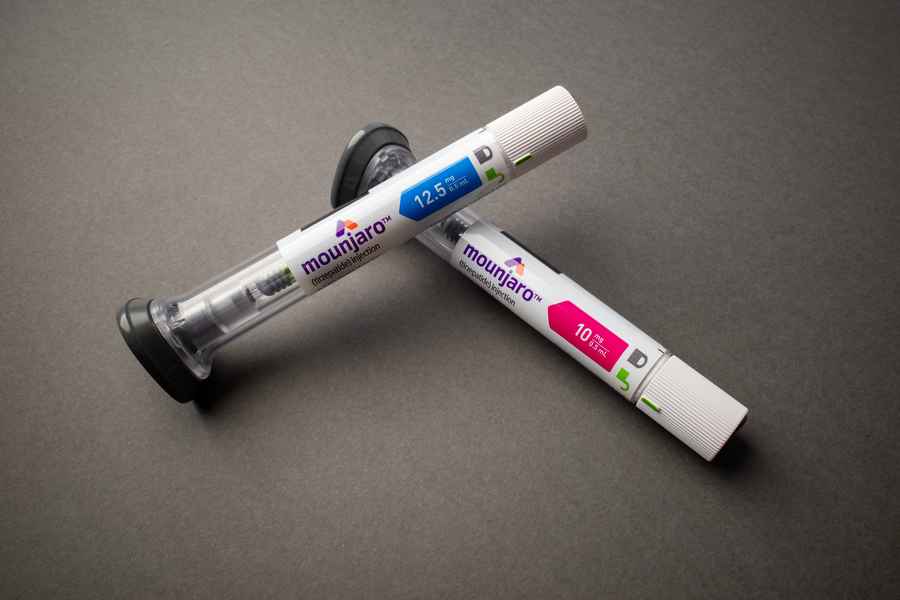
Mounjaro (tirzepatide) is a type of injection that can be taken to help people lose weight. Mounjaro injections are self-administered weekly into the thigh, stomach, or upper arm.
Like other weight loss injections, Mounjaro works by mimicking a hormone called glucagon-like peptide (GLP-1). This hormone helps to reduce appetite by making you feel full and slowing down digestion. Mounjaro also affects glucose-dependent insulinotropic polypeptide (GIP), another hormone involved in metabolism and energy regulation.
Other weight-loss injections include semaglutide (marketed as Wegovy) and liraglutide (marketed as Saxenda). Semaglutide is also used in Ozempic, a treatment for type 2 diabetes.
Who’s eligible for Mounjaro injections on the NHS?
Mounjaro became available on the NHS for eligible patients on 23rd June 2025 as part of a phased rollout. With an initial aim of focusing on those with the greatest clinical needs, Mounjaro is currently available via prescription for a limited number of patients who meet strict criteria.
To be eligible for Mounjaro injections on the NHS, you must…
- Be aged 18 or above
- Have a BMI over 35 and a weight-related health condition – such as heart disease, depression, type 2 diabetes, high blood pressure, or PCOS – or
- Have a BMI over 40
- Have previously tried to lose weight through conventional methods without success
- Be referred to an approved weight management programme by your GP
Note: For people from ethnic minority family backgrounds, the minimum BMI is reduced to 32.5. This is because people from certain ethnic backgrounds have an increased risk of health conditions at lower BMIs.
To see if you’re eligible for an assessment of Mounjaro, you can check with your local integrated care board (ICB). Alternatively, weight loss injections are available via private prescription through reputable and trusted online providers.
Weight loss injections like Mounjaro won’t be suitable for everyone, such as those with certain health conditions. To learn more, head over to the NHS website.
What are some potential side effects of Mounjaro, and how long does it take to see results?
Everyone’s experience of weight loss injections will be different. However, to give you a rough idea of what to expect, experts at ZAVA have outlined a general timeline.
Week 1 – Adjustment phase
Experts at ZAVA explain, “As you begin taking weight loss injections, your body will begin to adapt. Because these treatments mimic the naturally occurring GLP-1 hormone, they affect your appetite and digestion. This can initially cause side effects such as nausea or vomiting, mild digestive discomfort, fatigue, and headaches.
“These symptoms usually appear in the first few days as your system adjusts. To ease discomfort, it’s recommended to eat smaller, low-fat meals and avoid greasy or rich foods. Staying hydrated and getting enough rest is also important during this period. While you might experience signs of discomfort, it’s important to take your medication exactly as prescribed by your doctor and listen to your body.”
Week 2 – Side effects may peak
Experts at ZAVA say, “For many people, side effects can continue during the second week of having weight loss injections, as your body continues to respond to the medication. However, nausea, headaches, or digestive upset often begin to decrease as treatment continues.
“If side effects do not improve, your healthcare provider may adjust your dosage or suggest a slower increase to help your body acclimate more comfortably. Again, staying well-hydrated and resting when needed are simple ways to ease symptoms.”
Week 3: Settling into a routine
Experts at ZAVA say, “By the third week, most patients report fewer side effects as their bodies adjust. At this stage, some patients begin noticing early positive changes, such as reduced appetite, feeling fuller sooner during meals, or slowing gastric emptying. It’s crucial to maintain a balanced diet and regular exercise to support your weight loss journey and overall health.”
Week 4: Visible changes emerge
Experts at ZAVA say, “Around the four-week mark, many people start seeing early changes in weight and energy levels. Clinical trials show that with continuous use combined with lifestyle modifications, Mounjaro users experienced at least a 22.5% reduction in bodyweight over 72 weeks.
Research suggests you may also notice a range of other health benefits – for example, by improvements in markers like blood pressure, cholesterol, and blood sugar control.”
Serious side effects to look out for with Mounjaro
According to ZAVA, while most side effects of Mounjaro are mild and temporary, some serious reactions can occur. While this is rare, it’s important to be aware of symptoms that require urgent medical attention. For example, it’s important to stop your medication immediately and seek emergency medical help by going to Accident and Emergency (A&E) or calling 999 immediately if you experience…
Severe or ongoing stomach pain that may spread to your back and isn’t improving. This could potentially indicate pancreatitis
- Persistent nausea or vomiting
- Yellowing of skin or eyes (could signal liver or gallbladder issues)
- Signs of infection, fever, or unusual weakness
- Difficulty breathing, wheezing, or swelling in the face or throat (signs of an allergic reaction)
For further reading, head over to our health news section.
What are your thoughts on weight loss injections? Do you have any experience with Mounjaro that you’d like to share? We’d be interested to hear from you in the comments below.