Sponsored content
Menopause is a significant time of transition for women. Changing hormone levels can cause a range of symptoms, including brain fog and hot flushes, which can significantly impact daily life and long-term health. These symptoms usually begin during perimenopause, the stage before the menstrual cycle stops completely.
However, while there are around 30 or more symptoms associated with perimenopause, research has revealed that many women remain in the dark due to a general lack of awareness and support. This, paired with limited resources, long waiting times and, in some cases, a lack of menopause-specific training within the NHS, can leave women feeling alone, confused, and unsure where to seek help.
If this is you, it’s important to remember that you’re not alone – and there are options available to help you access the support and treatment you need.
Hoping to bridge this gap, we’ve partnered with leading UK specialist healthcare provider, Medefer, to explore eight symptoms of perimenopause and offer guidance on where to turn for support.
Committed to providing flexible, sustainable care, Medefer have worked with the NHS for over a decade. They now provide women with fast access to accredited private menopause specialists without tying them to unnecessary long-term expenses.
Medefer’s treatment plans align with national guidance, meaning that, where appropriate, you can share yours with your GP, who can support you with ongoing care. You can also self-refer to Medefer.
Plus, as a New Year offer, Rest Less members can use code RESTLESS50 for a £50 discount on their first appointment.

What is perimenopause, and when does it start?
Perimenopause is a time of transition before a woman enters menopause. It’s marked by the onset of menopausal symptoms as hormone levels, particularly oestrogen, begin to fluctuate, and the ovaries produce fewer eggs.
Menopause starts when you haven’t had a period for one year or longer. The average age of menopause in the UK is 51 (41-55). Symptoms can start up to 10 years before periods stop and may last several years afterwards.
One in 10 women goes through menopause between the ages of 40 and 45, known as early menopause. Those who go through menopause under the age of 40 are said to have Premature Ovarian Insufficiency (POI). Menopause can also be caused by surgery and certain medical and chemical treatments.
Perimenopause can be a confusing time for women because they’re still having periods and may not associate their symptoms with menopause. While this can feel isolating, it’s important to remember that you’re not alone and that perimenopause is a very real thing.
Note: It’s important to speak to your GP if you’re experiencing symptoms of perimenopause before the age of 40.
8 symptoms of perimenopause
According to research, most women (around 80%) experience symptoms of perimenopause, and for around 25% of women, those symptoms are severe. To make things more difficult, some women are also unaware of what’s happening to them – especially if they’re still having periods.
But knowledge is power, and understanding your symptoms can be the first step in reaching out for support. We’ll take a closer look at some of the most common perimenopause symptoms below.
1. Menstrual cycle changes
One of the most common symptoms that women notice during perimenopause is disruption to their menstrual cycle. Periods can become unpredictable – arriving early or late, and they may be shorter, longer, lighter, heavier, or skipped entirely.
There may be spotting between periods, too, and it’s not uncommon for blood to appear darker red or brown.
3. Hot flushes and night sweats
Other uncomfortable symptoms brought on by changing hormone levels include hot flushes and night sweats – characterised by suddenly feeling hot, sweaty, or flushed.
This study found that vasomotor symptoms like hot flushes and night sweats are the main symptoms of menopause, experienced by up to 80% of women.
4. Vaginal dryness
Among other things, oestrogen helps to keep skin hydrated and supple.
So, when oestrogen levels drop during perimenopause, the walls of the vagina can become drier and thinner. For some women, this can result in vaginal dryness and irritation, and make sex uncomfortable or painful. However, this usually starts in post-menopause.
5. Bladder issues
Declining oestrogen levels can also affect the bladder, which can result in bladder issues like incontinence and urinary urgency.
Like menopause itself, bladder issues can be a taboo topic. This means some women experience shame and embarrassment and feel like they can’t reach out for support. However, as with all these symptoms, there’s support available, which we’ll cover in more detail below.
Bladder issues and vaginal dryness are both part of what’s known as the Genitourinary Syndrome of Menopause (GSM).
6. Weight gain
Research suggests that weight gain is one of the most common side effects of perimenopause and menopause, affecting at least 50% of women. So, if this is you, you’re certainly not alone.
According to this study, women gain an average of 1.5kg per year during the perimenopause transition – most of which accumulates around the abdomen and upper body.
Some women find that this change affects their confidence and self-esteem, but it can be reassuring to know that it’s normal and that there are steps you can take to feel happier and more confident.
It’s also important to note that these changes can adversely affect cardiometabolic health, putting women at greater risk of type 2 diabetes and heart disease.
7. Sleep issues
Sleep issues, including struggling to fall or stay asleep, are common during perimenopause. This is due to changing hormone levels, which can affect neurotransmitters and disrupt the sleep-wake cycle.
Because sleep issues can be caused by so many factors, the link to perimenopause may not always be immediately obvious.
8. Joint and muscle pain
Many women report their joints becoming stiff and painful during perimenopause. This is partly due to oestrogen’s role in reducing inflammation. In addition, the risk of developing osteoarthritis also increases.
Silently, bones can begin to lose strength behind the scenes, too, increasing the risk of osteopenia or osteoporosis (brittle bones) later in life.
Hormone replacement therapy for perimenopause symptoms – what are the pros and cons?
Hormone replacement therapy (HRT) is the main treatment option used to help women manage symptoms of menopause. It works by replacing the hormones in your body that decline during menopause, including oestrogen.
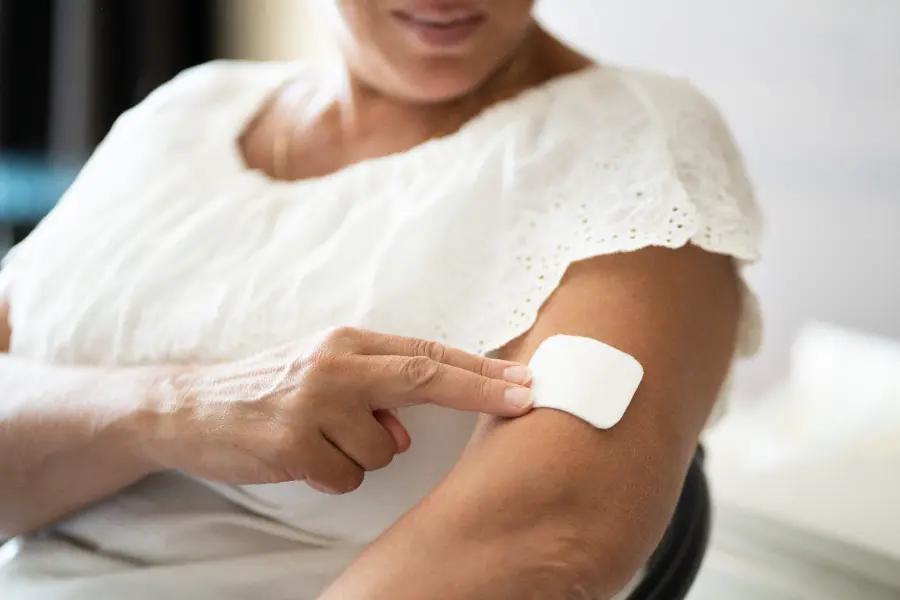
HRT comes in several different forms, including patches, gels, tablets, and sprays that are applied to the skin.
You might be worried about the idea of taking HRT because of its potential links to various health conditions, including cancer. However, HRT is generally regarded as a safe and effective treatment for menopause symptoms – and many women find that it offers significant relief.
That said, there are some potential risks to consider, and there’s no one-size-fits-all formula. For example, the type of hormones you need, at what dose, and in what form will vary depending on factors like age, medical history, and general health.
For this reason, it’s important to have an individualised consultation with a health professional to discuss which option is best for you. With fast access to accredited menopause specialists, you might like to contact Medefer to receive a tailored treatment plan that you can share with your GP – all from the comfort of your home.
We’ll also explore some of the main pros and cons of HRT for perimenopause symptoms below.
Potential pros of HRT for perimenopause
The main benefit of HRT is that it can help to improve symptoms of perimenopause and menopause, including hot flushes, mood swings, aching joints, and vaginal dryness. In fact, many women report feeling back to their ‘old self’ within a few months of starting HRT.
There’s also evidence that HRT may benefit your future health. Taking HRT has been linked with a reduced risk of several health conditions, including osteoporosis, type 2 diabetes, bowel cancer, and lowering the risk of heart disease if started within ten years of the last period.
The British Menopause Society’s 2020 recommendations on HRT use in menopausal women say taking HRT was found to help prevent and repair bone loss and reduce the risk of fractures by around 50%. And another study found that HRT may slightly lower the risk of developing heart disease.
Potential risks of HRT for menopause
While there are various benefits to HRT, it’s important to consider the potential risks.
HRT is usually made up of two components – oestrogen and a progestogen. Progestogens include progesterone (very similar to what the body produces) and progestins, which are other synthetic compounds that act similarly.
If you’re a woman taking oestrogen and you have a uterus, you must take progestogen, too, as oestrogen on its own can thicken the womb lining and increase the risk of uterine cancer. Taking oestrogen and progestogen together is called ‘combined HRT’.
Combined HRT is linked with a potential increased risk of certain cancers (a small increase), including breast cancer. However, while HRT does carry some risks, for many people, these are outweighed by its benefits. It’s also worth noting that every case is individual, and your risk will depend on factors like age, family history, and medical history. Different types of HRT carry different risks, too, so your doctor can suggest the best options for you.
What other treatment options are there for perimenopause?
HRT isn’t suitable for everyone and, depending on personal circumstances, some women prefer not to use it. In these cases, you might be wondering what other treatment options are available for menopause symptoms.
Other hormone treatments for perimenopause and menopause include testosterone gel (available if your oestrogen is optimised) and localised oestrogen treatments, such as creams or pessaries, which may be offered for women struggling with vaginal dryness.
Non-hormonal treatments, including medication and talking therapies, are also an option for women who choose not to have HRT or who cannot have hormones.
For example, pelvic floor exercises can help with urgency and stress urinary incontinence, as can medications like Oxybutinin (which has also been found to help with hot flushes and night sweats – though some negative side effects have been noted, too). Similarly, cognitive behavioural therapy (CBT) has been found to benefit vasomotor symptoms and anxiety.
Equally, for some women, lifestyle changes, like improving sleep quality, are enough to help ease some symptoms of perimenopause. Regardless of whether or not you take medication, it’s always worth considering how lifestyle adjustments might help or complement your treatment. For ideas on where to get started, head over to our menopause section.
I’m struggling with perimenopause symptoms – where can I seek support and treatment?
For some women, perimenopause symptoms can have a significant impact on daily life. As a result, it’s unsurprising that more women are seeking treatment and support through private menopause services, which offer faster access to specialist care.
Under the NHS, menopause treatments are usually prescribed and managed by your GP, and people are usually only referred to specialists in certain circumstances. This, paired with long waiting times, means that many women face delays and a lack of access to the treatment they need.
Private healthcare, on the other hand, offers fast, efficient, and personalised treatment plans – including extended consultations with specialists and the flexibility to choose medications with your doctor.
However, while many private UK healthcare providers offer menopause treatment packages, costs can be high. This means many women who receive private prescriptions, particularly for HRT, are left with the worry of whether or not their NHS GPs will continue their prescriptions – potentially leaving them stuck in a cycle of ongoing private care costs.
This is where Medefer comes in. Working to provide women with access to high-quality menopause care without tying them to unnecessary long-term expenses, with Medefer, you can receive rapid specialist menopause care.
Taking a GP-compatible prescription approach, Medefer’s personalised treatment plans can, where appropriate, be handed back to NHS GPs for ongoing care. Among other things, this means that they prescribe medication available on the NHS and clearly communicate treatment plans with GPs in a way that’s safe and easy to adopt.
You can self-refer to Medefer. Instead of waiting weeks to see a specialist, their team of consultants will review your case typically within 48 hours. If additional tests are needed or you need more tailored or specialist prescriptions, Medefer can help you with this, too.
Final thoughts…
Perimenopause is a significant time of transition and, for many women, can result in a range of difficult symptoms. Luckily, there are options available that can make navigating your menopause journey that little bit easier, including HRT.
Working to improve access to specialist menopause treatment, Medefer’s goal is simple: to help you get the treatment and support you need quickly in a way that works both privately and, if possible, on the NHS, too.
And, Rest Less members can use code RESTLESS50 for a £50 discount on their first appointment.