- Home
- Care Support
- 10 things everyone should know about end of life care
Sponsored content
Thinking about end of life care can be daunting and even frightening, but understanding it can make a big difference for patients and their loved ones.
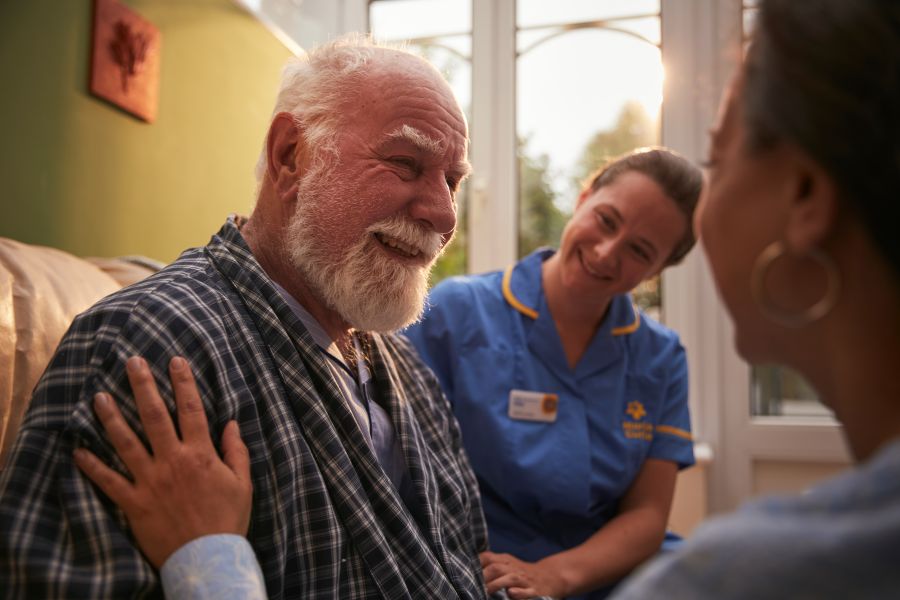
Put simply, end of life care is the support and medical care people receive in the time leading up to their death. But it’s about more than managing illness; it’s about making sure people are comfortable, cared for and supported.
Despite everyone being entitled to proper end of life care, it isn’t always easy to access, and, frustratingly, much of the responsibility can fall on loved ones. However, knowing what end of life care involves and how to request it can help people feel more prepared, less alone, and more confident about asking for the level of care they deserve.
With this in mind, we’ve partnered with Marie Curie, the UK’s leading end of life charity. Marie Curie offers care and support to anyone with an illness that they’re likely to die from and those close to them. Their nurses and healthcare professionals bring over 75 years of experience and leading research to the care they provide at home, in their hospices, in hospitals, and over the phone.
To help make sense of a tricky subject, here are 10 things everyone should know about end of life care.
Want to support Marie Curie’s work by leaving a gift in your will?
1. You can access end of life care services for free
If you’re feeling daunted by the potential costs of accessing end of life care, you might find it reassuring to know that, while some services, such as care homes, can cost money, others are free for people who are ordinarily UK residents. These include…
- end of life care in a hospital or hospice
- healthcare from your GP, hospice, district nurse, or community nurse
- Marie Curie’s Hospice Care at Home service, including Marie Curie Nurses
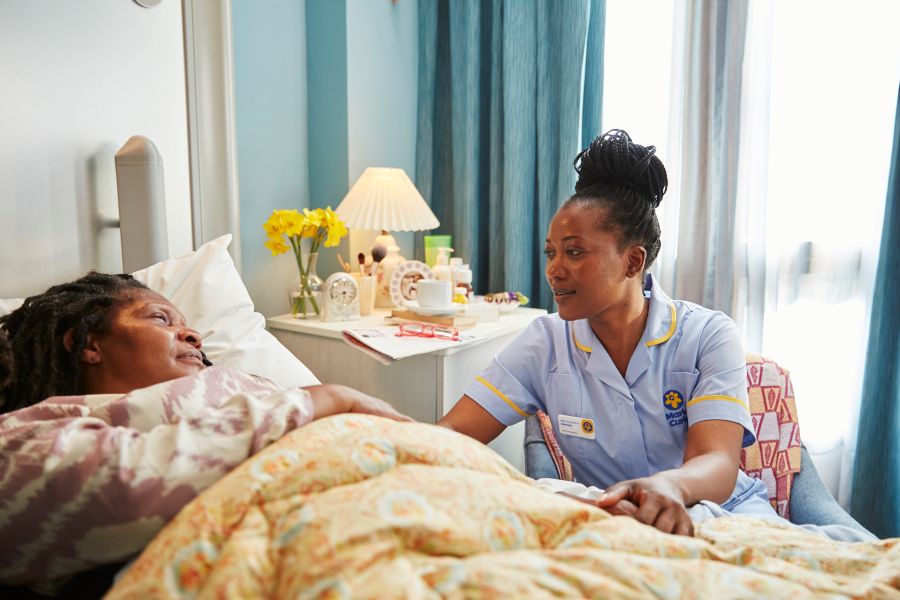
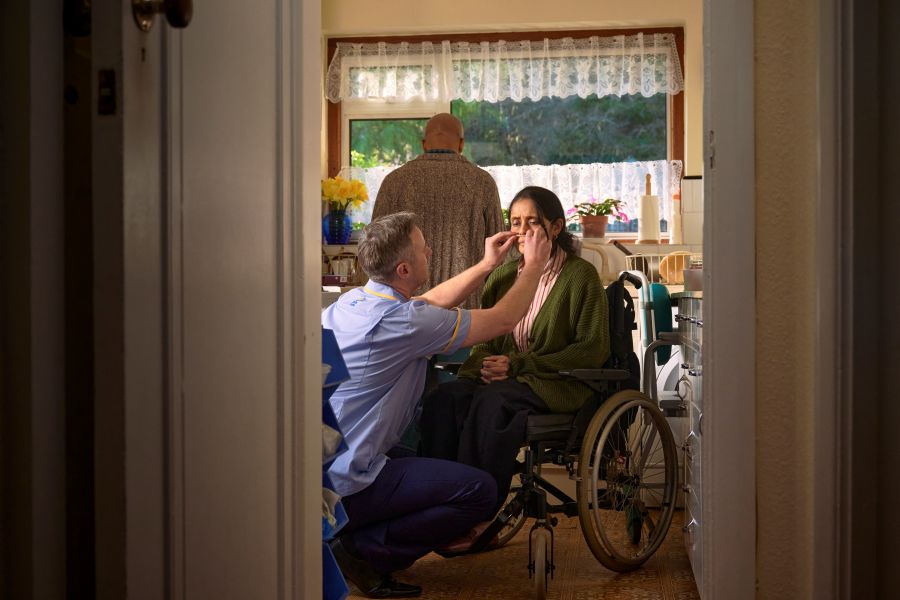
Marie Curie Hospice Care at Home services (including Marie Curie Nurses) provide expert, hands-on care to people with any terminal illness. This includes specialist nursing, personal care, emotional support, and bereavement support.
Marie Curie Nurses can also provide one-to-one nursing care and support overnight in a person’s home. In some areas, they even offer care for shorter periods of time at very short notice if people need it urgently.
2. End of life care is about more than physical support
End of life care is often associated with managing physical symptoms and helping people with everyday tasks, such as washing and dressing.
While these are important aspects of end of life care, a well-rounded plan goes beyond physical support, making sure people are as content and comfortable as possible in the time they have left.
For example, counsellors, especially those familiar with treating people with a terminal illness and their loved ones, can help people address fears or emotional distress, or even assist them with ending disagreements with others. Or perhaps the person dying would find it helpful to talk to someone from their religious community about spiritual matters, such as a priest, minister, rabbi, or imam. End of life care could also involve help with tasks like making a will or accessing financial support.
3. People have end of life care for different lengths of time
End of life care is for people who are thought to be in the last year of their life. However, because it can be challenging to know how long people will live, the reality is that different people will receive end of life care for different lengths of time. This may be days, weeks, months, or over a year.
Just because someone has/needs end of life care, this doesn’t necessarily mean that they will pass away very soon. If you’re unsure whether someone close to you should be receiving end of life care, it’s best to check with their healthcare professional.
4. End of life care is for friends and family, too
End of life care is designed to support not only the patient but also their family, friends, and caregivers, who may be struggling and need a break.
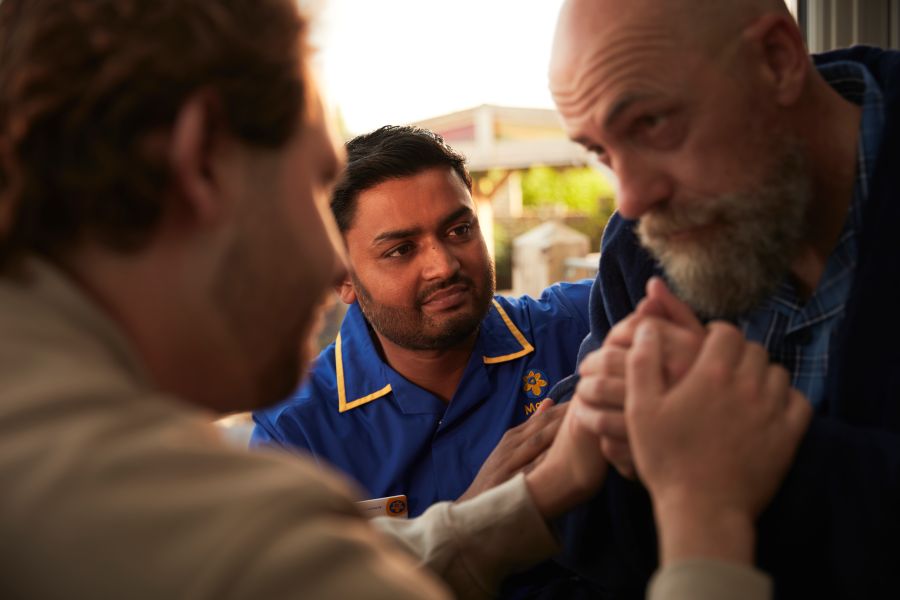
Beyond providing them with peace of mind that their loved one is getting the care they need, this may involve offering psychological and social support; helping them find out their loved one’s needs and wishes; or simply being a shoulder to lean on when things get tough. Marie Curie even offers continued bereavement support to help people after their loved one’s death.
If you care for your loved one, you may also be able to access extra support from a carers organisation or your local council.
5. End of life care and palliative care are different
You might hear the terms ‘palliative care’ and ‘end of life care’ used interchangeably at times. This is because there’s some overlap between the two. But if you or someone close to you needs either, it’s worth understanding the difference.
While end of life care involves treatment, care, and support for people in the final year of their life, palliative care is for those with any terminal illness, no matter the prognosis. Therefore, end of life care comes under the umbrella of palliative care, and people can have the latter for some time before they need the former.
6. End of life care happens in a range of settings
Depending on their needs, people can receive end of life care in…
- their home
- a care or nursing home
- hospital
- hospice
Unfortunately, it may not always be possible to give end of life care in the place a person requests, but their care team should try to follow their wishes wherever possible. The aim should always be to ensure comfort, pain management, and dignity.
7. A range of healthcare professionals may be involved in end of life care
Everyone’s end of life care is different, and aside from loved ones and unpaid caregivers, a range of health and social care professionals may be involved in delivering it. Who exactly will depend on the person’s individual needs and where they’re receiving it, but might include…
- their GP
- hospital doctors and nurses
- district or community nurses
- hospice staff
- social care staff
- counsellors
- religious workers
- physiotherapists
- complementary therapists
- occupational therapists
If the person is being cared for at home or in a care home, their GP normally has overall responsibility for their care, and they’ll typically be visited by community nurses. However, if they’re in a hospice or hospital, the in-house staff will be in charge of providing what they need.
8. Good communication is essential for high-quality end of life care
We know that talking about death can be challenging, especially with people we love. But good communication can make sure patients have the opportunity to express their wishes clearly and have these taken into account. This could include where they would like to receive care and how they want to spend their final months and weeks.
A patient’s end of life care team should give them plenty of opportunity to express their wishes. However, while these conversations can make it more likely that these wishes are followed, they aren’t legally binding. There may be situations when healthcare professionals go against what a person has asked for – i.e. if they can no longer be properly cared for in their home and need to move to a hospice or hospital. However, these decisions should be made with the patient’s best interests at heart.
The Marie Curie website has more advice on planning care on their website.
9. Everyone has the right to high-quality end of life care
Remember that everyone has the right to high-quality end of life care, so if you have concerns about how a health or social care professional has dealt with you or your loved one, you’re entitled to complain to the organisation they work for.
According to the law, every hospital, hospice, care home, or GP practice must have a complaints procedure that tells you how to submit a complaint.
And if you’re not content with how your complaint has been handled, you can take it further to authorities like your local council or the Parliamentary and Health Service Ombudsman. This article from the NHS has more information.
10. GPs, hospitals, and care homes can help you explore end of life care options
If you want to find out about end of life care for someone you love, who you speak to will depend on where they are living.
We know that GP appointments can be challenging to get, but if your loved one is at home, their GP is your best point of contact. They’ll be able to tell you about which services are available locally.
Alternatively, if your loved one is living in a care home, the staff there will be able to talk to you through what’s available, alongside your GP, as will their consultant or the nurse in charge if they’re currently in hospital or a hospice.
Final thoughts…
Whether it’s helping people manage pain, supporting their loved ones, or offering kind words when things get tough, end of life care can make all the difference for people in the final months, weeks, and days of their lives. But sadly, almost one in three people don’t get the end of life care and support they need.
That’s why it’s so important to support organisations like Marie Curie that are trying to make a difference. As a charity, gifts in wills account for more than a third of Marie Curie’s voluntary income. You can find out how to leave one in yours by requesting their free wills guide using the button below.
Please note: This article has been written in support of Marie Curie, not by Marie Curie. Therefore, Marie Curie accepts no liability arising from its use.
Sam McLoughlin is a Senior Lifestyle Writer at Rest Less. He joined the editorial team in 2021 after completing his Master’s degree in English Literature, Culture, and Theory at The University of Sussex. He enjoys writing about careers, books, sports, travel, and pretty much anything that his editor will let him have a crack at, but his favourite part of the job is interviewing inspiring people – from activists and CEOs to later life career changers. In his spare time, Sam enjoys climbing, snowsports, and going to see live music.
* Links with an * by them are affiliate links which help Rest Less stay free to use as they can result in a payment or benefit to us. You can read more on how we make money here.