Sponsored content
Death is an experience that every family faces – and yet, no two end of life journeys are the same. Each one offers a complex and personal blend of challenges, whether emotional, practical, financial, or otherwise.
But every person deserves a final chapter that’s as peaceful and comfortable as possible, and one that preserves their dignity. Thankfully, there are organisations dedicated to helping us achieve just that.
One of these is Marie Curie, the UK’s leading end of life charity. Marie Curie provides free palliative and end of life care, information, and support, all backed by 75 years of experience. They’re also at the forefront of improving end of life care more generally in the UK – from commissioning research to influencing policy.
However, while everyone in the UK is entitled to high-quality end of life care, sadly, almost one in three don’t get the support they need during this time. So organisations like Marie Curie need our support more than ever.
Below we talk to Jacqui and Alasdair, whose loved ones received end of life care from Marie Curie. They tell us about the important work Marie Curie does and why they chose to include a gift in their wills for the charity.
Want to support Marie Curie’s work by leaving a gift in your will?
Hubert and Jacqui’s story
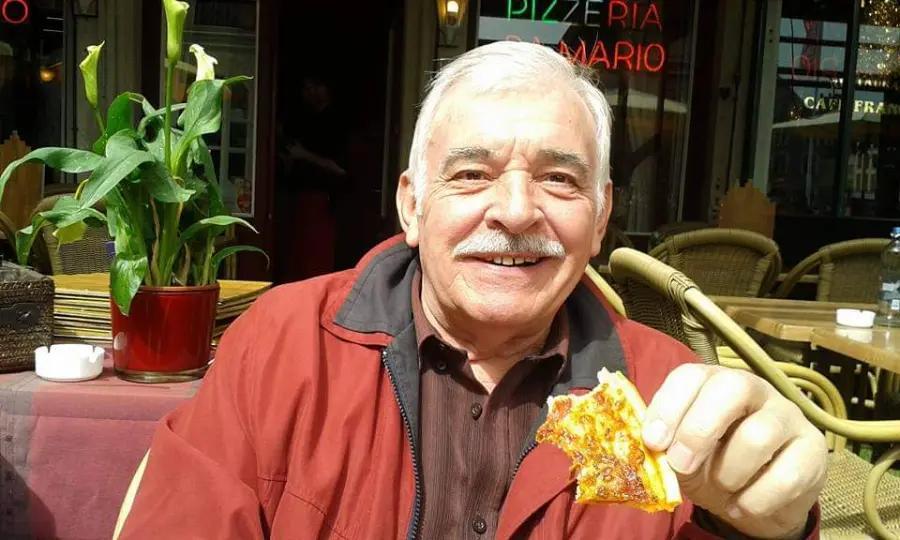
Hubert
Hubert from Belfast is one person who benefited from Marie Curie services towards the end of his life, specifically their hospice care.
After he was diagnosed with motor neurone disease, his family struggled with the lack of support and information available. So they rang Marie Curie, who invited Hubert to visit their hospice as a day patient.
“At first, he didn’t want to go in,” his daughter Jacqui says. “We left, and we were really worried about him, but when we came back, he was sitting up, and he was so relaxed. He’d had a lovely massage and been talking to somebody, maybe a counsellor, and he’d just had a lovely day. He seemed to be feeling a lot brighter.”
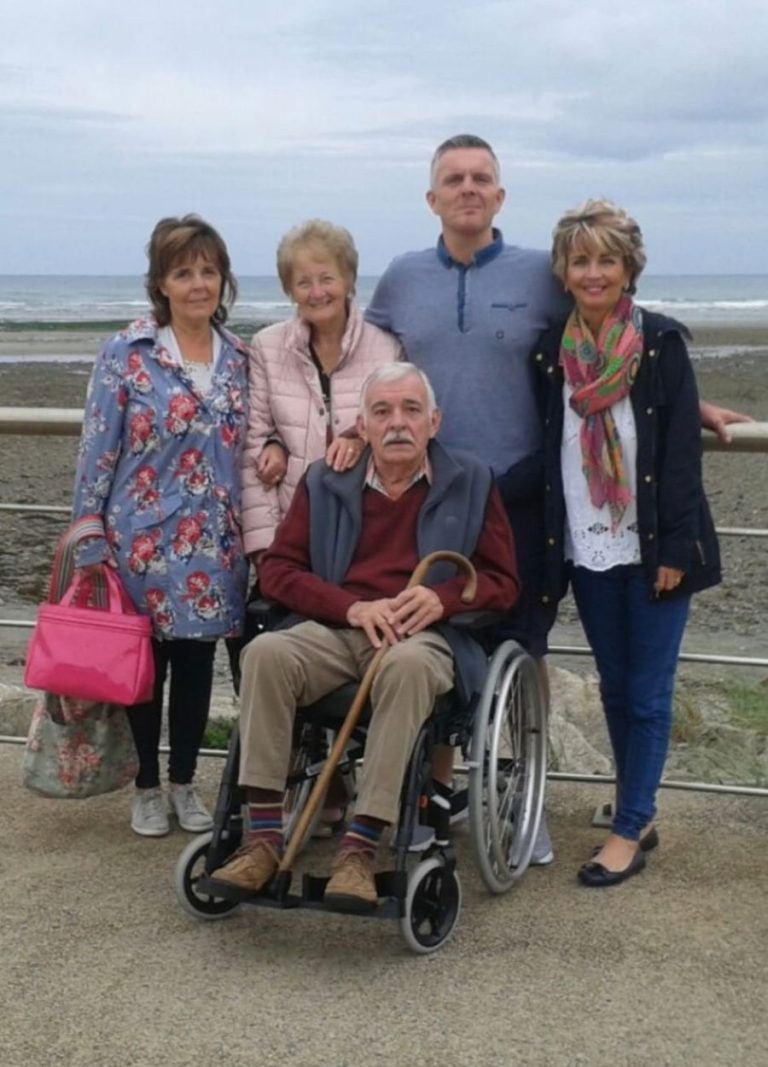
But unfortunately, visiting Marie Curie as a day patient wasn’t enough to meet Hubert’s needs. Jacqui explains, “He began to get really, very difficult to cope with at home. We tried to take him out, but he was now in a wheelchair, and that was hard to do because it was me or my sister pushing him, and it was very hard to push a grown man.”
One night, Jacqui and her sister were feeling especially overwhelmed, so they rushed to the Marie Curie hospice, where the staff sister was on duty. After explaining their situation, the staff sister said, “I can’t promise, because there are so many people needing to come into the hospice, but we’ll try to get him in, maybe for a wee bit of respite to give your mum and yourselves a wee break.” And within a week or so, Hubert was admitted to the hospice.
“I think he just felt so much more secure because they were able to deal with his needs”
Hubert, Jacqui, and family
For some people, the idea of a hospice can feel scary because they associate it with end of life and a loss of control, which can make the transition challenging. But the all-round care hospices provide – from nursing and medical treatment to spiritual and psychological support – can make a huge difference, as it did with Hubert.
According to Jacqui, Hubert was settled after about a week. “I think he just felt so much more secure because they were able to deal with his needs and put him on some medication to calm him down and help him sleep.”
“There was a lovely garden outside his room, which meant if the weather was nice, he could sit outside,” Jacqui continues. “It was just so different from being at home. Even toileting and stuff, because I mean, we have stairs in the house, and you’re having to use a commode and stuff, and that’s just not what anybody wants, but certainly not in terms of dignity.”
Initially, Hubert’s time at Marie Curie’s Belfast hospice was meant to be temporary, but sadly, as his health deteriorated, he stayed, and after 14 weeks, he died there. “It was very sudden at the end. Which, you know, when you look back, was a good thing,” Jacqui says.
“My dad got so much help from Marie Curie that it’s nice to share with other people just how wonderful they are, really. And also, it’s good to let people know about my dad. It’s nice to think about him and his memory.”
Jacqui says she has lots of memorable stories about her father’s time at the Marie Curie hospice, all of them involving the diligent and empathetic care the staff provided.
“My dad enjoyed all the attention from the lovely nurses, and they were all so kind,” she says. “There was one young nurse in particular, and when we arrived one day, he told us that he was engaged to this nurse. She joined in the fun. I saw Mummy laughing, and it was quite funny.”
Steffi and Alasdair’s story
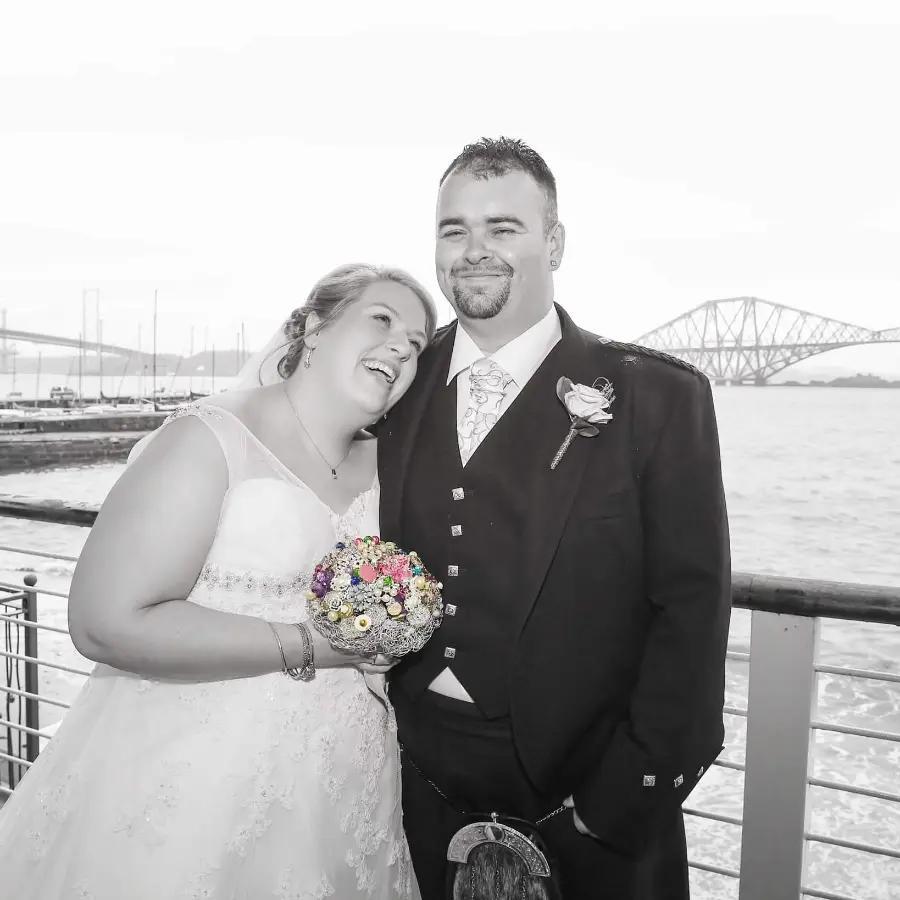
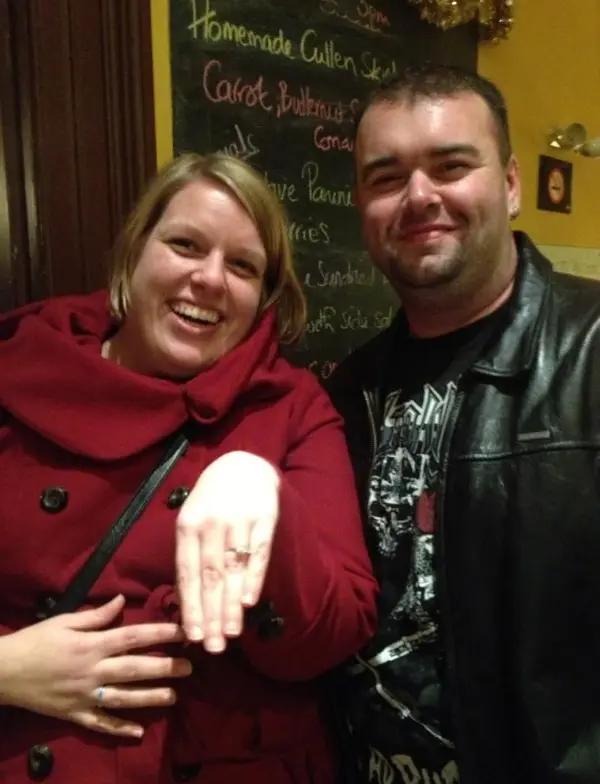
Steffi and Alasdair
As well as traditional hospice care, Marie Curie also offers their Hospice Care at Home service. This is where Marie Curie Nurses, Healthcare Assistants, and other healthcare professionals provide clinical care and emotional support in the comfort of a patient’s home, day or night. Alasdair and his wife, Steffi, accessed this service after Steffi was diagnosed with a brain tumour in March 2022.
“That’s where Marie Curie stepped in to give us the best palliative care possible,” Alasdair explains. “I think the lady’s name was Elaine. She was quite a senior nurse and very switched on. She understood what we were needing for me to care for Steffi when we got her home.”
Alasdair and Steffi received support from Marie Curie every two or three nights, giving Alasdair some important respite so that he could sleep between caring for Steffi.
“I couldn’t fault them,” Alasdair says. “They didn’t know us from Adam, but with each nurse that came, I just gave them a little breakdown of the story so they understood the situation. [The nurses] come in blind to those situations, so I would break it down so they knew the situation, and a couple of [them] actually said, ‘Thank you very much for sharing that.’”
“I couldn't fault them”
In some areas, Marie Curie also offers an Urgent Hospice Care at Home service. This means they can provide fast, responsive care to offer immediate relief, so you don’t have to wait for your next scheduled visit and can avoid the anxiety of a hospital visit. “There were a couple [of] occasions in the five weeks that Steffi was home that [the] night team had to come out and make sure that she was OK,” Alasdair says.
While proper end of life care involves trying to follow a person’s wishes about where they’d like to spend their final days, weeks, or months, sometimes that isn’t possible. For example, some people might not be able to receive the care they need at home and may need to move to a hospice or hospital. Sadly, this was true for Steffi in the last week of her life.
Alasdair explains, “That Sunday night/Monday morning, she was definitely on her way. With the GP’s backing, I spoke to Steffi before everything was going to go forward. And I said to her, ‘I’m sorry, darling, I can’t look after you anymore.’ She was needing pain relief constantly, and I would have seriously maybe collapsed or something like that.”
After being admitted to Kirkcaldy Hospice, Steffi sadly died nine days later. “I accepted Steffi was dying. But at the same time, to lose my partner like that is something that I just never thought would happen to me,” Alasdair says.
“I made a vow before Steffi passed away, and this is what’s kind of helped me get myself back to where I am. When we got married, we made a trip list with each other, places to go around the world. Unfortunately, instead of taking the best holiday ever, we were like, ‘Let’s get a house instead.’ I made a vow to her that I’ll do the trip list in her name. So, I went to Central Park in New York and scattered her ashes there. I took pictures so I remembered where to go when I return. I scattered her ashes over Niagara Falls. She’s also scattered on Calton Hill.”
Leaving a legacy
Both Jacqui and Alasdair have left a gift in their wills for Marie Curie, to thank them for the care their loved ones received.
“I chose to leave a gift in my will just because of how generous Marie Curie were to me,” Alasdair says. “My parents brought me up to always say thank you to people [who] are kind to you. And I suppose you could say that this is a way of saying thank you for the kindness.” Jacqui echoes Alasdair’s sentiment, describing it as “the least I could do.”
“Everybody in the hospice, from the people [who] come in, who volunteer with bringing around the tea, right up to the consultant, they’re all just wonderful,” Jacqui explains. “Even the chef would have done his best for Daddy, would have said, ‘I know you’ve got the tube, but could I make you some nice soup?’ They couldn’t have done enough.”
As a charity, gifts in wills account for more than a third of Marie Curie’s voluntary income, and leaving one in yours could help others get the care they deserve when they need it most. To find out more, visit their website using the button below and get your free wills guide. Inside, you’ll find a will-writing checklist, as well as information about Marie Curie’s free will-writing services.