- Home
- Career Advice
- Career Change Advice
- How to become a celebrant
How does Rest Less make money
We make money through advertising and commission from affiliate links, which enable us to offer Rest Less as a free service to our users. The content on this page may use affiliate links, which track traffic from our website to a third party provider and enable us to receive a commission or payment from any traffic we refer.
* Affiliate links on this page have an * next to them. We place enormous importance on our editorial independence and the integrity of our content which means that we will never change how we write about something as a result of an affiliate link.
Sponsored content
If you’re considering a career change later in life, becoming a celebrant could be a great option. It draws on the life experience, empathy, and communication skills many of us build up over the years – and it’s flexible, meaningful work that you can often do part-time or fit around other commitments.
We’ve partnered with Celebrant Coaching and Training Academy to explore what being a celebrant is all about and whether it’s right for you. The academy was founded by Dinah Liversidge, who has spent nearly 30 years helping people build confidence, develop skills, and achieve things they never thought possible.
Today, Dinah combines that experience with her work as a celebrant to help aspiring celebrants build meaningful and rewarding careers. She’s trained and mentored hundreds of celebrants through award-winning programmes that combine practical skills, business knowledge and ongoing support.
Keep reading to find out more. You can also find out more about training with Dinah and contact her using the button below.
What do celebrants do?
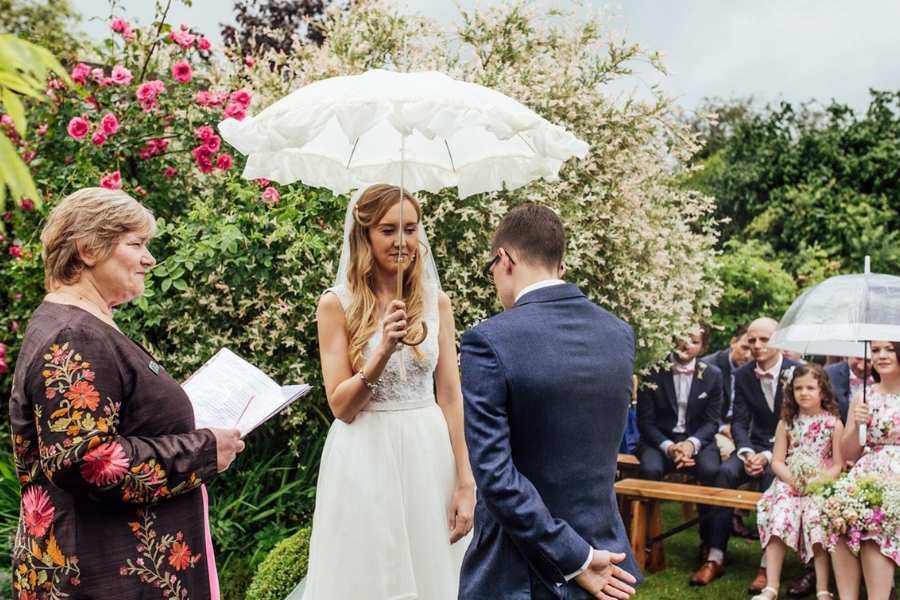
A celebrant is someone who creates and leads personal ceremonies, including weddings, funerals, baby namings, and vow renewals. Being a celebrant is all about working with people – building rapport with them, telling their stories, and honouring their wishes.
On a typical day, the work could involve…
- Sitting down with couples and families to shape bespoke ceremonies based around what they actually want.
- Giving practical guidance on venues, music choices, and how the timings should flow.
- Supporting clients as they put together personal vows, tributes, or readings.
- Running through a rehearsal ahead of the big day.
- Standing up and leading the ceremony itself, whether it be a funeral or a wedding.
- Talking clients through legal requirements – in England and Wales, a celebrant-led ceremony isn’t legally binding on its own, so couples will need a separate registry office appointment to make it official. In Scotland, humanist celebrants can conduct ceremonies that are legally recognised on the day.
- Working alongside funeral planners, undertakers, wedding/event planners, and venues to ensure the ceremony goes to plan and the couple’s or family’s wishes are honoured.
- Promoting your own business to keep new clients coming in.
Most celebrants work on a self-employed basis, taking on as many or as few ceremonies as suits them – many build it around other commitments. Most wedding ceremonies and vow renewals take place at weekends, while funerals and life celebrations tend to be on weekdays.
Celebrants usually work on a self-employed basis, with training offered through organisations such as the Celebrant Coaching and Training Academy.
What skills do I need to become a celebrant?
You don’t need any previous experience or qualifications to become a celebrant, and the industry is currently unregulated. However, most celebrants undergo training to increase their credibility.
The right person for the role will also tend to have the following skills…
- Active listening – to create a bespoke ceremony for people, you’ll need to listen carefully to their wishes, including small details they might mention in passing.
- Ability to hold space for others – clients will often share painful or deeply personal moments with you, like grief or family difficulties, and you’ll need to be calm, present, and supportive.
- Strong writing skills – you’ll be turning someone else’s memories and relationships into highly personalised ceremonial scripts.
- Confidence speaking to a group of strangers – you’ll be leading ceremonies in front of guests you’ve never met, so you’ll need to project warmth, clarity, and composure, even when all eyes are on you.
- Organisational skills – you’ll often be running several ceremonies at once, each with its own paperwork, suppliers, and rehearsal schedule, so nothing can afford to slip through the cracks.
- Calmness under pressure – things can go wrong on the day, a late guest, bad weather, a forgotten ring, and you’ll need to handle it smoothly so the couple or family never feel the stress.
- Compassion/empathy – you’ll be supporting people through some of their most significant life moments, whether joyful or difficult, so they’ll need to feel genuinely understood, not just managed.
Couples, families, and funeral arrangers often actively prefer a celebrant with evident life experience. Gravitas, emotional intelligence, and the ability to hold difficult conversations without flinching are things that come with living, so try to lean into that rather than apologising for your age.
What will I love about being a celebrant?
- Working with clients and hearing their amazing stories.
- The chance to get creative, as no two families or couples are the same, and their personalised ceremonies will usually be designed to reflect that.
- Meeting and working alongside other professionals who care about the work they do.
- Supporting people at their best and worst moments, and making a positive impact in their lives.
- Flexible hours – you can choose how many clients to work with at a time, and how many days a week/month you want to work.
- The satisfaction that comes with helping people mark important events in their lives.
What are the challenges of being a celebrant?
- The work can feel heavy emotionally – particularly the funeral work. It’s essential to put measures in place to support your own mental wellness.
- Many of the clients you work with will be under pressure – including the ones getting married – and it can require you to be available to support and reassure them at unsociable hours.
- Many of the wedding ceremonies are on weekends
- Marketing – it can feel challenging to promote yourself, and you’ll need to get comfortable with social media and face-to-face networking.
How much will I earn as a celebrant?
Celebrants are typically paid per ceremony rather than by the hour, which means the pay doesn’t always reflect the time that goes into it. A funeral celebrant, for example, might earn around £250–£300 per service, covering anywhere from 6-10 hours of work once you factor in meetings, writing, rehearsal, and the ceremony itself. On the other hand, a wedding celebrant usually charges between £600 and £900 for a ceremony, depending on what’s included.
That said, most celebrants will tell you the draw isn’t primarily financial. It’s the chance to be genuinely useful to people at the moments that matter most – and for many, that makes it worth it.
Are there opportunities to progress?
How do I get started as a celebrant?
You don’t need formal qualifications to become a celebrant, but it can help you feel more confident and provide a better service, resulting in more recommendations and future work. Here’s where to begin.
Do your research first
You don’t need formal qualifications to become a celebrant, but it can help you feel more confident and provide a better service, resulting in more recommendations and future work. Here’s where to begin.
Pick the right training for you
Look for programmes with NOCN endorsement or CPD accreditation, and check what’s actually included after you qualify. If you’re still working or have other commitments, a self-paced or one-to-one option will suit you better than a group course.
Back yourself
At 50+, you’re likely bringing skills that younger celebrants spend years trying to develop — empathy, emotional intelligence, the ability to handle difficult conversations. Whether your background is healthcare, teaching, HR, or hospitality, those experiences are relevant and worth putting in your bio when promoting your services.
Start simple online
You don’t need to be everywhere at once. A well-written website with a genuine photo and your own voice will do more for you than a polished but impersonal one. Don’t be afraid to tell your life story – the careers you’ve had, the losses or weddings you’ve experienced, and what brought you to this work. LinkedIn works particularly well for mature professionals looking to promote their celebrant services.
Be realistic about the finances
Funeral celebrancy tends to offer a steadier, more regular income than weddings and is less seasonal. Many celebrants start part-time alongside existing work, which takes the pressure off while you build experience and confidence.
Plus, if you have a pension, savings, or a partner’s income providing a partial safety net, your risk level is lower than you may think. It’s a good idea to build a realistic 12-month projection — how many ceremonies per month do you need to cover your costs?
Be honest about the emotional side
Hear from Joe, 60, on his experience with Celebrant Coaching and Training Academy
Final thoughts…
Becoming a celebrant isn’t for everyone; it asks a lot of you emotionally, and it takes time to build a client base. But for the right person, it’s hugely rewarding and meaningful.
You can find out more about training with Dinah and the Celebrant Coaching and Training Academy using the button below.
Elise Christian is Lifestyle Editor at Rest Less. She joined Rest Less in 2018 after achieving a first class Master’s Degree in Journalism from the University of Kent, and writes across a range of lifestyle topics such as mental health, home and garden, and fashion and beauty. Prior to this, she worked as a freelance writer for small businesses and also spent a year training to be a midwife. Elise spends her spare time going to the gym, reading trashy romance novels, and hanging out with loved ones. She also loves animals, and has a fascination with sharks and tornadoes.
* Links with an * by them are affiliate links which help Rest Less stay free to use as they can result in a payment or benefit to us. You can read more on how we make money here.