

- Home
- Career Advice
- Career Change Advice
- How to become a butcher
How does Rest Less make money
We make money through advertising and commission from affiliate links, which enable us to offer Rest Less as a free service to our users. The content on this page may use affiliate links, which track traffic from our website to a third party provider and enable us to receive a commission or payment from any traffic we refer.
* Affiliate links on this page have an * next to them. We place enormous importance on our editorial independence and the integrity of our content which means that we will never change how we write about something as a result of an affiliate link.
Home > Career Advice > Career Change Advice > How to Become a Butcher
Becoming a butcher could be easier than you think, as you can often train on the job, and don’t need any specific skills or experience to get started – just a can-do attitude.
If you think you could make the cut, keep reading to find out more, including earning potential and progression opportunities.
Contents
- What do butchers do?
- What skills do I need to get started as a butcher?
- What will I love about becoming a butcher?
- What are the challenges of becoming a butcher?
- How much will I earn as a butcher?
- Are there opportunities to progress as a butcher?
- How do I get started as a butcher?
- Professional and industry bodies
What do butchers do?
Butchers are professionals who prepare different types of meat to sell to customers, from tying a roast to smoking and curing meat and making sausages. They also work with large cuts of meat (sometimes even a whole animal), cutting it into saleable portions. While this might sound simple, a lot of skill and knowledge can go into producing the perfect cut.
They call on knowledge of animal physiology and cooking, and will often provide tips and advice for customers on how best to enjoy their meat of choice – from seasoning to cooking times, through to suggesting accompaniments.
This additional level of customer service is one of the main reasons why some people prefer buying at a butcher’s instead of buying prepackaged meat.
What skills do I need to get started as a butcher?
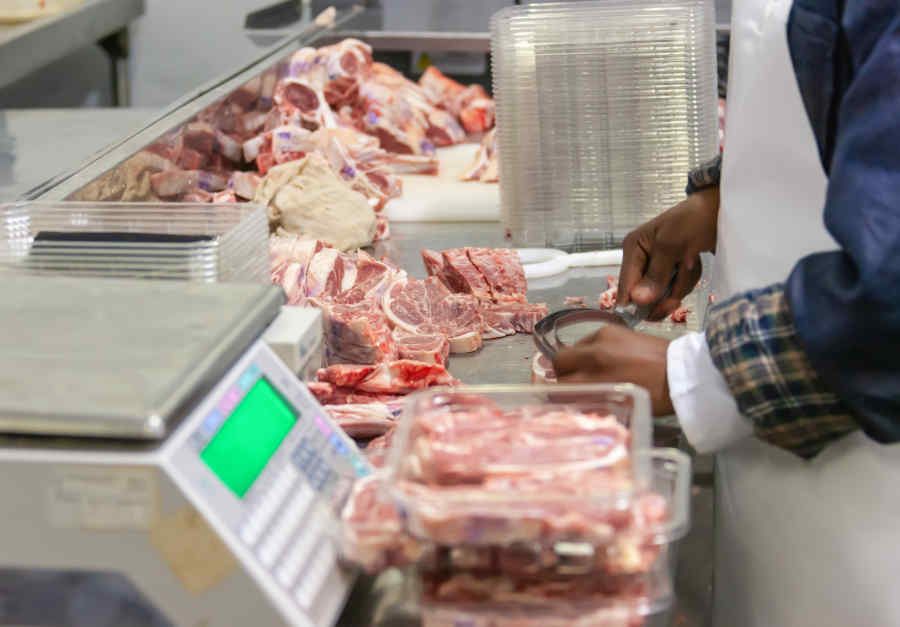
The right person will…
- Not be squeamish or afraid of getting hands-on with raw meat.
- Have good hand-eye coordination, as you’ll be working with a lot of very sharp knives and tools.
- Have a passion for great food (and it can help if you have a passion for cooking)
- Want to provide great quality customer service.
- Have great attention to detail – cutting meat can be a fiddly process, and you’ll need to know exactly where to make cuts in the meat and which unwanted pieces (like bones) to remove.
- Reasonable maths skills for weighing and pricing meat. You may also need to help customers work out how much meat they need for the number of people they’re planning to cook for, or for calculating how long to cook a specific cut of meat for, based on its size.
What will I love about becoming a butcher?
- Building relationships with customers who will trust you to provide them with a quality product, and potentially give advice on how to cook it.
- Some customers may be hosting Christmas dinner or other important occasions where the meat is the centrepiece of the meal, and your service could contribute towards the event running smoothly.
- Getting hands-on. If you’re someone who doesn’t fancy a 9-5 desk job and would enjoy learning some practical skills, this could be an ideal role for you.
What are the challenges of becoming a butcher?
- The job can be very physical, and conditions aren’t always comfortable. You’ll be on your feet all day and could be required to move and cut heavy pieces of meat.
- It’s also very likely that you’ll work with frozen produce at times, moving in and out of cold rooms (walk-in fridges), so it’s probably not a role for you if you don’t like the cold.
How much will I earn as a butcher?
As a butcher, you could earn, on average, between £18,000 and £26,000 depending on experience.
Are there opportunities to progress as a butcher?
Once you’ve gained sufficient experience as a Butcher, there are several areas you might decide to move into, including…
- managerial or supervisory roles
- checking the quality and standard of meat in abattoirs and meat plants as part of the Food Standards Agency
- manufacturing and wholesaling
- catering
How do I get started as a butcher?
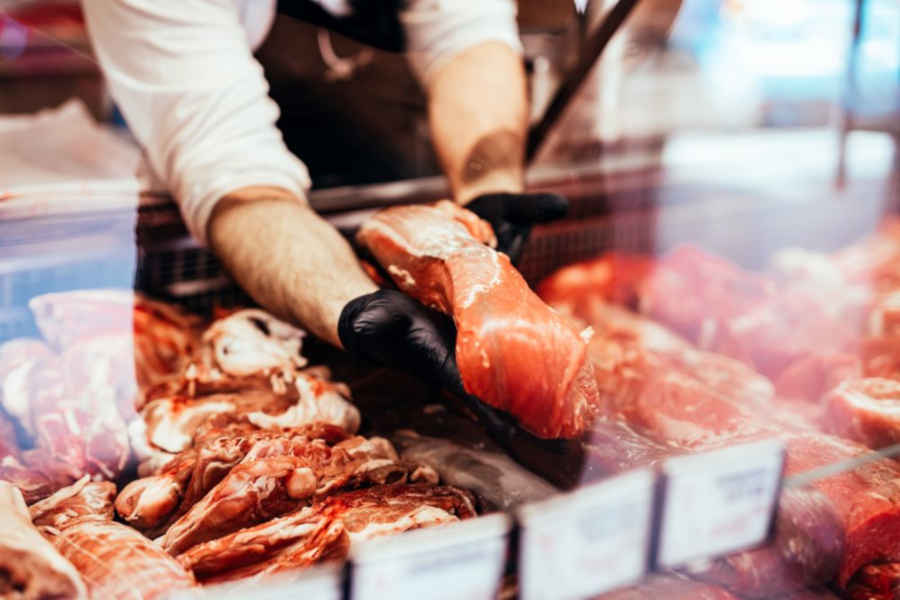
Apply for a job as a trainee
There isn’t a set route to becoming a butcher, but you can usually apply for a job as a trainee. Many employers will take on individuals with little or no experience as long as they have a can-do attitude and a desire to provide great-quality customer service.
If you’re looking for somewhere to start, Booker Group are a leading market wholesaler who is working with Rest Less to recruit skilled butchers of all ages. They also take on butchery trainees in specific areas, where they provide all necessary training on the job.
Below, you can hear first-hand from butchery manager Jamie on what it’s like to work for Booker Group.
Video provided by Rest Less client, Booker Group.
Apply for an apprenticeship
An apprenticeship is another common route into butchery, as it lets you earn while you learn on the job. A Level 2 Butcher Apprenticeship typically takes around 15 months and covers the core skills of cutting, preparing, and presenting meat.
If you want to progress into a more senior role, a Level 3 Advanced Butcher Apprenticeship takes around 18 months and builds in supervisory and management skills. You can search for current opportunities on the government website.
Take a college course
If you want to increase your chances of getting hired as a trainee or accepted onto an apprenticeship, a good starting point is a Level 2 Certificate for Proficiency in Meat and Poultry Industry Skills, which is offered at some further education colleges across the UK.
This will give you a grounding in food safety, meat preparation, and industry standards. It’s worth searching your local college’s website or checking the UCAS course finder to see what’s available near you, as provision varies by region.
Professional and industry bodies
When you’re starting in butchery, it’s worth getting familiar with the professional bodies in the industry.
- The Institute of Meat (IoM) is the main one to know – it supports people at all stages of their career and is a good place to find resources and training as you progress.
- National Craft Butchers is another useful organisation, offering development opportunities and a connection to the wider butchery community.
- Further down the line, the Q Guild of Butchers is considered a mark of excellence among independent butchers and something to aspire to as you build your skills and reputation. Keeping an eye on these organisations from the start can help you understand the industry and signal to employers that you’re serious about the craft.
Have you recently changed careers? Or are you looking to do something different? We’d love to hear from you in the comments below.
Elise Christian is Lifestyle Editor at Rest Less. She joined Rest Less in 2018 after achieving a first class Master’s Degree in Journalism from the University of Kent, and writes across a range of lifestyle topics such as mental health, home and garden, and fashion and beauty. Prior to this, she worked as a freelance writer for small businesses and also spent a year training to be a midwife. Elise spends her spare time going to the gym, reading trashy romance novels, and hanging out with loved ones. She also loves animals, and has a fascination with sharks and tornadoes.
* Links with an * by them are affiliate links which help Rest Less stay free to use as they can result in a payment or benefit to us. You can read more on how we make money here.
Get your free no-obligation pension consultation
If you’re considering getting professional financial advice, Fidelius is offering Rest Less members a free pension consultation. It’s a chance to have a Chartered independent financial adviser give an unbiased assessment of your retirement savings. Fidelius is rated 4.7/5 from over 2,600 reviews on VouchedFor.
Your pension review is free and with no obligation, but if your adviser feels you’d benefit from paid financial advice, they’ll explain how that works and the charges involved. Capital at risk.
Join the discussion
Read our full commenting terms and guidelines