
- Home
- Health
- Healthy Body
- A GP’s month-by-month guide to hay fever symptoms
How does Rest Less make money
We make money through advertising and commission from affiliate links, which enable us to offer Rest Less as a free service to our users. The content on this page may use affiliate links, which track traffic from our website to a third party provider and enable us to receive a commission or payment from any traffic we refer.
* Affiliate links on this page have an * next to them. We place enormous importance on our editorial independence and the integrity of our content which means that we will never change how we write about something as a result of an affiliate link.
Hay fever can be difficult to manage, particularly when everyone around you seems to be enjoying time outside. And, with new research showing that hay fever season is beginning earlier and lasting longer in the UK, you might be looking for ways to keep on top of symptoms.
As well as taking steps to ease symptoms when they arrive, experts say it’s possible to plan ahead to reduce their impact on daily life.
With this in mind, we’ll hear from Dr Donald Grant, GP and Senior Clinical Advisor at The Independent Pharmacy, as he offers a month-by-month guide to how Brits can protect themselves throughout the year.
Dr Grant says, “Hay fever can significantly impact daily life, but understanding when pollen levels are at their highest can make symptoms much easier to manage. While many people associate hay fever with the summer months, different types of pollen peak at different times of the year. Luckily, there are things you can do.”
Note: Hay fever season varies across the UK. If you live in the south, you’ll likely experience the onset of hay fever symptoms earlier than you would if you lived in the north. Other factors, such as living by the sea, can also result in lower pollen levels.
Alongside this guide, Dr Grant also recommends keeping a daily journal of symptoms to help you spot patterns and prepare for high allergy periods in the future.
A GP’s month-by-month guide to hay fever symptoms
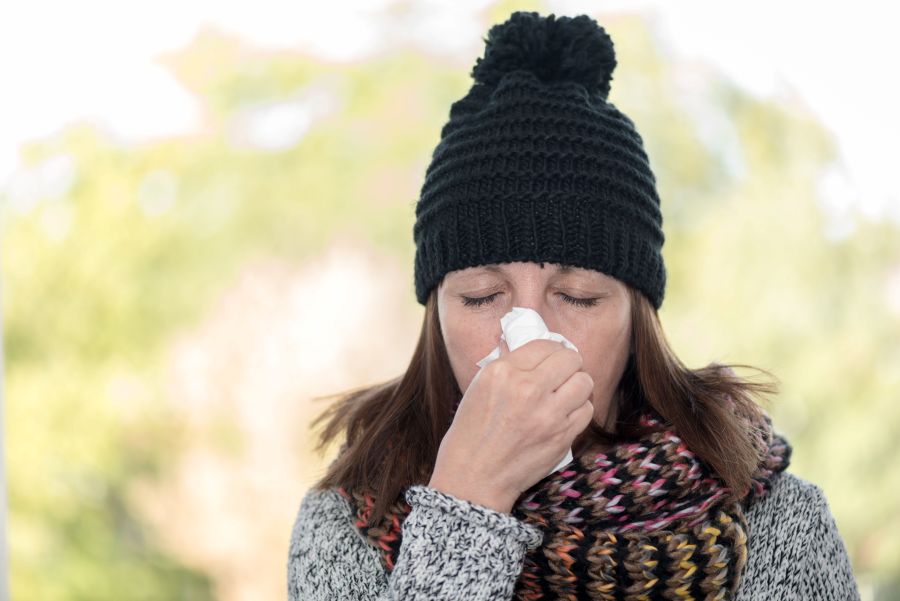
Early year (January to March)
Hay fever might not be on your mind when it’s cold outside and warm summer days seem a distant memory. But, for some people, hay fever symptoms can appear as early as January. The start of the year can also be a great time to plan for the year ahead.
January
While January is cold, and there may even be snow on the ground, it’s during this time that many plants start coming back to life. So experts say that early tree pollens from alder, hazel, and yew may already be circulating, particularly in warmer UK areas.
Dr Donald Grant says, “To prepare for hay fever in January, I recommend monitoring pollen forecasts for any predicted increases, considering starting antihistamines early, and fitting your vacuum cleaner with a HEPA filter and using it regularly to reduce indoor allergens.”
That said, pollen levels are still low. Unless you suffer badly from hay fever in peak season, you may not notice any symptoms.
February
During February, tree pollen becomes more noticeable as many trees start forming early leaf buds. As a result, sneezing, itchy eyes, and mild congestion aren’t uncommon if you’re sensitive to tree pollen.
Dr Donald Grant says, “At this time of year, I advise Brits to keep windows closed on dry days, as this limits exposure to pollen. It’s also helpful to shower after being outside, particularly if you’re sensitive to pollen, as it removes it from the skin and hair.
“A hayfever hack that can prove useful is using a barrier balm, like Vaseline. I recommend applying this on the base of the nose, as it can catch pollen before it enters the system and help to alleviate symptoms of hay fever.”
March
While the arrival of spring offers a welcome change for many, new leaves on trees also signal a sharp rise in pollen levels. Research suggests that around one quarter of hay fever sufferers are particularly sensitive to this type of pollen.
Dr Donald Grant says, “For those affected, symptoms such as sneezing, congestion and itchy eyes can appear suddenly and feel especially intense at this time of year.”
“If you haven’t already, I’d advise starting a daily antihistamine as early as possible to stay on top of symptoms, even before symptoms become severe. Using a nasal spray can also help to reduce congestion and inflammation, and carrying eye drops can provide quick relief from itchy or watery eyes when you’re out and about.”
Peak season (April to July)
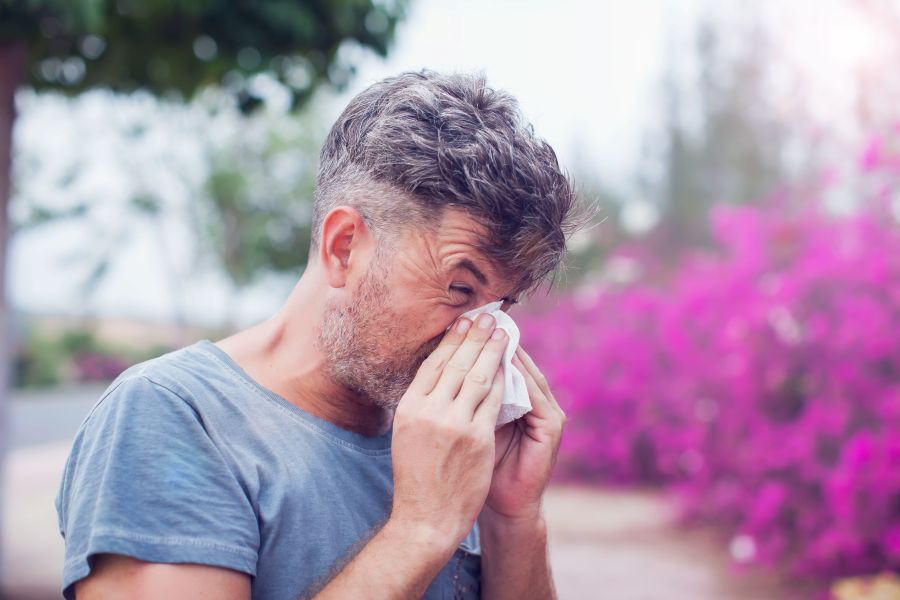
Spring and early summer are typically when hay fever season ramps up, with both tree and grass pollen levels at their highest, marking the peak for most people. At this time of year, many people need to take proactive steps to manage their symptoms.
April
Although hazel pollen levels begin to drop in April, they’re replaced by pine, birch, ash, and willow, which all peak.
Dr Donald Grant says, “For people who are particularly sensitive to tree pollen, April can be the time of year when symptoms are at their most severe. To help manage symptoms, I recommend taking antihistamines daily during peak pollen periods and using a nasal spray to reduce inflammation in the airways. It’s also sensible to limit time outdoors on high-pollen days whenever possible.”
May
According to experts, May can sometimes offer some respite, as tree pollen levels begin to drop. However, it’s also when grass pollen begins to rise.
Dr Donald Grant explains, “If you’ve not had symptoms until now, you’re most likely sensitive to grass pollen. At this stage of the season, preparation is key. I’d advise tracking daily pollen forecasts so you can plan activities more carefully and wear wraparound sunglasses to reduce pollen from entering your eyes.”
June
For many people, June is the most challenging month as grass pollen levels are at their highest.
Dr Donald Grant says, “For many hay fever sufferers, June is often the most challenging month of the season. Grass pollen reaches its peak at this time, and as the most common allergen, it affects around 90% of people with hay fever.
“If your symptoms become more severe, it may be worth considering a stronger antihistamine, alongside other preventive measures. Using pollen filters in the car or at home can help to keep the air cleaner. Be mindful of exercising outdoors and shower afterwards to remove pollen from skin and hair.”
July
Grass pollen levels begin to drop during July, but weed pollen begins to rise. According to experts, it can be a particularly difficult month for those who are allergic to both.
Dr Donald Grant says, “By July, grass pollen levels typically begin to fall, but for many people, this doesn’t mean symptoms disappear altogether. Weed pollens, such as those from nettle and dock, begin to rise during this period. People who are sensitive to both grass and weed pollen may continue to experience significant symptoms.
“It’s important to continue managing symptoms consistently, including taking antihistamines daily. If you’re travelling, checking pollen levels at your destination can help you prepare. It’s also sensible to pack essentials, such as antihistamines and eye drops, in case of flare-ups.”
Late season (August to October)
For many people, hay fever symptoms start to wind down as summer comes to an end. However, other factors can still trigger symptoms.
August
While grass pollen drops during August, other types of pollen begin to take over, often reaching their highest levels. Experts say symptoms may be milder for those living in cities with fewer green spaces, while countryside environments may trigger a couple more months of feeling under the weather.
Dr Donald Grant says, “Weed pollen from plants like nettle and mugwort peak during this month. And fungal spores from mould and mildew begin to rise too, especially in damp or humid conditions.
“To help manage symptoms in late summer, I’d recommend keeping windows closed during the early morning and evening when pollen levels are typically highest, and wearing sunglasses outdoors to reduce eye irritation from airborne allergens.
September
With symptoms easing for many people during September, it’s a good time to prepare for seasonal changes.
Dr Donald Grant says, “By September, respite is in sight, most pollen has dropped, though some weed pollens will linger, especially in milder weather.
“As symptoms ease, you can gradually reduce antihistamine use, while watching closely for any reactions. Good air quality remains important indoors, so consider using an air purifier and being mindful of dust mites during this time of year.”
October
Pollen levels are minimal during October, but other allergens can become more problematic.
Dr Donald Grant explains, “In October, pollen levels are minimal, but indoor allergens like pet hair, dust, and mould become more noticeable, particularly as many people start turning their heating on.
“October is a good time to reflect on what worked well in managing symptoms throughout the hay fever season, so you’re better prepared next year. Deep cleaning indoor spaces, especially carpets, can help to reduce exposure to dust mites and mould. Allergy-friendly bedding can also be helpful for the winter months.”
Winter months (November to December)

For many people, hay fever symptoms start to wind down as summer comes to an end. However, other factors can still trigger symptoms.
November
With colder weather keeping more of us indoors and putting the heating on, dust and mould can become common triggers for those who are sensitive to them.
Dr Donald Grant says, “Managing indoor allergens becomes particularly important as we spend more time inside. Turning on the heating can also stir up allergens trapped in carpets and furnishings.
“Using a vacuum cleaner with a HEPA filter can help trap dust and pet hair more effectively, and investing in a dehumidifier can help to reduce moisture and prevent mould growth in damp areas of the home.”
December
Though far less likely, it’s still possible to experience hay fever symptoms in December.
Dr Donald Grant explains, “Even in December, if the weather is mild, you might get tree pollen in certain areas. You may be more focused on the festive season, but indoor heating, scented candles, and even Christmas trees can cause symptoms to flare up.
“Ensure you have an adequate supply of medication for January, while washing bedding regularly to reduce the risk of dust mites. An air purifier is also useful for reducing indoor allergens.”
For further reading, head over to our health news section.
Francesca Williams is a senior lifestyle writer at Rest Less. She joined Rest Less in early 2021 after achieving a first-class degree in History at the University of Sheffield and qualifying as an NCTJ Gold Standard Journalist. Francesca is a qualified Level 3 Personal Trainer and writes across a range of lifestyle topics, specialising in health. In her spare time, Francesca likes to keep herself busy going to the gym, dancing, spending time with friends and family, and getting involved with her local church.
* Links with an * by them are affiliate links which help Rest Less stay free to use as they can result in a payment or benefit to us. You can read more on how we make money here.
Join the discussion
Read our full commenting terms and guidelines