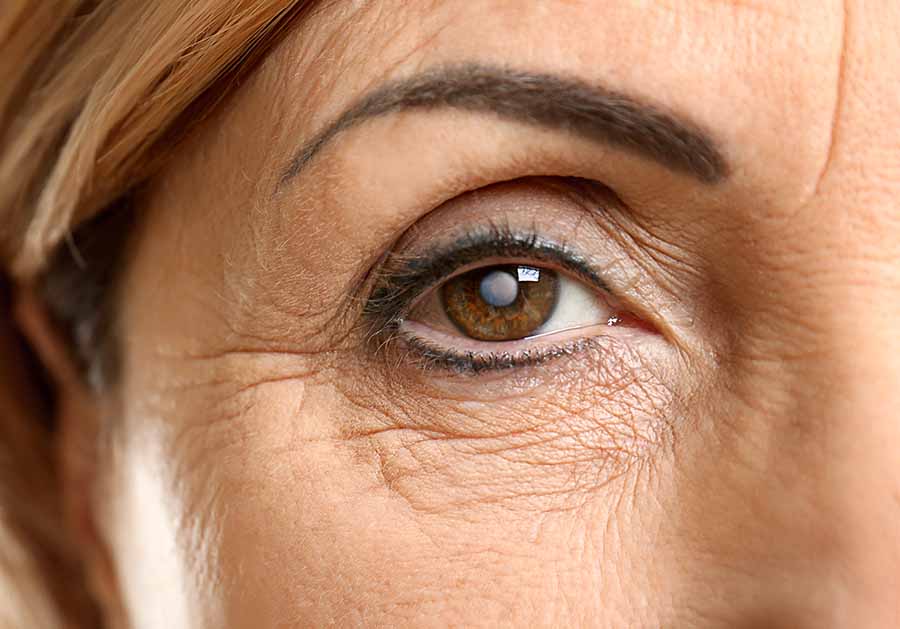
Cataracts are a common eye condition where the eye lenses become clouded. They’re the leading cause of blindness globally and affect around 2.5 million UK adults aged 65 and over.
Luckily, cataract surgery is straightforward and has a high success rate – with over 400,000 procedures performed each year in England alone. However, research shows many people remain fearful of surgery, often putting it off. In fact, statistics show that the number of people searching ‘how bad does a cataract have to be before surgery’ monthly has increased by 250% since 2024.
With this in mind, experts at Bupa UK Insurance are keen to dispel myths about cataract surgery and highlight the importance of seeking treatment for cataracts as soon as possible.
Here, Dr John Burke, Medical Director at Bupa UK Insurance, answers some of the most common cataract surgery questions.
Dr Burke says, “If you’re diagnosed with cataracts, it’s important to listen to your ophthalmologist if they recommend surgery. Cataracts may not need immediate treatment, but they progress over time and can lead to permanent partial or full vision loss if left untreated.
“Vision issues can affect your quality of life, making activities like driving and socialising more difficult, or even dangerous. You may find it harder to maintain your independence with progressive cataracts, and your safety may be compromised, with potentially greater risk of accidents and falls.”
If you’re looking for peace of mind, Boots Opticians perform eye tests, scans and checks to assess your vision and overall eye health. What’s more, they offer free NHS eye tests for over 60s. You can learn more using the button below.
1. How bad do cataracts have to be for surgery?
According to the NHS, cataracts don’t usually need treatment straight away. However, it’s common for your sight to deteriorate as the condition progresses, so you may wish to consider surgery to remove cataracts.
Generally, the decision of having cataract surgery largely depends on how much the condition is affecting your daily life and whether both eyes are affected.
Dr John Burke says, “If your vision is deteriorating quickly, an optometrist may recommend that you have cataract surgery. This recommendation may come quickly if your vision affects your daily life, for example, if you need to see details clearly, or driving becomes more difficult.”
It’s worth noting that, if you decide to have treatment, waiting lists can be long. For this reason, it can be helpful to consider your options early.

Free NHS eye tests plus 10% off glasses for over 60s
Booking an appointment online has never been easier, and with a range of offers from 10% off if you’re over 60**, 2nd pairs half price^ & a free NHS eye test if eligible, our expert optometrists are here to help you on your journey to clearer vision.
2. Is cataract surgery painful, and how long does the procedure take?
Cataract surgery is carried out under local anaesthetic. This means you’ll be awake but won’t feel any pain.
Dr John Burke says, “Cataract surgery tends to be done one lens at a time. If you have it in both eyes, the eye most affected by cataracts will be treated first. The surgery itself usually takes less than 30 minutes and you don’t have to stay in hospital overnight.
“The procedure usually happens under local anaesthetic, meaning you’re likely to be awake for the surgery. Anaesthetic tends to be administered through eye drops, but sometimes you may have an injection of anaesthetic around your eye.
“Your eye might sting for a few seconds after the anaesthetic, but once it starts working, you shouldn’t feel any pain around your eye area during the surgery – though you may feel some touch and pressure. You may also see some movement and lights throughout your surgery, but you shouldn’t be able to see anything in detail. Once surgery is complete, your eye may be covered with a dressing and then it’s left to heal naturally.”
3. How long does it take to recover from cataract surgery?
Most people who have cataract surgery recover quickly and are able to go home the same day.
Dr John Burke explains, “After surgery, you’ll be provided with any necessary information and medicine – such as antibiotic eyedrops and steroid eye drops – to help you recover at home. Immediately after surgery, as your anaesthetic wears off, you may experience blurred vision, tiredness, and your eye may feel sore. This is normal and any pain can usually be managed with over-the-counter painkillers, like paracetamol or ibuprofen.
“After a few days, any tiredness, visual changes, or eye discomfort should settle. And within a week, your eye should feel back to normal, though it may take a few weeks to heal completely. For around four weeks, you’ll need to use special eye drops given to you by the hospital.”
To support your recovery, Dr John Burke also recommends regularly changing your dressing (as instructed by your doctor), wearing sunglasses in bright environments, and wearing glasses or an eye shield if you’re going out in windy weather.
Some people may also need to start wearing glasses after surgery or have their existing prescription changed.
4. Are there any potential complications of cataract surgery?
Cataract surgery is one of the most common surgical procedures in the UK. The procedure is usually successful, and serious complications are rare.
That said, as with any operation, there are potential risks to consider. According to the NHS, potential complications of cataract surgery include vision problems, such as cloudiness, blurriness, dark shadows, or areas of light. Problems in your eye, such as a detached retina, eye infection, bleeding or inflammation in the eye, or problems with the position of the new lens, can also occur.
Dr John Burke says, “Most of the time, cataract surgery is straightforward, but sometimes complications can arise, making further surgery necessary. If you have any longer-term problems with your vision, like seeing shadows, cloudiness, or blurriness, [it’s important to] speak to a health professional, as you might need further treatment.”
Most complications are likely to occur immediately after cataract surgery. However, sometimes vision can become cloudy months or years after surgery, which may signal a condition called posterior capsule opacification (PCO). You can read more about this on the RNIB website.
5. NHS vs private cataract surgery – what are some key differences?
While the surgery itself stays the same, there are some differences between having cataract surgery done privately or on the NHS.
Private cataract surgery costs range from around £2,000 to over £4,000 per day, depending on the healthcare provider and the lens you’re having, while NHS patients don’t have to pay for their treatment.
However, private cataract surgery typically has much shorter waiting lists, both in terms of the initial consultation and surgery itself. For example, the maximum waiting time for cataract surgery on the NHS should be 18 months, compared to some private healthcare providers, who offer a four- to six-week wait for surgery.
Practice Plus Group has more information about NHS and private cataract surgery on their website.
For further reading, head over to our eye health and vision section.
Do you have any other questions you’d like to ask about cataract surgery? Or do you have any experience you’d like to share? We’d be interested to hear from you in the comments below.