Beyond having regular health checks and making positive lifestyle choices, recognising potential warning signs of serious health concerns can make all the difference.

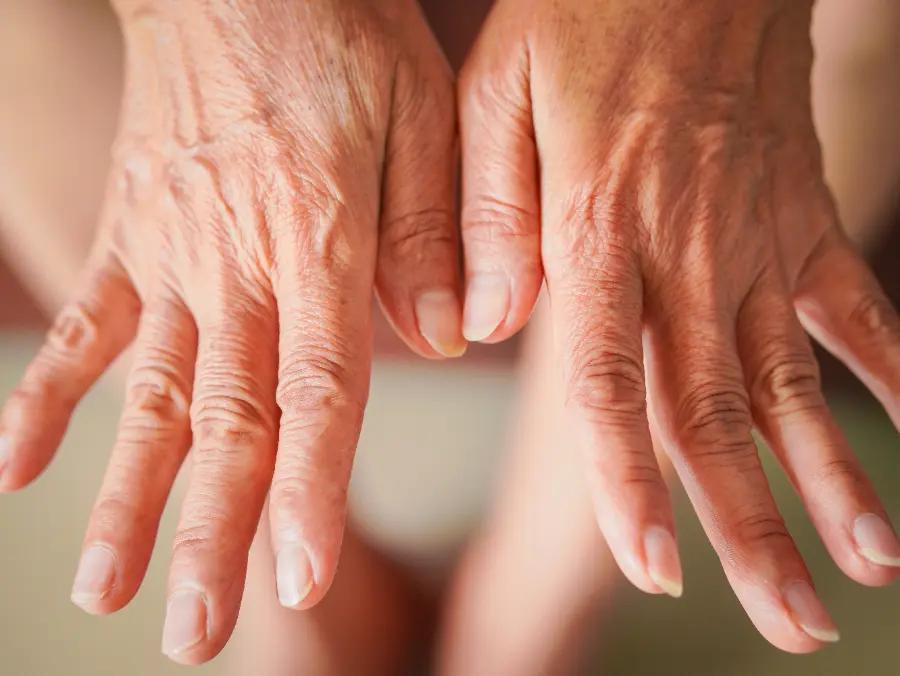
Our bodies have a clever way of letting us know when something isn’t right – and this includes the state of our hands.

Here, Dr Donald Grant, GP and Senior Clinical Advisor at leading online pharmacy and online doctor service, The Independent Pharmacy, explains five ways our hands can signal potentially serious health issues.

Dr Grant says, “From heart disease to psoriasis, our hands can tell us a lot about our health and help us spot potentially serious health conditions. By understanding the telltale signs of illness and knowing what changes to look out for, you can help to protect your health.”

1. Nail changes

Research suggests that nail changes, such as altered colour, texture, and shape, can be a symptom of various health issues. This includes everything from iron deficiency and thyroid problems to diabetes, fungal infections, heart, lung, or liver disease, and certain cancers.

Dr Grant adds, “There are various health issues which can cause changes in nail appearance and texture. Pitted nails are when small dents or pits form on the surface of fingernails and can indicate psoriasis. In severe cases, it can also cause the nails to crumble.

“Meanwhile, yellow nails can be an indicator of a range of health issues, including fungal infections or underlying health conditions such as lung disease. With so many potential causes, it’s vital to seek further advice from a GP to diagnose the issue and receive the correct treatment.”

Worried about accessing the NHS care you need?

83% of Rest Less members are worried about accessing the healthcare they need on the NHS#, making fast access to treatment more important than ever.

HMCA private medical cover offers affordable, flexible plans, with 90% of members saving money when they switch. Enjoy peace of mind. Join today and get £150 off your subscription.

Enquire today

#Data from over 1,000 Rest Less members surveyed in 2025
^Data from HMCA members who joined between 01/01/25 and 30/06/25

2. Skin changes

Swelling, bumps, or changes to the skin colour and texture of our hands can sometimes signal that something isn’t right. For example, pale or bluish skin could suggest poor circulation, while it’s common for arthritis to cause swollen knuckles.

Dr Grant says, “It’s important to keep an eye on your skin, as the texture and appearance can alter quite rapidly when someone is ill. For example, Palmar Erythema is a skin condition that causes the palms of the hands to turn red, often accompanied by a burning sensation. It can also be a sign of serious health conditions like lymphoma or liver disease.

“Vitamin deficiencies can sometimes lead to dry patches of skin appearing on the hands, too – for example, calcium or vitamin D deficiency, highlighting the need for a well-balanced diet. Dry skin may also be a sign of eczema or an allergic reaction.”

Skin changes

3. Stiff joints

Stiff joints in the hands can sometimes be a symptom of injury or conditions such as osteoarthritis, rheumatoid arthritis, or carpal tunnel syndrome.

Dr Grant says, “When the joints in your hands start to become stiff, it’s usually a sign of arthritis. Osteoarthritis is a common condition that can lead to swelling, pain, and stiffness, often reducing movement. It’s common for the condition to affect the base of the thumb and middle joints of the fingers, but it can cause pain throughout the hand too.”

4. Cold hands

If you often have cold hands, even when temperatures aren’t that low, it’s important to get checked by your GP.

Dr Grant explains, “Dramatic temperature changes in your hands can be a huge indicator that something isn’t quite right. Cold hands can be a sign of poor circulation, but may also suggest anaemia, a condition caused by a lack of red blood cells.

“Aside from anaemia, cold hands may also indicate an underlying health condition such as diabetes or blood clots. If you experience a long-lasting change in hand temperature, it may be best to seek additional medical advice.”

5. Thickened fingers

Thickened fingers are another way our hands can signal a problem. For example, according to the NHS, thickening and swelling of fingers can be a symptom of scleroderma, a range of conditions affecting the immune system.

Dr Grant adds, “Finally, monitoring changes to your fingers, such as width, can help to spot dangerous life-threatening diseases to help receive the quickest treatment. A common symptom of pulmonary fibrosis (a type of lung disease) is the widening of fingers and clubbing of fingernails.

“Dactylitus, where fingers become much wider in appearance, can be a sign of sickle cell disease, tuberculosis or a bacterial infection. With so many potentially dangerous causes, I strongly advise people to seek urgent medical attention if they notice any changes to their fingers.”

For further reading, head over to our health news section.