

- Home
- Health
- Healthy Body
- Everyday products and cancer risk – what does current research say?
With one in two people affected by cancer in their lifetime, it’s only natural to want to know more about why cancer develops and what we can do to reduce our risk.
We already know about the connection between cancer and things like smoking, poor diet, and a lack of exercise. However, with cancer cases up almost 15% since 2020, including in those under 50, experts are left wondering what other factors might be at play.
Recent concerns have been raised over several everyday products, including artificial sweeteners, cleaning products, and plastic containers, and their potential impact on cancer risk. While research is ongoing, there are several findings worth considering.
With that said, we’ll explore current research into six everyday products and their possible links to cancer.
Note: It’s important to note that research into potential cancer risks is ongoing. This piece is an explorative piece, with further research needed to confirm these findings.
Experts are also keen to reassure that, while research suggests a potential link between cancer and several everyday products, the risk is likely to be largely dependent on your level of use. In many cases, occasional use of any of these products is unlikely to cause significant harm.
1. Artificial sweeteners
Artificial sweeteners, such as aspartame, saccharin, sucralose, and sorbitol, are chemicals used to sweeten and preserve products like fizzy drinks, low-sugar snacks, condiments, toothpaste, and cereal.
Artificial sweeteners have long been marketed as a sugar alternative, popular among diabetics and those looking to lose weight, because they contain little to no calories. According to the NHS, all artificial sweeteners in Great Britain undergo rigorous safety checks before being approved for use and, as a result, they’re considered a safe and acceptable alternative to sugar. Similarly, experts at Cancer Research UK say there’s currently no strong evidence that artificial sweeteners cause cancer.
Nevertheless, research remains mixed, and some studies suggest they may do more harm than good.
In 2023, for example, the World Health Organization declared aspartame (a common artificial sweetener found in diet sodas, chewing gum, and other products) a potential carcinogen. Another study found that sucralose was associated with poor gut health, inflammation, DNA damage, and a higher risk of cancer.
That said, there’s evidence that artificial sweetener-related cancer risk may largely come down to how much you consume. In this study, daily consumption of diet soda was associated with a 36% higher risk of metabolic syndrome. Metabolic syndrome refers to five health risk factors (including high cholesterol and high blood pressure) and is linked with a higher risk of four different cancers.
You can read more about current research into artificial sweeteners and cancer on the Cancer Research UK website.
2. Non-stick pans
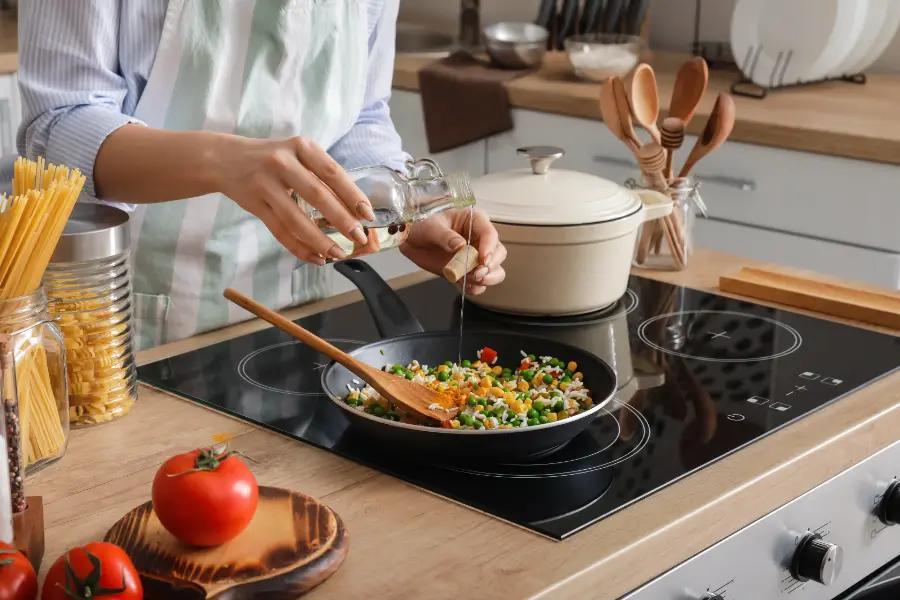
Non-stick pans are popular because they make it easy to cook foods like eggs and pancakes without the need for unnecessary oil or butter. Some of the chemicals used to make non-stick cookware are perfluorooctanoic acid (PFOA) and perfluorooctane sulfonate (PFOS), which are part of a larger group of lab-made chemicals known as perfluoroalkyl and polyfluoroalkyl substances (PFAS).
Known as ‘forever chemicals’, PFAS have been noted as a potential health concern because they don’t break down easily and can stay in the body and environment for a long time.
For example, studies have linked PFOA (the original covering of non-stick pans) with an increased risk of several cancers, including testicular and kidney cancer. As a result, PFOA has since been classified by the International Agency for Research (part of the WHO) as ‘possibly carcinogenic to humans’.
According to experts, this is because when non-stick cookware is heated, particularly at high temperatures, PFAS coatings degrade, making them more susceptible to leaching. Breathing in these fumes or eating foods contaminated with chipped PFAS coating has been linked with a higher risk of several cancers, including renal, liver, and testicular cancer. Take this 2025 American study, which linked PFAS identified in drinking water and cookware with almost 7,000 additional cancer cases every year.
Even more modern non-stick pans, many of which are labelled as ‘PFOA free’, may still release ultrafine plastics at high heat or contain PTFE. For example, this study found that 79% of non-stick pans tested in 2023 were coated with PTFE.
To reduce your risk, experts recommend sticking to low or medium temperatures when using non-stick pans, replacing old pans (particularly those with visible chips or scratches), and choosing cookware made from materials like stainless steel, cast iron, or ceramic where possible.
Old pans (particularly those manufactured before 2013) are considered especially hazardous as they’re more likely to contain PFOA.
3. Plastic containers and water bottles
People also point to plastics as a possible culprit for rising cancer cases, especially since they only became a staple in consumer products in the 1950s.
In particular, microplastics are tiny pieces of plastic that are invisible to the naked eye, but that infiltrate almost every area of life – including the water we drink and the food we eat. For example, a recent study found that bottled water may contain up to 100 times more tiny pieces of plastic than was previously thought.
Some studies suggest that chemicals found in certain plastics have cancer-causing effects. For example, there’s evidence that some microplastic particles may build up in the body over time – including in the lungs, heart, brain, digestive tract, and reproductive organs. And other research has linked chemicals commonly used in plastic containers and cookware with an increased risk of cancer, including breast cancer.
However, experts at Cancer Research UK say these studies don’t represent how we as humans come into contact with plastics in everyday life. They, therefore, conclude there’s currently no reliable evidence that food and drinks stored in plastic cause cancer.
While it’s impossible to avoid microplastics completely, there are things you can do to help reduce your exposure. For example, using glass, stainless steel, or biodegradable food packaging instead of plastic, filtering water, and avoiding heating plastic containers (as higher temperatures have been found to release more microplastics).
4. Matresses
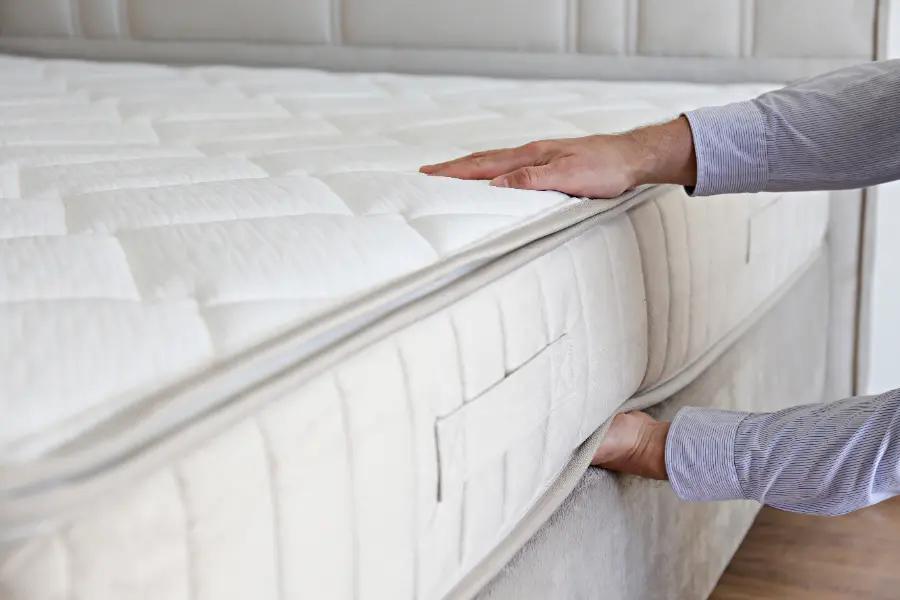
There’s evidence that many of us may be exposed to potentially toxic chemicals while we sleep. Studies suggest that mattresses may be the main source of these chemicals, as many contain substances like flame retardants, phthalates, and toxic PFAS, ‘forever chemicals’.
Flame retardants are designed to prevent burning and slow the spread of fire, but studies suggest they may be a health hazard. Phthalates and flame retardants are semi-volatile organic compounds (SVOCs), which means they become airborne and can be breathed in.
Studies have linked SVOCs measured in homes with poor health outcomes, including hormone disruption and an increased risk of cancer.
There’s also evidence that other substances found in mattresses, such as polyurethane foam (also known as ‘memory foam’), release volatile organic compounds (VOCs). VOCs are similar to SVOCs (but move more readily into the air) and have been linked with nausea, dizziness, and more serious health conditions, including an increased cancer risk.
According to the Sleep Foundation, manufacturers have a responsibility to ensure their products are safe for consumers, or if they’re not, that the risk is clearly labelled. However, testing and regulating can be complicated, so it’s possible that some products may contain harmful components. Therefore, to reduce your risk, it’s recommended to choose mattresses made with a non-toxic fire barrier, such as wool, Kevlar, or rayon treated with silica.
5. Cleaning products
There’s evidence that certain chemicals found in certain household cleaning products, detergents, and dish soaps may increase the risk of cancer.
According to Breast Cancer UK, some cleaning products contain endocrine-disrupting chemicals (EDCs), which are linked with a higher risk of breast cancer and other illnesses. Among other things, EDCs have been found to interfere with various body processes, including the hormones that regulate reproduction and metabolism.
Another study suggested that exposure to certain EDCs may increase the risk of cancers like breast, skin, and ovarian cancer.
Other research suggests that using household cleaning products may expose us to potentially hazardous VOCs, such as benzene and formaldehyde, which are also linked with cancer.
As a result, experts suggest going fragrance-free or choosing naturally scented products – and opening windows or turning fans on when cleaning to avoid breathing products in. Why not try making one of these 7 effective natural cleaning products?
6. Cosmetics
Some studies suggest that certain cosmetics, including dry shampoo and other hair products, may affect cancer risk due to the presence of chemicals linked with cancer. However, research remains mixed.
For example, some research suggests an increased risk of ovarian cancer in women who use talcum powder on their genitals. However, experts say that other, more reliable studies haven’t noted this link.
Similarly, previous concerns have been raised around dry shampoo products – specifically those containing benzene, a chemical known to cause cancer. But again, experts generally agree that the amount of benzene contained in these products is unlikely to cause harm.
Other studies suggest that repeated exposure to formaldehyde, a chemical used in hair relaxers (products used to smooth or straighten hair), may increase the risk of certain cancers, including uterine, ovarian, and breast cancer.
To be on the safe side, experts recommend always buying cosmetics from a reputable retailer, using them in line with manufacturer instructions, and taking care when buying products online (as products from outside the UK and EU may follow different regulations).
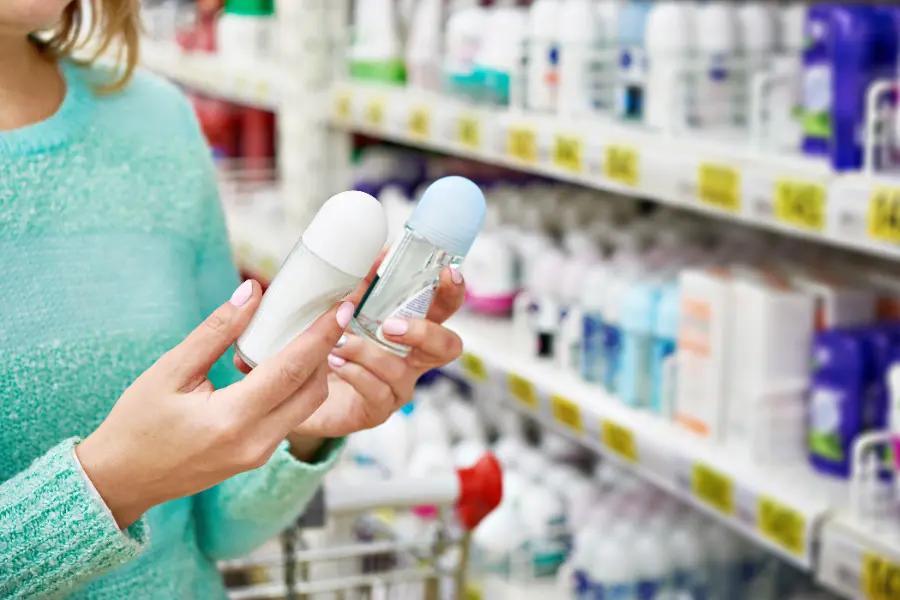
Cancer Research UK has more information about current research into cosmetics and cancer, including hair dye, deodorants, and toothpaste, if you’d like to learn more.
Final thoughts…
With one in two people affected by cancer during their lifetime, it’s only natural that we want to know more about why it develops and, most importantly, what we can do to reduce our risk.
While research into the link between everyday products and cancer is ongoing, the good news is that when it comes to reducing cancer risk, there’s a lot that we do already know.
For further reading, you might like to read our article: What causes cancer? Plus 7 ways to reduce your risk. Or, head over to our health section.
Do you have any insights or experiences that you’d like to share? We’d be interested to hear from you in the comments below.
Francesca Williams is a senior lifestyle writer at Rest Less. She joined Rest Less in early 2021 after achieving a first-class degree in History at the University of Sheffield and qualifying as an NCTJ Gold Standard Journalist. Francesca is a qualified Level 3 Personal Trainer and writes across a range of lifestyle topics, specialising in health. In her spare time, Francesca likes to keep herself busy going to the gym, dancing, spending time with friends and family, and getting involved with her local church.
* Links with an * by them are affiliate links which help Rest Less stay free to use as they can result in a payment or benefit to us. You can read more on how we make money here.
Join the discussion
Read our full commenting terms and guidelines