
- Home
- Health
- Healthy Body
- From heart to prostate – 6 seeds every man should be eating
Sponsored content
 Seeds might be small, but in the world of nutrition, they pack a mighty punch. Packed with fibre, plant-based protein, healthy fats, and several key vitamins and minerals, seeds like chia, flax, and hemp seeds can have a powerful impact on health.
From better skin and heart health to reduced cancer and diabetes risk, anyone can reap the rewards of adding more seeds to their diet. However, research suggests that for men, there may be added benefits, such as improved prostate health and erectile function.
Plus, because seeds are so nutrient-dense, a little can go a long way – meaning even a sprinkle could make all the difference to your health.
With this in mind, we’ve partnered with Linwoods Health Foods to explore six seeds every man should be eating.
Linwoods aims to make high-quality, nutrient-rich seeds, nuts, and fruits accessible to everyone. All of their products are gluten-free and suitable for vegetarians. Wherever possible, they source organic materials, too.
If you’d like to start adding more seeds to your diet, head over to the Linwoods website for recipe inspiration.
1. Hemp seeds
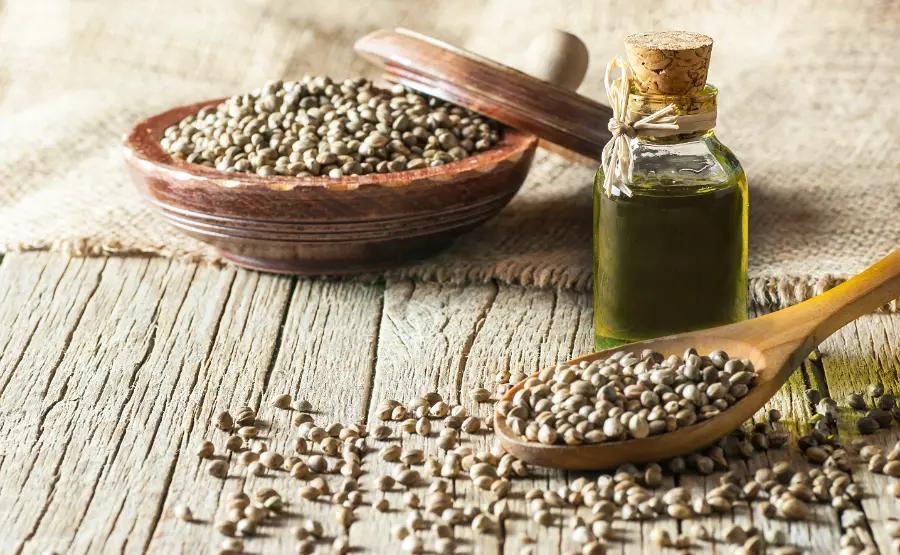
Hemp seeds (or hemp hearts) are rich in several key nutrients, including fibre, healthy fats, and plant-based protein. Although they come from the Cannabis sativa plant, hemp seeds don’t produce mind-altering effects, but have been linked with several impressive health benefits.
They’re a fantastic source of good fats (containing around 30%), with a healthy ratio of omega-3 to omega-6 fatty acids. While both are important for health, research shows that many of us eat too much omega-6 and too little omega-3, which can cause inflammation and an increased risk of conditions like heart disease, dementia, and arthritis. Eating foods like hemp seeds, therefore, can help to bring balance.
For example, in this study, hemp seed oil produced anti-arthritic effects by reducing the survival rate of cells known to cause joint damage and inflammation. Another study noted hemp seeds’ ability to protect against inflammation in the brain, something which experts have linked with reduced dementia risk.
Hemp seeds are also significantly higher in protein than many other seeds, boasting 6.7g per 20g serving. They contain all nine essential amino acids (a rarity for plant-based foods), including arginine, which research has linked with lower blood pressure and improved heart health. Research shows that arginine is crucial for the production of nitric oxide in the body which evidence suggests its effect on blood vessel health (keeping them relaxed and dilated) may also improve sexual wellbeing and benefit men with erectile dysfunction.
More generally, hemp seeds’ abundance of minerals and vitamins like magnesium, copper, and thiamine (vitamin B1) supports the functioning of the nervous system. In this animal study, hemp seeds led to significant reductions in blood sugar, and in this study, hemp seed oil was found to improve acne. Hemp seed oil is also a good source of zinc, which contributes to the maintenance of normal skin.
To add hemp seeds to your diet, you might like to sprinkle them over cereal, oats, yoghurt, or salads, or add them to smoothies. Why not try this easy hemp seed pesto pasta or these four-ingredient matcha bites?
2. Flaxseeds
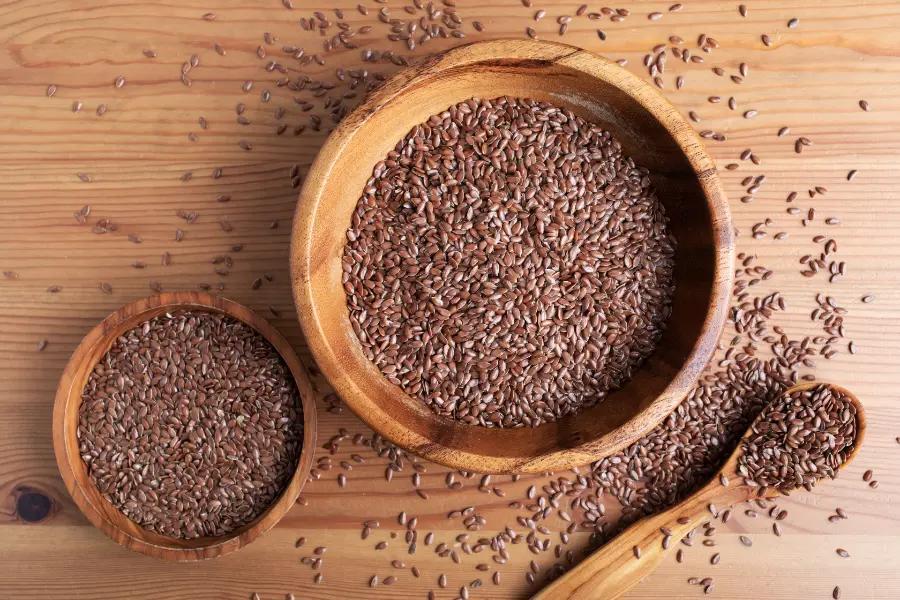
Flaxseeds, also known as linseeds, come from the flax plant. They’re rich in omega-3 fatty acids, particularly alpha-linolenic acid (ALA), which offer several health-boosting benefits.
Among other things, studies have linked ALA with reduced inflammation, lower cholesterol, a reduced risk of atherosclerosis (buildup of fat in the arteries), and death caused by heart disease. In this 12-week study, when people consumed 30g of flaxseed daily, their blood pressure reduced. And in this study, when people with peripheral artery disease consumed 30g of milled flaxseed for one month, their LDL (bad) cholesterol levels reduced by 15%.
Flaxseeds also contain plant compounds called lignans, known for their cancer-fighting properties. Studies have linked high intake of lignan-rich foods, including flaxseed, with a lower risk of prostate cancer, specifically by promoting tumour death and lowering levels of prostate-specific antigen (PSA). Amazingly, flaxseed contains between 75 and 800 times more lignans than other plant foods.
Plus, when it comes to gut health, flaxseed’s fibre-rich content can help to support regular bowel movements, which studies suggest may be particularly beneficial for those struggling with conditions like irritable bowel syndrome. Increasing your fibre intake can also be helpful if you’re trying to lose weight, because it can slow digestion and keep you satiated. As a result, this study found that flaxseed supplements led to significant reductions in belly fat, body weight, and BMI.
There are two main types of flaxseeds: golden and brown, which are available in whole, milled, or ground form. Both golden and brown flaxseed have the same nutritional profile, but golden varieties tend to be slightly sweeter, while brown flaxseeds have a more toasted flavour. To up your intake, why not try these delicious chai overnight oats or these flaxseed vegetable patties?
3. Pumpkin seeds
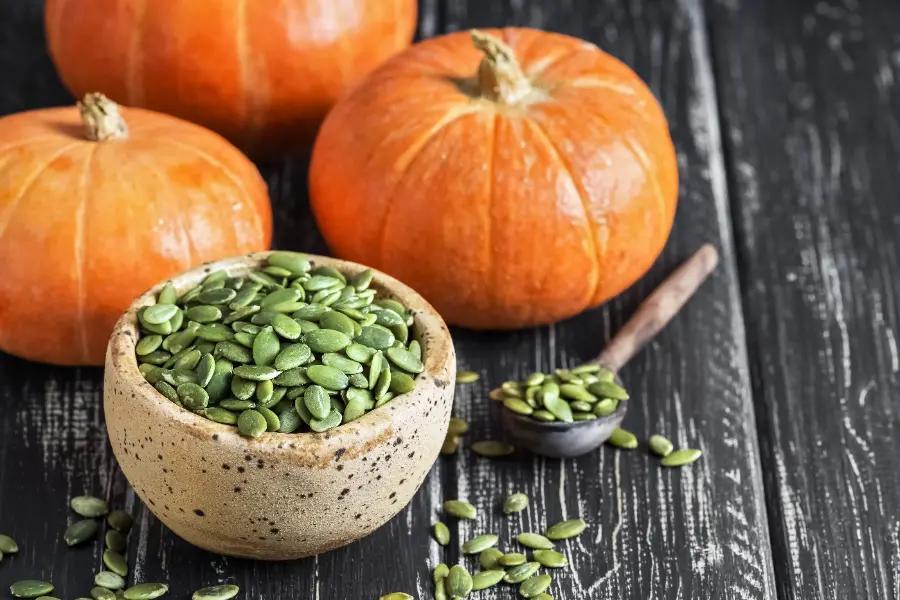
Pumpkin seeds are linked with numerous health benefits, including better blood sugar control, heart function, and reproductive health. As well as being high in protein and healthy fats, they’re a fantastic source of nutrients like zinc, magnesium, copper, iron, and manganese.
Zinc content is particularly high, with pumpkin seeds containing approximately 70% to 90% of the daily recommendation per 100g serving. Alongside its role in immunity, skin health, and DNA creation, zinc is key for male reproductive health.
In this study, men who took 10.4mg of zinc daily had an average semen volume of 3.30mL, compared to 2.24mL when taking only 1.4mg daily. Plus, this animal study found that taking pumpkin seed oil supplements alongside vitamin E (also present in pumpkin seeds) improved sperm quality and reproductive performance.
There’s also evidence that pumpkin seeds may reduce the risk of prostate cancer and symptoms of benign prostatic hyperplasia (BPH), a condition where the prostate gland becomes enlarged, often causing bladder issues. In this study, for example, pumpkin seed oil was found to reduce symptoms and improve overall quality of life in 39 people with BPH.
More generally, pumpkin seeds are one of the best natural sources of magnesium, which, among other things, is known to improve heart health, sleep quality, and lower blood pressure.
Pumpkin seeds are tasty, versatile, and can be enjoyed in salads, pasta dishes, and baking recipes. You might like to try this zingy lime fruit salad or these no-bake granola bars.
4. Chia seeds
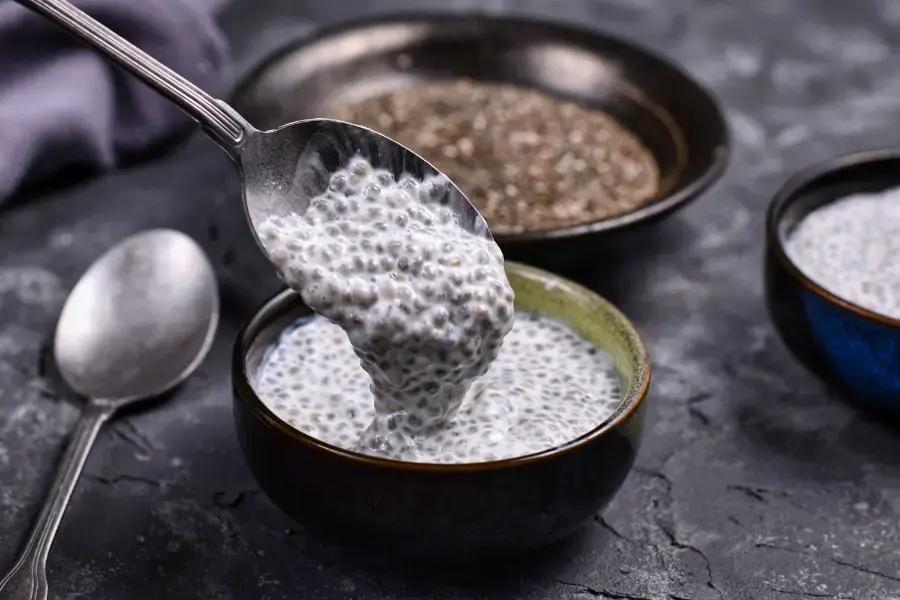
Chia seeds are tiny black seeds from the Salvia hispanica plant. Originating in Central and South America, they were central to ancient Aztec and Mayan diets, and today, they’re continually praised for their health benefits, even recognised as a superfood.
Rich in healthy fats which may help to protect against conditions like high blood pressure, heart disease, and type 2 diabetes. For example, ALA, an omega-3 fatty acid in chia seeds, has been linked with a reduced risk of heart disease.
Chia seeds are also among the most fibre-rich foods, with a 20g serving containing around 5.7g of dietary fibre. Since statistics suggest that 96% aren’t getting enough fibre, adding chia seeds to your diet is a fantastic way to increase your intake. Among other things, fibre is linked with benefits for digestive health, bone health, weight loss, and a reduced risk of heart disease and bowel cancer. In fact, experts at Cancer Research estimate that 28% of UK bowel cancer cases (which research shows has a higher incidence in men) are caused by eating too little fibre.
Nutrients like calcium and magnesium – which chia seeds are a source of – are also important for bone health. For example, a 20g serving of chia seeds contains around 120mg of calcium. And one animal study found that chia seeds increased the bone mineral content of rats.
If you’d like to add chia seeds to your diet, why not try making this breakfast berry crumble or these strawberry overnight oats?
5. Sunflower seeds
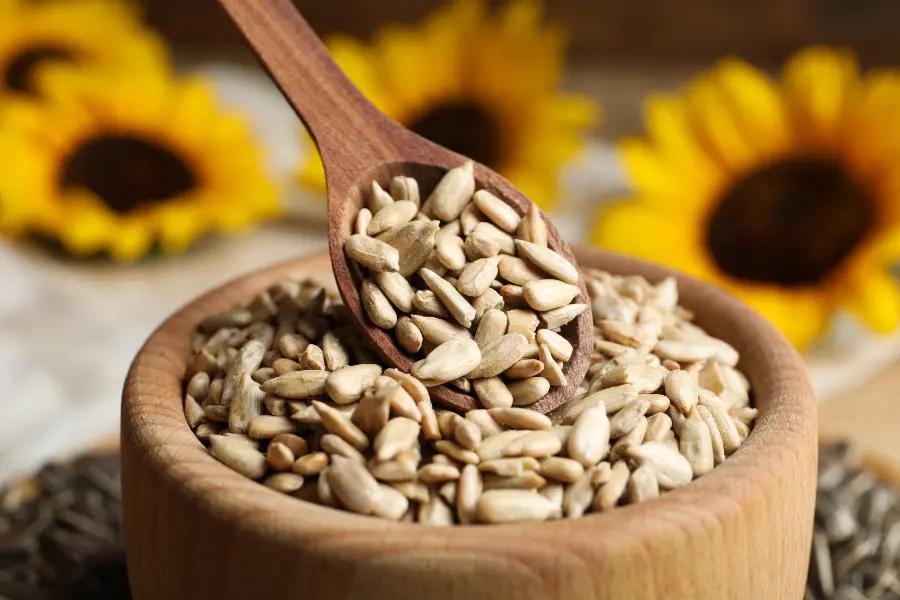
Sunflower seeds are rich in fibre, healthy fats, and several key vitamins, minerals, and plant compounds.
They’re particularly high in vitamin E, which studies show can help lower levels of C-reactive protein – an inflammatory marker known to increase the risk of heart disease and type 2 diabetes. And, their rich antioxidant and linoleic acid (a type of healthy fat), as well as a source of magnesium profile has been linked with lower inflammation, cholesterol, blood pressure, and blood sugar.
Take this study, which found that obese men experienced significant reductions in weight, BMI, total cholesterol, LDL (bad) cholesterol, and triglycerides after eating bread made with sunflower seed flour for four months. Meanwhile, other studies have concluded that those who enjoy sunflower seeds as part of a balanced diet typically have lower blood pressure and blood sugar levels than those who eat a healthy diet alone.
When it comes to men’s health specifically, sunflower seeds contain zinc and selenium, two key players in prostate health and healthy immune function.
Sunflower seeds are delicious added to salads, pasta dishes, and baking recipes. If you’d like to up your intake, why not try these sunflower seed and nut florentines or this edamame avocado noodle bowl?
6. Sesame seeds
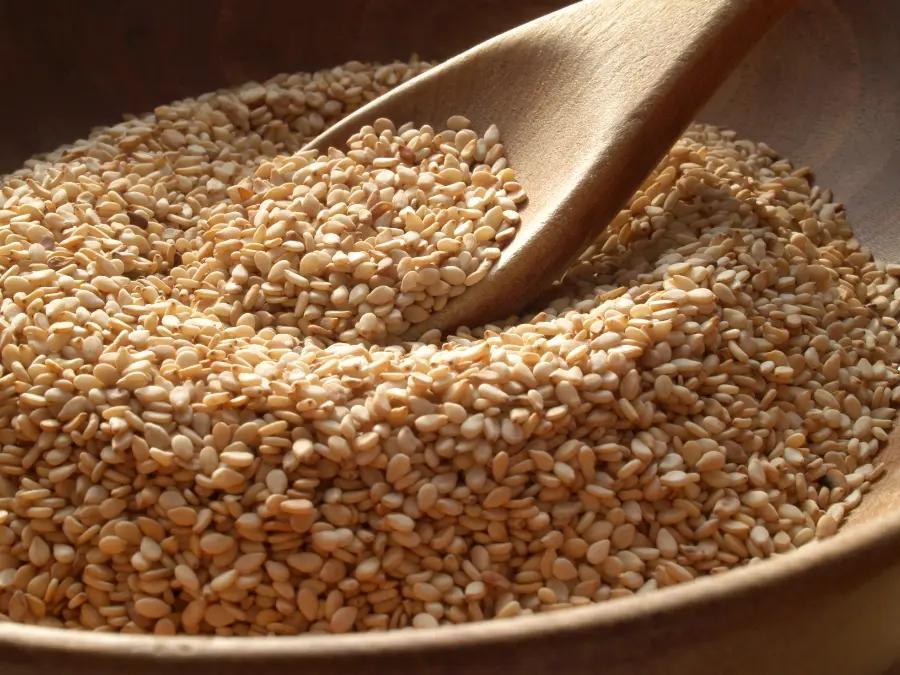
Sesame seeds are tiny, oil-rich seeds that grow in pods on the Sesamum indicum plant. Like many other seeds, these nutritional powerhouses are a great source of fibre, healthy fats, and beneficial plant compounds.
They have strong links with heart health benefits, including lower cholesterol, blood pressure, and triglyceride levels. This is largely due to their healthy fat and lignan content, which may help to reduce the risks of some cancers and have been found to reduce cholesterol. Other studies have linked higher intake of sesamin, a compound found in sesame seeds, with lower blood pressure.
Other research has linked eating sesame seeds with lower inflammation in the body, as well as better prostate health due to their calcium, magnesium, zinc, and manganese content. According to experts, men who develop BPH and prostate cancer are typically deficient in minerals like zinc.
Final thoughts…
Seeds might be small, but they’re key players when it comes to nutrition. High in fibre, plant-based protein, and healthy fats, research has linked them with various benefits for heart, skin, and brain function, as well as for men’s health specifically.
If you’d like to add more seeds to your diet, head over to Linwoods’ website to browse their range of high-quality, nutrient-rich seeds, nuts, and fruit. All of their products are gluten-free and suitable for vegetarians.
For further reading, head over to our diet and nutrition section.
Francesca Williams is a senior lifestyle writer at Rest Less. She joined Rest Less in early 2021 after achieving a first-class degree in History at the University of Sheffield and qualifying as an NCTJ Gold Standard Journalist. Francesca is a qualified Level 3 Personal Trainer and writes across a range of lifestyle topics, specialising in health. In her spare time, Francesca likes to keep herself busy going to the gym, dancing, spending time with friends and family, and getting involved with her local church.
* Links with an * by them are affiliate links which help Rest Less stay free to use as they can result in a payment or benefit to us. You can read more on how we make money here.