
- Home
- Health
- Healthy Body
- How to know if you have high blood pressure
According to the British Heart Foundation, more than 14 million people in the UK have high blood pressure, and as many as five million don’t know it. It’s often called the ‘silent killer’ since it rarely causes any symptoms, meaning it can easily go undetected.
While none of us likes to think our bodies could be in trouble without our knowing it, the more we understand about high blood pressure, the more likely we are to take steps to lower it.
Here, we take a closer look at the facts, including how to know if you have high blood pressure and what to do about it.
Advertisement
HMCA private medical cover offers affordable, flexible plans, with 92%^ of members saving money when they switch. Enjoy peace of mind. Join today and get £150 off your subscription.
^Based on data provided by members who joined HMCA between 1 January 2026 and 30 April 2026.
What is high blood pressure?
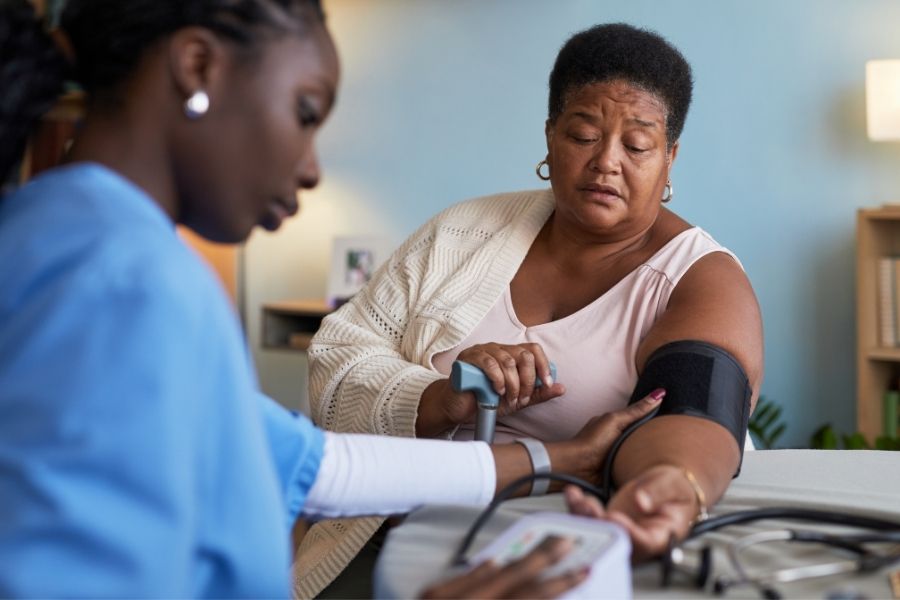
Blood pressure is the force of blood pushing against the walls of your arteries as it’s carried from your heart to your brain and the rest of your body. It’s checked using a cuff placed around your upper arm, which inflates and then slowly deflates while a device measures the pressure in your arteries.
When looking at blood pressure, there are two numbers to be aware of…
- Systolic pressure – the higher of the two numbers. It measures the force of blood against your artery walls when your heart is pumping blood around your body.
- Diastolic pressure – the lower of the two numbers. It measures the pressure in your arteries when your heart is relaxed between beats.
Blood pressure fluctuates throughout the day and night, depending on your activity levels. But according to the British Heart Foundation, normal blood pressure is considered to be between 90/60 mmHg and 130/85 mmHg. If your reading falls between this and 140/90 mmHg, it’s sometimes referred to as ‘elevated’ – not high blood pressure yet, but worth keeping an eye on, especially if you have other risk factors.
When blood pressure is high, it can be broken down into three stages…
- Stage 1 – when your blood pressure is between 140/90 mmHg and 159/99 mmHg in the clinic, or 135/85 mmHg to 150/95 mmHg at home.
- Stage 2 – when your blood pressure is between 160/100 mmHg and 180/120 mmHg in the clinic, or over 150/95 mmHg at home.
- Stage 3 (which may be called ‘severe hypertension’) – when your systolic blood pressure is over 180 mmHg or your diastolic blood pressure is over 120 mmHg in the clinic. In this case, your GP will need to assess you urgently for further investigations.
Why is high blood pressure a problem?
While you need a certain amount of pressure to get blood moving, too much pressure can create tears in the delicate lining of your arteries. Fat and cholesterol collect in the injured spots, causing them to become thick, stiff, and less elastic.
This means two things…
- blood flow to the heart becomes restricted
- the heart has to work harder to pump the blood it does receive around the body
This extra work causes the left heart chamber (left ventricle) to become thicker and enlarged, which can increase the risk of heart attack, heart failure, or stroke.
If left untreated, high blood pressure can also cause kidney disease and vascular dementia.
What are the symptoms of high blood pressure?
You’d think that with the damage high blood pressure causes, we’d know if we had it – but this simply isn’t the case. Most people don’t have any obvious symptoms, which is why it’s so important to get your blood pressure checked regularly.
However, the British Heart Foundation does highlight that in rare cases, people might experience…
- Headaches
- Blurred vision
- Nosebleeds
Am I at risk of high blood pressure?
While there are often no symptoms of high blood pressure, there are things that can increase your risk. For example…
- Getting older
- Having close relatives with high blood pressure
- Having an unhealthy diet, especially if it’s high in salt
- Your ethnicity – people who are of Black African or
- Black Caribbean descent are at a higher risk of having high blood pressure
- Being overweight
- Smoking
- Drinking too much alcohol
- Chronic stress
How to check your blood pressure
Blood pressure testing is available at local pharmacies, GP surgeries, and even some leisure centres, gyms, and workplaces. Pharmacies will sometimes offer this to over 40s for free.
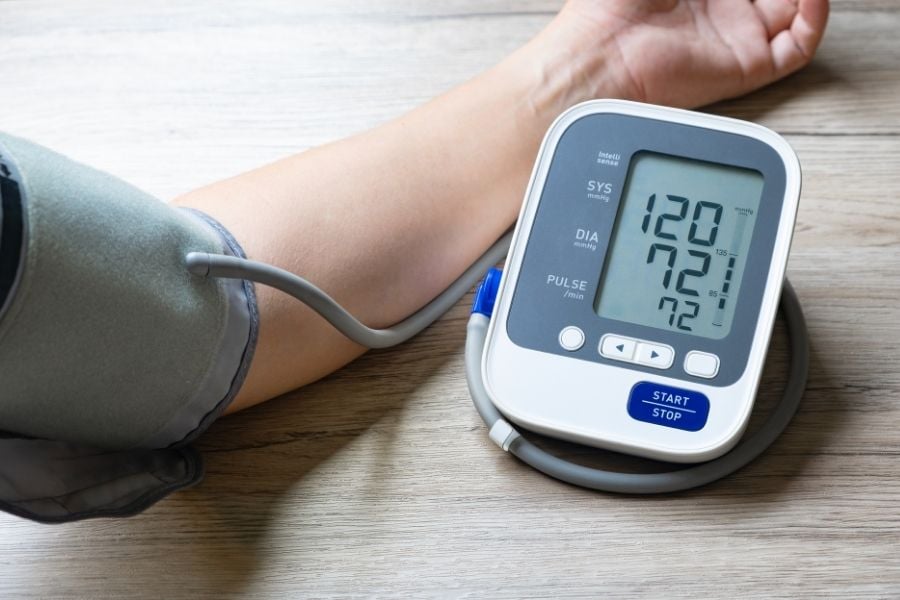
If you want to check your blood pressure at home or are advised to do so by a doctor or nurse, you’ll need a machine of your own. In the latter case, you might be lent one by your GP surgery. You can also buy blood pressure machines from the British Heart Foundation. Check out the video below on how to measure your blood pressure at home.
How often should I check my blood pressure?
How often you take blood pressure readings will largely depend on what they are. If you’re a healthy adult aged 40-74, the NHS recommends having your blood pressure checked at least every five years (you might be able to do this during a routine five-yearly NHS Health Check).
However, if your readings are borderline or you’re at a greater risk of having high blood pressure, this changes to every year, so any potential problems can be detected early. You should also check your blood pressure any time you’re worried about it.
If you have high blood pressure, your doctor will be able to advise you on how often to check your blood pressure, depending on your readings.

Worried your premium will rise if you make a claim?
At HMCA, claims don’t impact your premium, so you can claim with confidence. Whether you’re choosing private medical insurance for the first time or switching, their comprehensive plans and personal service give you peace of mind.
Join today and get £150 off your first-year subscription^
^Offer only applies to Medical Plans
When should I see a doctor?
According to Blood Pressure UK, if you get a reading over 140/90mmHg somewhere other than your GP surgery (for example, at a pharmacy or at home) you should follow this up with your GP.
If your reading is over 180/110mmHg, you should see your GP within 48 hours – or straight away if the reading is accompanied by symptoms such as blurred vision, headaches, chest pain that comes and goes, or any other symptoms you’re worried could be caused by high blood pressure. You can also call 111 to get help.
Note: Call 999 immediately if you experience persistent chest pain or pressure (which may feel like squeezing, burning, or indigestion), pain spreading to your arms, neck, jaw, stomach, or back, or chest pain combined with sweating, nausea, dizziness, or breathlessness – these can be signs of a heart attack requiring urgent hospital treatment.
You should also call 999 if you notice signs of a stroke. The NHS recommends remembering FAST: Face – has one side dropped? Arms – can they raise both arms? Speech – is it slurred or strange? Time – if you spot any of these signs, it’s time to call 999.
How is high blood pressure diagnosed?
High blood pressure is usually diagnosed if your blood pressure reading is more than 140/90 mmHg when measured by a healthcare professional. Because blood pressure can fluctuate during the day and night, they might take this reading more than once.
For some people, blood pressure will also be higher when checked in a doctor’s surgery or clinic, especially if they feel nervous or anxious. If your doctor suspects this is happening, they might ask you to record your blood pressure at home for a few days or use a 24-hour blood pressure monitor, and use these readings to work out what your ‘average’ blood pressure is. The British Heart Foundation has a free blood pressure diary, which can help you keep track of your readings.
Your GP might run other tests, too, such as cholesterol levels and kidney function (blood tests) and heart rhythm (via a test called an electrocardiogram (ECG)) to build a clearer picture about the impact of your high blood pressure on your body.
How to lower high blood pressure
If you’re diagnosed with high blood pressure, your GP might ask you to take medication. Usually this is if…
- Your blood pressure is very high
- You’re at higher risk of problems linked to high blood pressure (such as heart attack and stroke)
- Your blood pressure is still high after making lifestyle changes
In many cases, it’s possible to lower blood pressure through lifestyle changes, such as getting regular exercise, maintaining a healthy weight, and reducing your salt and caffeine intake. Your GP will be able to advise you on whether lifestyle changes alone are enough for your individual needs.
Check out our articles 10 natural ways to lower blood pressure and 14 blood-pressure lowering foods to add to your diet to find out more.
Final thoughts…
High blood pressure is very common in the UK. But because it rarely presents symptoms, it’s important to test regularly – how often will depend on whether there are risk factors present and what your readings show.
If your blood pressure is high, it’s important to speak to your GP about how best to manage it – within 48 hours if it’s 180/110mmHg or above or immediately if accompanied by symptoms such as blurred vision and headaches. You can also call 111 for help.
For further reading, check out our article: 9 health numbers you should know.
Have you found this article useful? Is there anything else you’d find it helpful to know? We’d love to hear from you in the comments below.
Elise Christian is Lifestyle Editor at Rest Less. She joined Rest Less in 2018 after achieving a first class Master’s Degree in Journalism from the University of Kent, and writes across a range of lifestyle topics such as mental health, home and garden, and fashion and beauty. Prior to this, she worked as a freelance writer for small businesses and also spent a year training to be a midwife. Elise spends her spare time going to the gym, reading trashy romance novels, and hanging out with loved ones. She also loves animals, and has a fascination with sharks and tornadoes.
* Links with an * by them are affiliate links which help Rest Less stay free to use as they can result in a payment or benefit to us. You can read more on how we make money here.
Join the discussion
Read our full commenting terms and guidelines