- Home
- Health
- Healthy Body
- 10 natural ways to lower blood pressure
High blood pressure (also known as hypertension) is a common health condition affecting one in three adults in the UK – the equivalent of around 18 million people. Because it often has no symptoms, some people don’t realise they have it. But because high blood pressure can increase your chances of having a heart attack or stroke, it’s important to get checked.
If you have high blood pressure, you might already be taking medication prescribed by your doctor – but certain lifestyle changes may help, too.
Here’s everything you need to know about high blood pressure, including what science says about lowering it naturally.
Advertisement
If you’re looking for peace of mind and faster access to healthcare, HMCA’s member-only private medical plans have guaranteed acceptance and no age limit. For more information, you can visit their website below.
What is normal blood pressure?
Blood pressure measures the force of blood inside your arteries. When this force is too high, it can weaken your heart and damage your arteries, increasing your risk of heart attack, heart failure, stroke, and kidney disease.
Blood pressure is recorded using two numbers, measured in millimetres of mercury (mmHg). Systolic pressure is the higher number, representing the force at which your heart pumps blood around the body. Diastolic pressure is the lower number, representing the resistance to blood flow in the blood vessels.
According to the British Heart Foundation, normal blood pressure readings vary from 90/60 to 120/80. The NHS considers your blood pressure high if it’s 140/90 or more. The easiest way to measure your blood pressure is to book an appointment at a pharmacy – you can find your nearest one on the NHS website. Your GP surgery can also check your blood pressure; some have machines in the waiting room.
Another option is to buy a blood pressure monitor for use at home – just make sure that it’s approved for use in the UK. The British and Irish Hypertension Society has a list of validated blood pressure monitors for home use on its website.
If you have high blood pressure, you’ll need to speak to your GP about lowering it, and you may be prescribed medication. You can find out more about medicines for high blood pressure on the NHS website.
Note: As well as medication, there are also ways to help lower blood pressure naturally, which we’ll explore below.

Worried about accessing the NHS care you need?
83% of Rest Less members are worried about accessing the healthcare they need on the NHS#, making fast access to treatment more important than ever.
HMCA private medical cover offers affordable, flexible plans, with 90% of members saving money when they switch. Enjoy peace of mind. Join today and get £150 off your subscription.
#Data from over 1,000 Rest Less members surveyed in 2025
^Data from HMCA members who joined between 01/01/25 and 30/06/25
10 natural ways to lower blood pressure
1. Maintain a healthy weight
Blood pressure tends to increase with body weight, so if you’re overweight, losing even a small amount can make a difference. Every kilogram an overweight person loses can reduce their blood pressure by about one millimetre of mercury (mmHg).
Aside from dropping excess weight, research shows that paying attention to your midsection is particularly important. Fat held in this area is called visceral fat, and too much of it can increase the risk of high blood pressure. For more information on healthy waist-to-height ratios and how to measure yours, head over to the British Heart Foundation website.
To get some healthy meals and snack ideas, you might like to read our articles: 14 quick and healthy snack ideas and 12 healthy recipe ideas.
2. Exercise regularly
We all know that regular exercise is important for health, and one reason for this is that it helps lower blood pressure. When you exercise, your heart becomes stronger and better at pumping blood, helping to relieve pressure in your arteries.
Just 150 minutes of moderate-intensity exercise can reduce blood pressure and boost heart health. And, you don’t have to run marathons or pump iron at the gym to see the benefits; moderate aerobic exercise like brisk walking, cycling, swimming, or dancing can all be effective. In this study of sedentary older adults, those who did moderate aerobic exercise lowered their blood pressure by 3.9% systolic and 4.5% diastolic on average.
For ideas on how to move more and improve your fitness, check out our fitness and exercise section. You might also like to try some virtual exercise classes over on Rest Less Events.
3. Reduce your salt intake
Many studies show a strong link between high salt intake and high blood pressure, as well as heart conditions and strokes. So reducing your salt intake is one of the most effective ways to lower blood pressure.
Rather than buying ready-made meals that are often high in salt, try making fresh dishes yourself and seasoning them with herbs and spices instead.
It can also help to keep an eye on your sauces and condiments – making swaps for lower salt versions or cutting down – as these can be saltier than we realise.
You can learn more in our article: 9 ways to lower your salt intake.
4. Eat a healthy, whole-food diet
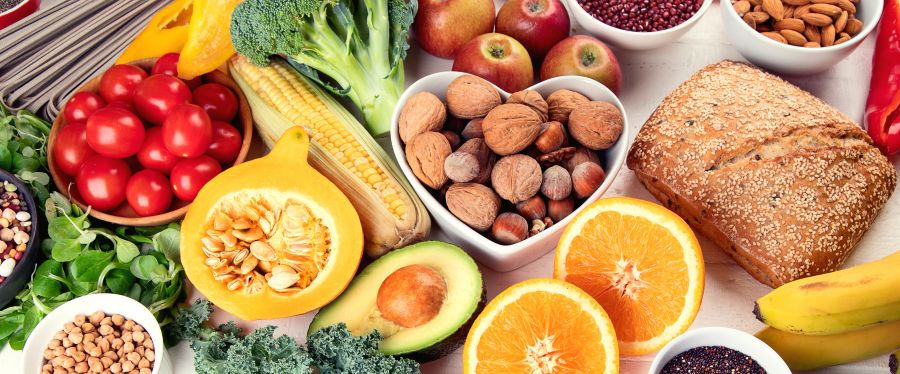
According to the BHF, a low-fat diet that includes lots of fibre (like whole-grain rice, bread, and pasta) and plenty of fruit and vegetables can help lower blood pressure.
Meanwhile, it’s a good idea to cut down on processed foods that are high in salt, sugar, and refined carbs. Examples include deli meats, tinned soup, pizza, crisps, and other processed snacks. Foods branded as ‘low-fat’ are often high in sugar and salt.
You can find out more in our articles: What are the benefits of a whole food, plant-based diet? and The DASH diet – what is it and what are the pros and cons? The DASH diet (Dietary Approaches to Stop Hypertension) is designed to help lower blood pressure.
5. Eat more potassium
When it comes to lowering blood pressure, some nutrients, like potassium, are particularly beneficial. Potassium, for example, not only reduces the harmful effects of sodium in your body, but it also eases pressure in blood vessels.
The NHS recommends getting around 3,500mg of potassium daily. However, several factors can affect this (for example, if you have kidney disease), so it’s important to speak to your GP first.
Fruits such as bananas, apricots, avocados, tomatoes, melons, and oranges are high in potassium, as are vegetables like potatoes, sweet potatoes, mushrooms, peas, leafy greens, and spinach.
To learn more, check out our article: Everything you need to know about potassium.
6. Limit alcohol
While drinking in moderation isn’t usually problematic, too much alcohol can raise blood pressure. In fact, research suggests that around 16% of high blood pressure cases are linked to excessive alcohol consumption, with frequent binge drinking raising hypertension risk by up to 84%.
Studies show that alcohol can raise blood pressure by one mmHg for every 10g consumed. Considering the average alcoholic drink contains 14g of alcohol, this can have a significant effect.
According to the NHS, drinking more than 14 units of alcohol a week can have adverse effects on other areas of your health, too. For help cutting back, you might find it helpful to read our articles: 10 tips to stay alcohol-free beyond dry January and How to make healthier drink choices.
7. Take steps to quit smoking
Practically everyone knows that smoking is harmful to health, but perhaps now that each cigarette causes a temporary spike in blood pressure.
Plus, research shows that the chemicals in tobacco can harm blood vessels – causing inflammation and narrowing of arteries and leading to higher blood pressure. Studies show that secondhand smoke can also contribute to higher blood pressure.
The good news is that stopping smoking can help your blood pressure return to normal, reduce the risk of heart disease, and improve your overall health. Our article, 7 tips for quitting smoking, has ideas to help if you’re looking to stop.
8. Consider your caffeine intake and how you take your coffee
While the precise effect of caffeine on health is still debated, newer research suggests that a moderate amount of tea or coffee (four or five cups a day) should be fine for most people, with some studies even suggesting it can lower blood pressure.
That said, these effects can vary from person to person, with other studies suggesting that caffeine-induced increases in blood pressure may be greater in people whose blood pressure is already high.
For this reason, it might be helpful to limit your caffeine intake if you have high blood pressure or suspect you might be caffeine-sensitive. For anyone else, British Heart Foundation dietitian Victoria Taylor says it might be more important to consider how you take your coffee, as sugar, syrups, whole milk, and cream add calories and saturated fat that could increase weight gain and cholesterol levels.
For ideas of other drinks you can enjoy throughout the day, check out our article on healthier drink choices.
9. Reduce stress
Stress can increase heart rate and cause blood vessels to become restricted and blood pressure to rise. When we’re stressed, we might also be more likely to turn to other blood-pressure-raising behaviours, such as drinking more alcohol, smoking, or eating unhealthy food.
While it’s difficult to eliminate all stress from your life, identifying the main triggers and taking steps to manage them, for example, by using breathing techniques, can be helpful. Studies show that reducing stress is a good complement to other blood pressure treatments.
For more ideas, you might be interested in our articles: 7 tips for coping with stress and anxiety and 9 simple stress-relieving activities. Or, why not tune in to a mindfulness session on Rest Less Events?
10. Prioritise sleep
Sleep is essential for health because it allows the body to rest, recover, and stabilise blood pressure.
According to research, regularly sleeping for less than four hours a night can significantly increase the risk of high blood pressure. Meanwhile, getting six to eight hours of restful sleep a night not only prevents blood pressure from rising, but can also prevent fluctuations, which can be just as dangerous.
If you struggle to get enough rest, head over to our sleep and fatigue section for tips and ideas.
You might also like to try evening wind-down yoga over on Rest Less Events. The classes are designed to help you quiet your mind ahead of a night’s rest.

Worried about accessing the NHS care you need?
83% of Rest Less members are worried about accessing the healthcare they need on the NHS#, making fast access to treatment more important than ever.
HMCA private medical cover offers affordable, flexible plans, with 90% of members saving money when they switch. Enjoy peace of mind. Join today and get £150 off your subscription.
#Data from over 1,000 Rest Less members surveyed in 2025
^Data from HMCA members who joined between 01/01/25 and 30/06/25
Final thoughts…
High blood pressure can lead to various health problems and increase the chances of suffering from a heart attack or stroke. However, the encouraging news is that there are plenty of things that can help lower it.
If you have concerns about your blood pressure, it’s important to speak to your GP, so they can advise on whether or not medication might be suitable for you.
For more health information, head over to our health section or check out our articles: 5 tips to help lower cholesterol and 11 healthy heart tips.
Do you have any more blood pressure-lowering tips you’d like to share? We’d be interested to hear from you in the comments below.
Selene Nelson is an author, freelance journalist, and lifestyle writer for Rest Less. After graduating from the University of Sussex with a degree in English Literature, Selene began contributing to many major newspapers and websites, and has written for the BBC, The Sunday Times, The Independent, Town & Country, and HuffPost. Her specialist subjects include food, travel, and health, though she enjoys writing about a wide range of topics (e.g. her two books are about veganism and psychopathy, respectively!). She enjoys cooking (particularly pasta and Asian noodle soups), reading, travelling, hiking, attempting to keep fit, and watching animal videos on YouTube.
* Links with an * by them are affiliate links which help Rest Less stay free to use as they can result in a payment or benefit to us. You can read more on how we make money here.

Free NHS eye tests plus 10% off glasses for over 60s
Booking an appointment online has never been easier, and with a range of offers from 10% off if you’re over 60**, 2nd pairs half price^ & a free NHS eye test if eligible, our expert optometrists are here to help you on your journey to clearer vision.
Join the discussion
Read our full commenting terms and guidelines