Sponsored content

According to bladder health company Jude, around 14 million UK adults struggle with bladder issues. Plus, new research, which questioned 2,000 UK women aged 40+, revealed that 94% experience accidental leaks. Forty-two percent say they have leaks once a week, and 12% are burdened almost daily.
Bladder issues can be upsetting and take their toll on daily life. And, due to existing stigmas and taboos, many women feel alone. However, there’s reason to be encouraged.
Many bladder issues are due to a weakened pelvic floor, which is the group of muscles, ligaments, and other tissues responsible for supporting the bladder, bowel, and reproductive organs. Just like all muscles, the pelvic floor can weaken with age or after life events such as pregnancy, childbirth, injury, or menopause – and that’s when unwanted leaks can happen. But it can also be strengthened with pelvic floor training techniques, too.
Despite its central role in everyday function, research shows that the pelvic floor remains widely misunderstood, with many women feeling unsure about what it does or where it is. To shed some light on the topic, we’ve partnered with Jude, the UK’s leading specialist in pelvic floor and bladder health, to explore three tried and tested pelvic floor training methods to help prevent bladder leaks.
Jude’s new pelvic floor supplement, PelviTONE™, is designed to support your pelvic floor the way protein supports your muscles – from the inside out. It provides nutrients that help support the muscles and connective tissue involved in bladder control and core stability.
PelviTONE is paired with Jude’s Strength Method – a free, movement-based 12-week pelvic training programme that goes beyond traditional kegels to improve how your pelvic floor works in everyday life. Together, they combine internal support with guided training to help you build strength, coordination and confidence over time.
Rest Less members can enjoy an exclusive 25% off PelviTONE™ with code TRY25.

What does the pelvic floor do?
The pelvic floor is a broad, layered structure of muscles and tissue that sits at the base of the pelvis. Running from the pubic bone at the front to the tailbone at the back, it supports internal organs, like the bladder, bowel, and uterus, and prevents prolapse.
Rather than a single muscle that you squeeze, the pelvic floor is best understood as a system. Muscle fibres create lift and closure; connective tissue provides structure and elasticity; and nerves coordinate timing, sensation, and control. The pelvic floor relies on all three to feel strong and reliable.
In everyday life, the pelvic floor plays a central role in bladder and bowel control, and helps to manage pressure when you cough, lift, sneeze, or exercise. It also contributes to sexual sensation and is needed for core strength.
What is pelvic floor training, and why is it so important?
Bladder leaks can be distressing and have a significant impact on daily life. For example, because they can be unpredictable, you may worry about leaving the house and having an accident. However, the good news is that it’s possible to strengthen your pelvic floor muscles through training and other lifestyle changes.
Pelvic floor training refers to methods and techniques used to boost the health, strength, and function of pelvic floor muscles. Among other things, it focuses on managing factors known to contribute to pelvic floor weakness, many of which happen gradually with age. This includes…
- Connective tissuechanges – due to declining collagen levels, resulting in reduced elasticity and support
- Reduced muscle strength and endurance – meaning pelvic floor muscles struggle to maintain steady contractions throughout the day
- Hormonal changes – particularly during perimenopause and menopause, which can affect tissue health and muscle response
- Reduced tissue hydration – this can affect how supple and resilient tissues are under pressure
Pelvic floor strength relies on more than isolated exercises. Jude’s Strength Method takes a more complete approach – combining core training, breathwork and pelvic floor release to strengthen the muscles that support everyday movement.
This integrated approach has been shown to be up to 56% more effective than isolated squeezes, and three times faster than pelvic floor exercises alone.
How to prevent leaks with pelvic floor training – 3 tried and tested tips
By now, you might be wondering what steps you can take to strengthen your pelvic floor. And while exercise is key, nutrition also plays an important role. These three tried and tested tips can help you get started.
1. Build a regular pelvic floor exercise routine
There are several types of pelvic floor exercises, but for many women, the real challenge is knowing how to connect with the muscles in the first place. Because the pelvic floor is internal, it’s not something you can see working – you have to learn to feel it. It’s also an area many women feel unsure about, which can make building a regular routine difficult.
A helpful place to begin is with a simple lift and release to build awareness…
- Sit upright in a supported position – not too relaxed
- Imagine gently picking up a small object (like a bean) with your back passage, then fully let go
- Repeat this a few times, focusing on a subtle internal lift and complete release
- Then repeat the same at the front, imagining lifting through the vagina and relaxing again
- Finally, bring both together – gently lift from back and front, drawing up inside, then fully relax
The key is to keep the effort light and internal – avoiding squeezing your glutes, abs or holding your breath. It may feel unfamiliar at first, but that’s completely normal. With practice, this connection becomes more natural and automatic.
2. Build a strong nutritional base
Historically, pelvic floor remedies have been rooted in exercise alone. But it’s not uncommon for women to report feeling little change, despite practising pelvic floor exercises regularly. If this is you, you’re certainly not alone.
According to Jude, a lack of progress is rarely about commitment or effort, but rather because exercise is only one part of effective pelvic floor support. For the body to adapt and strengthen, it needs the correct nutritional foundations. Dr Zena Wehbe, PhD, MSc, Jude’s Principal Scientist in Cell Biology and Molecular Pharmacology, says, “Pelvic floor exercises are important, but muscles also need proper nutritional support.”
Generally speaking, research suggests that eating foods and drinks known to support pelvic floor health, and limiting those that aren’t so good for us, can make all the difference.
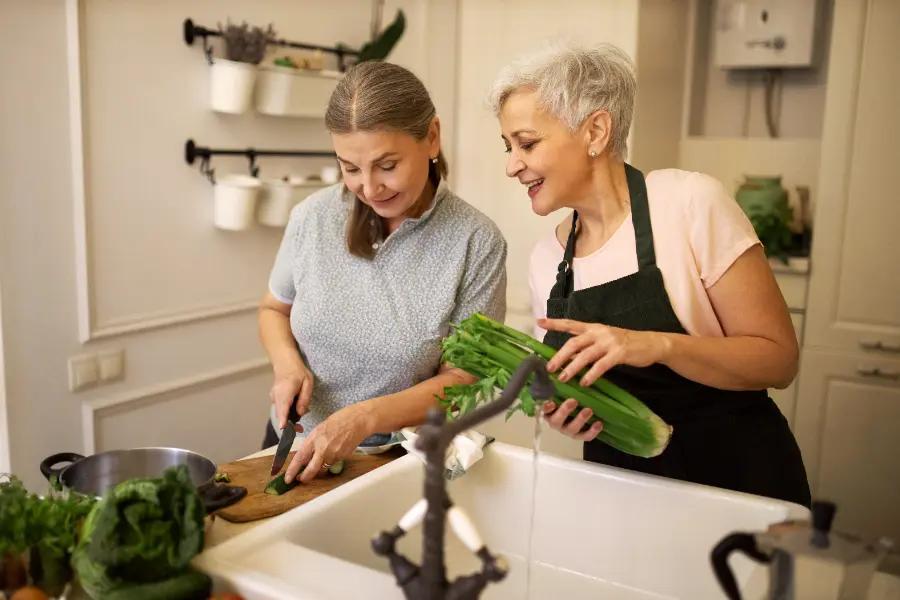
For example, fibre-rich foods and fruit and veg with high water content, such as coconut, melons, whole grains, lentils and cucumber, have been found to support pelvic floor function. Meanwhile, caffeine, alcohol, artificial sweeteners, and spicy or acidic foods may cause irritation and increase the risk of leaks. For example, one study found that almost 50% of people over 60 who drink more than one cup of coffee (300mg) a day experience overactive bladder symptoms.
For a simple, effective solution to nutrition for your pelvic floor, check out Jude’s pelvic floor supplement, PelviTONE™ – designed to support your pelvic floor in the same way protein supports your muscles. Combining women’s health science with sports nutrition and developed over 18 months of research, PelviTONE™ brings together nutrients chosen for the different systems your pelvic floor relies on – muscle activation, connective tissue strength and tissue hydration.
Marine collagen helps support the connective tissue that holds and supports the pelvic organs, while creatine supports muscle energy and activation. Research shows that when collagen and creatine are combined with pelvic floor training, they can lead to improvements in muscle activation three times greater than training alone.
Grape polyphenols help protect the slow-twitch muscle fibres that keep your pelvic floor working steadily throughout the day, while hyaluronic acid supports tissue hydration and elasticity – helping connective tissue stay flexible, cushioned and resilient.
Alongside these, key nutrients like vitamin D, vitamin C, zinc and copper support muscle function, collagen formation and connective tissue maintenance – helping the pelvic floor stay strong, coordinated and supported over time.
PelviTONE™ comes in an easy-to-use powder that can be added to smoothies, yoghurt or water, making it simple to build into your daily routine. You can find out more on Jude’s website.
3. Focus on improving overall body strength
According to Jude, while kegels are an essential part of any pelvic floor exercise routine, they’re not the full picture.
This is because the pelvic floor doesn’t work in isolation. Instead, it coordinates with everything from the breath, diaphragm, deep core, hips, and nervous system. Pelvic control depends on how well these systems work together, particularly during daily functions that place stress on the pelvic floor, like coughing, laughing, and lifting.
As Baz Mofatt, women’s health specialist and Jude’s partner behind the Strength Method Guide, explains, “Core stability exercises have been proven to be more efficient at improving pelvic floor muscle strength than doing kegels alone. As the science of pelvic health evolves, we’re seeing more and more research that focuses on real-life women, how they live, train and nourish themselves.”
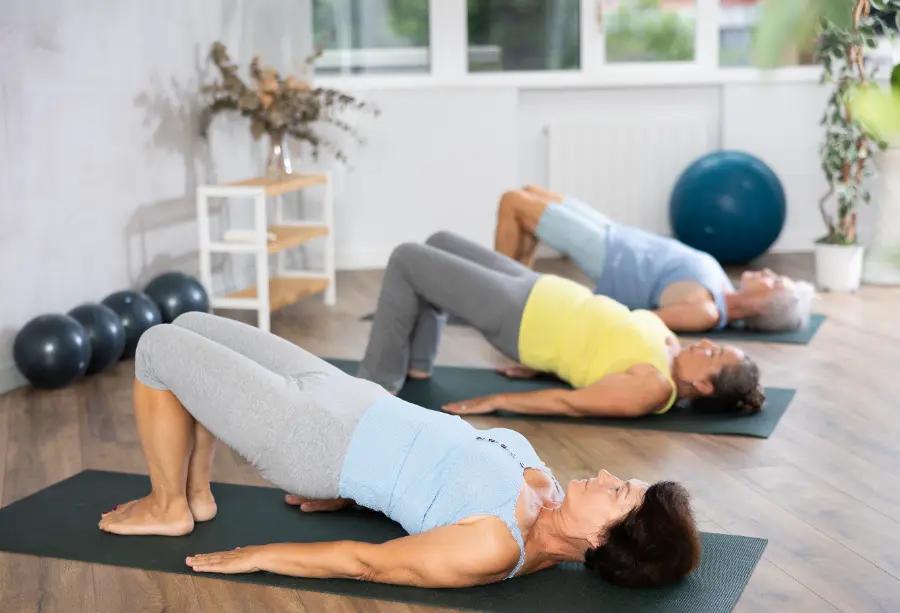
For this reason, lasting bladder support requires strength and coordination across multiple muscle groups. So, regularly working muscles connected to the pelvic floor through exercise like yoga, Pilates, and running can be an effective way to boost pelvic floor health.
In fact, emerging research suggests that integrated, functional movement patterns may be up to 56% more effective at strengthening pelvic floor muscles than kegels alone. Yoga, for example, can help to increase flexibility and circulation in the pelvic area, and certain poses, including the goddess pose, bridge pose, and pigeon pose, specifically target pelvic floor muscles. In this study, women with urinary incontinence reported a 65% reduction in symptoms after following a 12-week low-impact yoga programme.
If you’d like extra support, Jude’s Strength Method is a free, guided programme developed with pelvic floor specialists and women’s health experts. It combines core training, breathwork and pelvic floor release to strengthen the muscles that support everyday movement – rather than relying on isolated contractions alone.
The programme is structured around research into the approach most women find effective, with short, guided sessions to follow each week and the flexibility to revisit foundational exercises whenever needed.
Note: Because exercises like running can sometimes trigger bladder leaks (known as stress incontinence), it’s natural to feel daunted about incorporating these movements into your routine. However, experts at Jude are keen to encourage daily movement because it can make all the difference to pelvic floor health over time, especially when supported by nutrition.
Final thoughts…
Bladder leaks can be upsetting and difficult to live with. And, as a largely undiscussed topic, it’s easy to feel helpless. However, if you’ve been struggling recently, the good news is that there are plenty of things you can do to help strengthen your pelvic floor and reduce the risk of bladder leaks.
Jude’s daily pelvic floor supplement, PelviTONE™, is designed to support your pelvic floor from the inside – in the same way protein supports your muscles. It brings together nutrients chosen to support muscle activation, connective tissue strength and tissue hydration – the key systems your pelvic floor relies on. Taken daily, it helps support the muscles and tissues that keep your pelvic floor strong and functioning well over time.
Rest Less members can enjoy an exclusive 25% off PelviTONE™ with code TRY25.

For further reading, head over to our bladder health section.