- Home
- Health
- Healthy Body
- Irritable bowel syndrome (IBS) – symptoms, causes, and prevention
Irritable bowel syndrome (IBS) is a common condition that affects the digestive system. It can cause symptoms like bloating, stomach cramps, diarrhoea, and constipation, making daily life difficult.
While there’s currently no definitive cure for IBS, many people find that they’re able to manage their symptoms well. For example, by identifying trigger foods, adapting eating patterns, and taking medication where required.
Here, we’ll explore exactly what IBS is, including how it’s diagnosed and what treatment options are available.
What is irritable bowel syndrome?
Irritable Bowel Syndrome (IBS) refers to a group of symptoms affecting the digestive system, such as bloating, stomach cramps, constipation, and diarrhoea.
In the UK, it’s estimated that one in five adults has IBS. It can develop at any age, though it’s most common for symptoms to appear between the ages of 20 and 30. There’s currently no definitive cure for IBS, however, many people find that they’re able to manage their symptoms.

Worried about accessing the NHS care you need?
83% of Rest Less members are worried about accessing the healthcare they need on the NHS#, making fast access to treatment more important than ever.
HMCA private medical cover offers affordable, flexible plans, with 90% of members saving money when they switch. Enjoy peace of mind. Join today and get £150 off your subscription.
#Data from over 1,000 Rest Less members surveyed in 2025
^Data from HMCA members who joined between 01/01/25 and 30/06/25
What are the symptoms of IBS?
IBS symptoms can vary. For some people, they may be mild and manageable, while for others, the condition can be severe enough to affect daily life.
According to Bupa, some of the most common IBS symptoms include…
Pain or discomfort in the tummy (abdomen). For example, cramps low down or in the centre of your tummy, which typically get worse after eating and may improve after going to the toilet.
Changes in bowel habits. According to experts, around a third of people with IBS have constipation, a third have diarrhoea, and a third have a mix of both. Some people also pass small amounts of mucus.
- Bloating. This may get worse during the day and improve when you go to the toilet.
Other symptoms of IBS include fatigue, indigestion, nausea, headaches, backache, and bladder issues – such as needing to pee more often or urgently.
IBS can be upsetting to live with, and many people find it difficult to talk about their symptoms, which can add to a sense of isolation.
It’s also common for people to fluctuate between periods of good health and flare-ups (where symptoms become more active). For example, you might go weeks or months with very mild or no symptoms at all before having a flare-up.
What causes IBS?
Experts are currently unsure what causes IBS, but there are a few theories.
According to Bupa, a stomach or bowel infection (gastroenteritis), inflammation caused by another condition (such as inflammatory bowel disease), and taking medicines that affect your bowel (including antibiotics), can all increase the risk of IBS. You may also be more likely to develop IBS if someone in your family has it, though there are currently no confirmed genetic links.
Many people with IBS also find certain things trigger their symptoms, including stress, anxiety, and food and drink like alcohol, caffeine, and fatty or spicy foods.
How is IBS diagnosed?
If you suspect you may have IBS, it’s important to make an appointment with your GP.
They may be able to diagnose you with IBS based on your symptoms alone. For example, by asking what you struggle with, how often, and whether you’re able to identify any triggers.
In other cases, your GP may recommend further tests to rule out other potential causes. For example, by…
Cutting out specific food groups for a while to rule out any food allergies
Taking a stool sample to test for signs of infection
Having blood tests to check for conditions like anaemia or coeliac disease
Having a colonoscopy to check for signs of ulcerative colitis, Crohn’s disease, or cancer.
You can read more about how IBS is diagnosed on the NHS website.
How is IBS treated?
There’s currently no definitive cure for IBS. However, there’s reason to be encouraged, as many people find they’re able to manage their symptoms with lifestyle changes.
Finding the right treatment often involves some trial and error, so try not to be disheartened if you don’t find the right solution for you right away. In more severe cases, medication may also be used to help treat IBS.
We’ll cover some of the main treatment options below.
Diet changes for IBS
For many people, diet changes can make a huge difference when it comes to improving IBS symptoms. That said, because symptoms and triggers can vary from person to person, it’s normal for it to take some time to find out what works best for you.
We’ll cover some of the main diet changes recommended for people with IBS below.
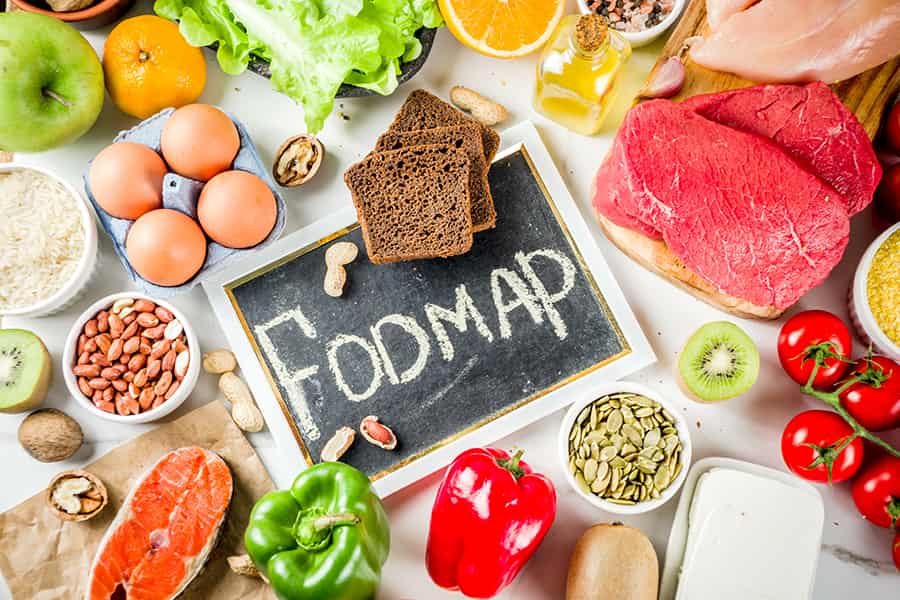
Low-FODMAP diet
FODMAPs (fermentable oligosaccharides, disaccharides, monosaccharides, and polyols) are a group of carbohydrates which some people find more difficult to digest, including those with IBS.
High-FODMAP foods create more water in the bowel and, when not digested properly, can cause symptoms like bloating, gas, and diarrhoea.
For this reason, some people with IBS find that temporarily restricting their intake of high-FODMAP foods improves their symptoms.
Lactose (milk, cheese, yoghurt, ice cream)
Certain fruits (apples, pears, peaches, mangoes, plums, nectarines, watermelon)
Wheat-based bread, pasta, and cereals
Legumes
Certain vegetables (onions, Brussels sprouts, cauliflower, mushrooms, broccoli)
Cashews and pistachios
You can find out more in our article: The low-FODMAP diet – what is it and what are the benefits?
Note: If you’d like to start following a low-FODMAP diet, it’s important to speak to your doctor or a dietician first and carry it out under their guidance. Aside from making sure that you remain healthy throughout, they may also be able to carry out certain tests that’ll help determine which particular FODMAPs you’re most sensitive to.
Elimination diet
If you’re unable to follow the low-FODMAP diet, or if it hasn’t helped your symptoms, it’s worth taking steps to try and identify other potential triggers – for example, through the elimination diet. The elimination diet involves avoiding certain foods for set periods of time to see if your IBS symptoms improve.
Many people find it useful to keep a food diary when eliminating different foods to help keep track of their symptoms. Over time, this can help to identify potential triggers.
Again, it’s important to speak to your GP or a dietitian before trying the elimination diet, to avoid it becoming too restrictive.
General lifestyle changes for IBS
Alongside dietary changes, researchers have identified several other lifestyle changes that may help to relieve IBS symptoms. This includes…
Getting regular exercise.
Eating smaller, more frequent meals, as these are easier to digest
Eating smaller meals as these are easier to digest.
Taking steps to reduce stress
Increasing your intake of probiotics (these are ‘good’ bacteria normally found in the intestines) to relieve symptoms of gas and bloating. Though you should always speak to your GP first because this won’t be a suitable option for everyone (for example, cancer patients or people who are immunosuppressed).

Worried about accessing the NHS care you need?
83% of Rest Less members are worried about accessing the healthcare they need on the NHS#, making fast access to treatment more important than ever.
HMCA private medical cover offers affordable, flexible plans, with 90% of members saving money when they switch. Enjoy peace of mind. Join today and get £150 off your subscription.
#Data from over 1,000 Rest Less members surveyed in 2025
^Data from HMCA members who joined between 01/01/25 and 30/06/25
I’m still struggling – what other treatment is available for IBS?
If lifestyle changes aren’t helping your IBS symptoms, you might be wondering what other treatment options are available.
With IBS, there’s no one-size-fits-all formula, so often it’s a case of working with your GP to find a treatment plan that works best for you.
One option is to ask your GP to refer you to an NHS dietitian who’ll be able to offer specialist support and advice on navigating IBS – for example, helping you to identify trigger foods. If you’d prefer to see a private dietician, it’s important to make sure they’re registered with the British Dietetic Association. You can search for Registered Nutritionists on the Association for Nutrition website.
If your symptoms are severe, your GP may prescribe stronger medication to help manage your symptoms, such as amitriptyline and citalopram. These are antidepressants, but research suggests they may also help to ease IBS symptoms.
In some cases, particularly where stress and anxiety are triggers, cognitive behavioural therapy (CBT) can be used to help people cope with IBS. You can ask your GP to refer you to a talking therapy service. Or, if you’d prefer, you can refer yourself directly to NHS talking therapies without seeing a GP.
The NHS has more information on treatment for IBS on their website.
If IBS is affecting your quality of life and mental wellbeing, it’s important to remember that you’re not alone. Some people find it helpful to connect with others going through similar experiences, such as through a support group, or via a charity offering guidance on living with IBS, such as Guts UK.
Final thoughts…
IBS can be difficult to live with. Some people feel particularly isolated because symptoms can be difficult to talk about.
While there’s currently no definitive cure, there’s reason to be encouraged as, with a bit of trial and error, many people find they’re able to manage their symptoms well.
For further reading, head over to our health section.
Do you have any experiences that you’d like to share? We’d be interested to hear about your experiences in the comments below.
Francesca Williams is a senior lifestyle writer at Rest Less. She joined Rest Less in early 2021 after achieving a first-class degree in History at the University of Sheffield and qualifying as an NCTJ Gold Standard Journalist. Francesca is a qualified Level 3 Personal Trainer and writes across a range of lifestyle topics, specialising in health. In her spare time, Francesca likes to keep herself busy going to the gym, dancing, spending time with friends and family, and getting involved with her local church.
* Links with an * by them are affiliate links which help Rest Less stay free to use as they can result in a payment or benefit to us. You can read more on how we make money here.

Free NHS eye tests plus 10% off glasses for over 60s
Booking an appointment online has never been easier, and with a range of offers from 10% off if you’re over 60**, 2nd pairs half price^ & a free NHS eye test if eligible, our expert optometrists are here to help you on your journey to clearer vision.
Join the discussion
Read our full commenting terms and guidelines